01:05
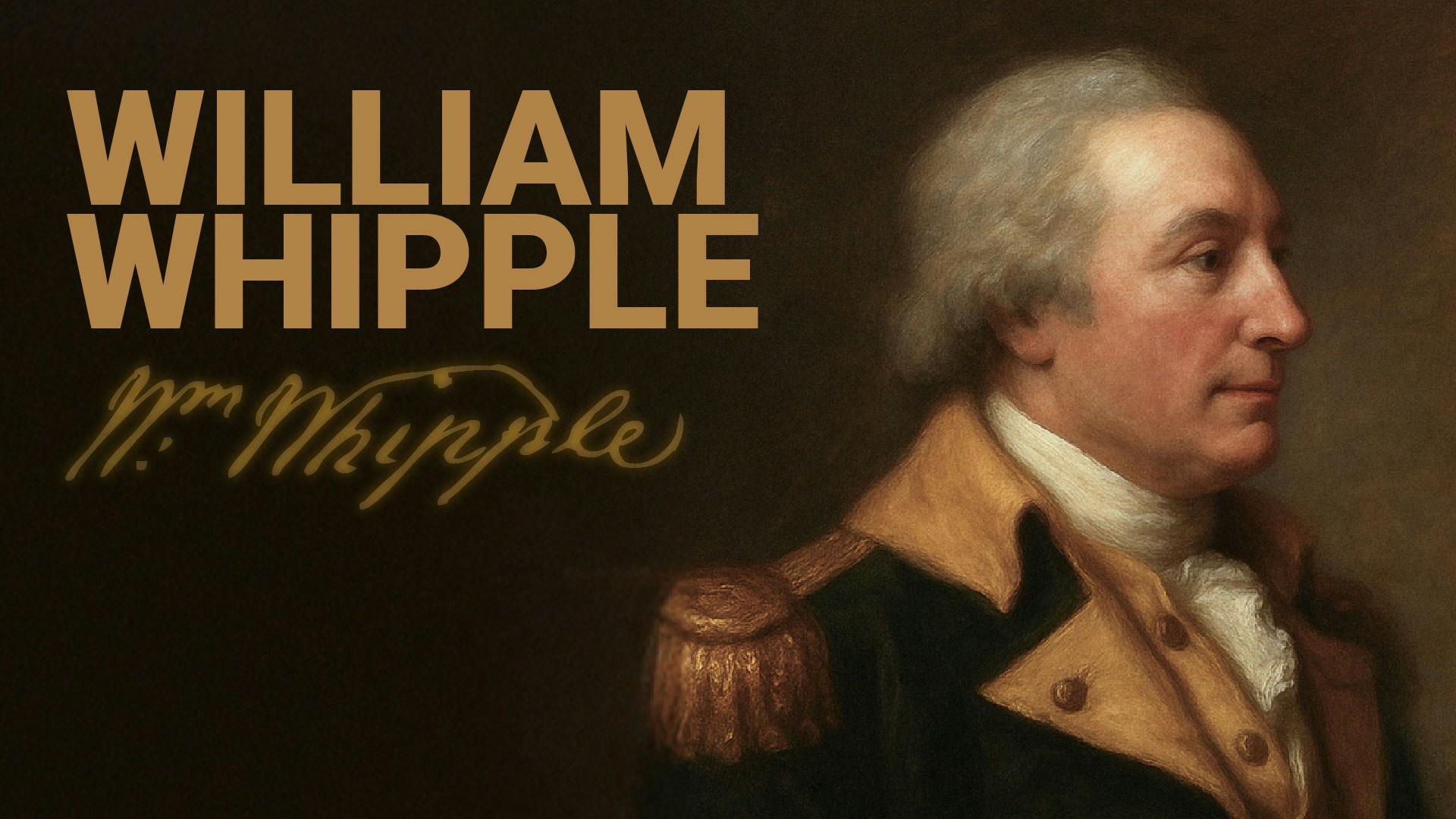
William Whipple was born in 1730 in Kittery, Massachusetts (now Kittery, Maine) into a seafaring family. After finishing school, he went to sea and became a ship captain by age 21, eventually amassing a small fortune.
01:14
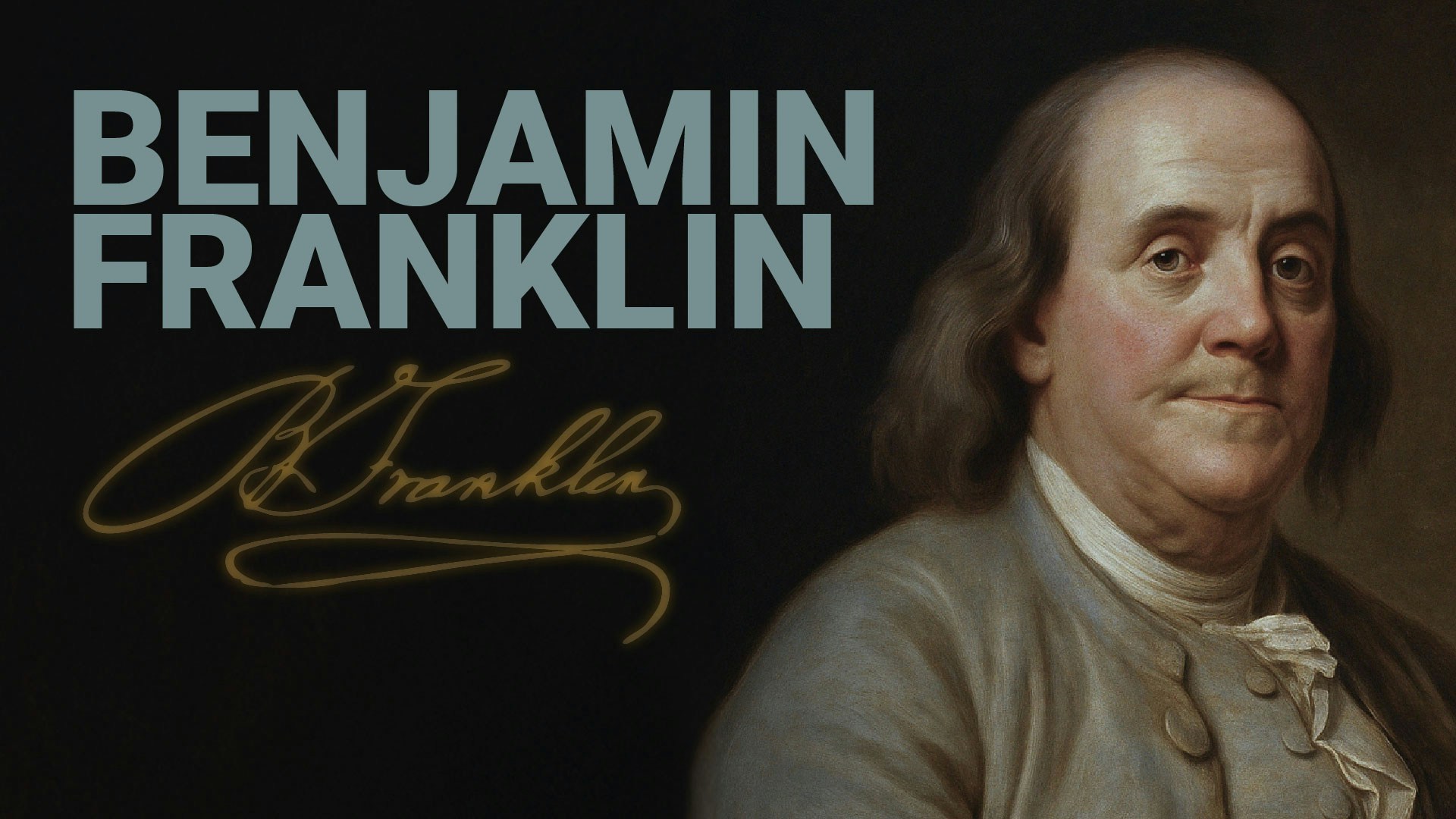
Benjamin Franklin—printer, writer, inventor, diplomat, and Founding Father—was the most widely recognized American on the world stage at the birth of the United States.
01:15
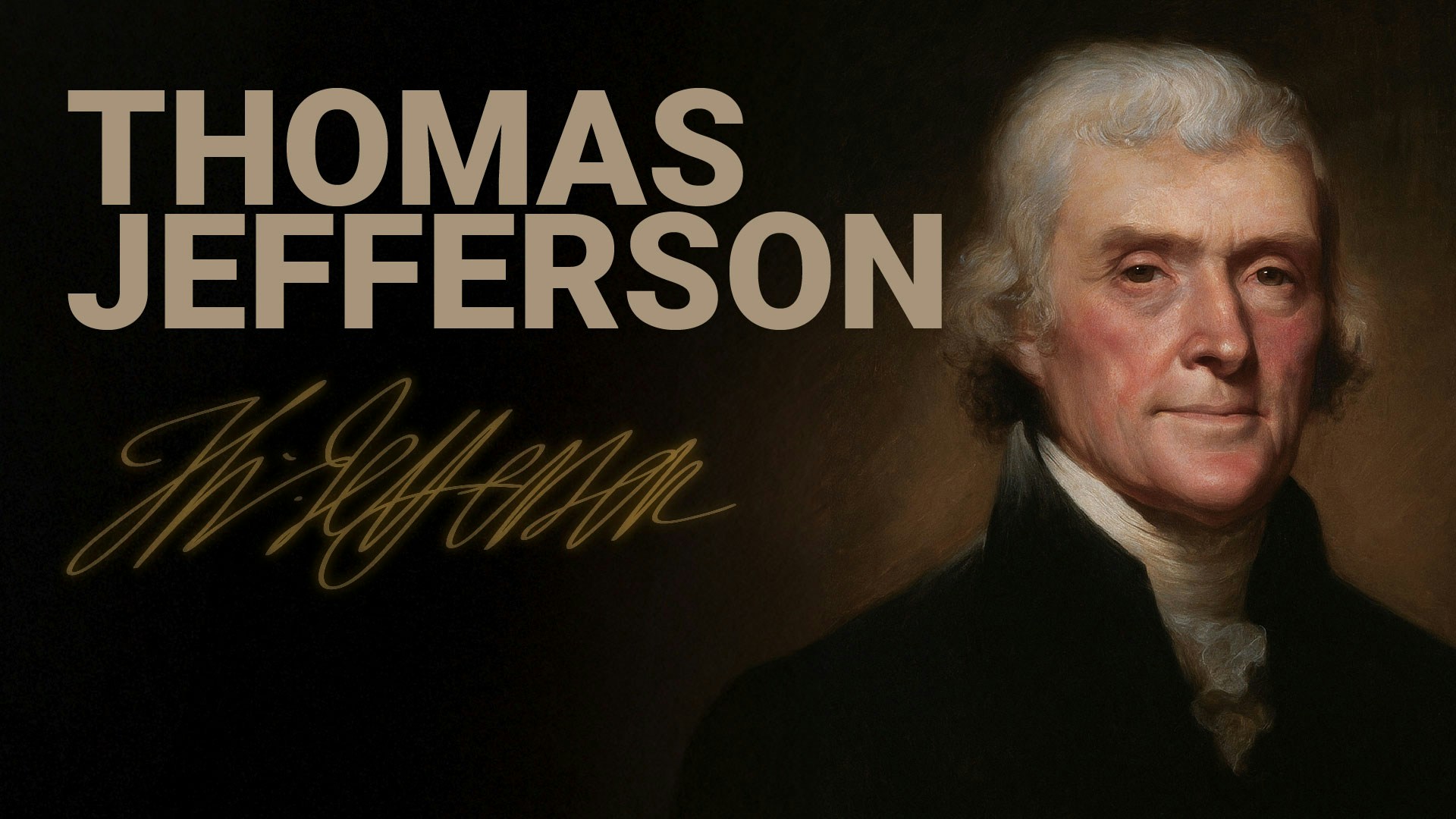
Born on April 13, 1743, near present-day Charlottesville, Virginia, Thomas Jefferson was the primary drafter of the Declaration of Independence and the third President of the United States.
01:17
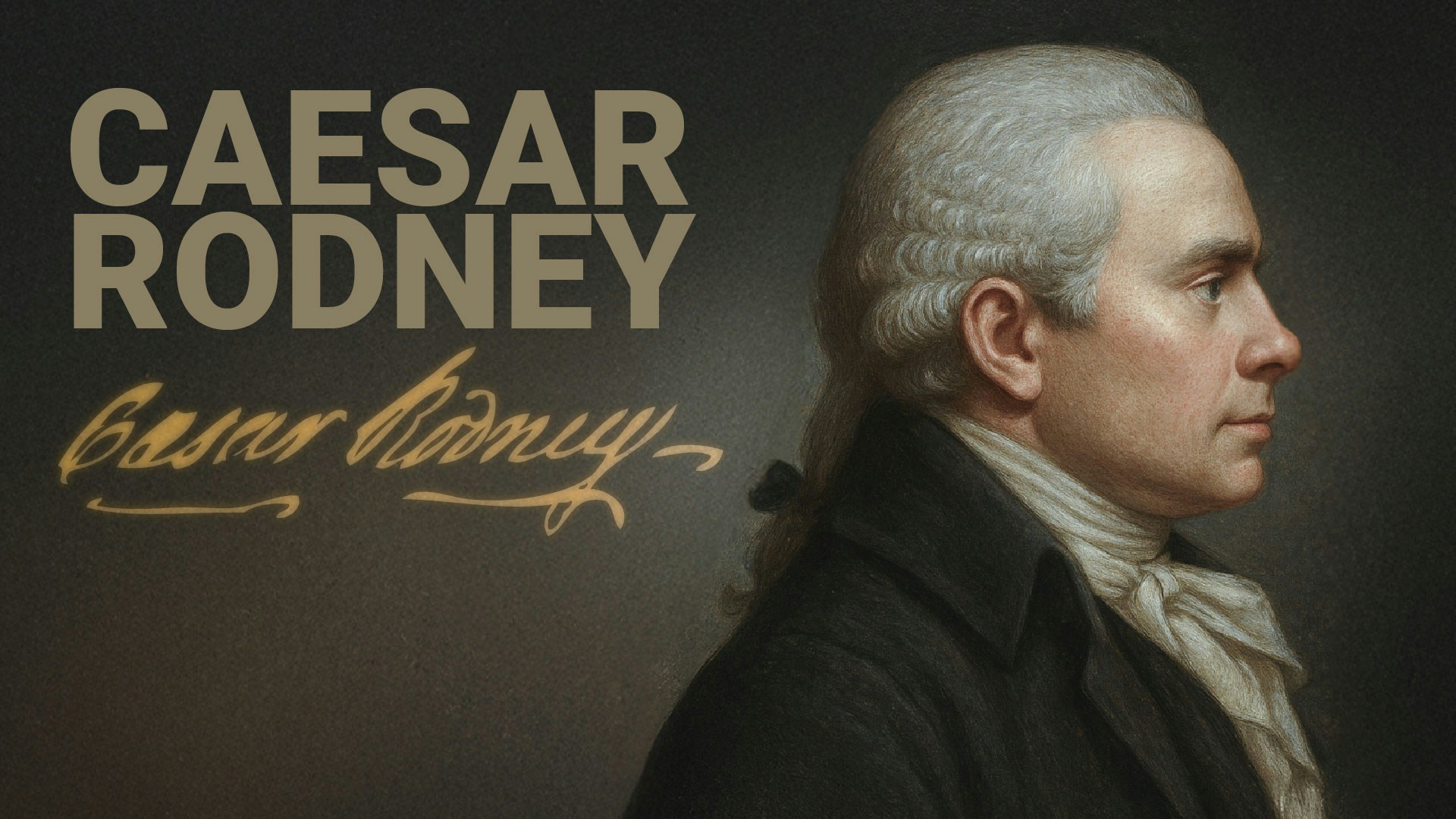
Caesar Rodney was born October 7, 1728, on a sprawling farm in Kent County, Delaware. After losing his father in his youth, Rodney inherited wealth and responsibility that he used for the good of the new nation. At 27, Rodney was commissioned High…
01:52
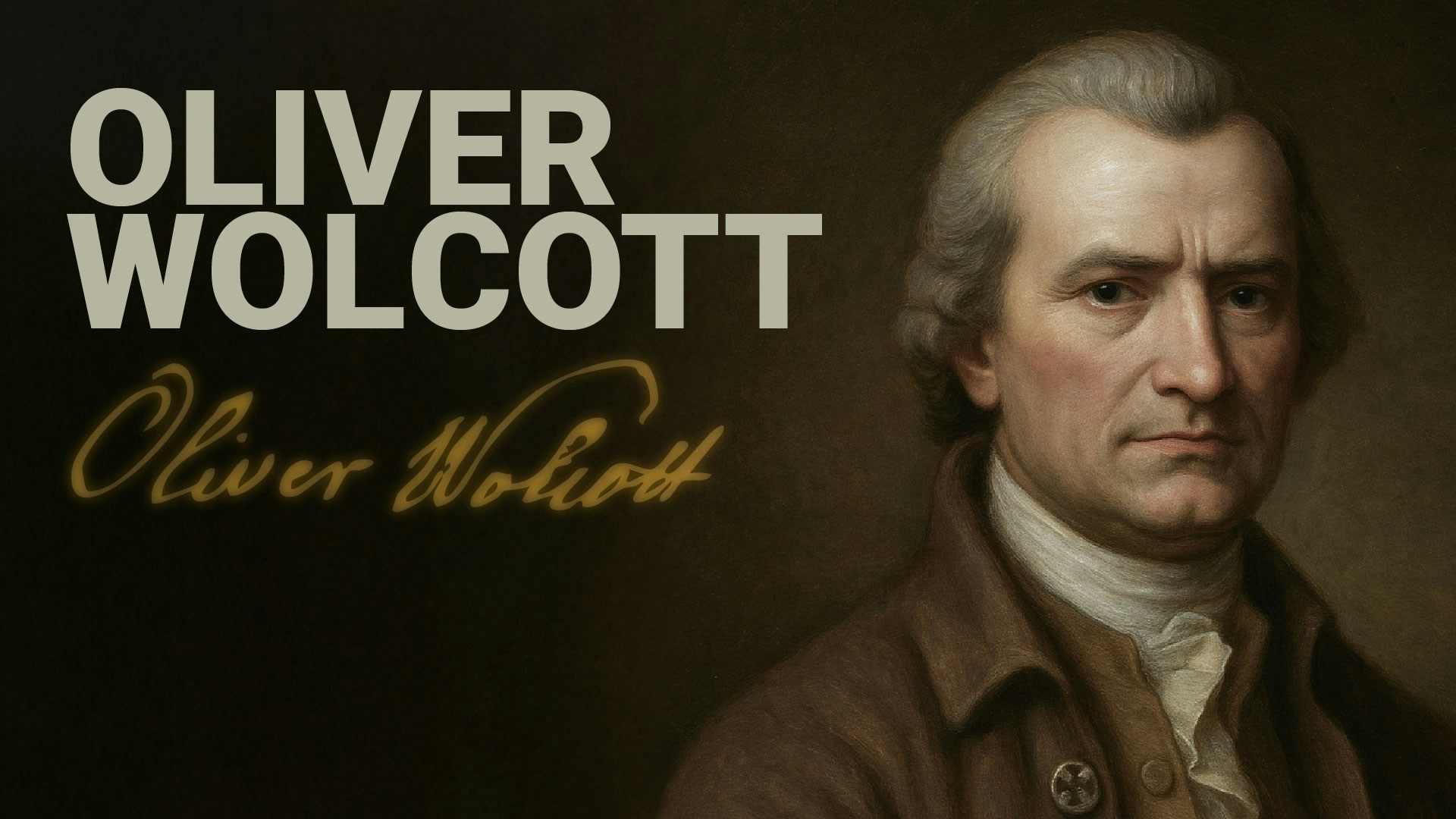
Oliver Wolcott, one of fifteen children, was born on November 20, 1726 in Windsor, Connecticut. Oliver’s great-grandfather served in the first general assembly of Connecticut, and his father served as Governor. Oliver placed top of his class at…
01:30
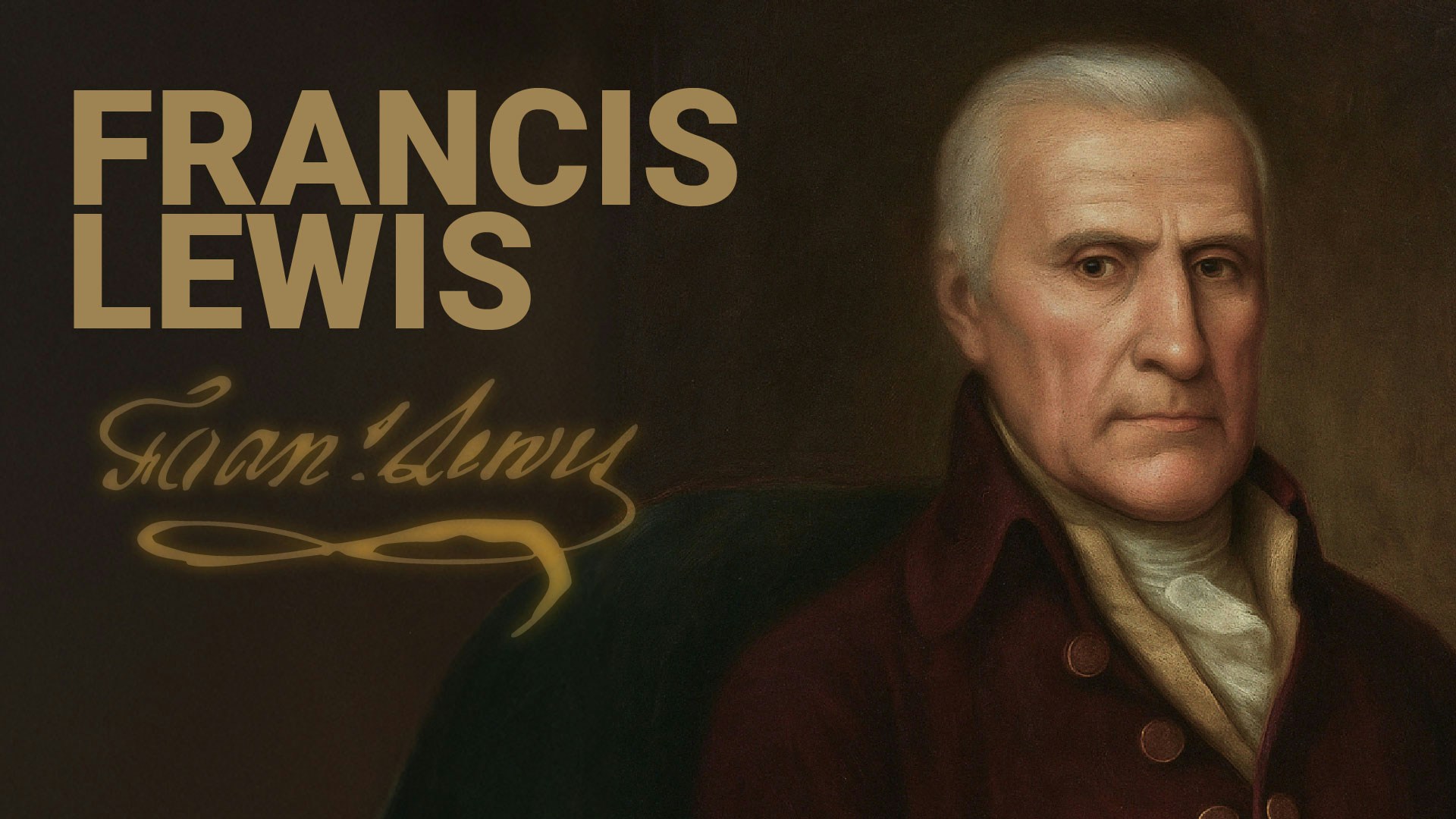
Francis Lewis was a Welsh immigrant, merchant, prisoner of war, and supporter of American independence. He was born in Llandaff, Wales, on March 21, 1713, and educated in Scotland and London.
01:25
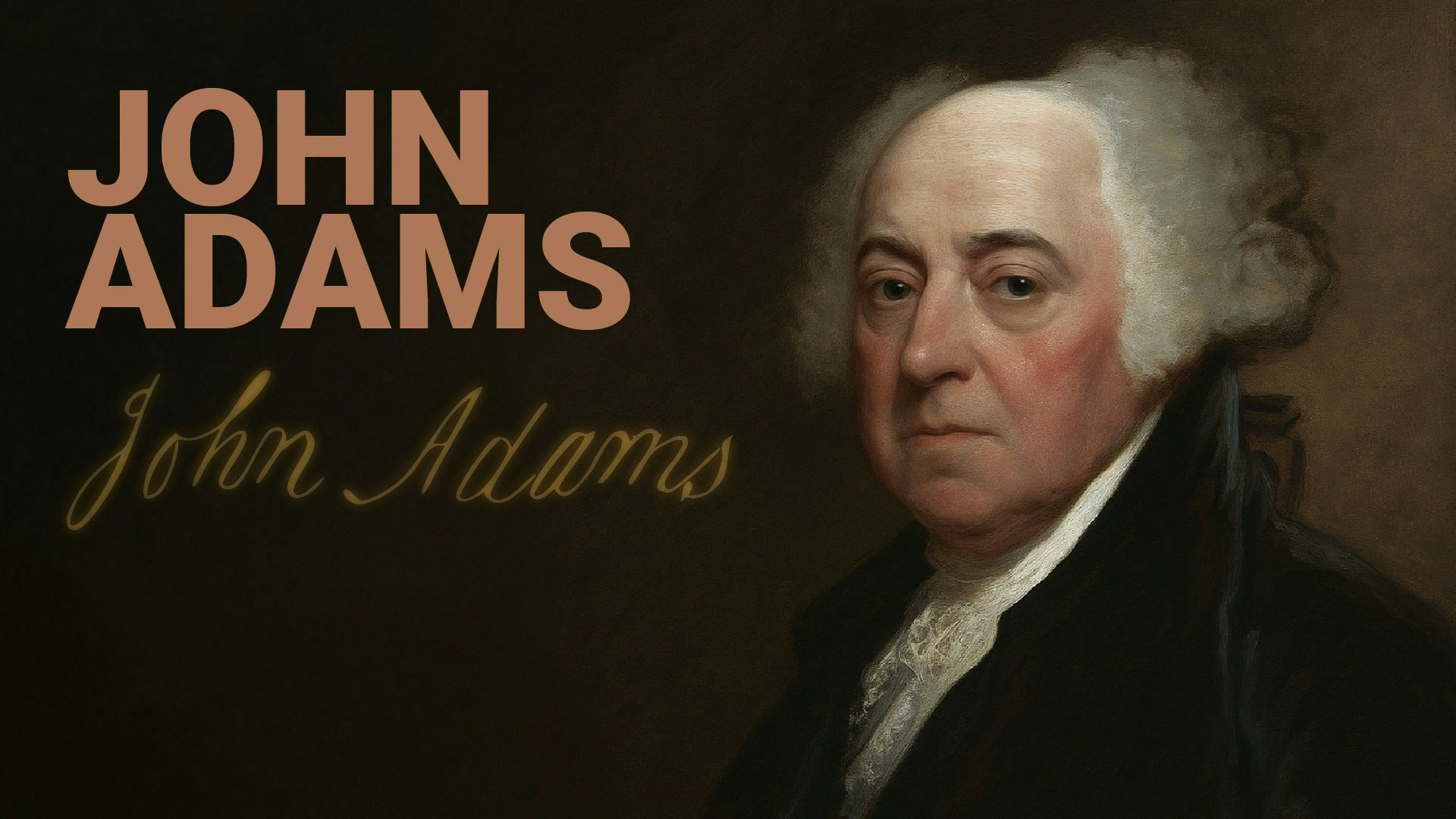
John Adams was a lawyer, statesman, and political theorist whose writings and intellect were vital to American independence. Born on October 30, 1735, in Braintree, Massachusetts, Adams attended Braintree Latin School and entered Harvard College…
01:22
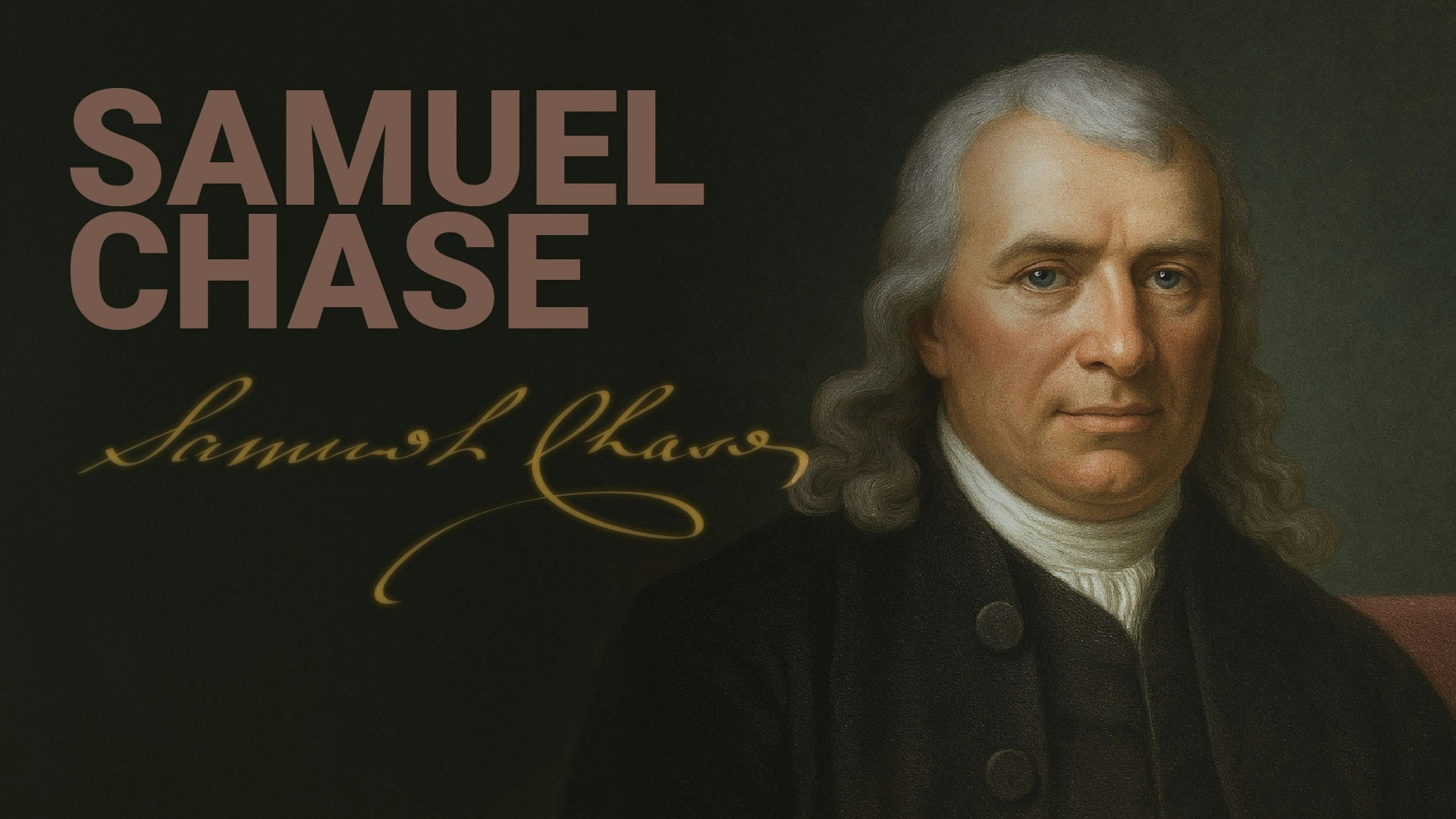
Samuel Chase, one of the nation’s first major legal figures, played a key role in the early formation of the American Republic and its legal system. Born on April 17, 1741, near Princess Anne, Maryland, Chase was the only child of Thomas Chase, an…
01:12
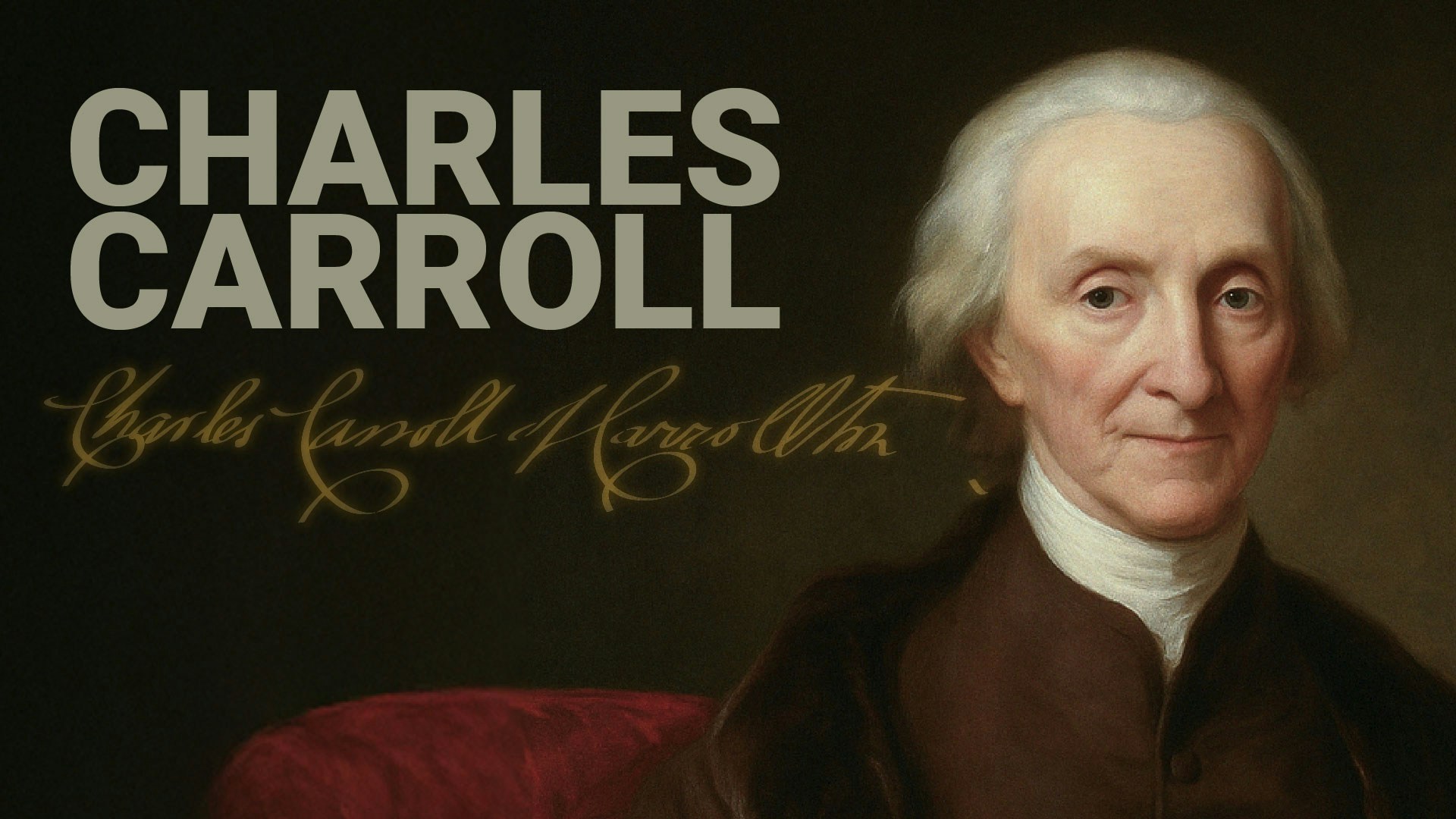
Charles Carroll of Carrollton was the only Catholic signer of the Declaration of Independence. Born on September 19, 1737, in Annapolis, Maryland, Carroll was one of the wealthiest and most educated men in the colonies; he was a powerful voice for…
01:27
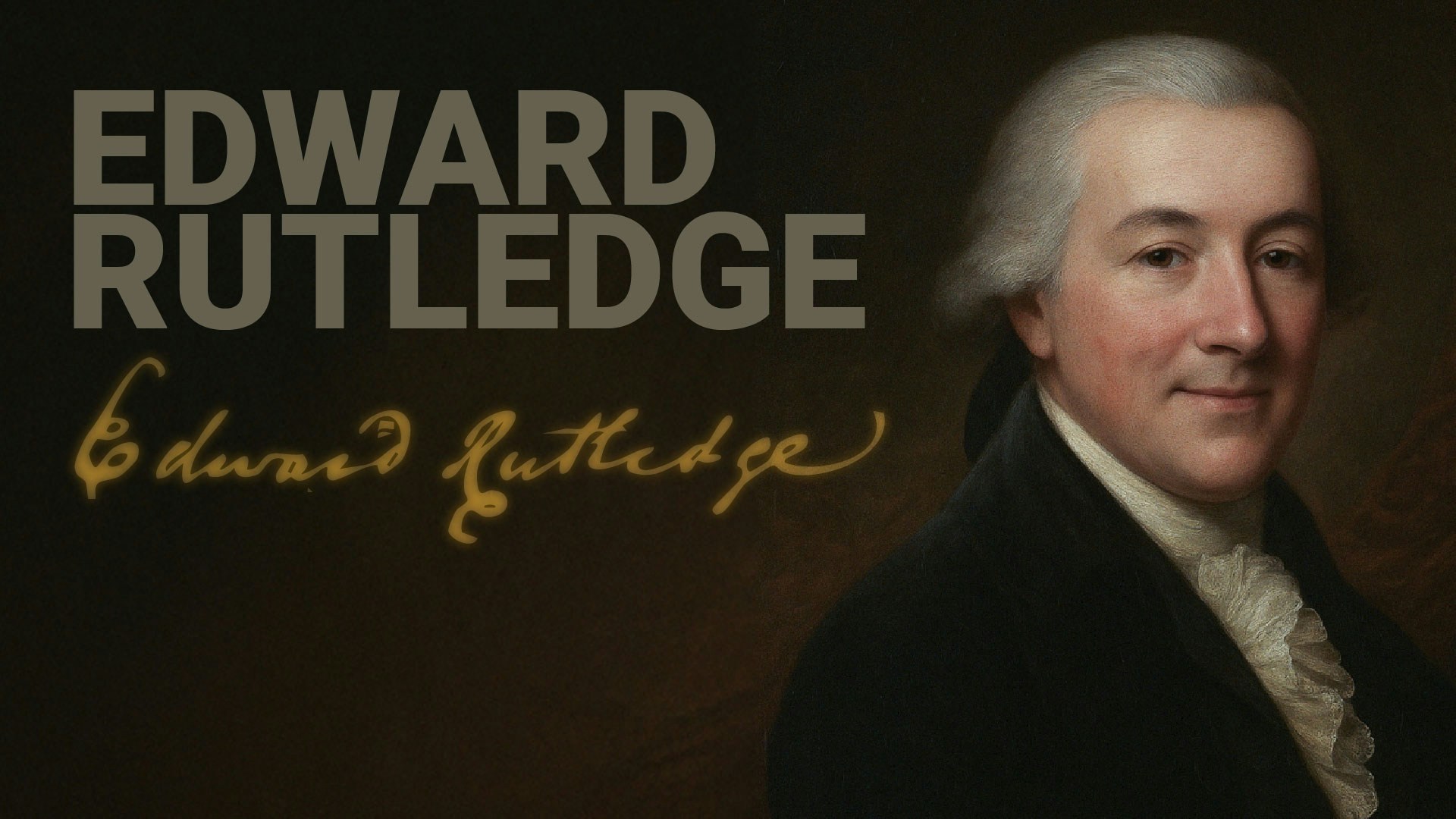
Edward Rutledge, born in Charleston, South Carolina, was the youngest signer of the Declaration of Independence. The son of Dr. John Rutledge, an Irish immigrant and physician, and Sarah Hext, a wealthy South Carolinian, Rutledge grew up in an…
01:40
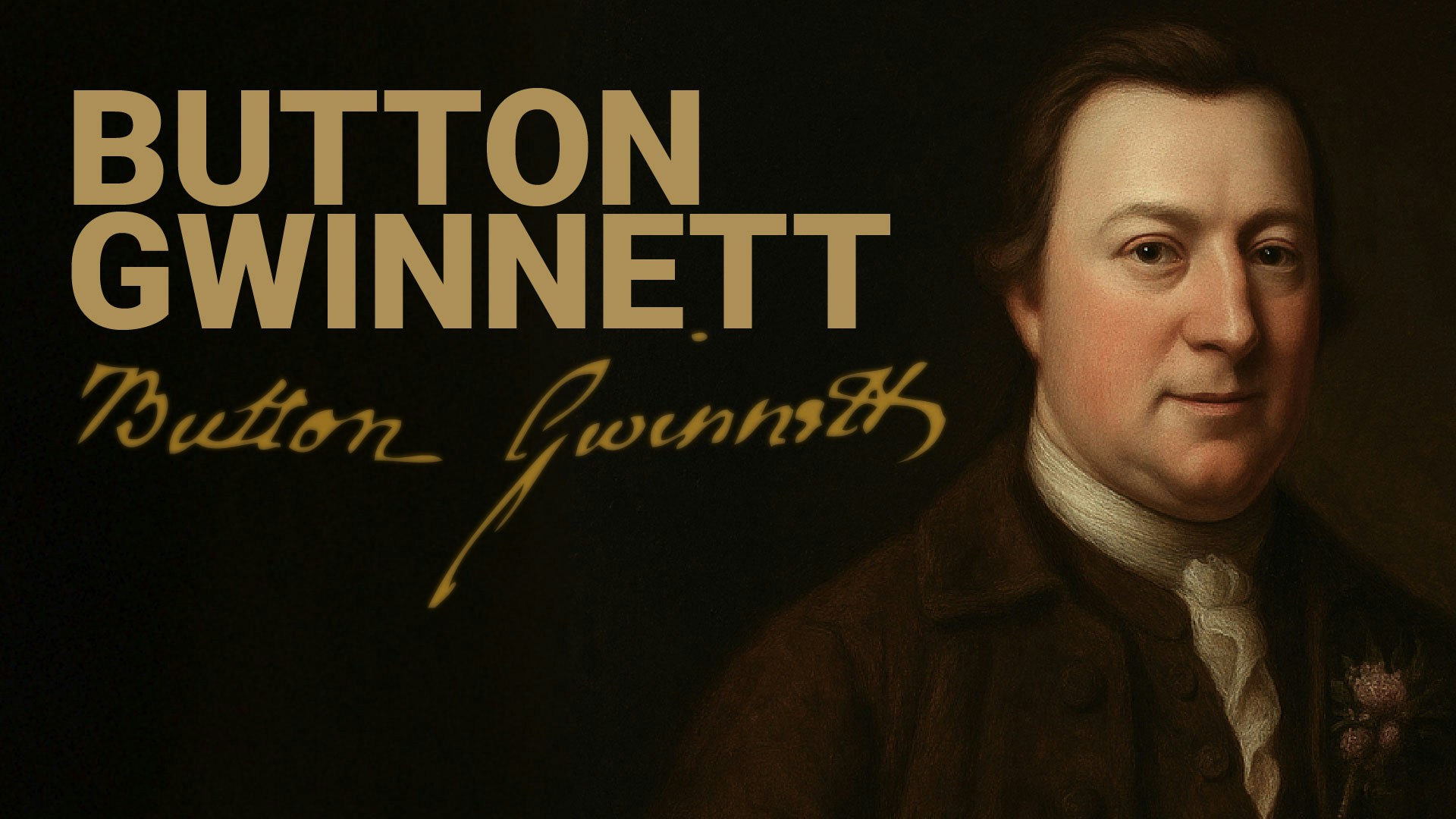
Button Gwinnet was born in 1735 in Gloucestershire, England, to Anne and the Reverend Samuel Gwinnett, a minister in the Church of England.
01:19
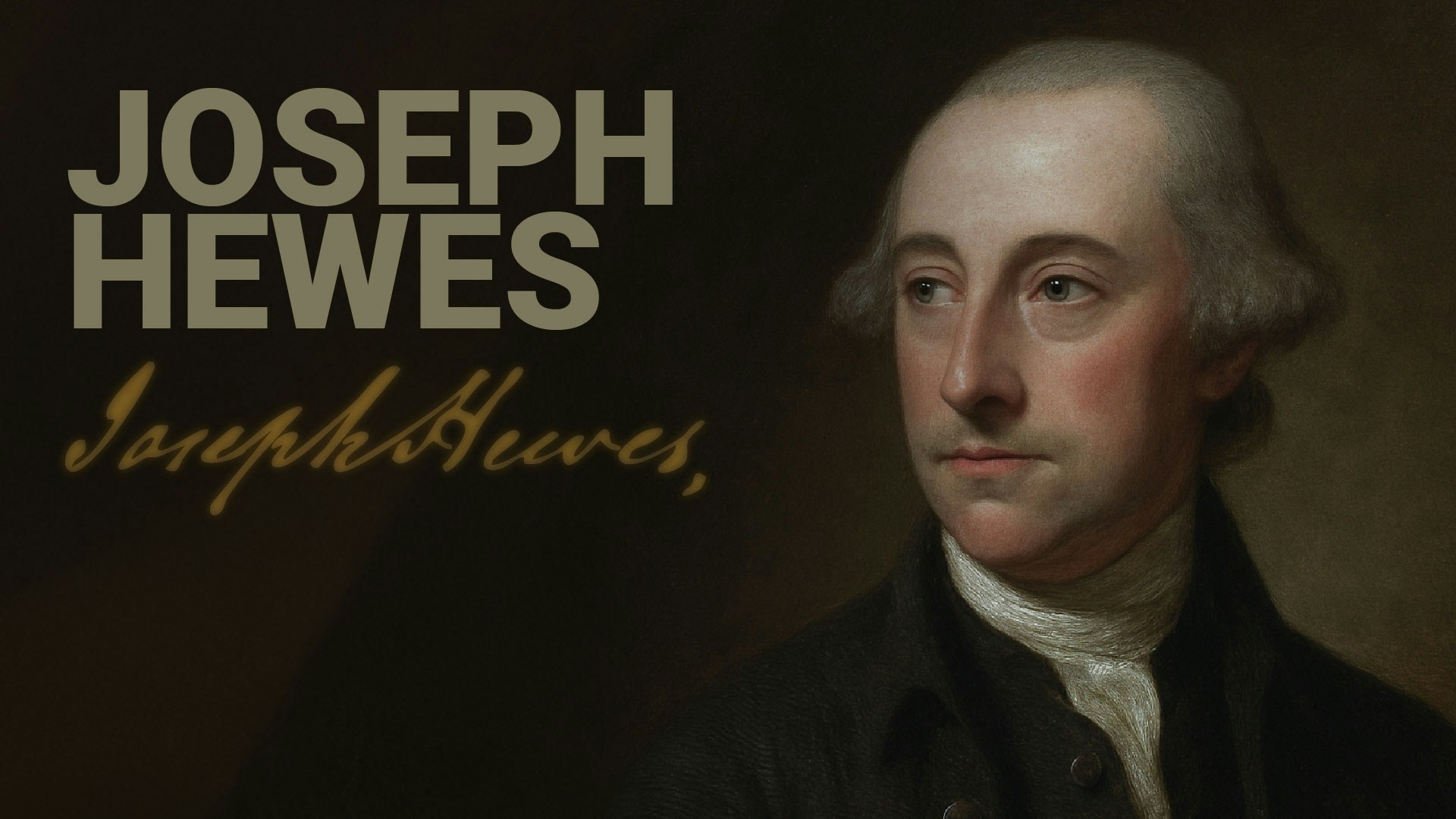
Joseph Hewes, one of three North Carolinians to sign the Declaration of Independence, advanced the Revolution through his invaluable support of the burgeoning American Navy.
01:28
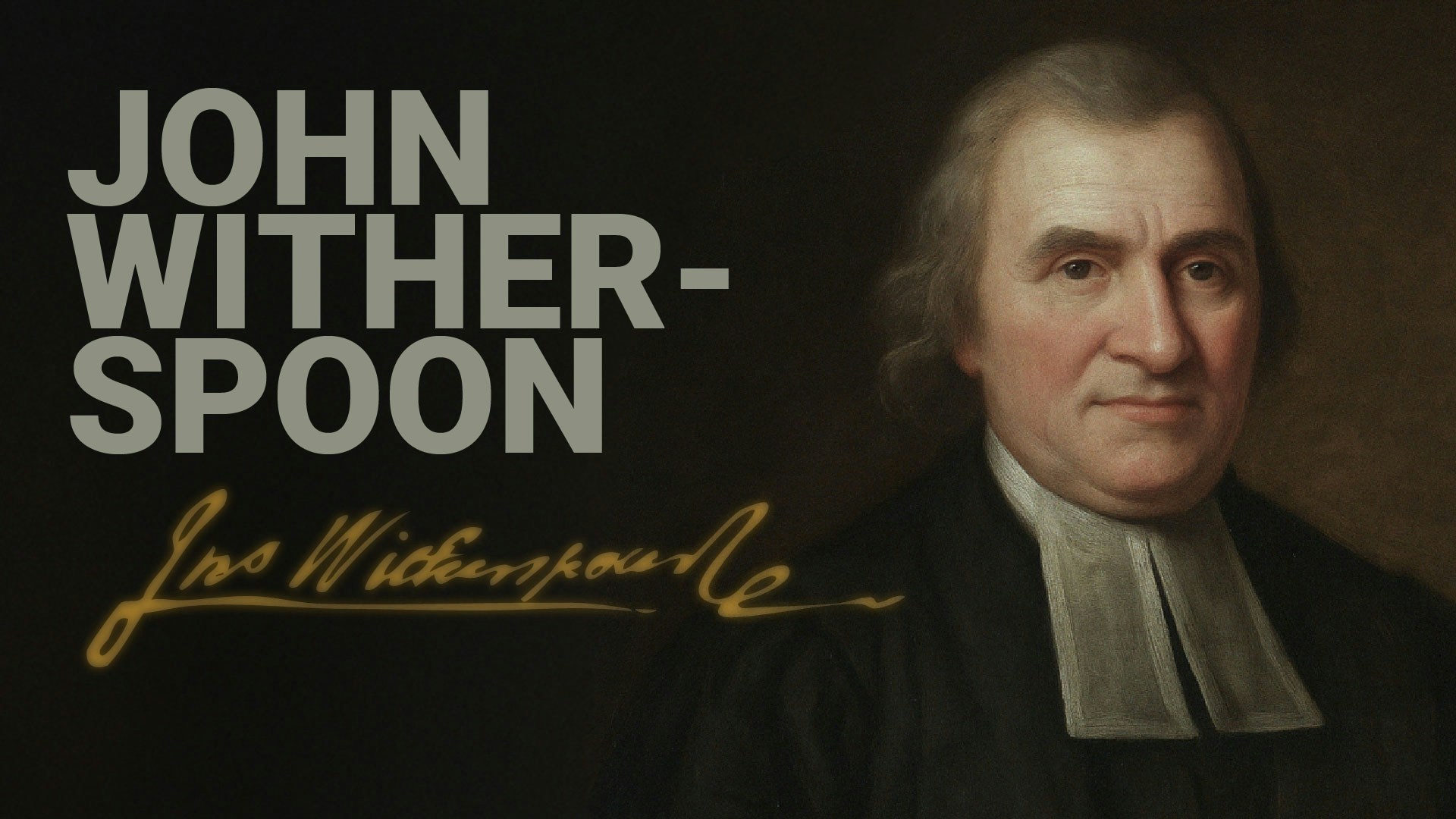
The only clergyman to sign the Declaration of Independence, John Witherspoon, born in 1723 in Yester, Scotland, came from a long line of religious leaders. By age four, he could read the Bible, and when he was 13, he was sent to study at the…
01:26
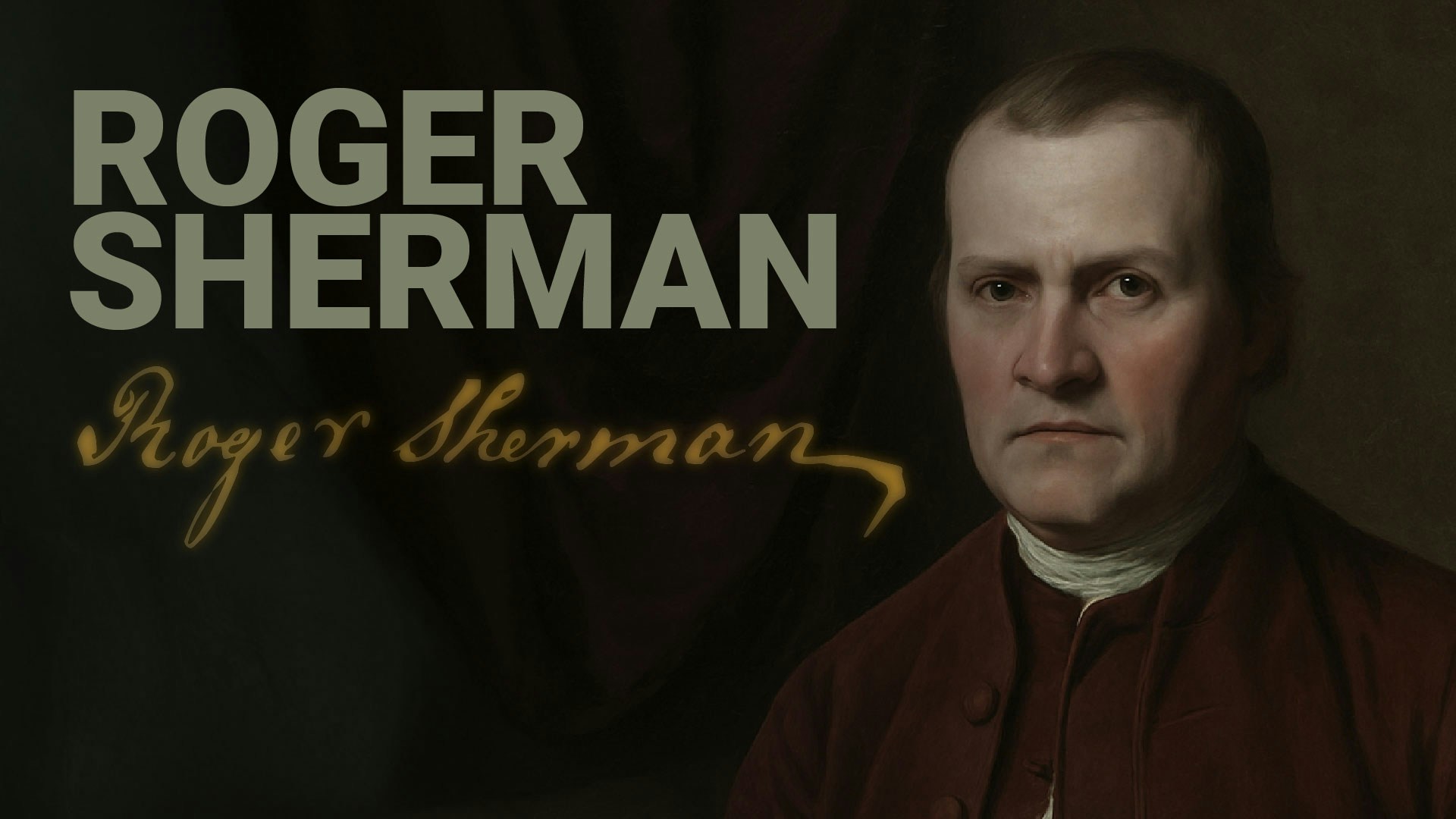
Roger Sherman, born on April 19, 1721, in Newton, Massachusetts, was the only person to have signed all four of the most significant documents in our nation’s early history: the Continental Association from the first Continental Congress, the…
01:25
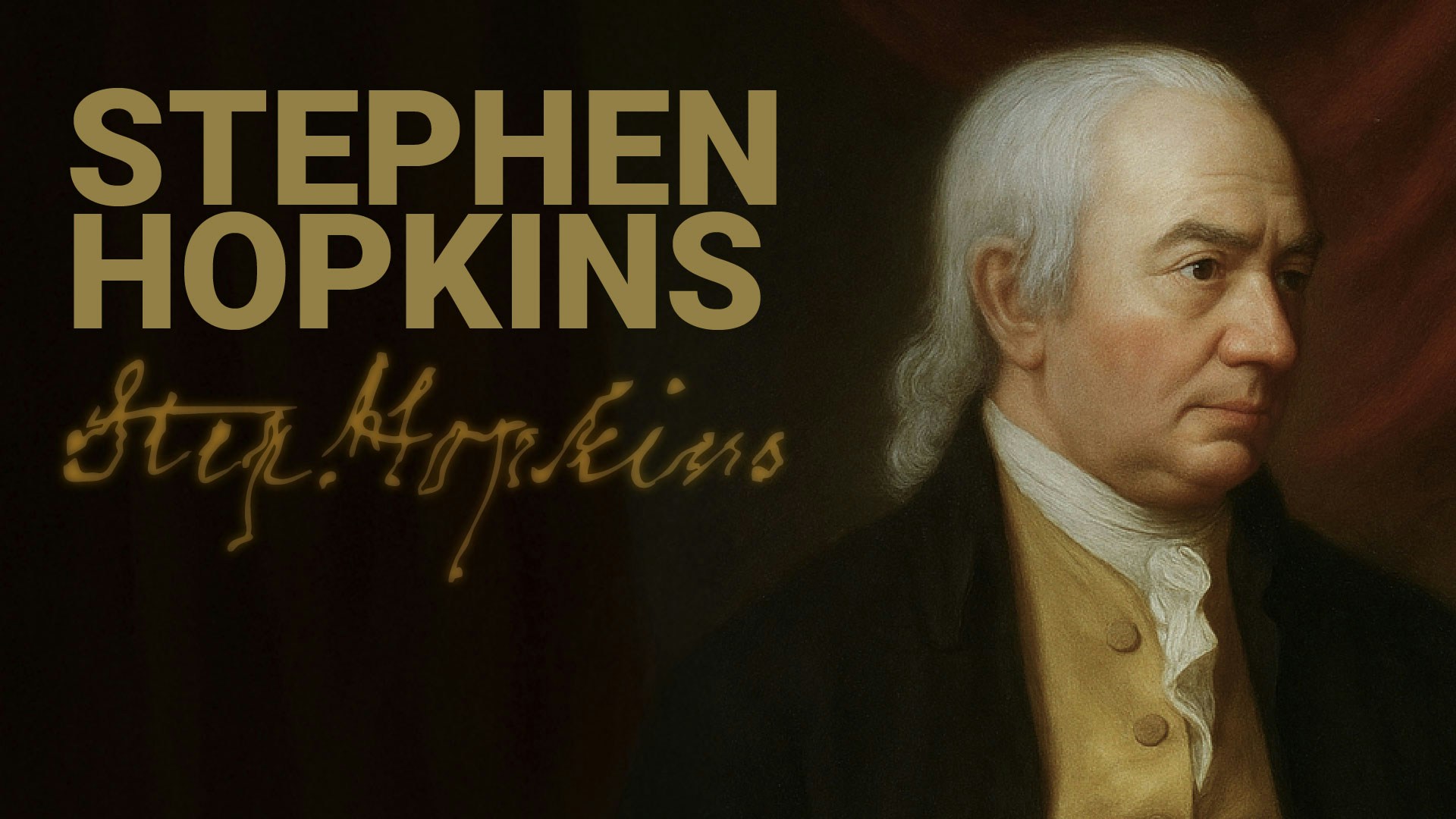
Stephen Hopkins, born on March 7, 1707, in Providence, Rhode Island, was a leading figure of early American patriotism and a respected legal authority. Though he had no formal education, Hopkins was a naturally gifted intellect who taught himself…
01:55
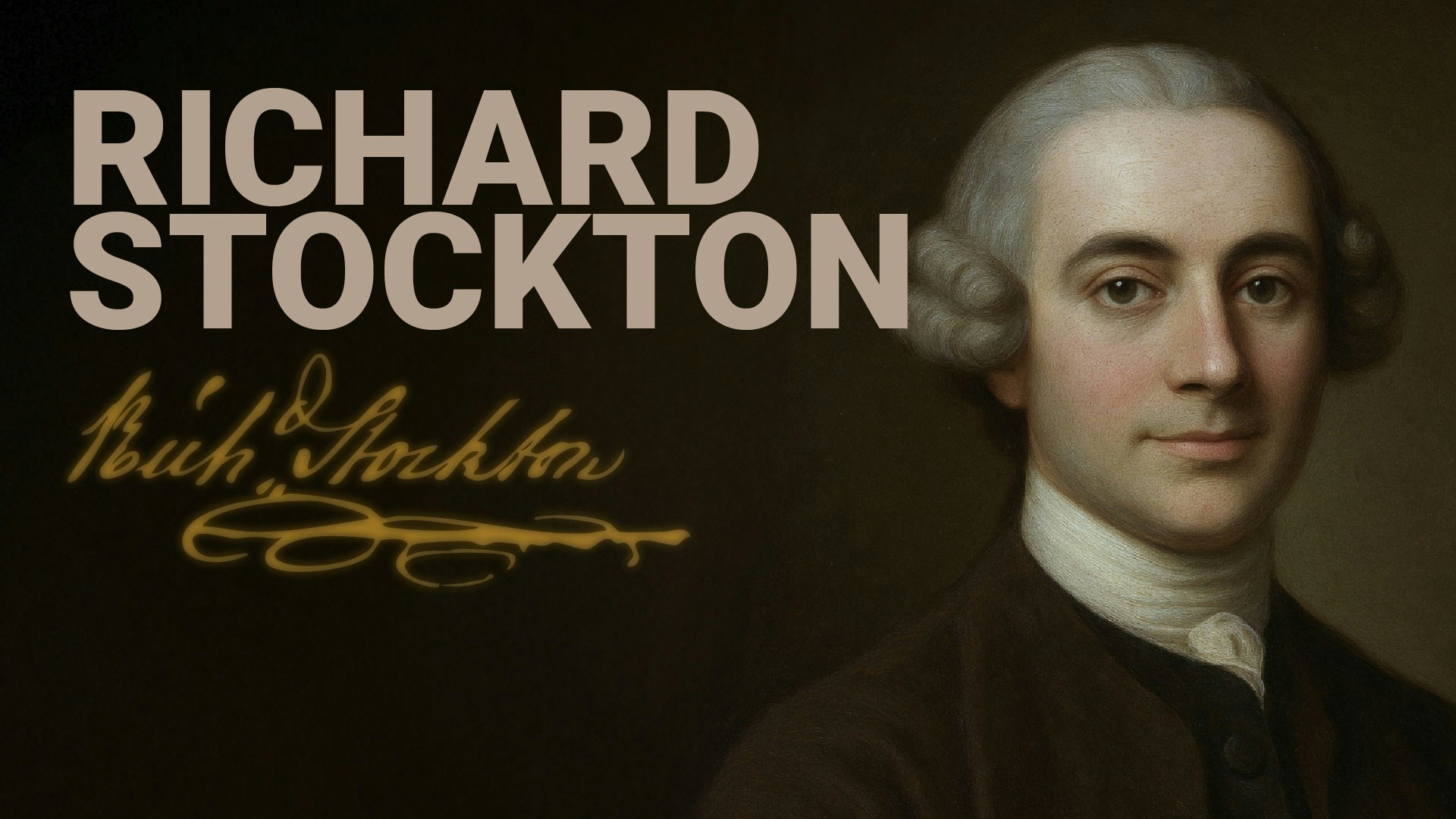
Richard Stockton was born on October 1, 1730, in Princeton, New Jersey. He earned a Bachelor of Arts from the College of New Jersey, now Princeton University, completed a legal apprenticeship, and was admitted to the bar in 1754. In 1755, Stockton…
01:56
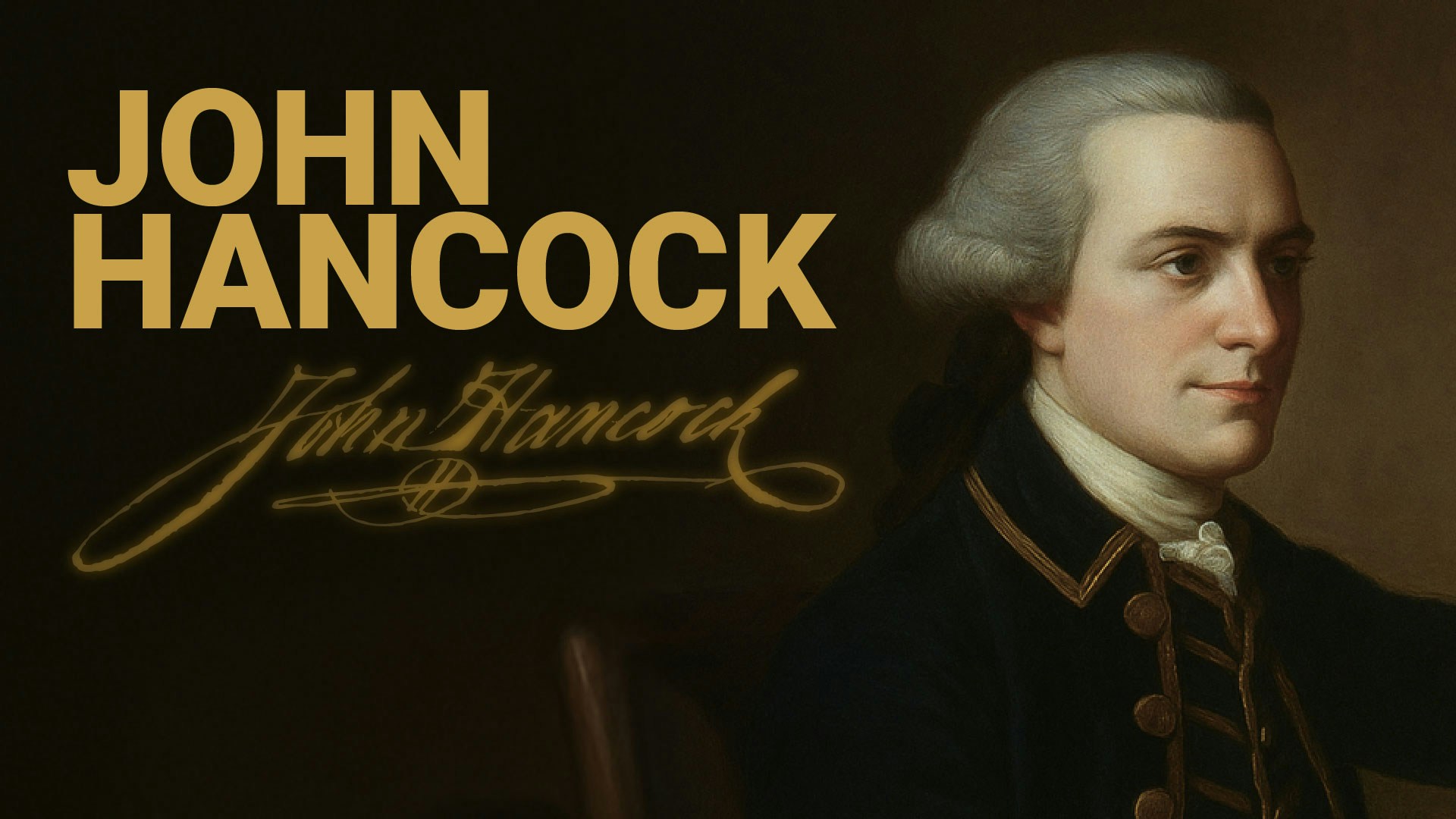
John Hancock, born on January 23, 1737, in Braintree, Massachusetts, is widely remembered for his prominent signature on the Declaration of Independence.
01:56
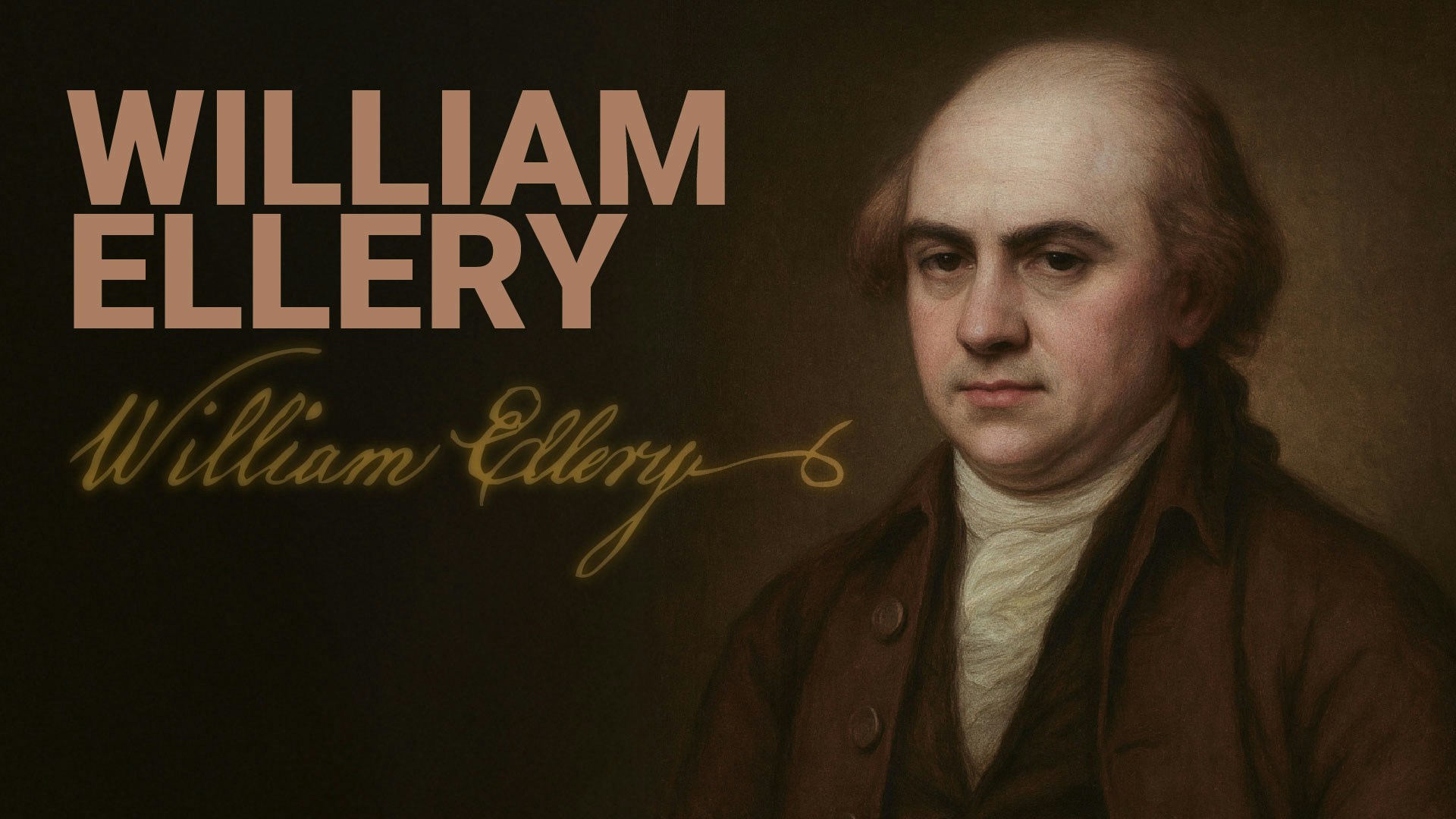
Born on December 22, 1727, in Newport, Rhode Island, Ellery followed in the footsteps of his father, a prominent merchant and political leader, attending Harvard at the age of 16. After graduating in 1747, he returned home and tried his hand at…
01:54
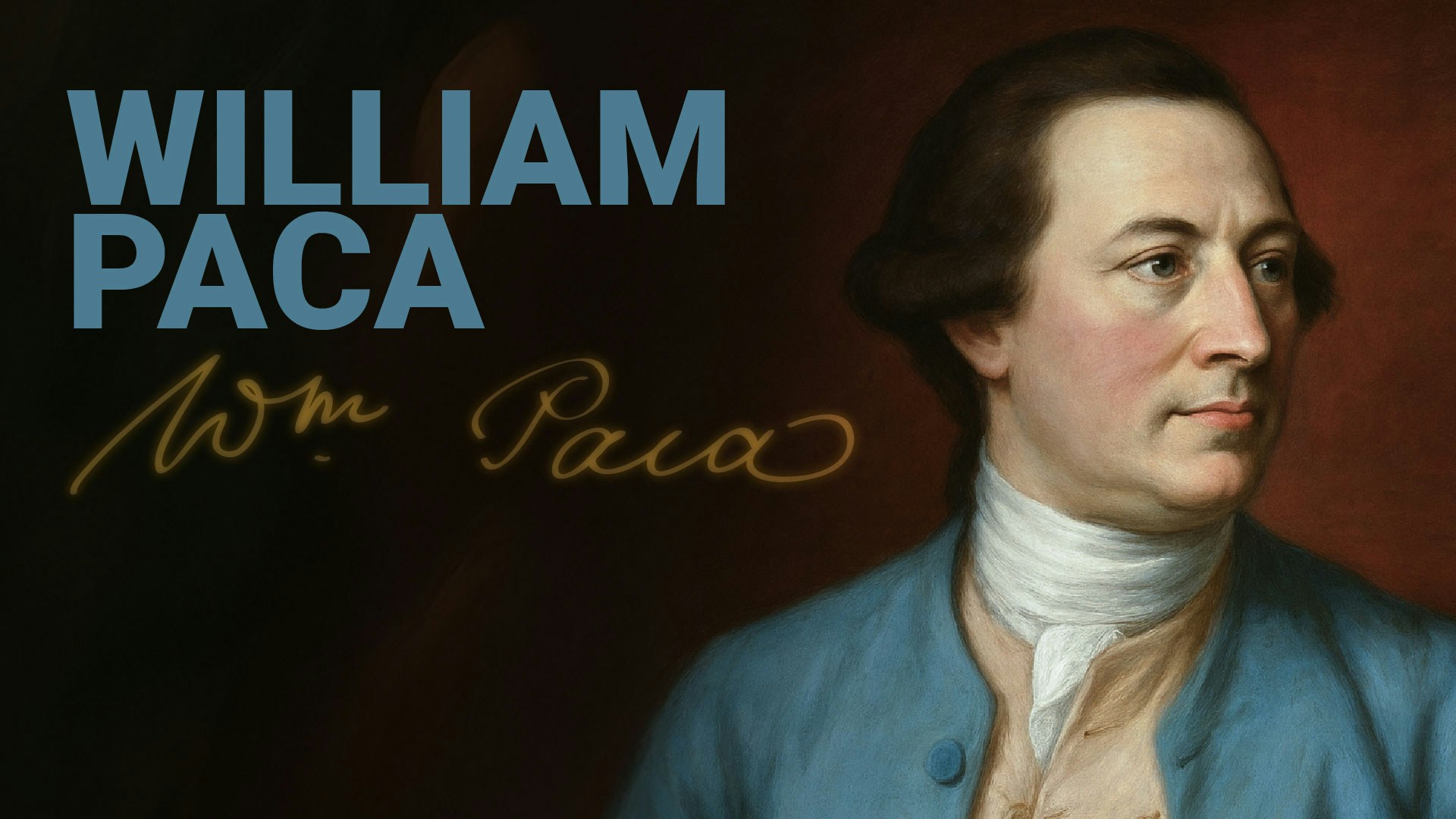
A respected lawyer, jurist, and public servant, William Paca was known for his quiet, razor-sharp logic and strategy—and his impact on Maryland politics before, during, and after the War for Independence. Born in 1740 near Abingdon, Maryland to a…
01:57
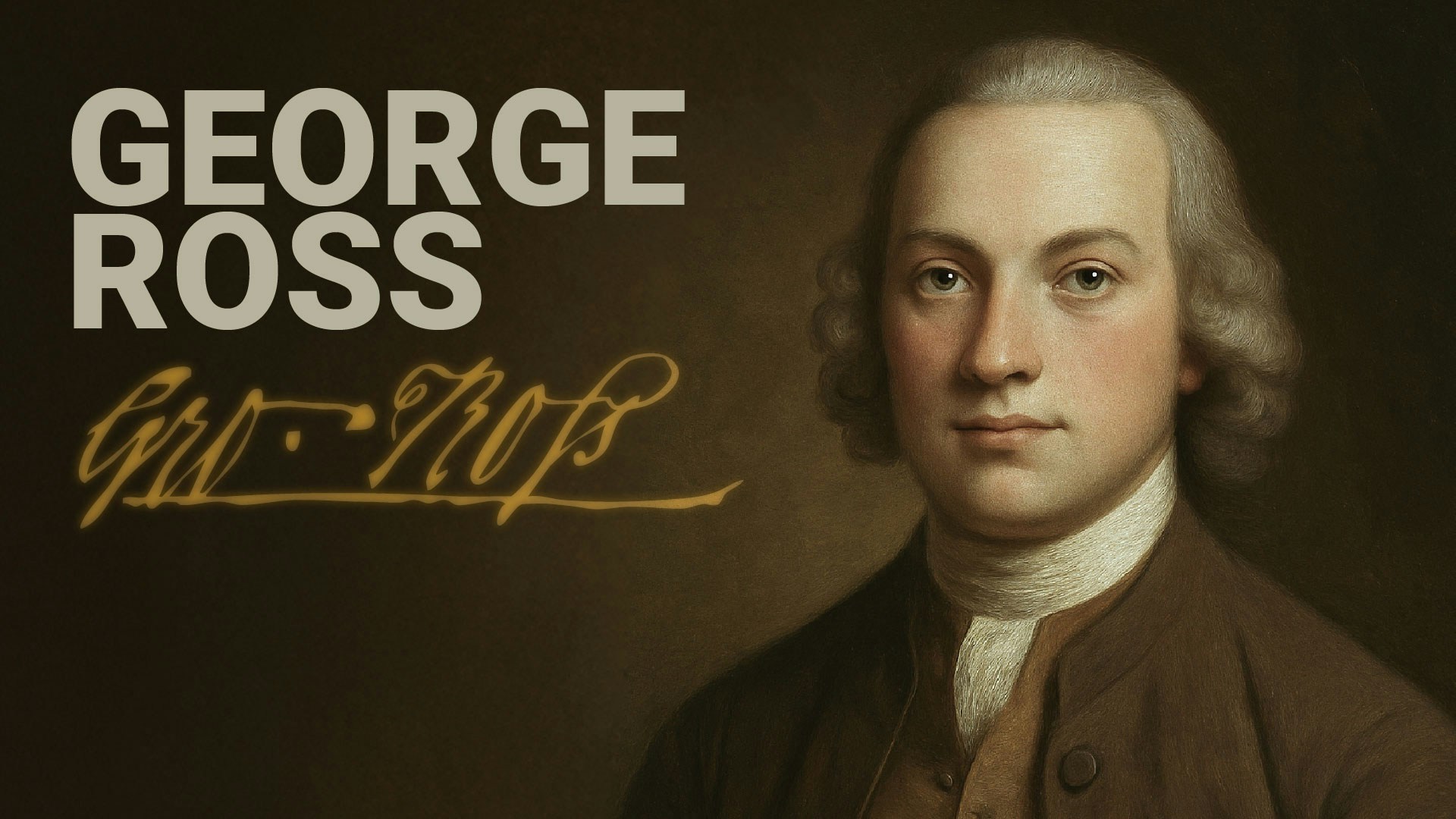
Born in New Castle, Delaware, George Ross was raised in a very large family. He received a classical education at home before studying law in Philadelphia under his brother, John Ross.
01:36
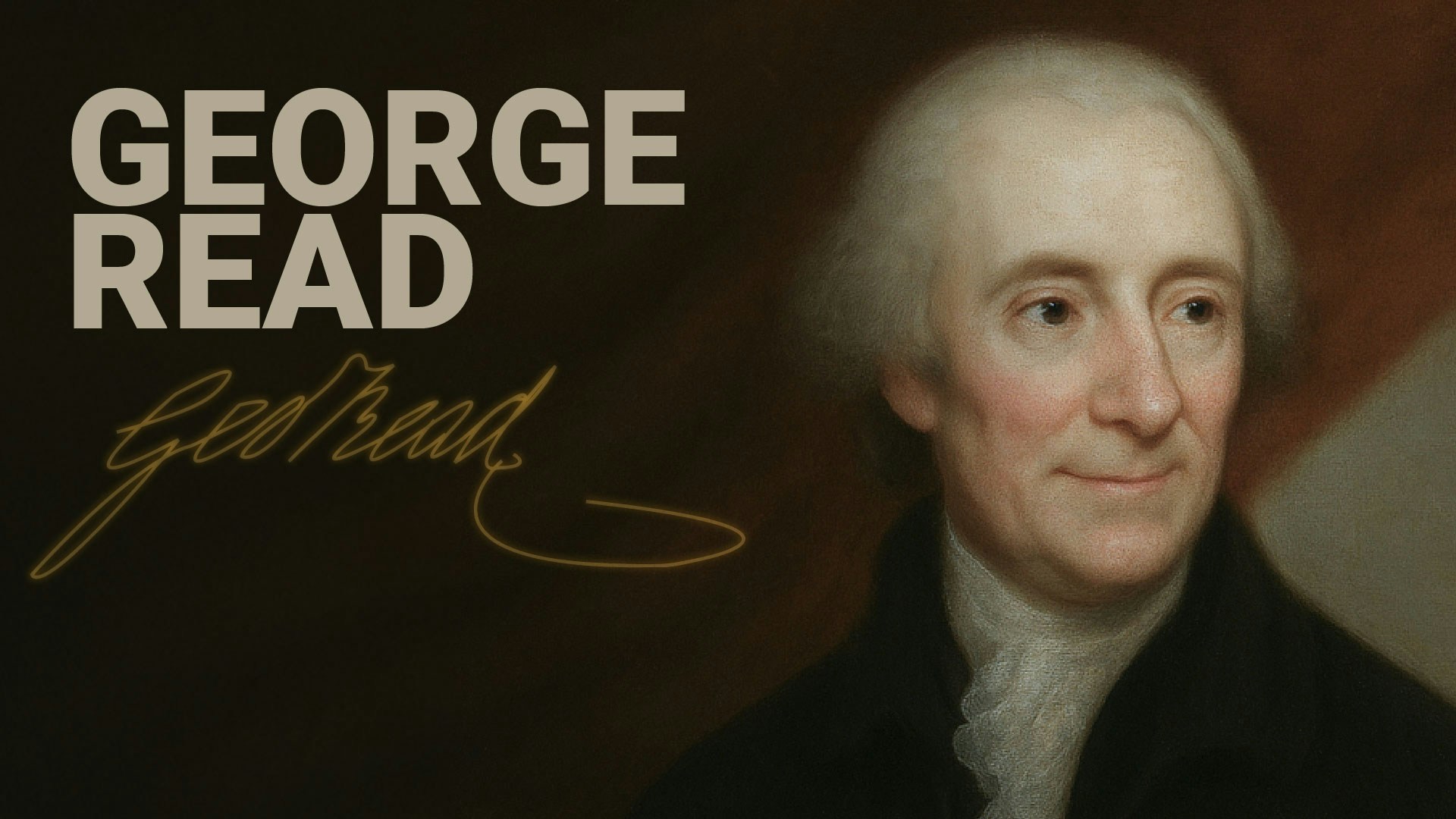
George Read, born on September 18, 1733, in Cecil County, Maryland, was a self-made lawyer and patriot who helped shape the foundation of American government.
01:24
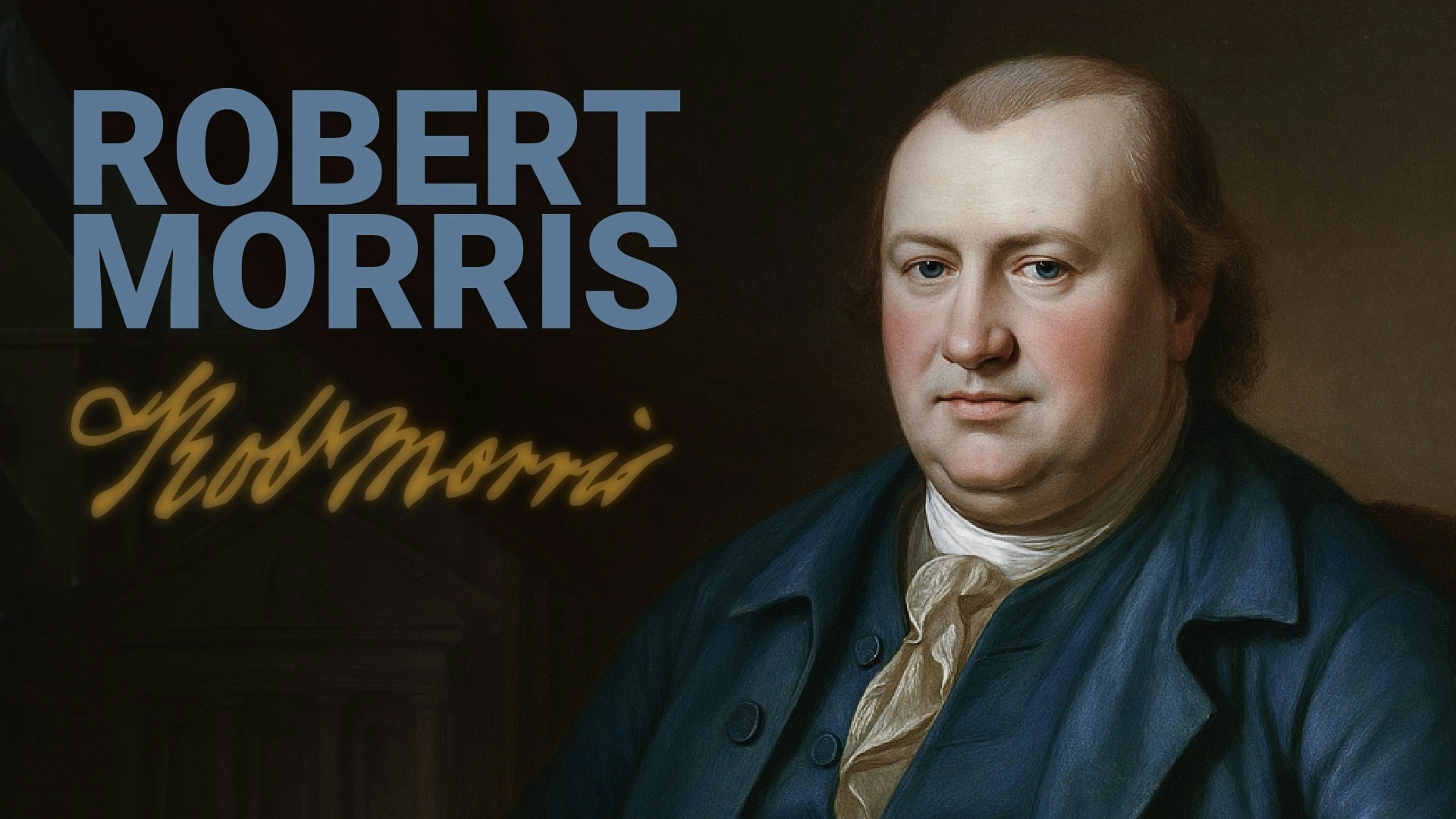
Known as “Financier of the Revolution,” Robert Morris was indispensable to the cause of American Independence—using his commercial and financial brilliance to almost single-handedly propel American war efforts through to final victory. In January…
01:52
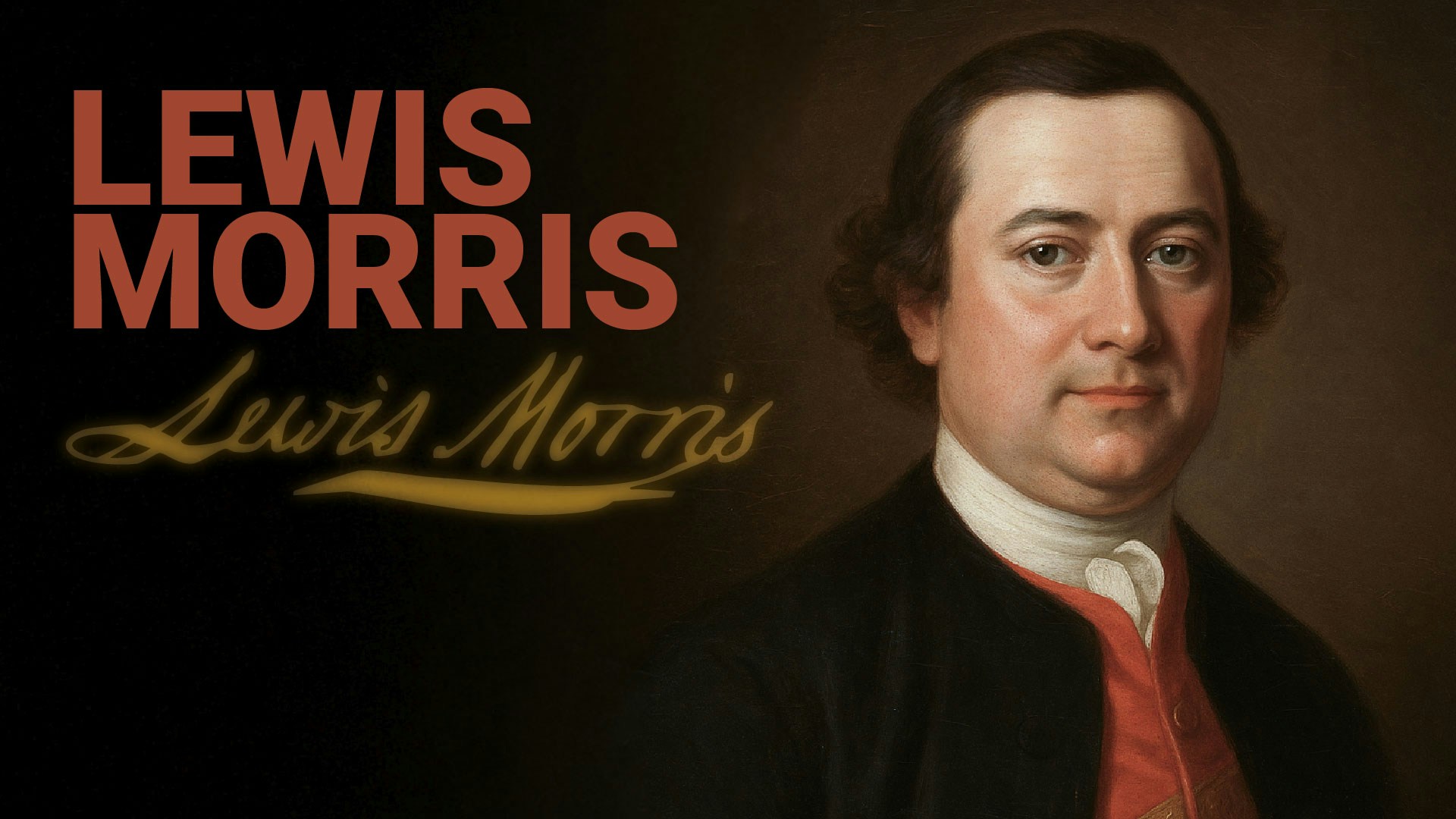
Born in Westchester County, New York, Lewis Morris attended Yale College. He married Mary Walton and they had ten children together. As the eldest son, Morris acquired his father’s estate at Morrisania, New York.
01:48
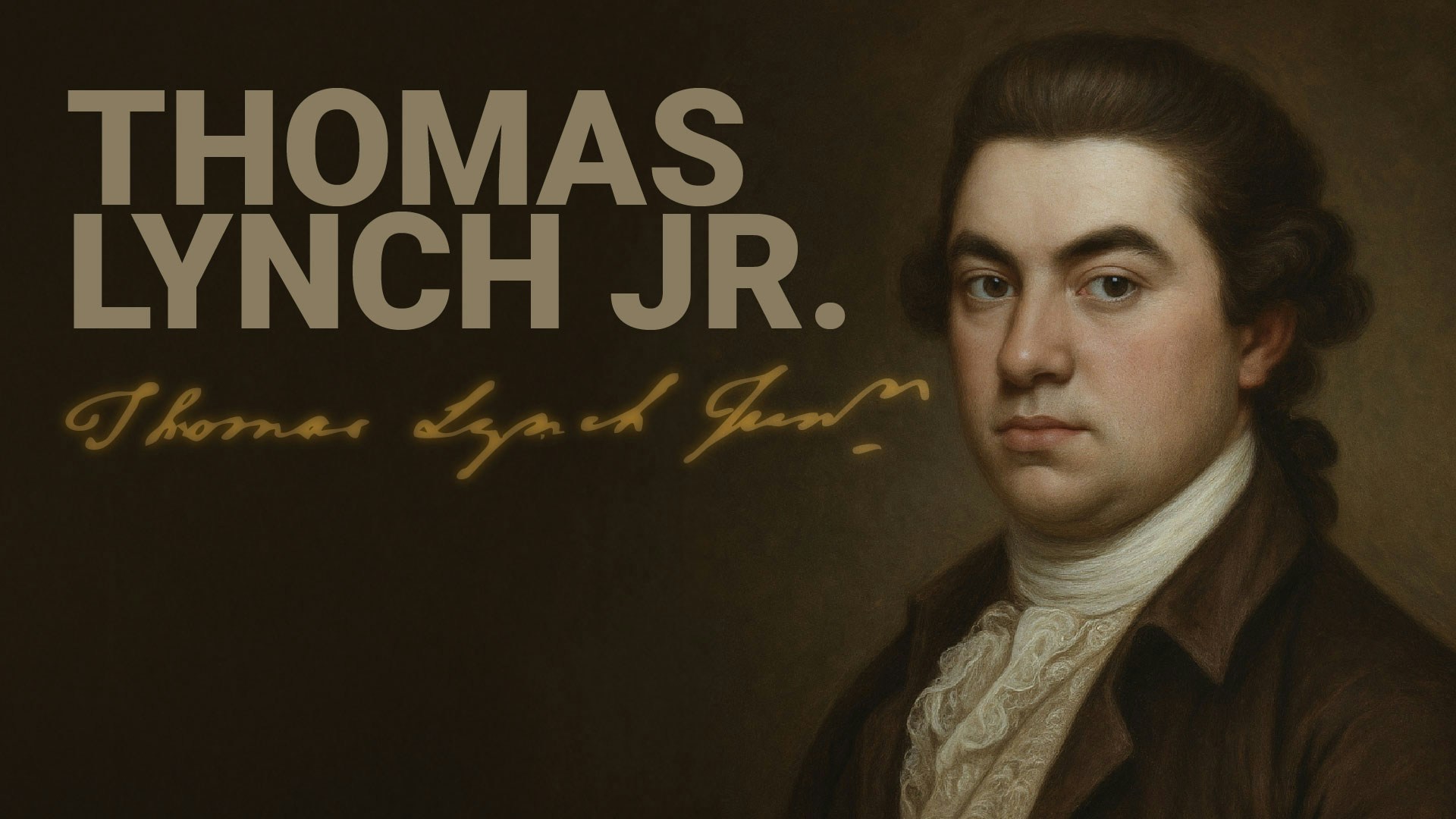
Thomas Lynch Jr. was a scholar, legislator, farmer, soldier, and patriot who gave his life and family to the cause of American independence.
02:10
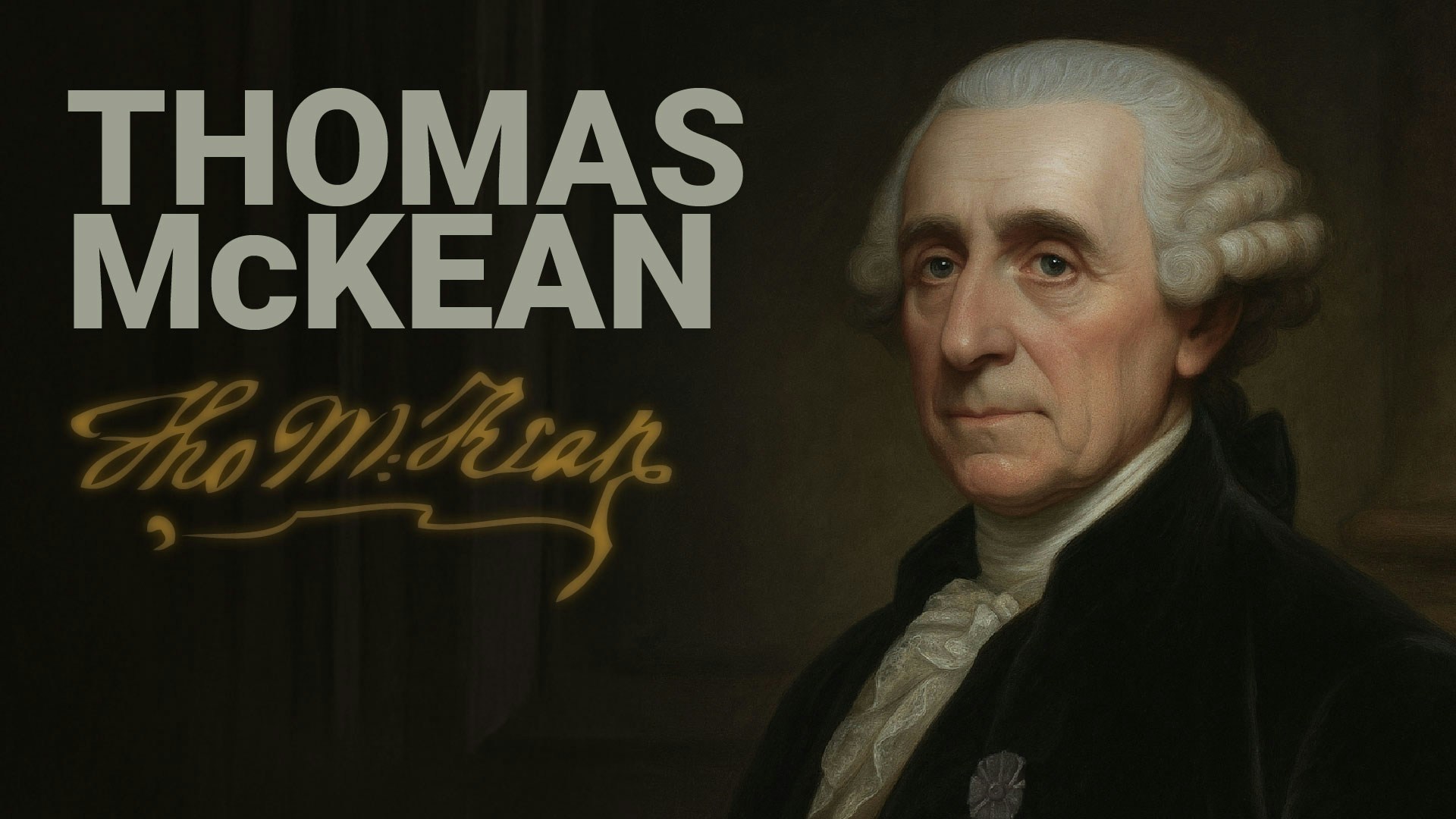
Thomas McKean was a lifelong public servant, statesman, and jurist who helped shape early American government. He was born on March 19, 1734, in Chester County, Pennsylvania, the son of an innkeeper and farmer.
02:04
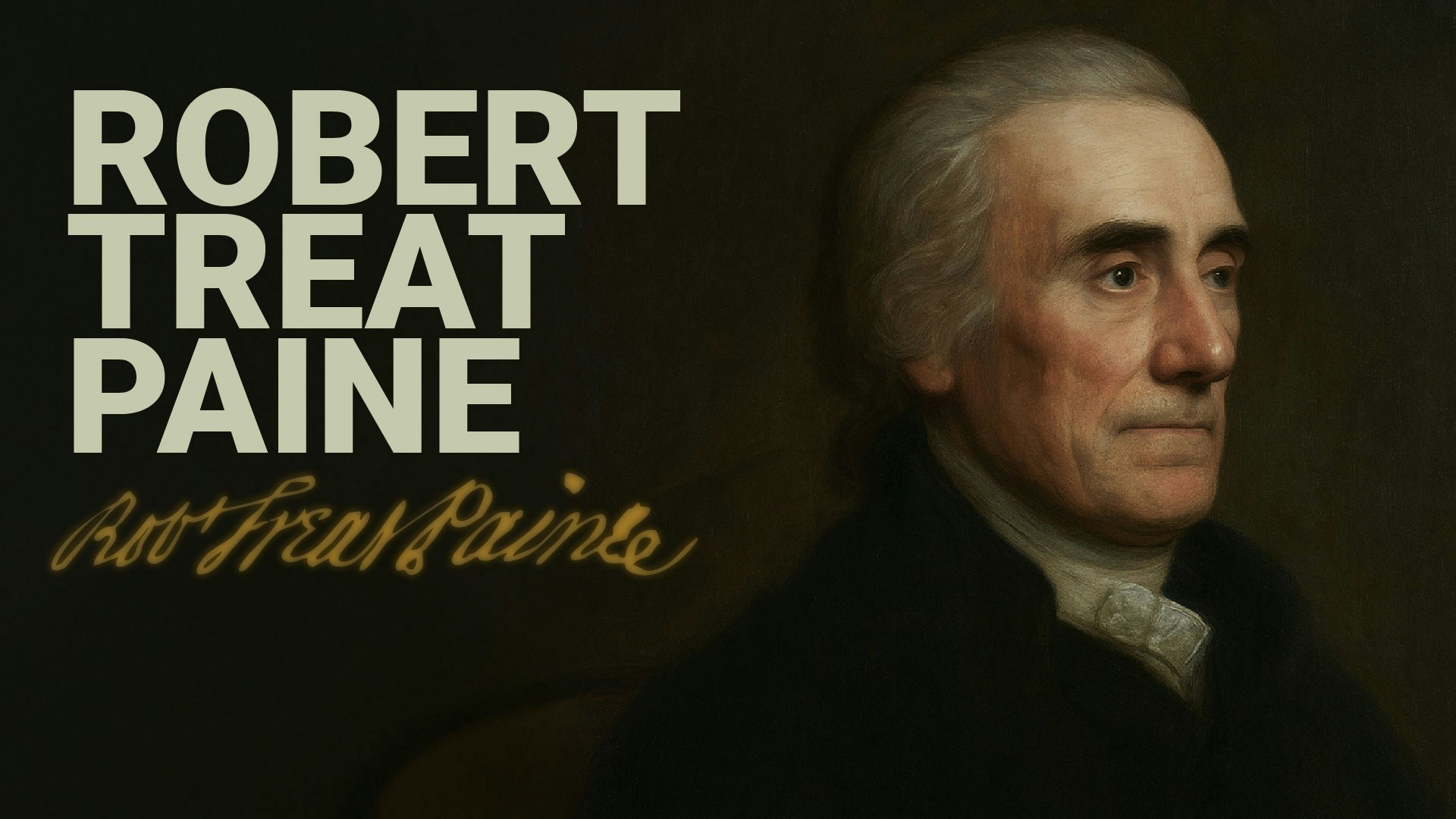
Of the four signers from Massachusetts, Robert Treat Paine is lesser known today than John Hancock, John Adams, and Samuel Adams, yet he left a lasting mark on the founding of the United States. Born on March 11, 1731, in Boston, Massachusetts…
01:46
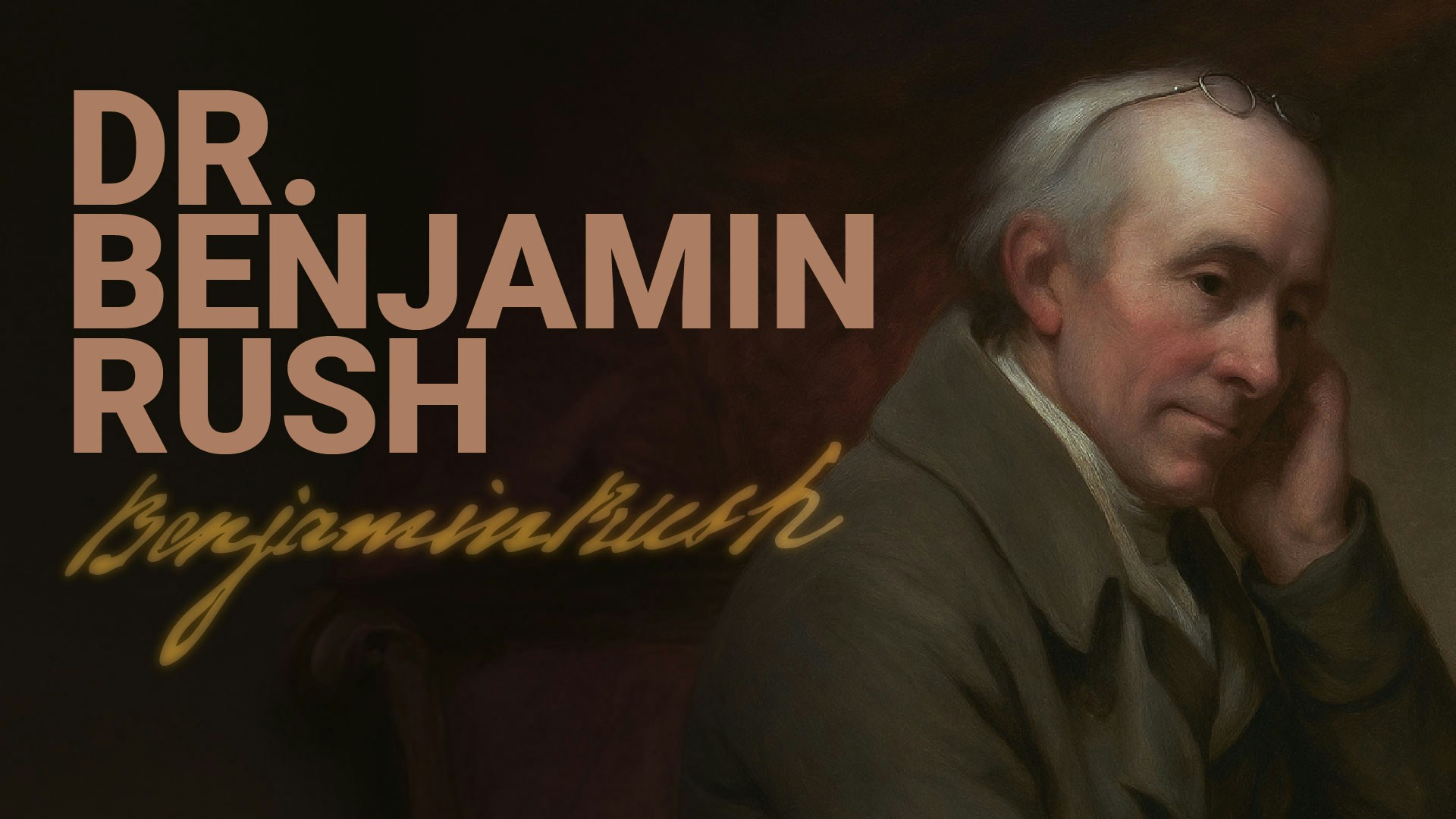
A Physician, an abolitionist, and an early adopter of the cause for independence, Dr. Benjamin Rush was one of the most influential founding fathers.
01:58
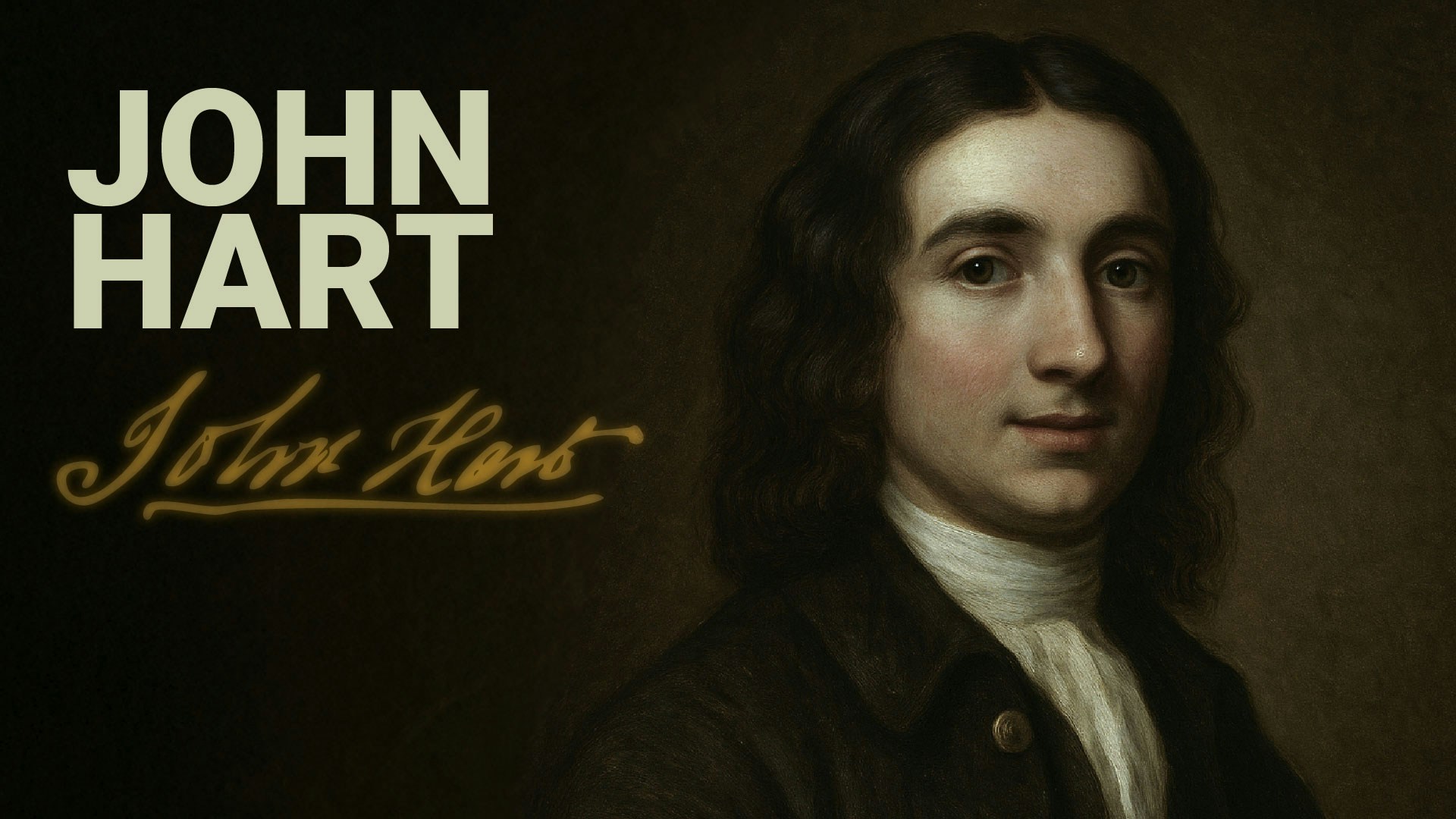
John Hart was born in Stonington, Connecticut, in 1713. His father, Edward Hart, was a farmer, justice of the peace, and public assessor. Soon after John’s birth, the family moved to Hopewell, New Jersey, where Hart would reside for the rest of his…
02:29
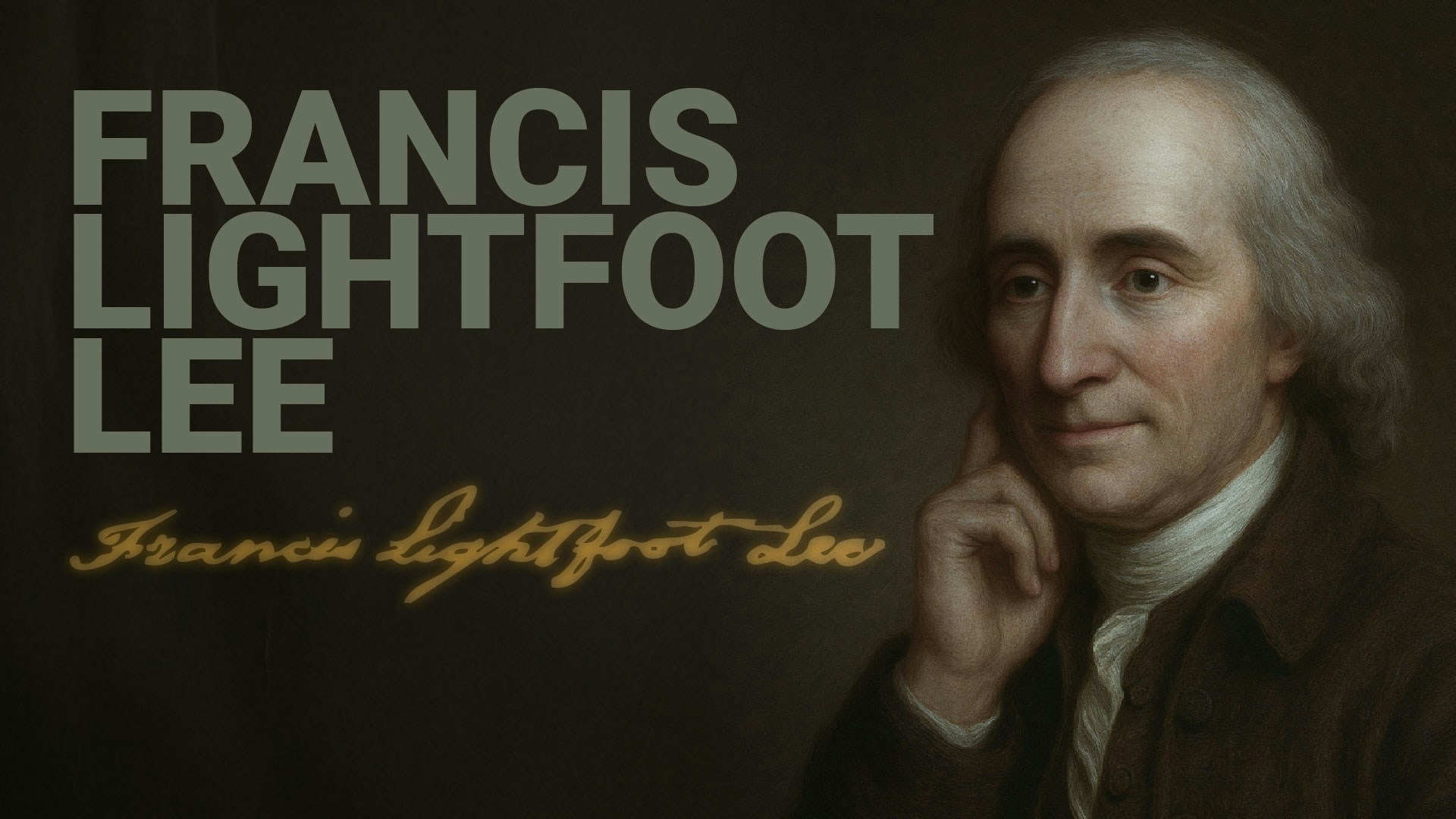
Francis Lightfoot Lee was born on October 14, 1734, at Stratford Hall Plantation, Virginia, into the prominent Lee family, a political dynasty with roots in America dating back to the 1630s. Raised on his father’s tobacco plantation, Lee was…
01:53
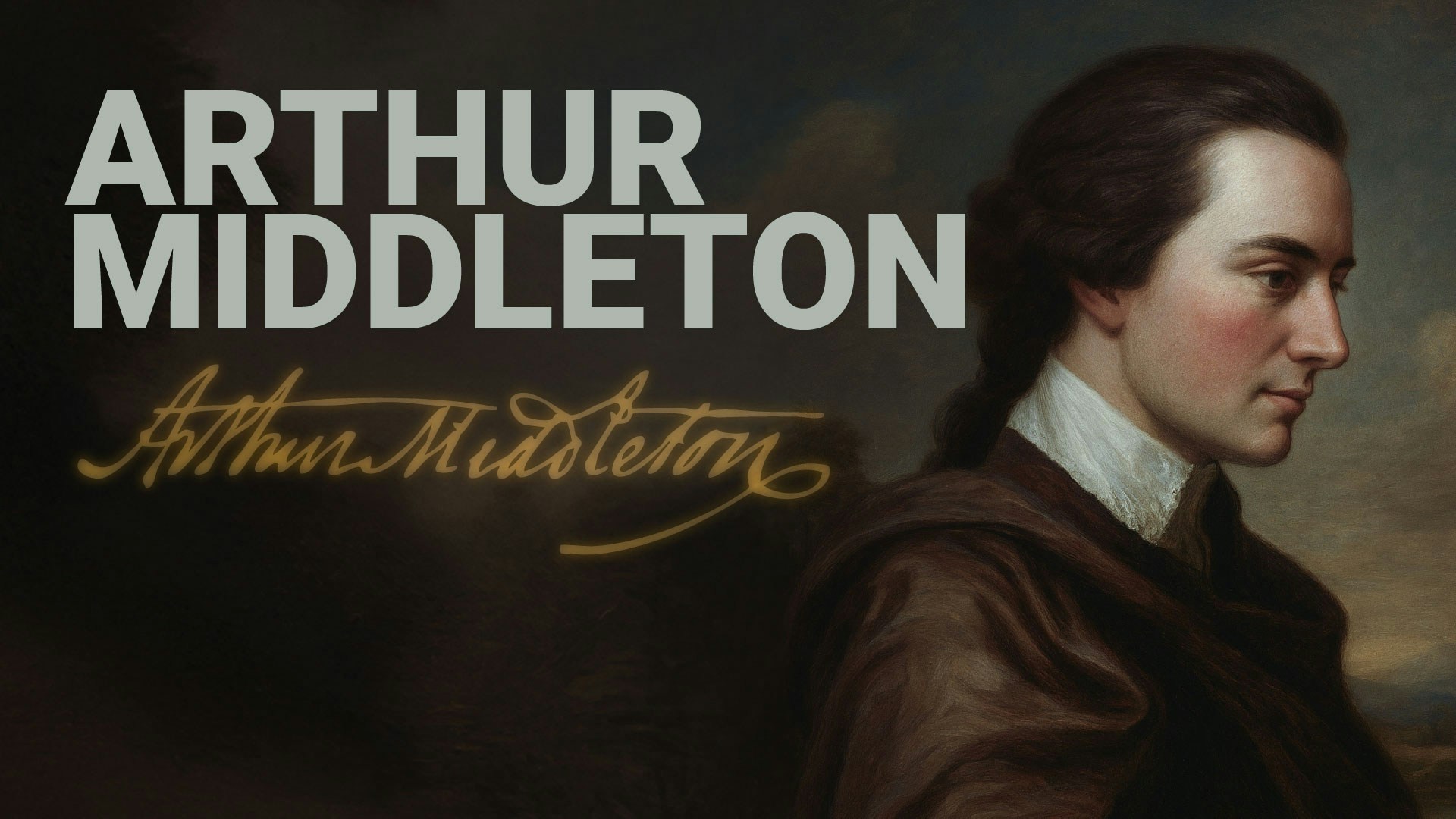
Arthur Middleton was a South Carolinian patriot who fiercely defended his colony’s interests and supported radical measures against British rule.
01:58
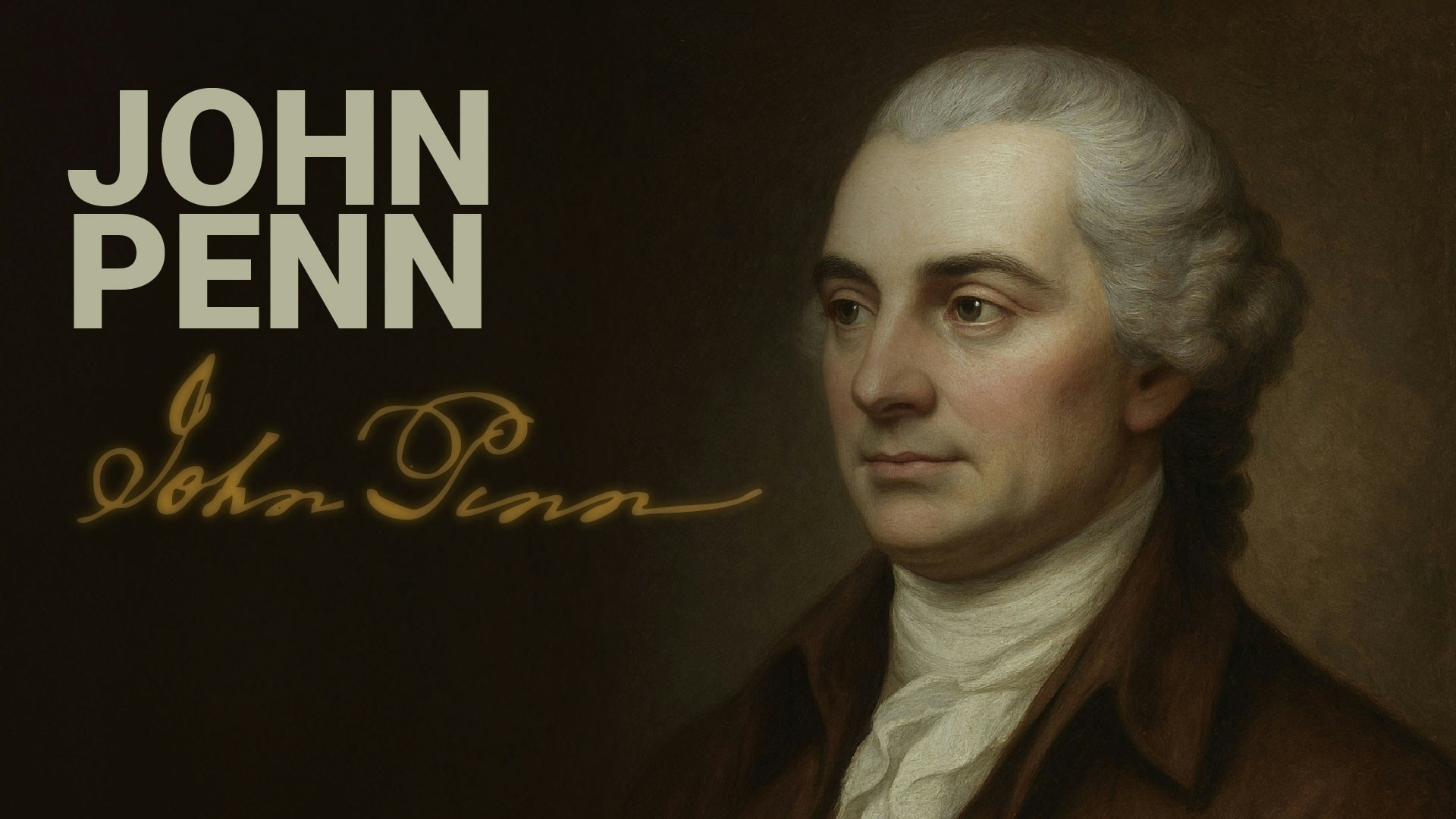
John Penn, born May 17, 1741, in Caroline County, Virginia, emerged from an upbringing of little formal education to eventually become one of just 56 men to etch his name on the Declaration of Independence. After his father died in 1759, Penn…
01:48
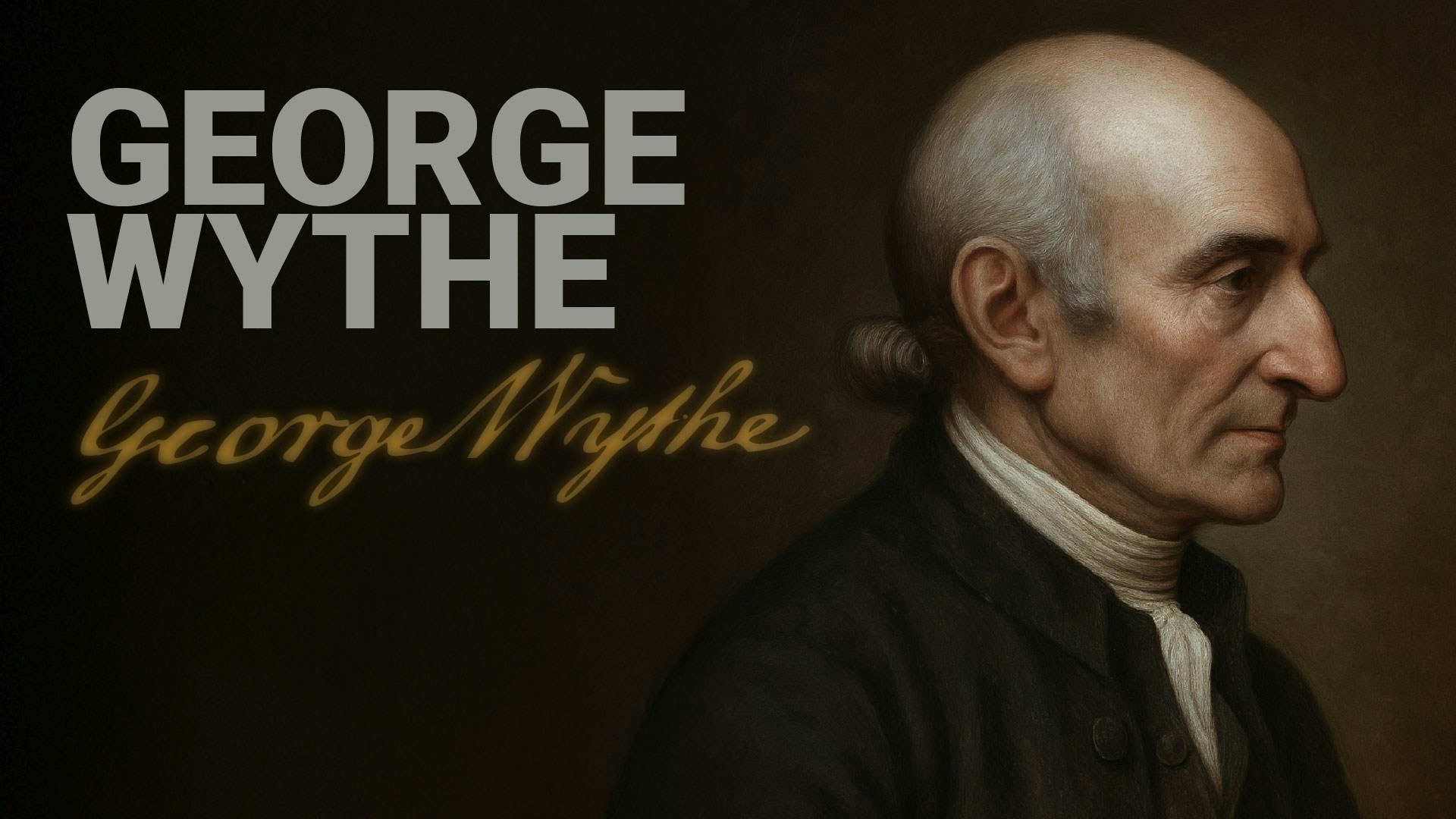
George Wythe was a lawyer, judge, professor, and influential Founding Father whose contributions shaped the legal and political foundations of the United States. Born in 1726 in Elizabeth City County, Virginia, Wythe attended the College of William…
01:41
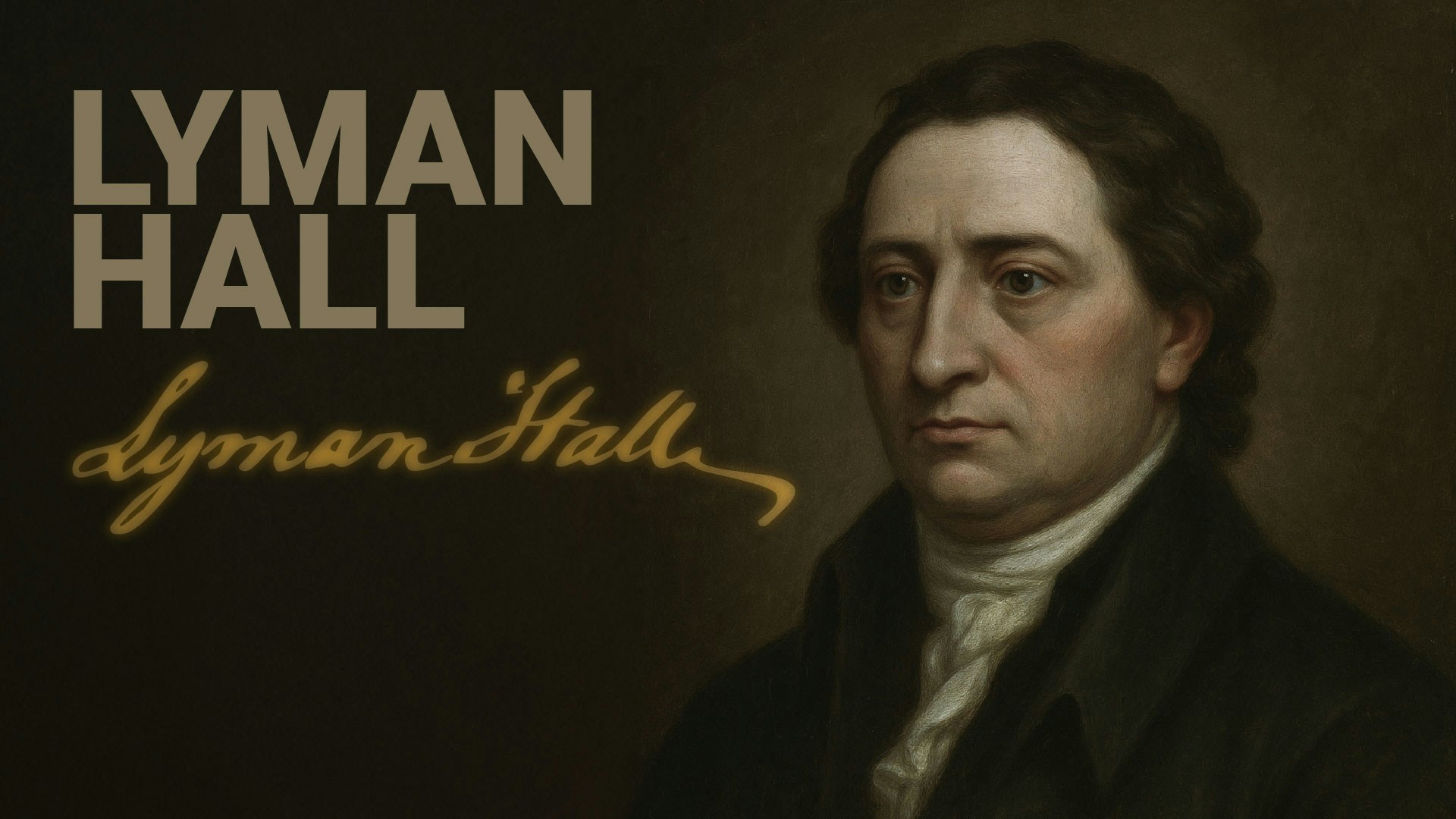
Lyman Hall was born in Wallingford, Connecticut, on April 12, 1724, as the fourth of eight children. He pursued his studies at Yale College, where he graduated in 1747.
01:47
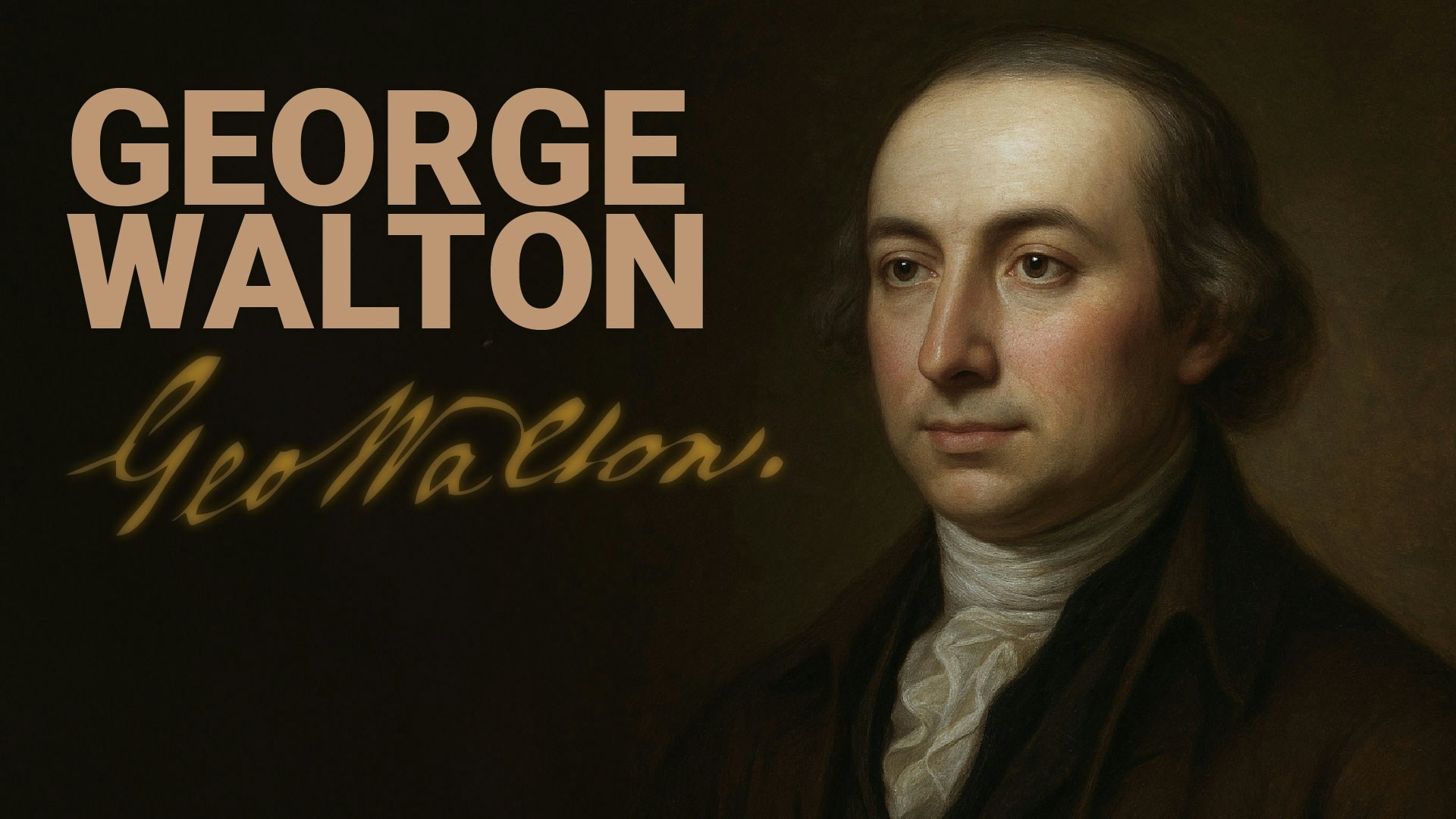
George Walton was born in Virginia and orphaned as a young child. Raised by an uncle with thirteen children, Walton taught himself by firelight at night while apprenticing as a carpenter.
02:11
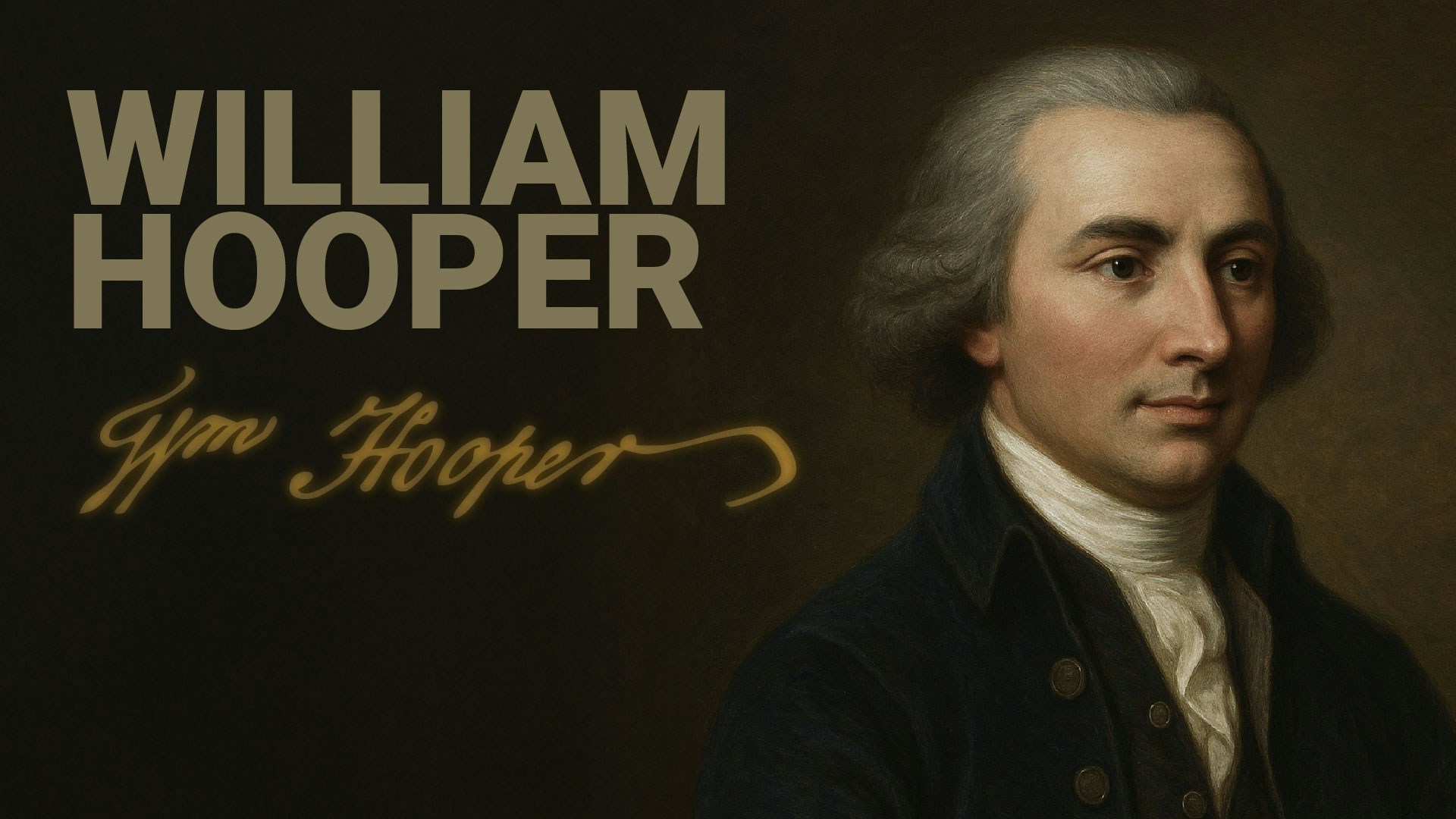
William Hooper, born in June 1742 in Boston, Massachusetts, was a reluctant revolutionary. Raised by devoutly religious parents, his upbringing often placed him at odds with the growing revolutionary sentiment. After attending Boston Latin School…
01:51
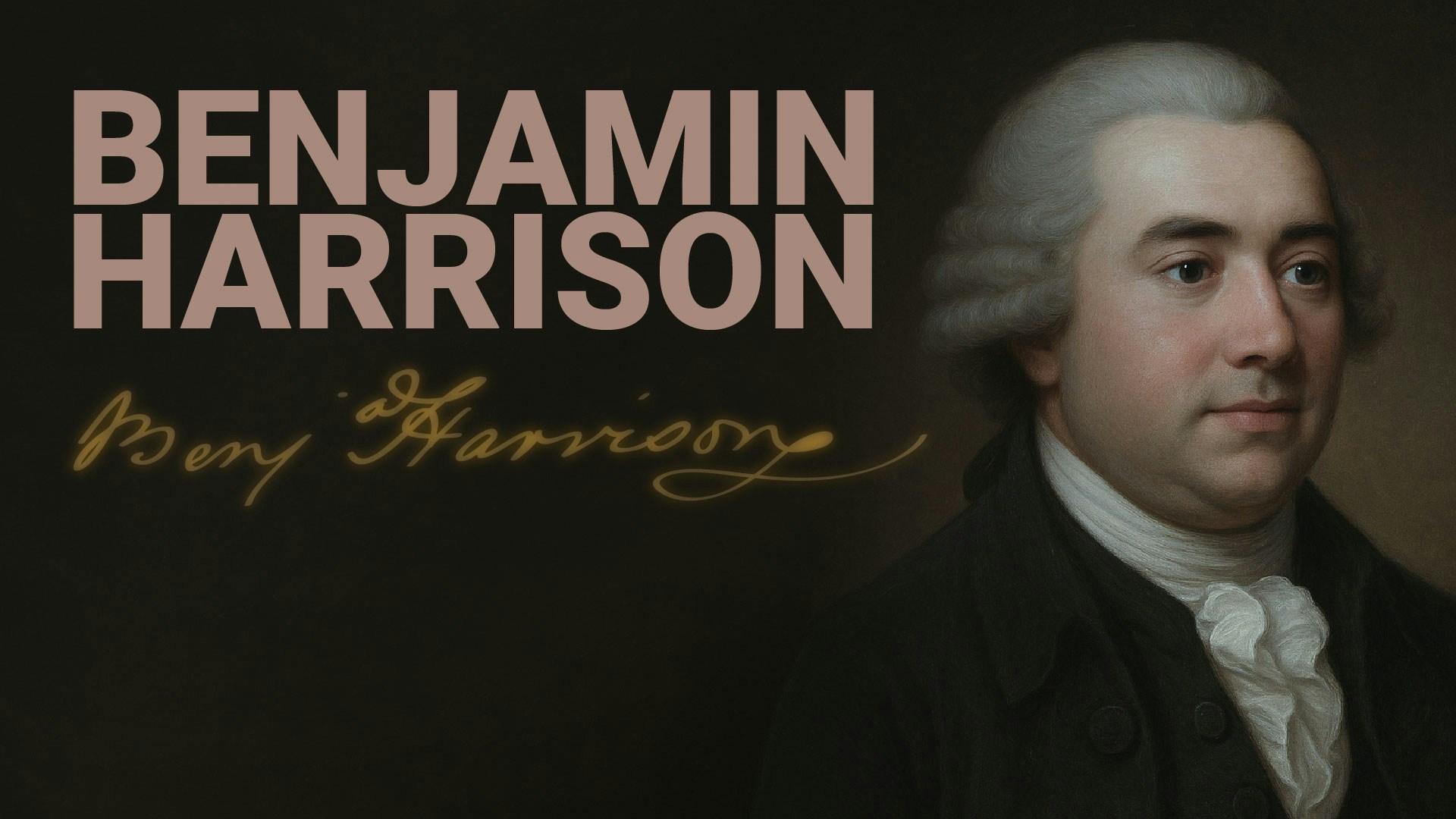
Benjamin Harrison V was born on April 5, 1726, at Berkeley Plantation in Virginia. His father, Benjamin Harrison IV, held public office as both the Sheriff of Charles City County and a member of the House of Burgesses. Harrison attended William and…
01:29
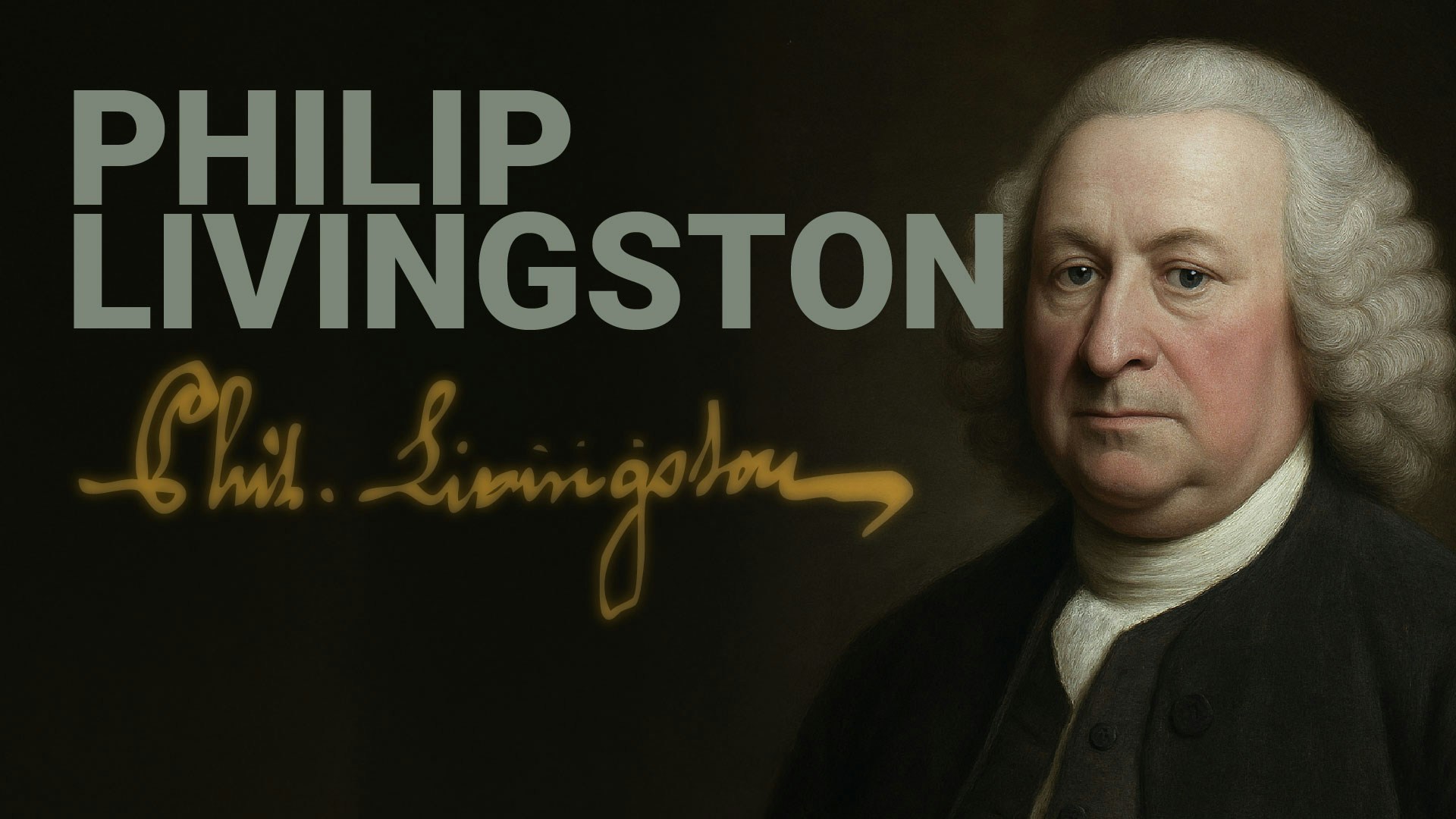
Philip Livingston, born on January 15, 1716, in Albany, New York, hailed from the wealthy and influential Livingston family. Philip spent his youth in opulent manor houses and townhomes before attending Yale College in the 1730s.
02:23
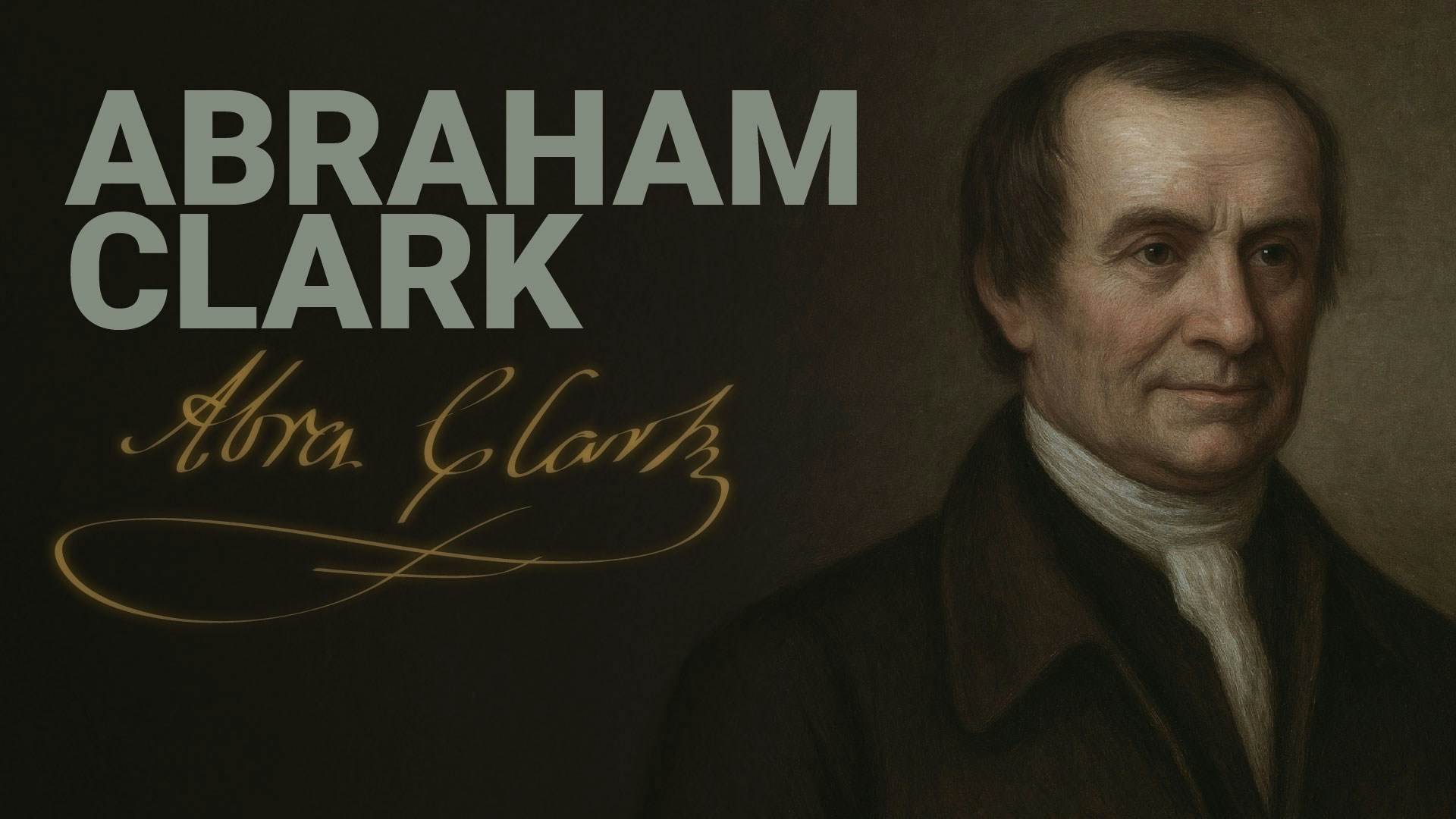
Abraham Clark was born on February 15, 1726, in present-day Elizabeth, New Jersey. With little formal education and chronic illnesses that made farm work difficult, he pursued independent study and developed strong skills in mathematics.
01:42
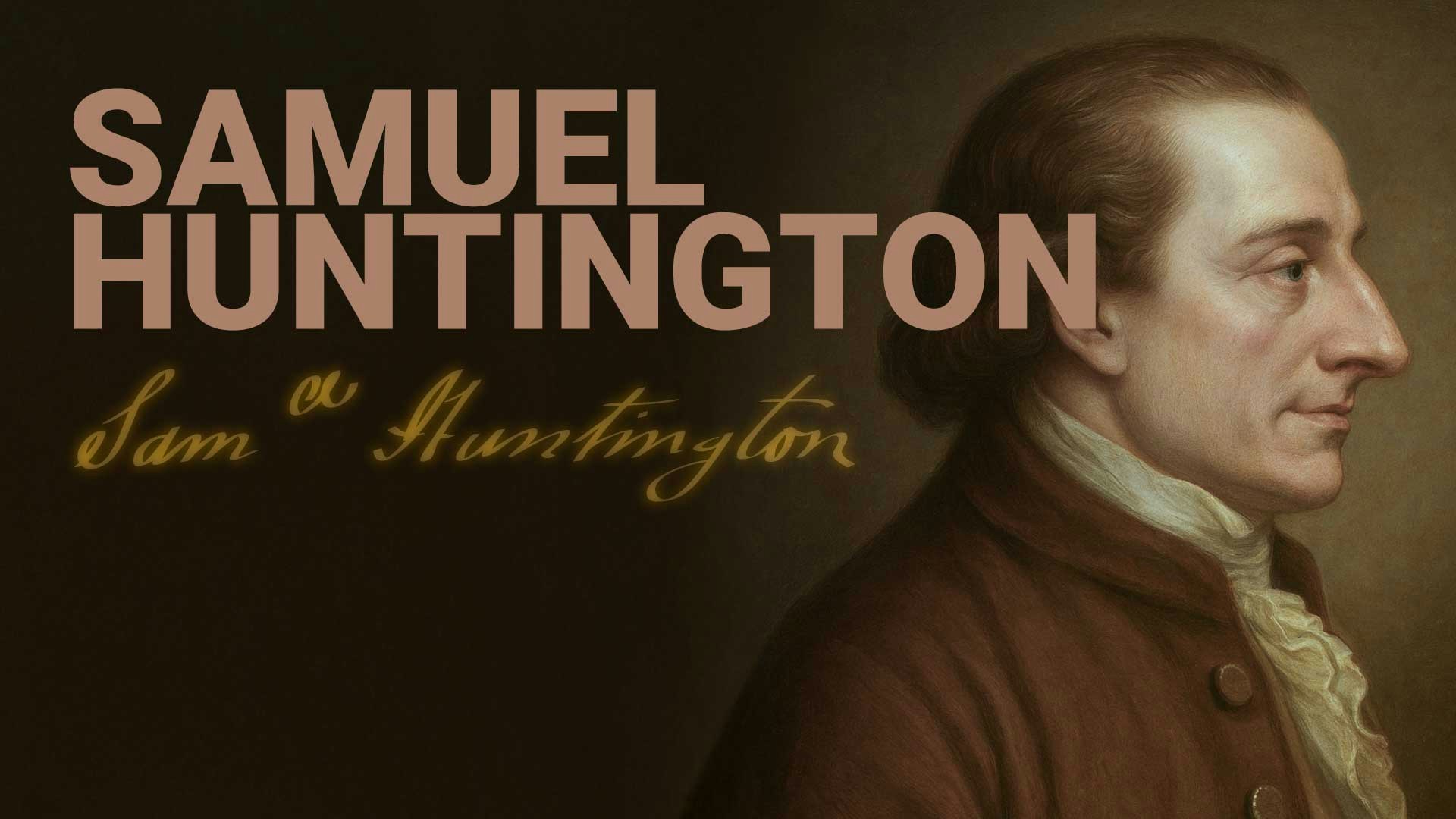
Samuel Huntington, born in July 1731 in Windham, Connecticut, was a lifelong public servant devoted to the cause of American independence.
02:06
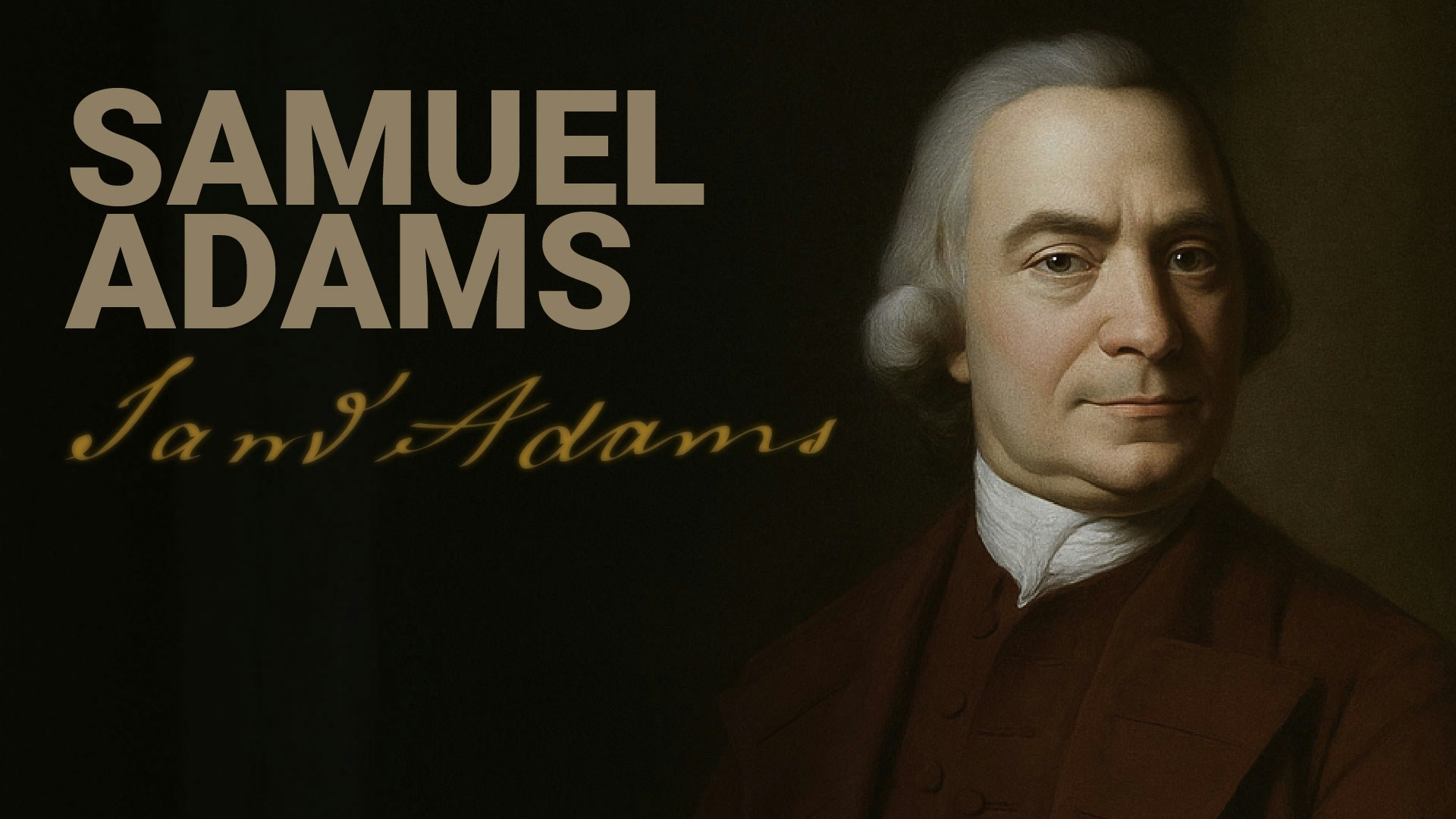
Samuel Adams, born on September 27, 1722, in Boston, Massachusetts, was a passionate and influential voice against British rule before and during the American Revolution.
01:48
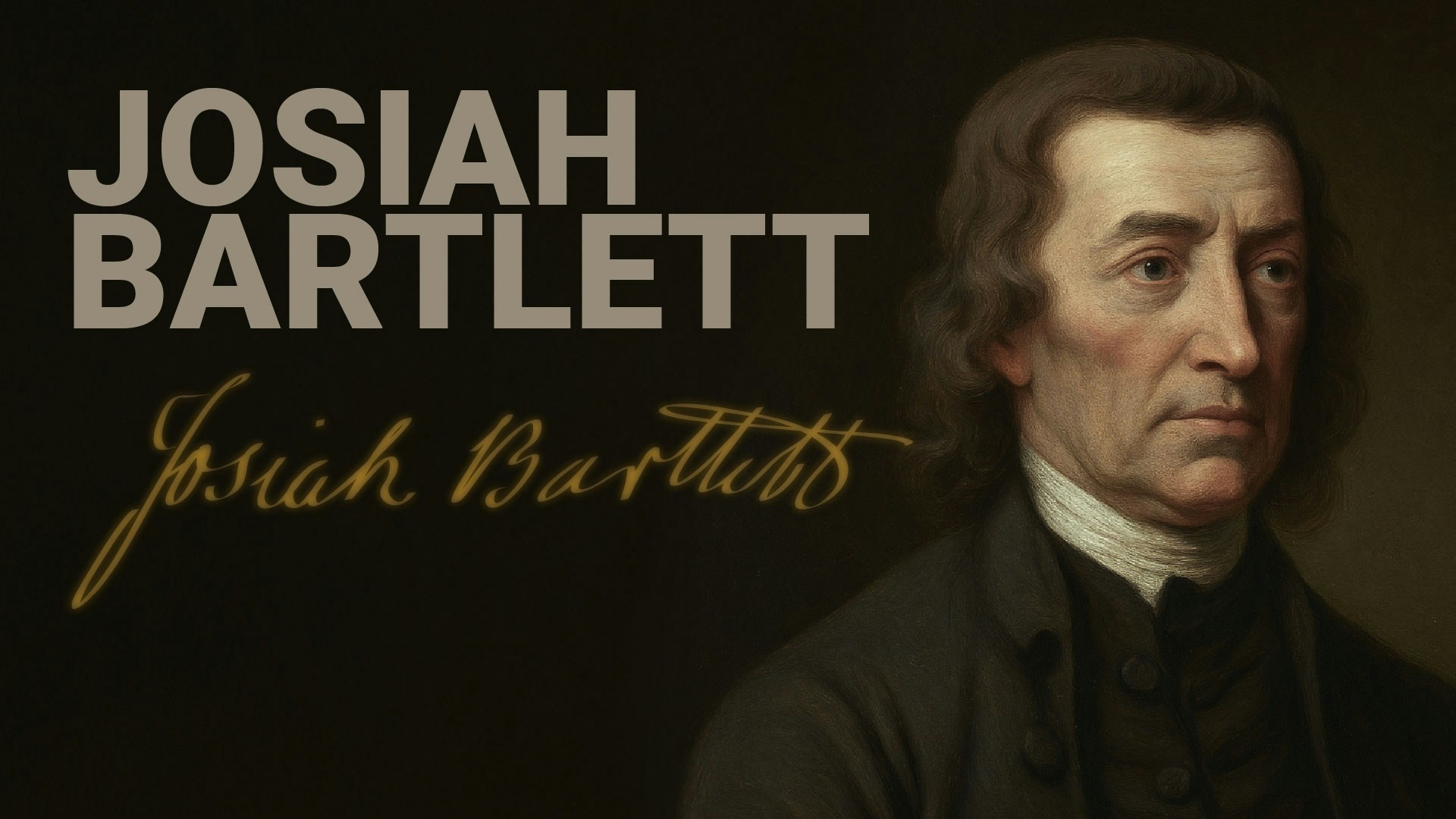
Josiah Bartlett was a physician, statesman, and Patriot whose intellect and vision earned him a place among the signers of the Declaration of Independence. Born on November 21, 1729, in Amesbury, Massachusetts, Bartlett began studying medicine at…
01:17
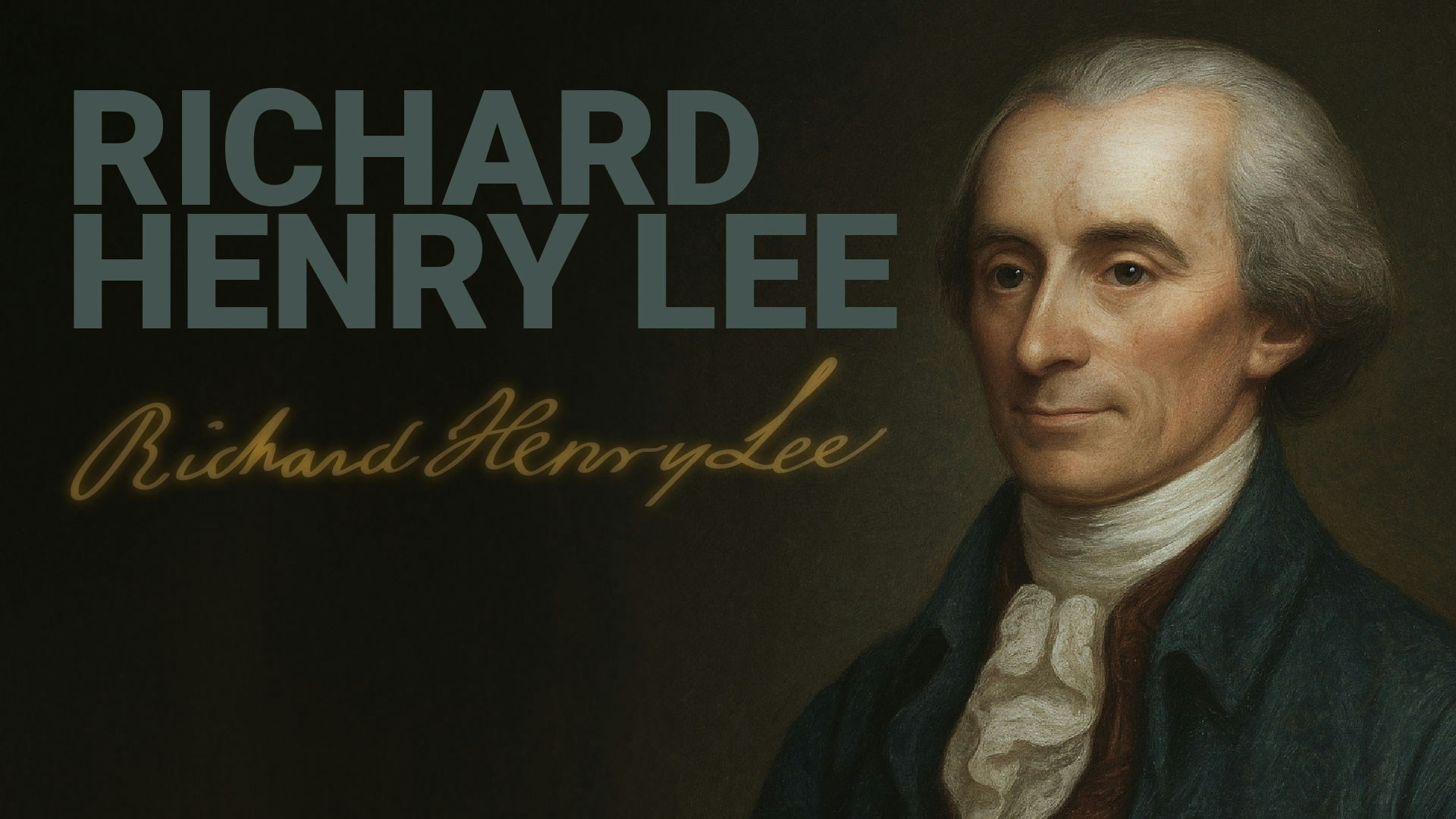
Richard Henry Lee, born on January 20, 1732, at Stratford Hall in Virginia, played an indispensable role for American independence. Over a long public life, he served in the Virginia House of Burgesses, as president of the Continental Congress, a…
01:39
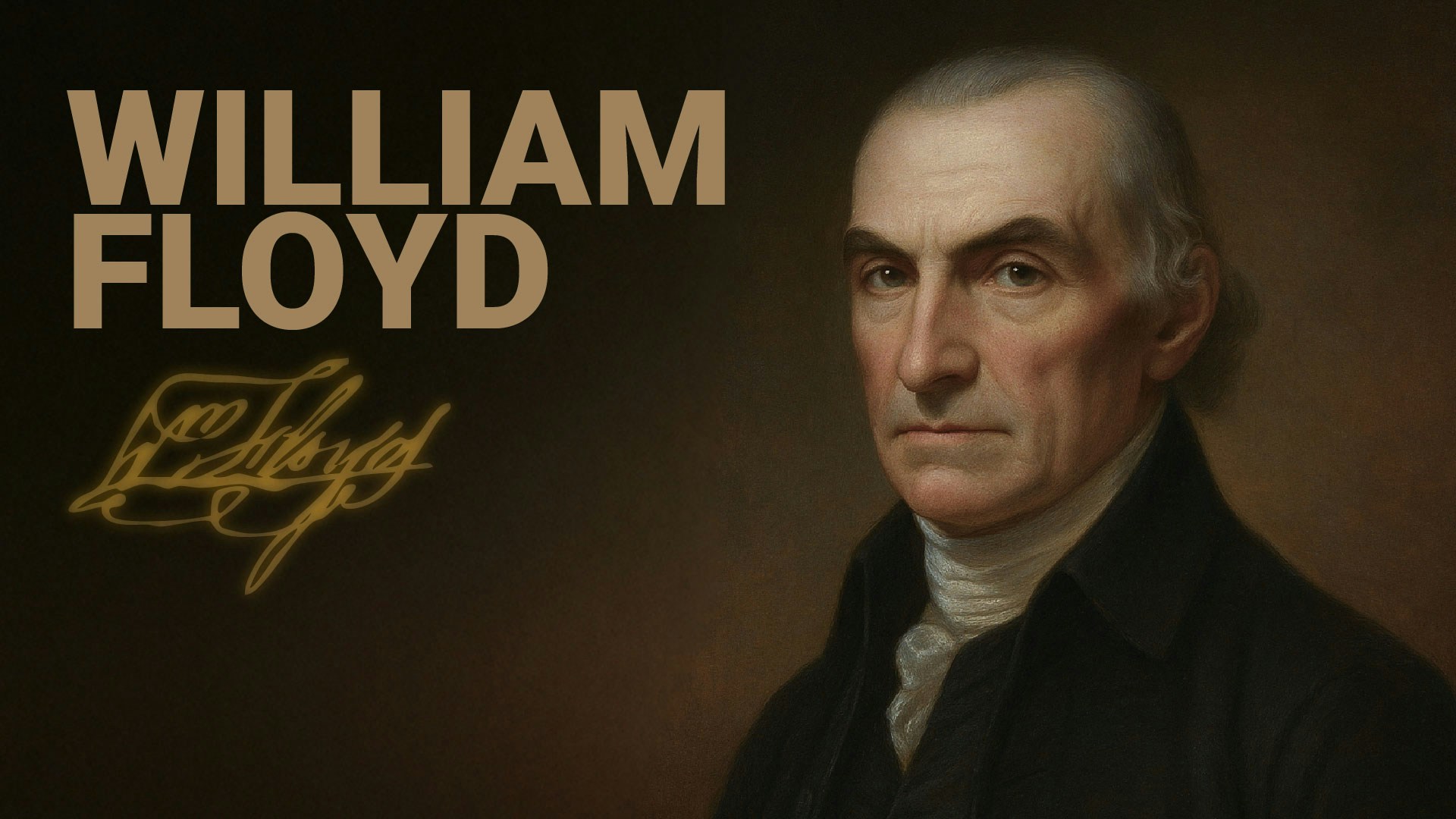
William Floyd was born on December 17, 1734, on Long Island, New York, the second of nine children. His father, a successful farmer of Welsh descent, raised the family with a strong work ethic and practical education.
01:54
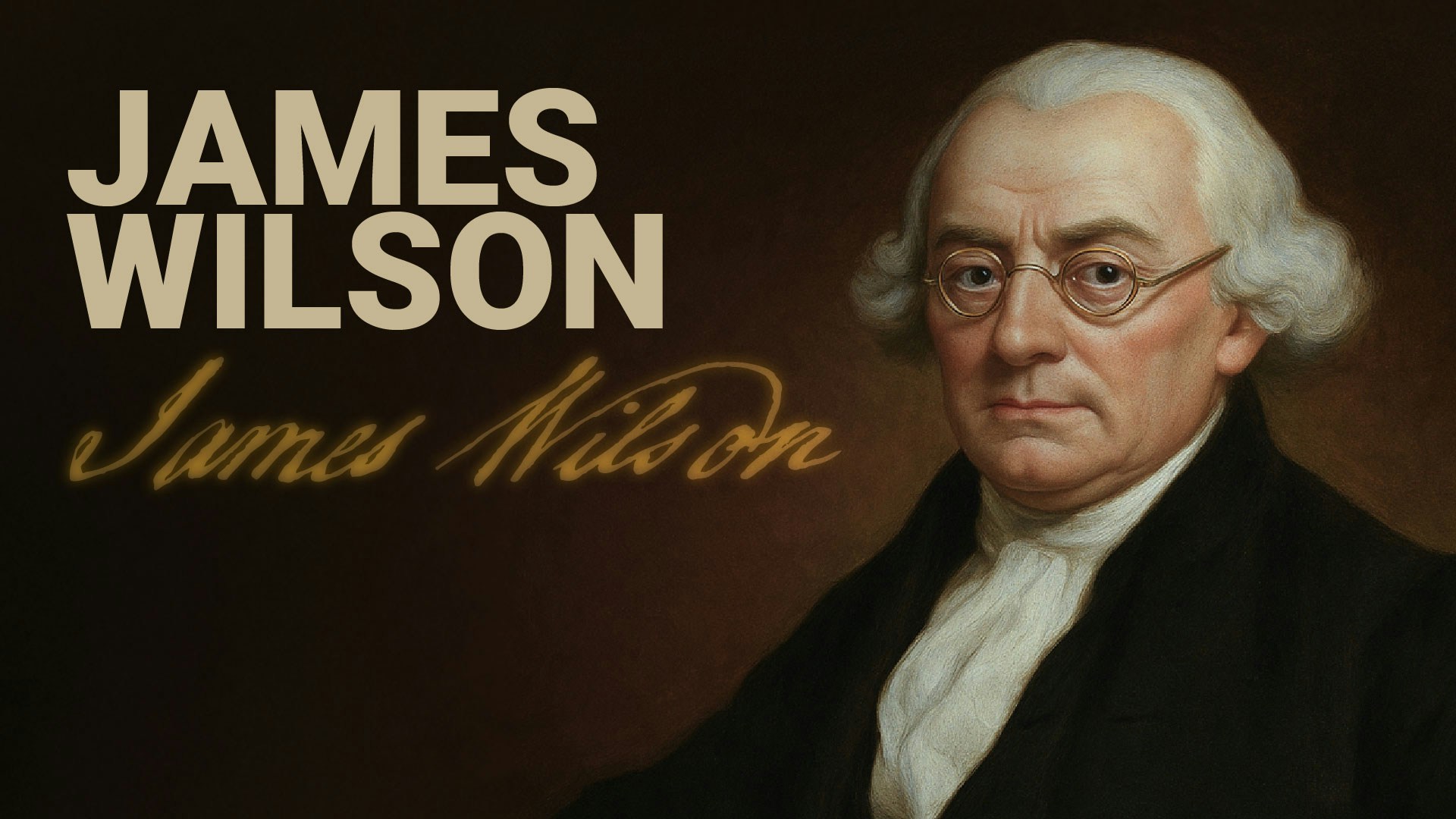
As the only individual to serve as Supreme Court Justice and sign both the Declaration of Independence and the U.S. Constitution, James Wilson played a pivotal role in America’s founding. A man from humble beginnings, Wilson was born in Carskerdo…
02:00
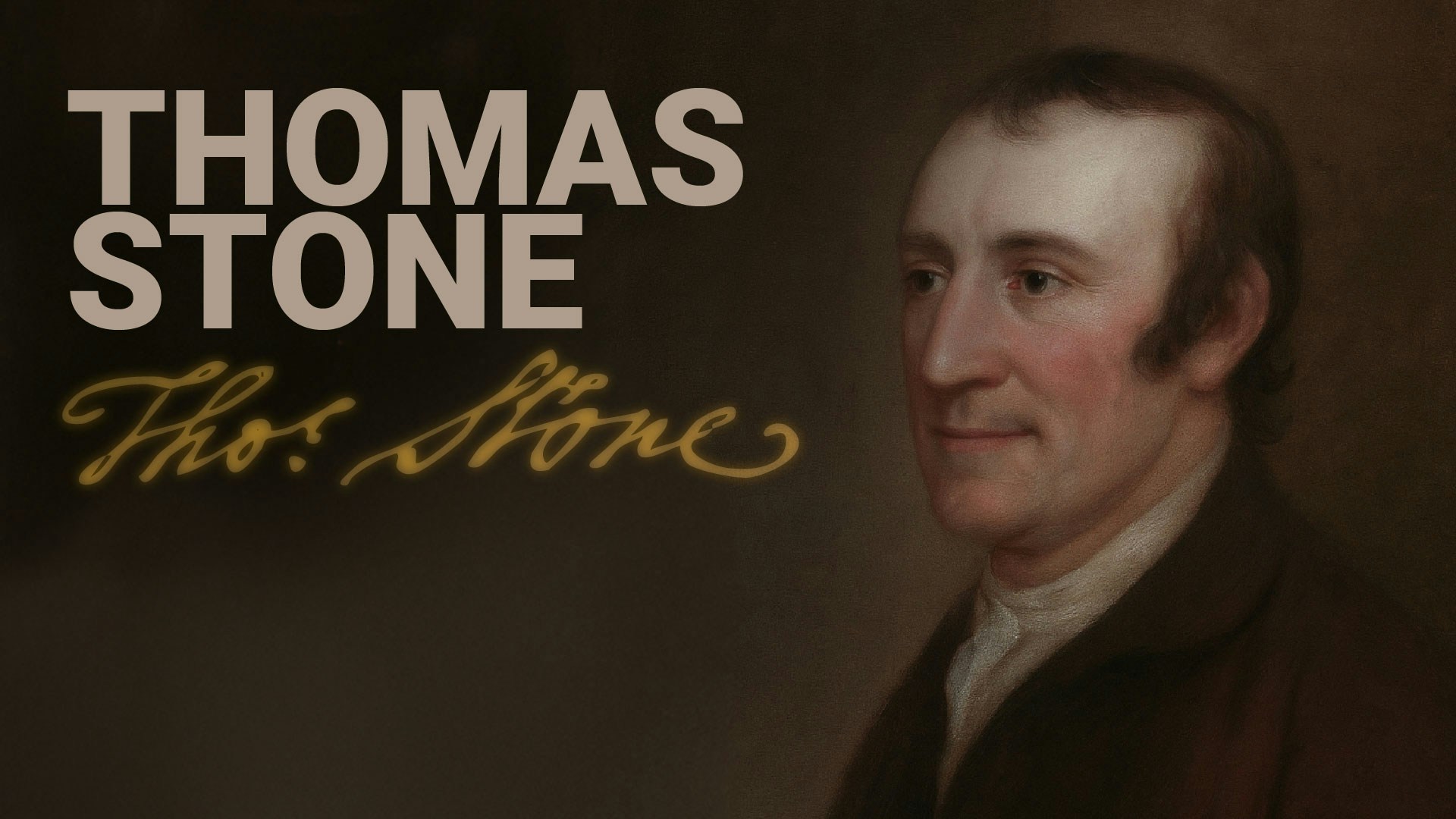
Thomas Stone was born in 1743, in Charles County, Maryland, to a wealthy planter family. After completing preparatory studies in classics, he pursued law in Annapolis under Thomas Johnson, who would become Maryland's first state governor. Admitted…
01:57
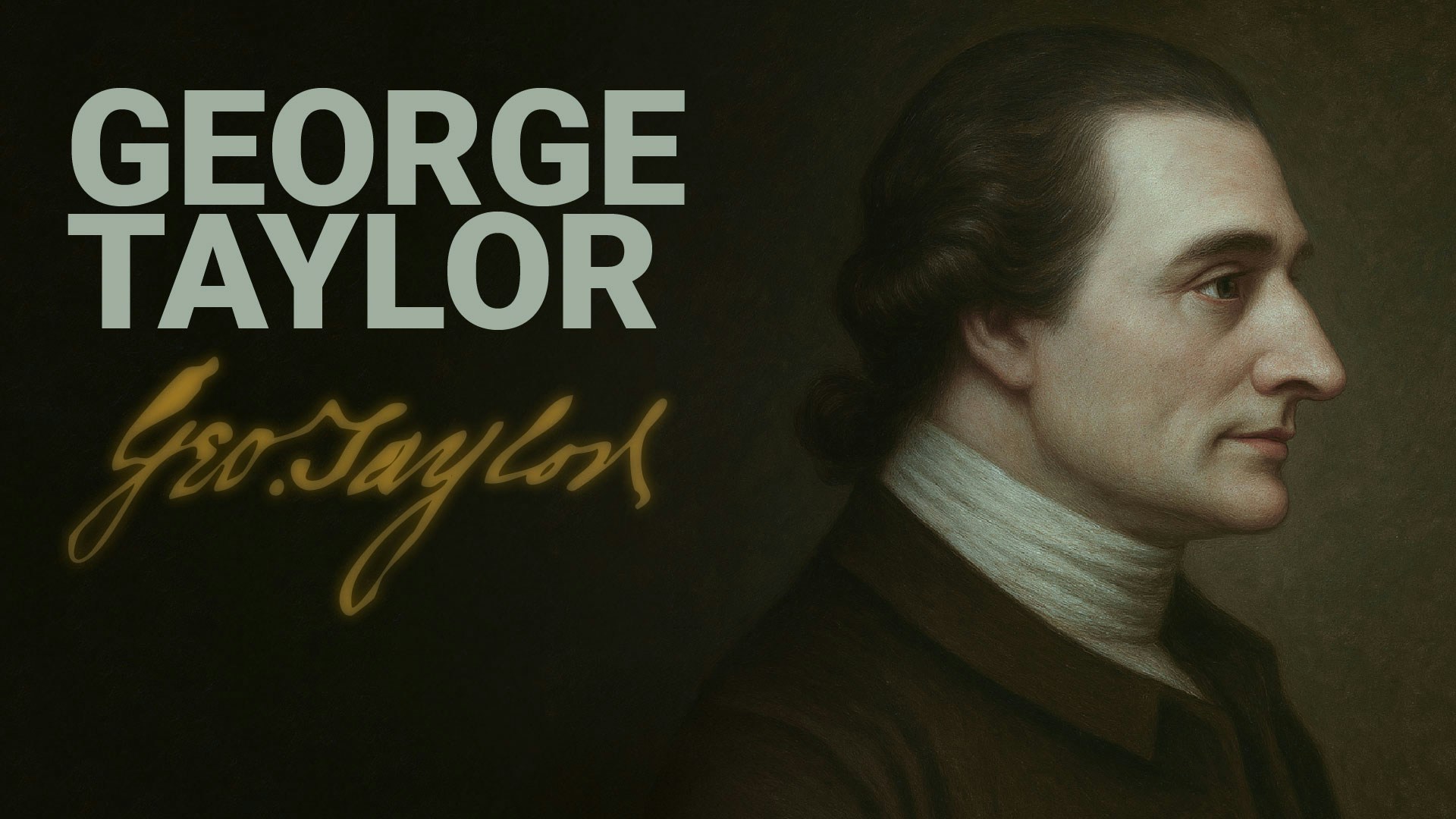
George Taylor was born in 1716 in Ireland. He immigrated to Pennsylvania in 1736, where he worked as an iron worker for Samuel Nutt at Coventry Forge near Philadelphia. Nutt died in 1737 and by 1743, Taylor was managing the iron furnace and married…
01:41
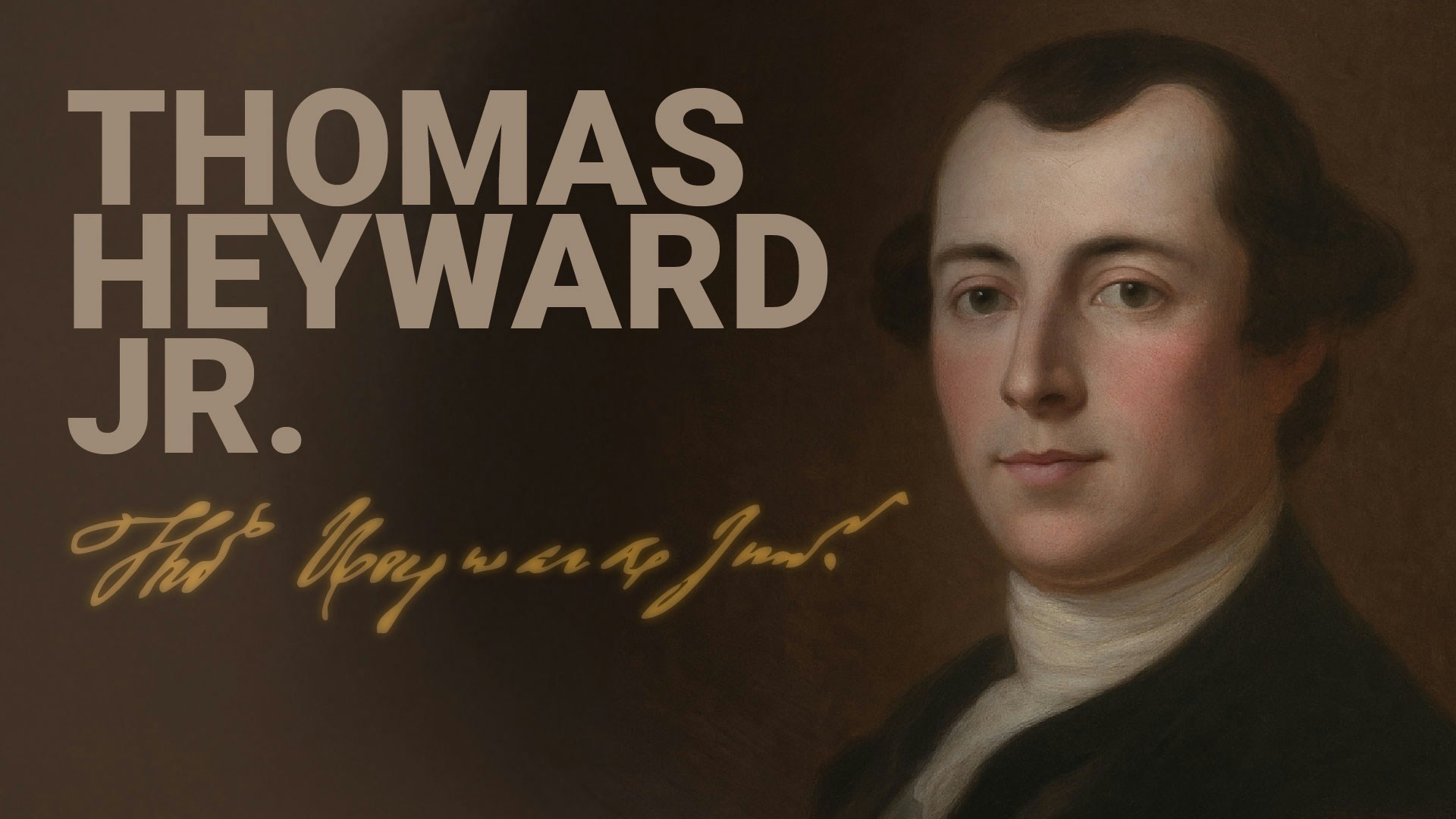
Thomas Heyward Jr. was born on July 28, 1746, at his family’s estate in St. Luke’s Parish, South Carolina. His father, Colonel Daniel Heyward, was a successful planter and businessman.
01:55
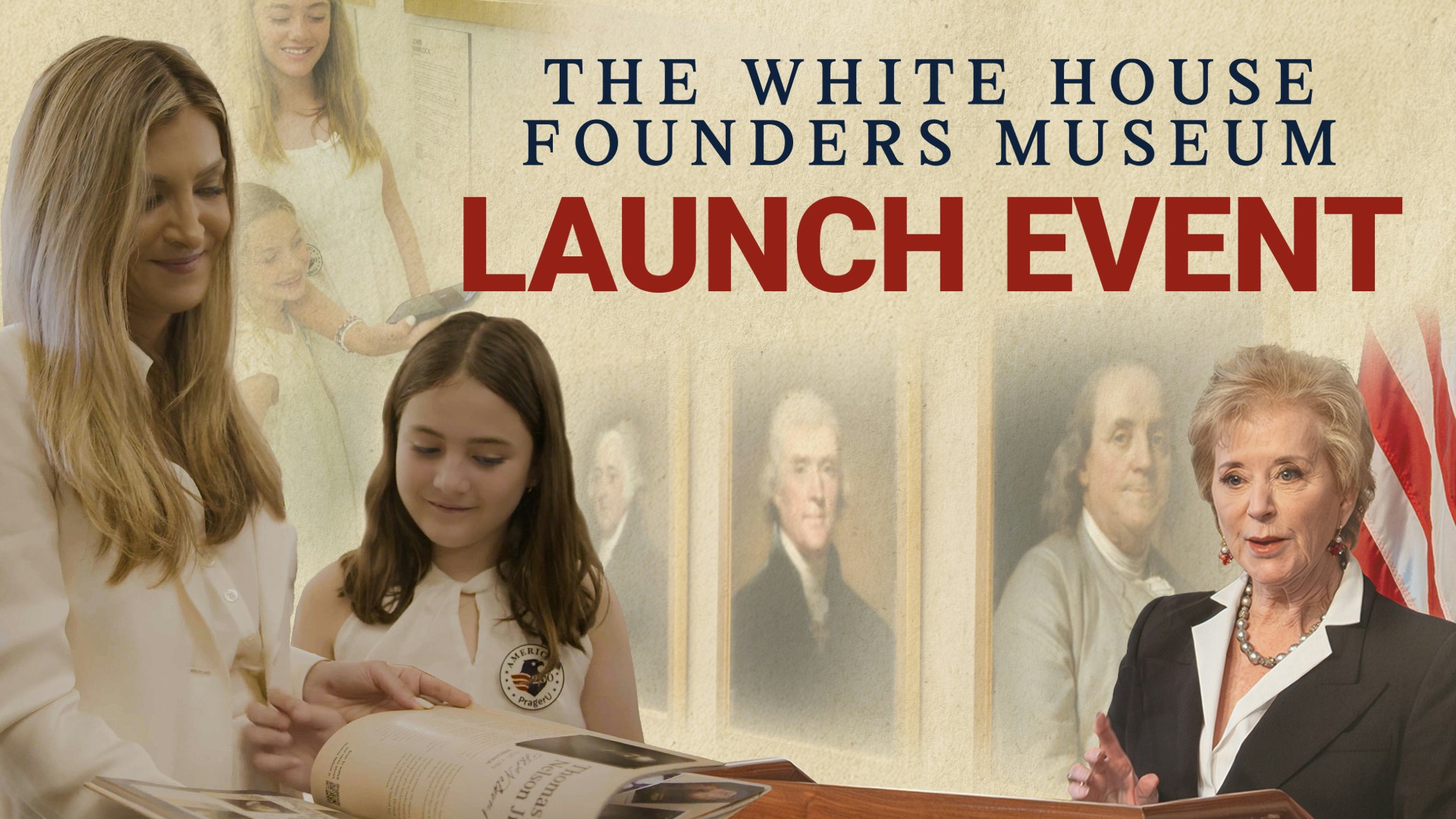
In celebration of America’s 250th birthday, PragerU and the Department of Education unveiled The Road to Liberty—a new Founders Museum exhibit at the White House.
02:00
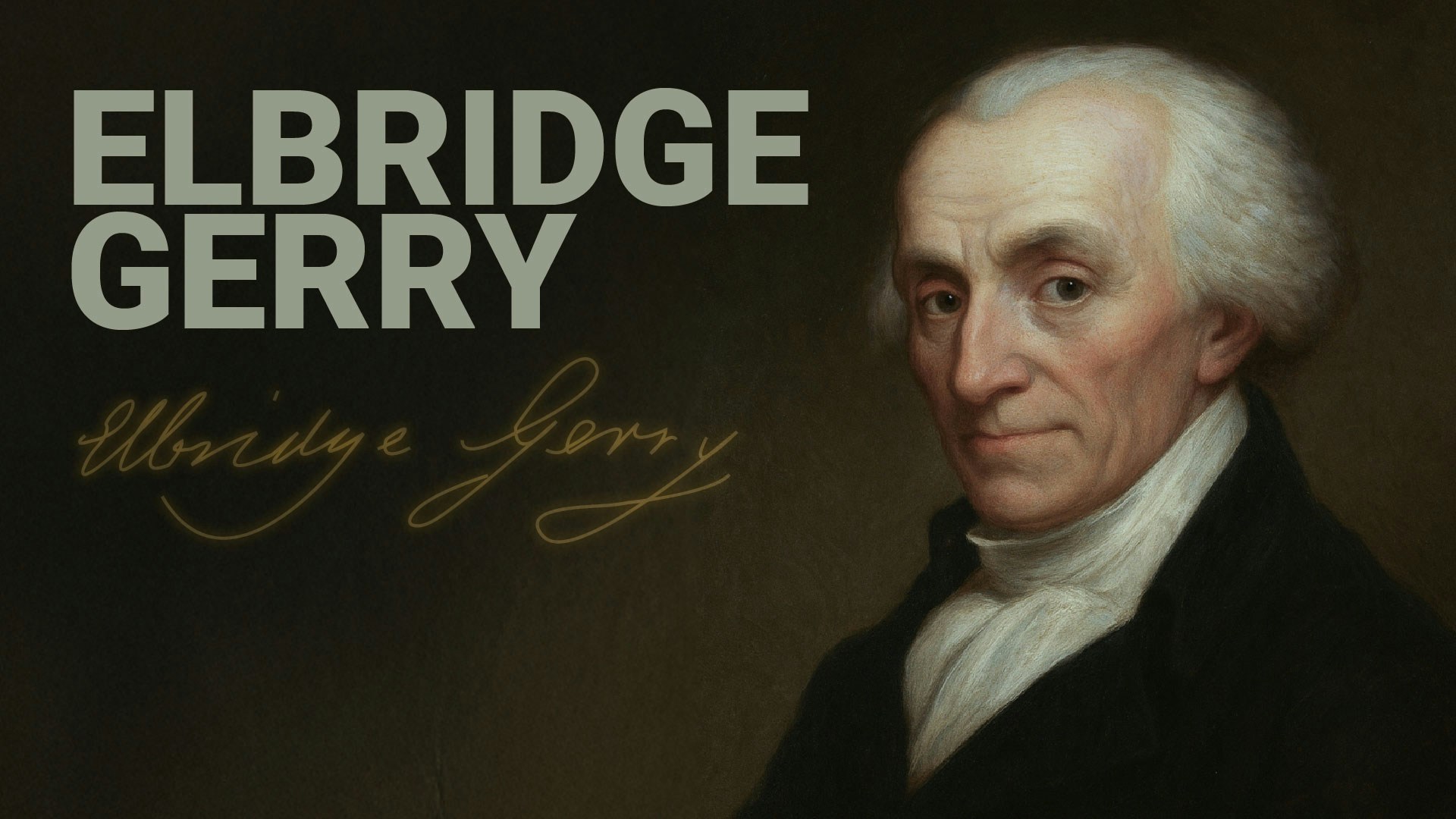
Elbridge Gerry was a merchant, politician, and diplomat who served as the fifth vice president of the United States. Born on July 17, 1744, in Marblehead, Massachusetts, Gerry came from a family of successful merchants.
02:16
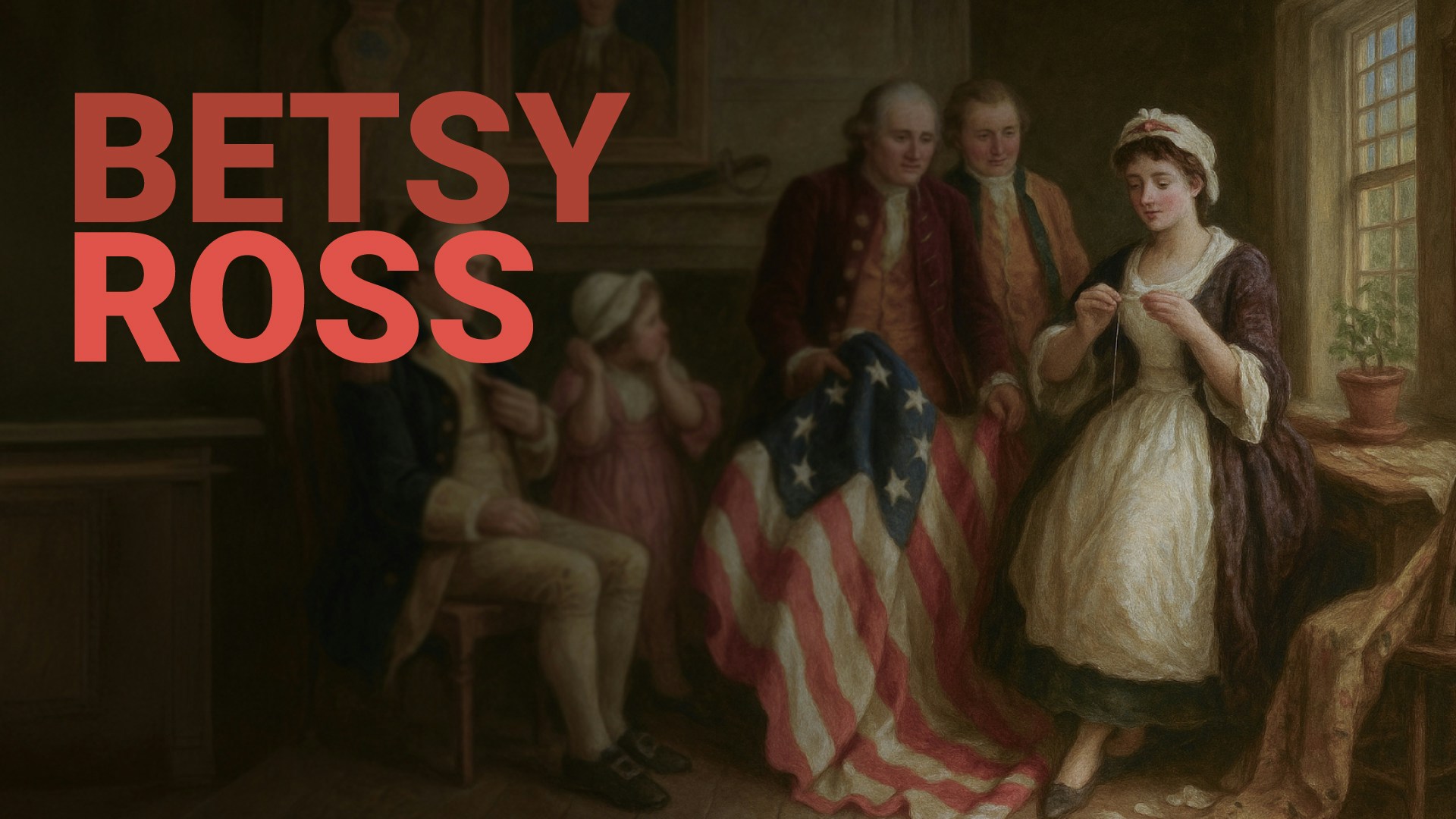
Betsy Ross is credited with stitching the first United States flag—a symbol of freedom that has since become the marker of American identity, patriotism, and pride. Born Elizabeth Griscom on January 1, 1752, in Gloucester City, New Jersey, Betsy…
02:20
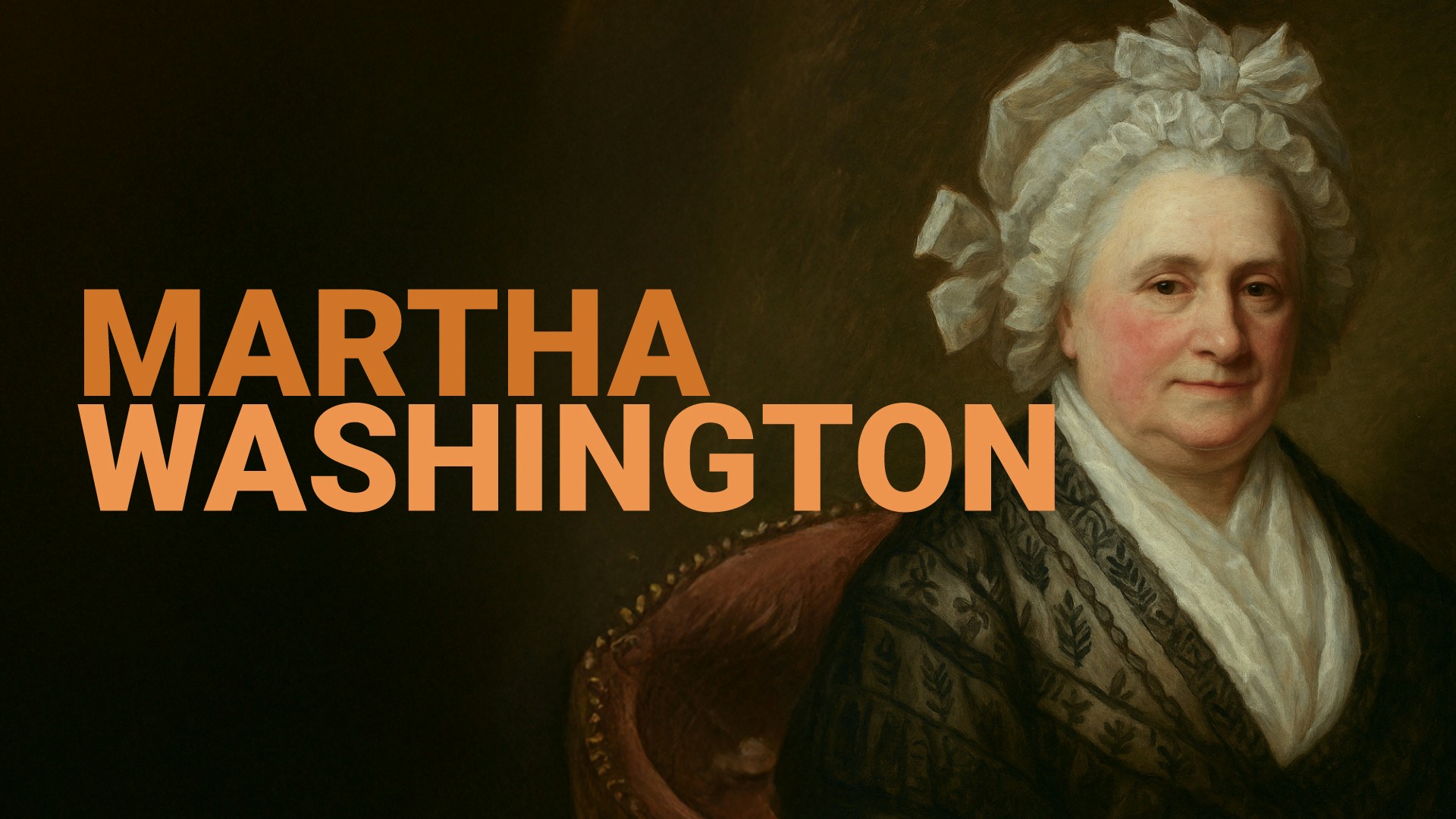
Wife, mother, property owner, and the “First Lady” of the United States, Martha Washington was known for her personal strength, devotion to her husband, and patient resolve during and after the war. Born Martha Dandridge on June 2, 1731, she…
01:51
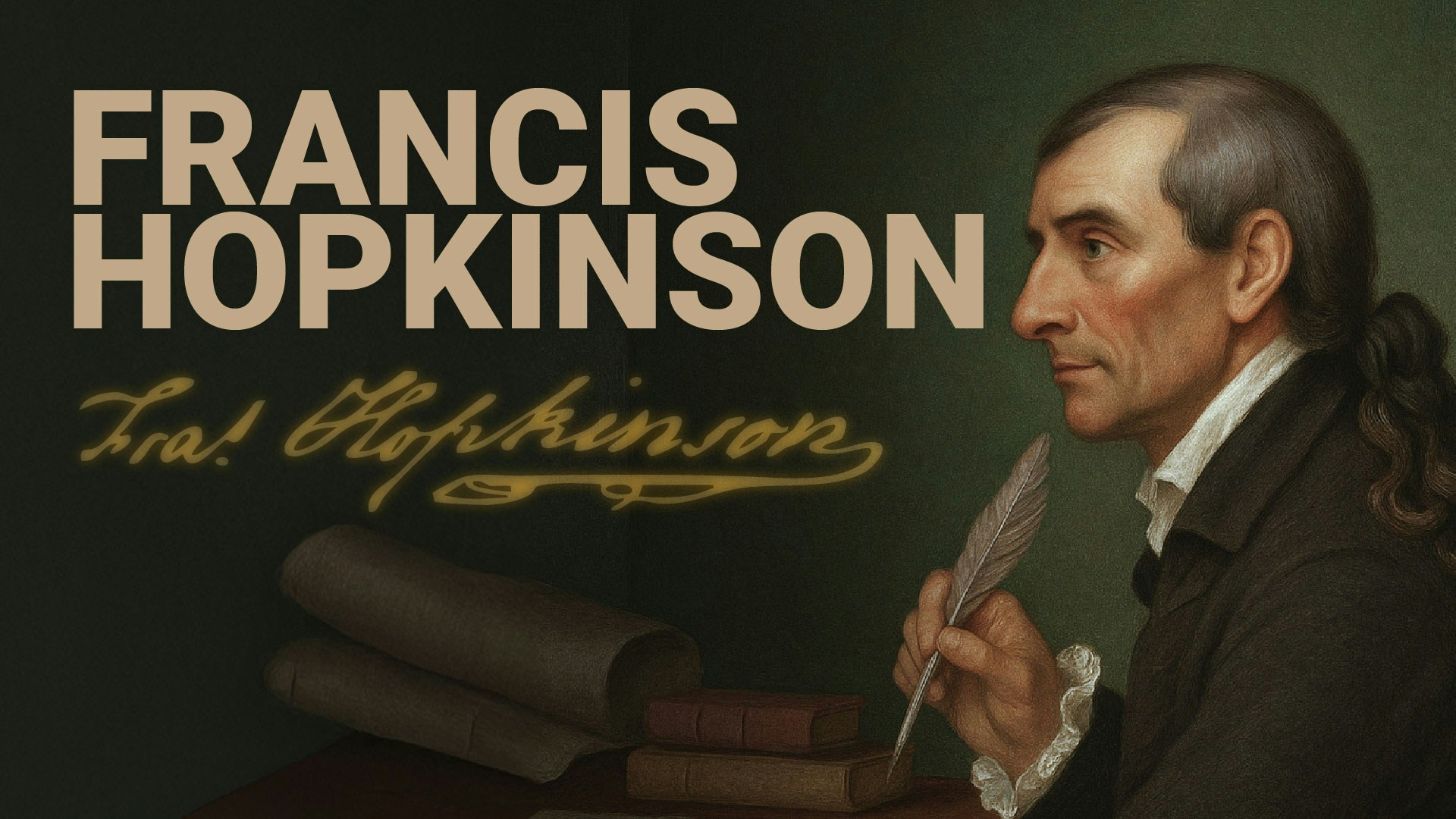
Francis Hopkinson was a musician, poet, artist, satirist, inventor, jurist, writer, and true Renaissance man of the American Revolution. Born in Philadelphia, Pennsylvania, Hopkinson was the eldest of eight children and the son of a prominent…
02:15
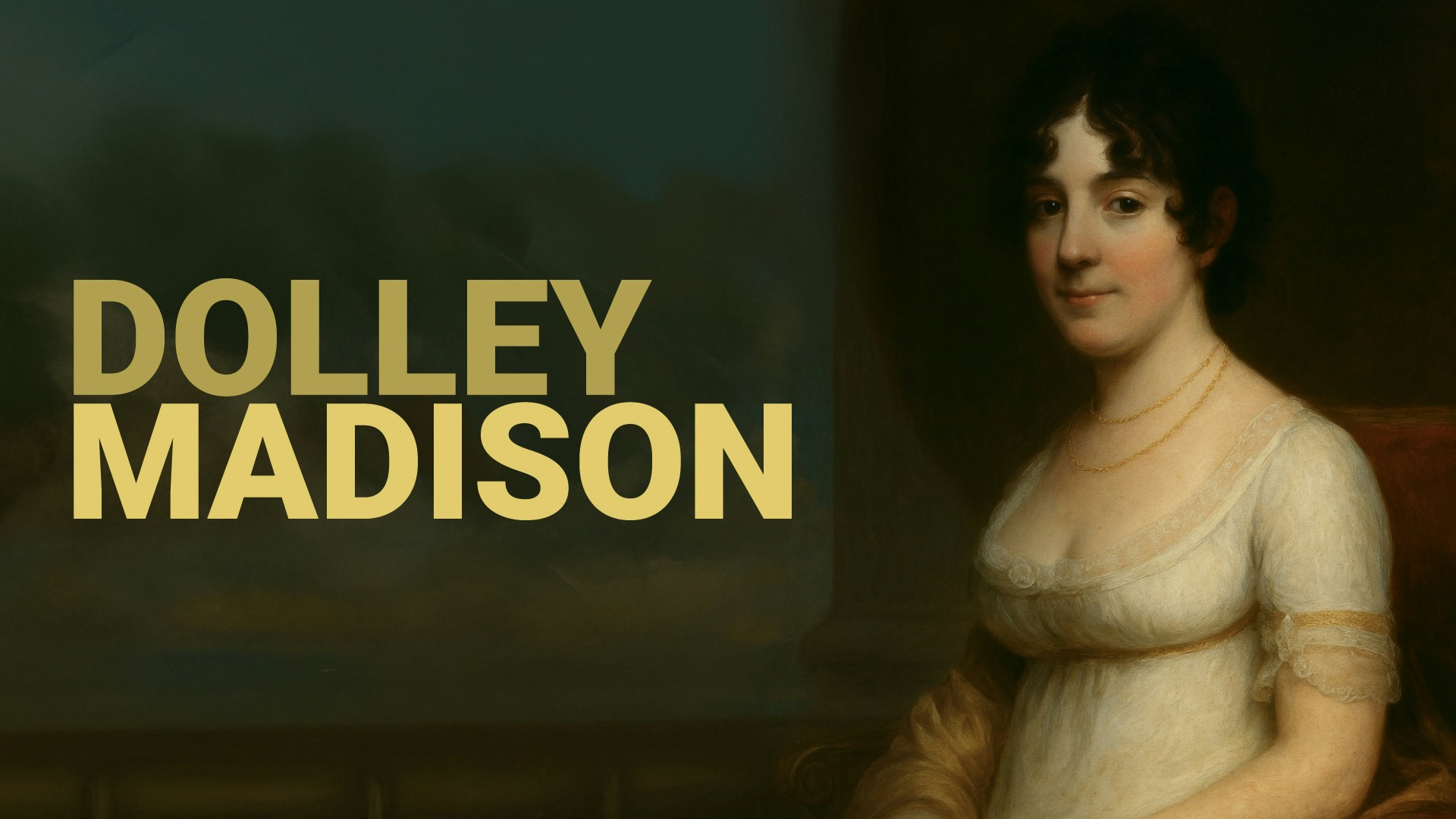
Dolley Madison, the fourth First Lady and wife of President James Madison, was known for her influence, determination, and energetic presence.
02:03
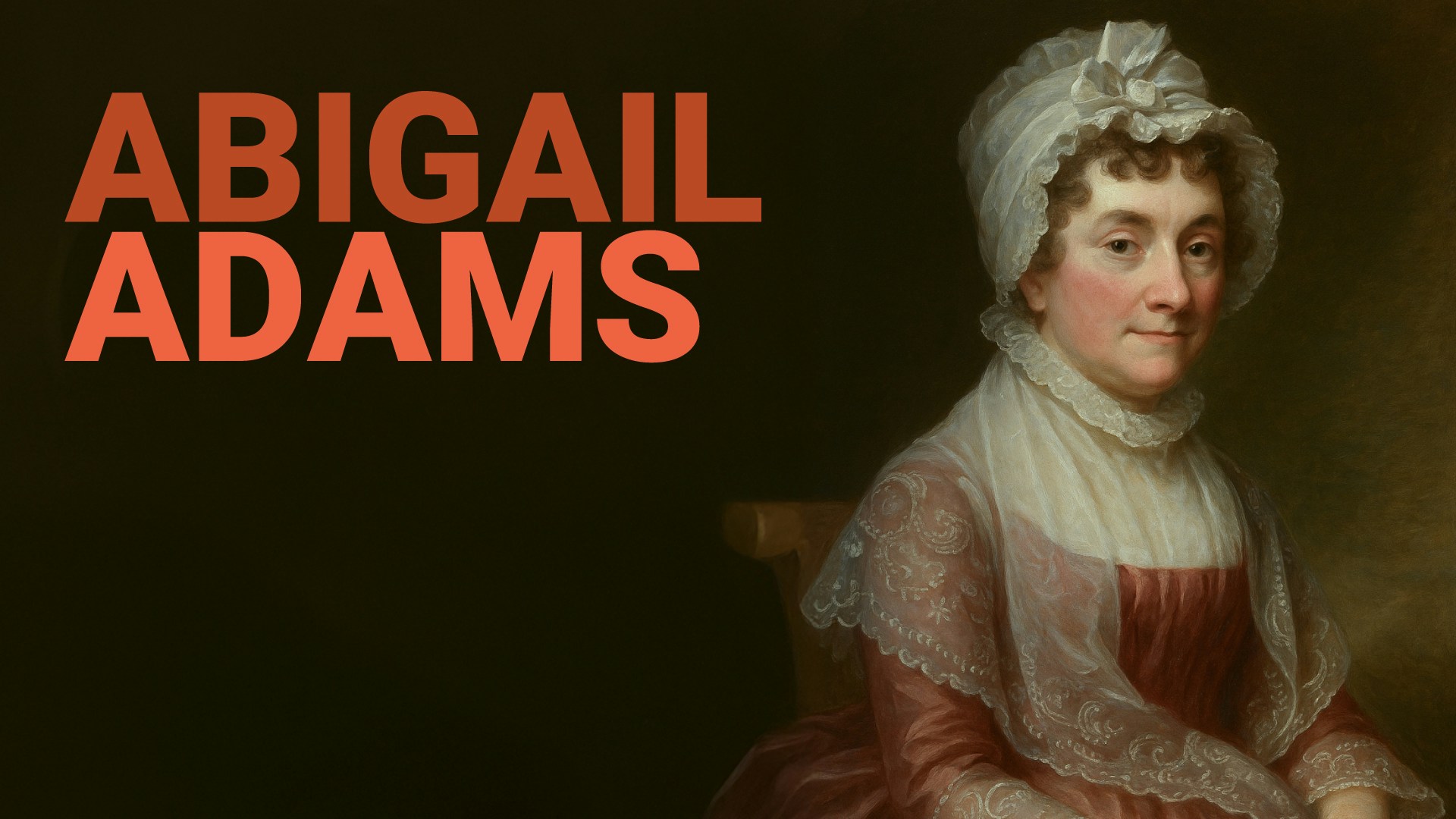
Advisor, writer, and trailblazer, Abigail Adams famously wrote to her husband John Adams to “remember the Ladies” as the Continental Congress gathered in 1776. She continued, “Do not put such unlimited power into the hands of the Husbands.
02:09
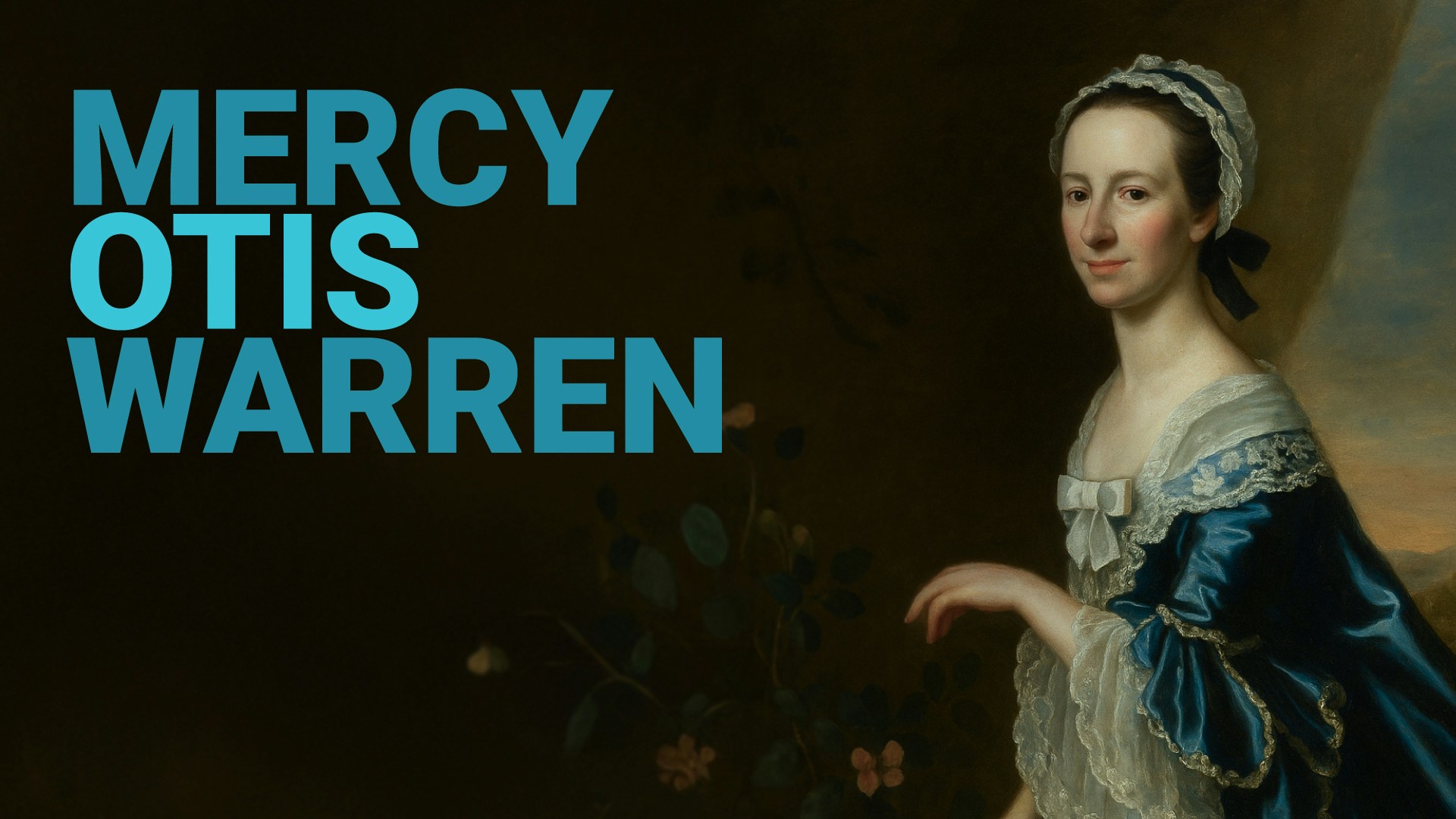
Known as the "Conscience of the Revolution" and described as perhaps the most formidable female intellectual in eighteenth-century America, Mercy Otis Warren was a poet, historian, and playwright.
02:07
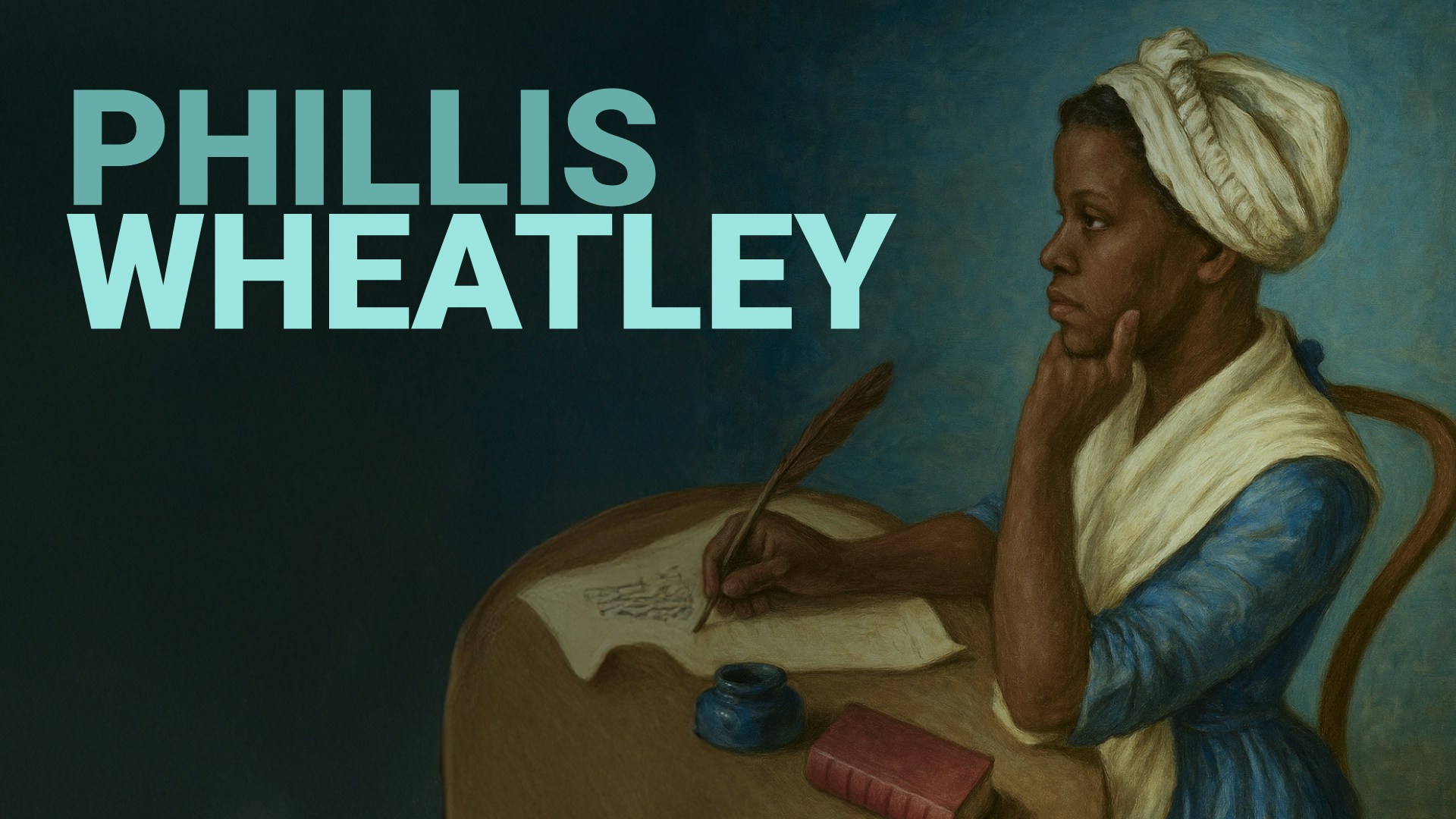
Groundbreaking poet Phillis Wheatley is considered the first African American woman, and only the third American woman, to publish a book of poems.
02:14
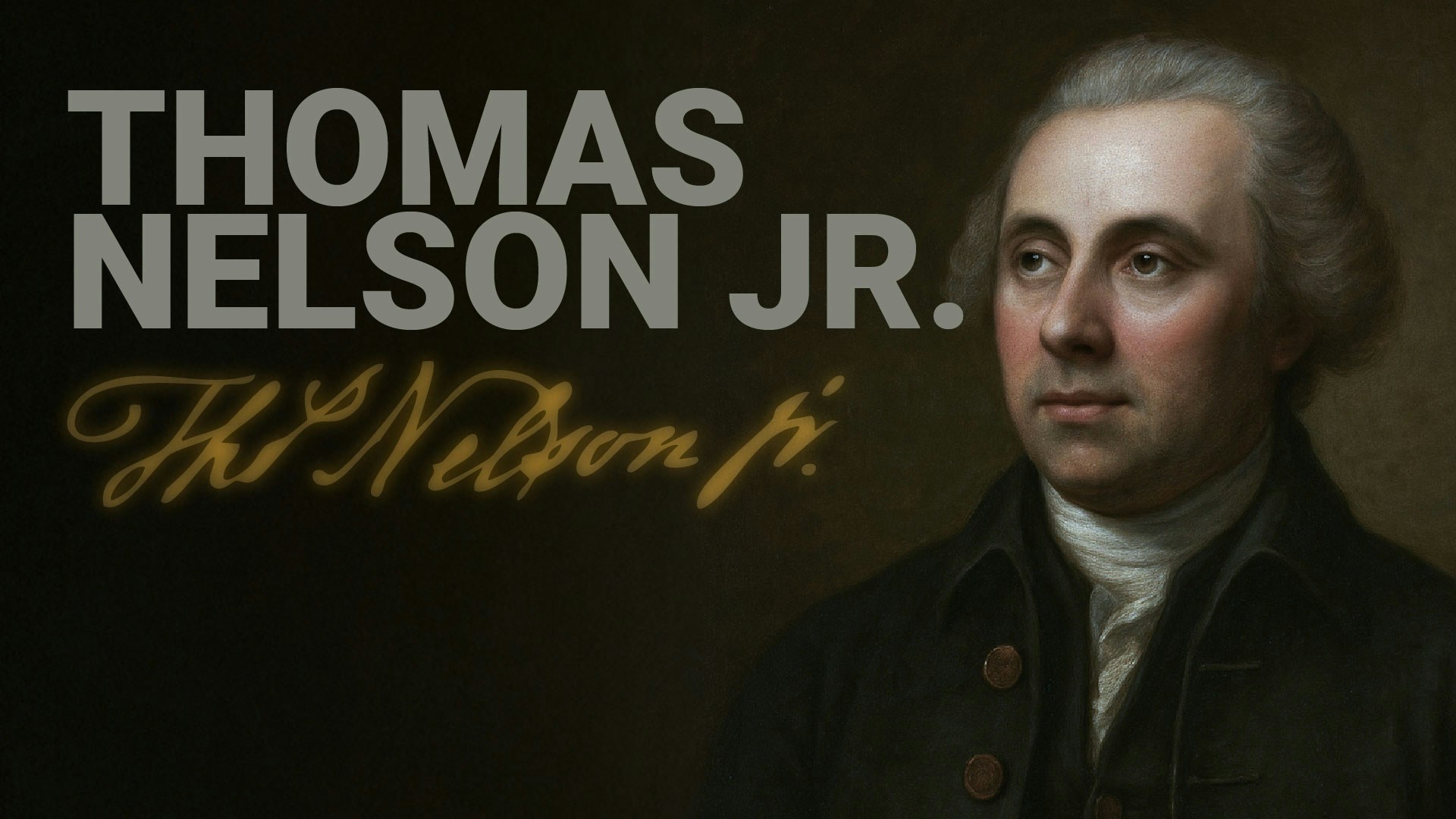
Founding Father Thomas Nelson Jr. was born in 1738 in Yorktown to one of Virginia’s First Families. He grew up in all the trappings of wealth and prepared for taking his eventual place as a top businessman and leader. In 1761, Nelson entered…
01:55
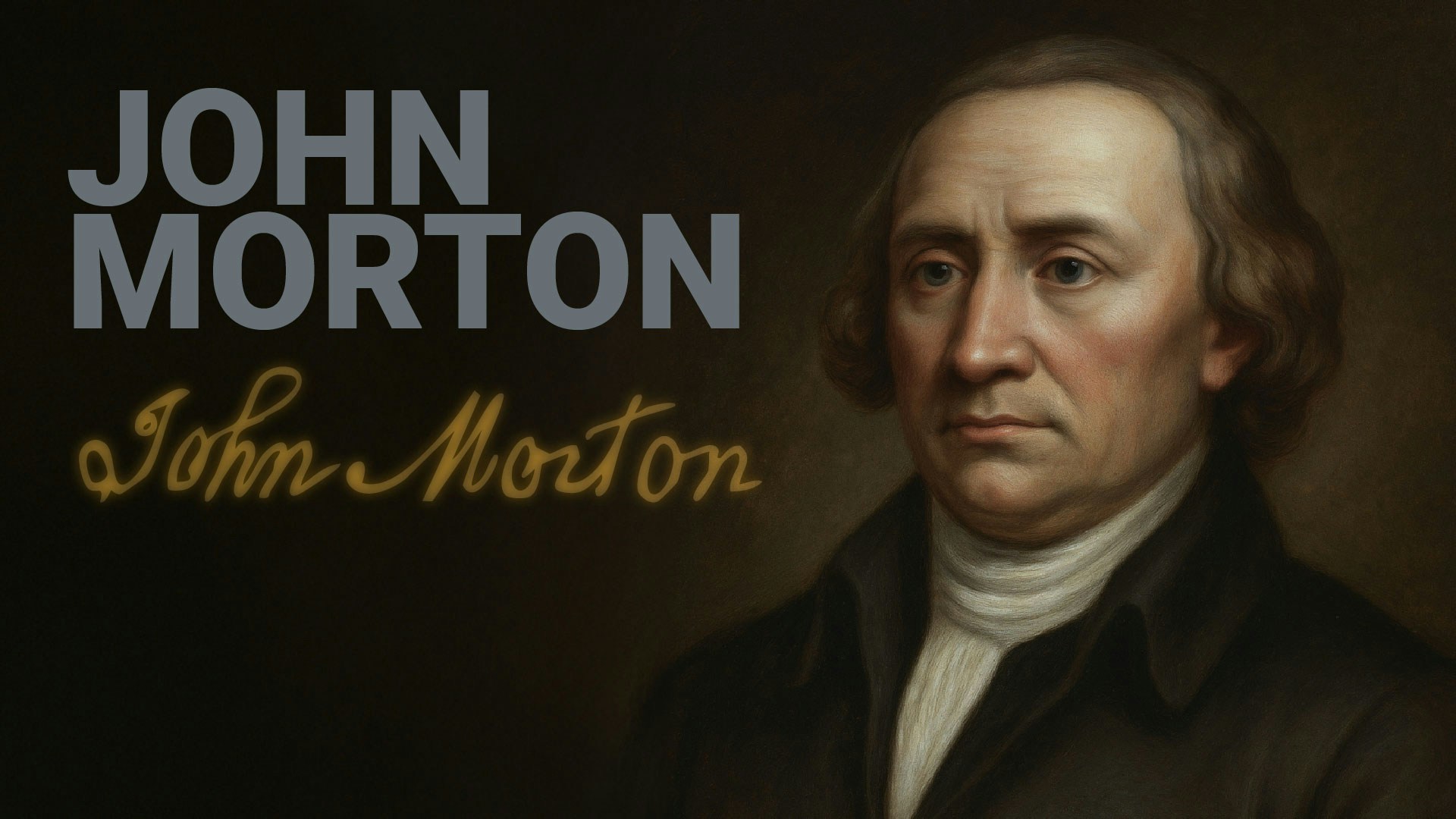
John Morton was the first of the 56 signers of the Declaration of Independence to die, passing away less than a year after casting a pivotal vote that changed the course of history. Born in Chester County, Pennsylvania, in 1725, Morton’s father…
01:44
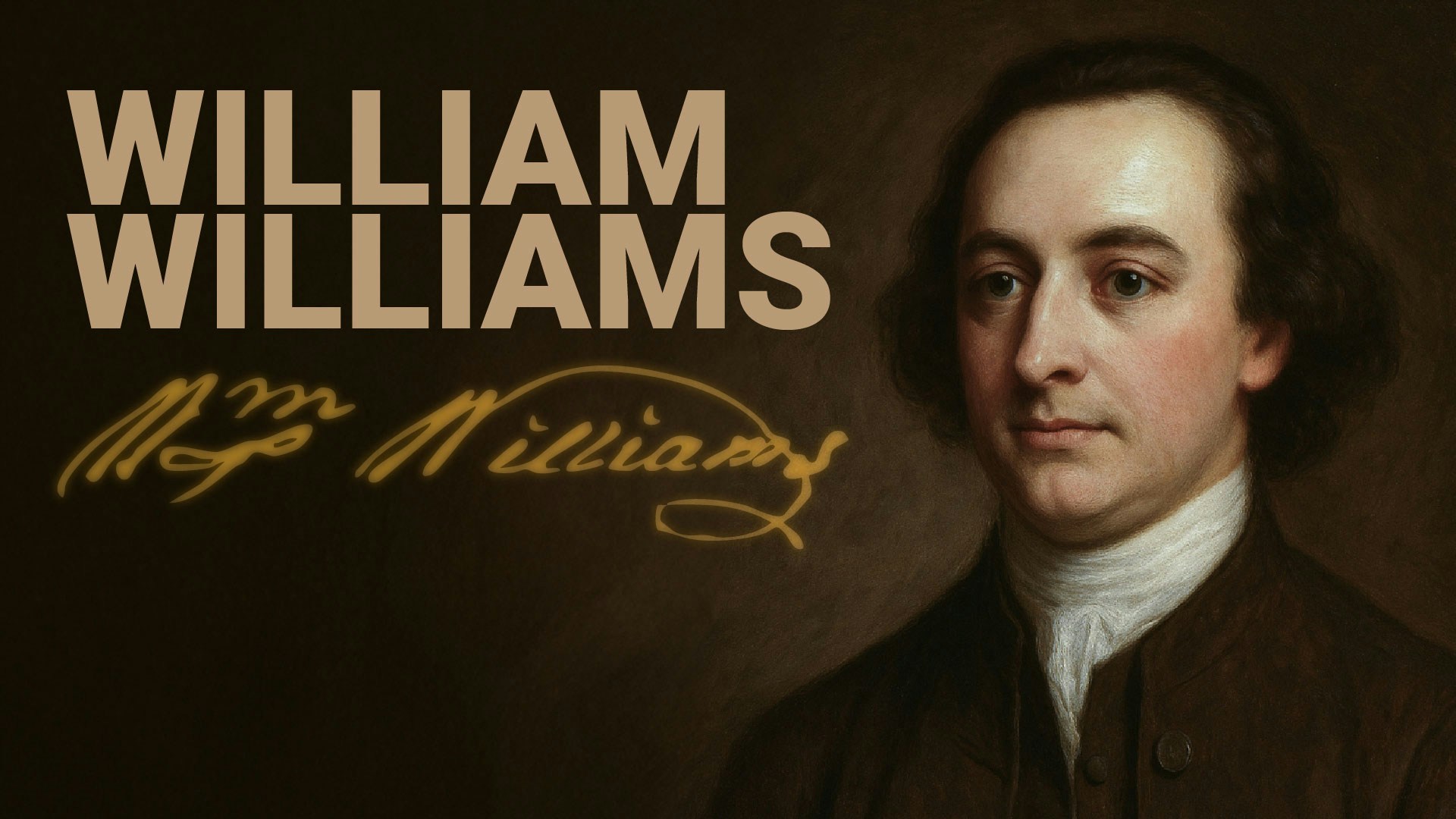
William Williams was born in 1731 in Lebanon, Connecticut, the son and grandson of Christian ministers and Harvard graduates. At 16, he entered Harvard College and later studied theology under his father. His plans to enter the ministry changed…
01:55
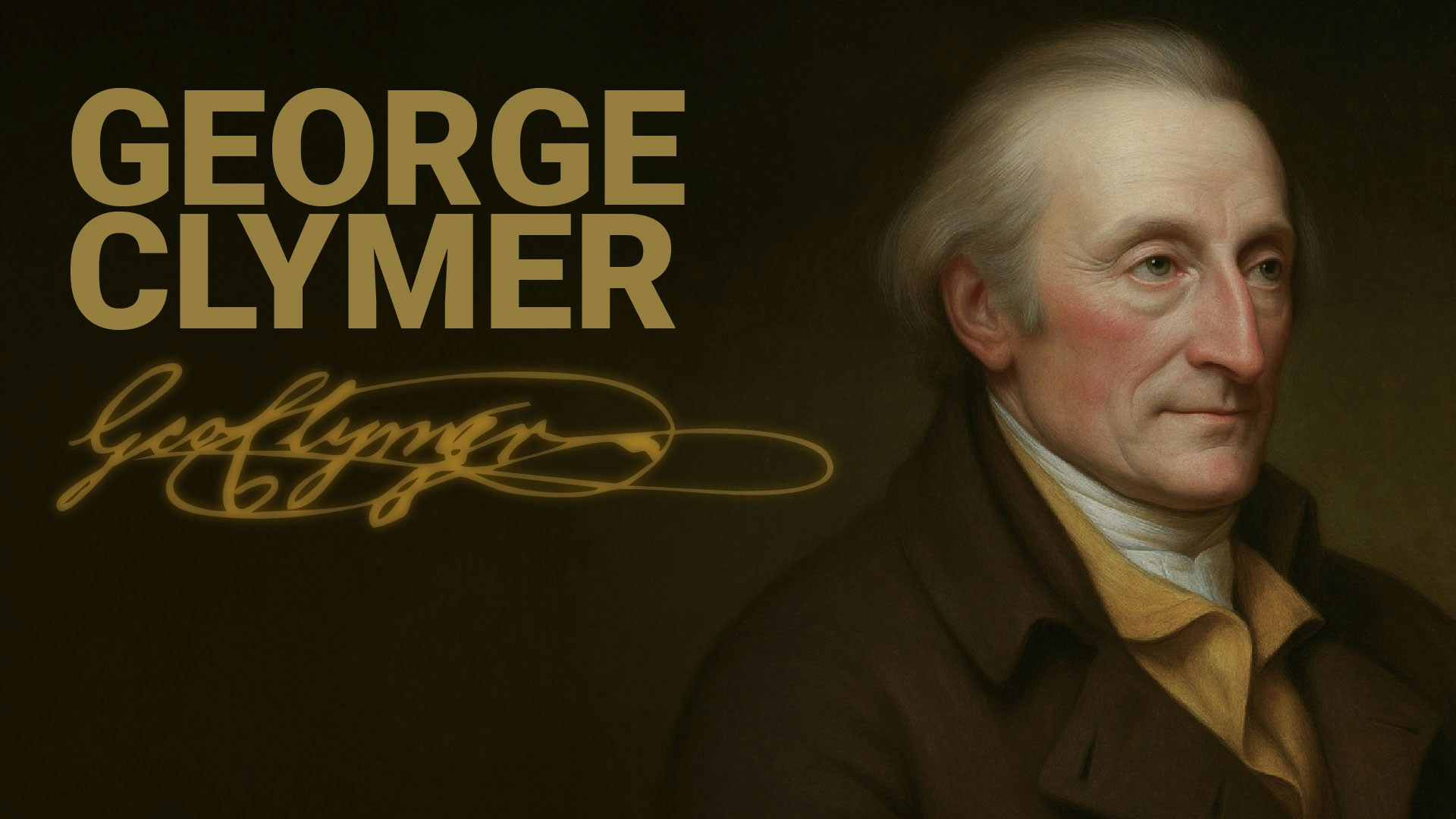
George Clymer, a grandson of an original settler of the Penn colony, became an orphan at the age of one. He went to live with a wealthy uncle in Philadelphia, where he received an informal education and he grew up working in his uncle’s mercantile…
02:10
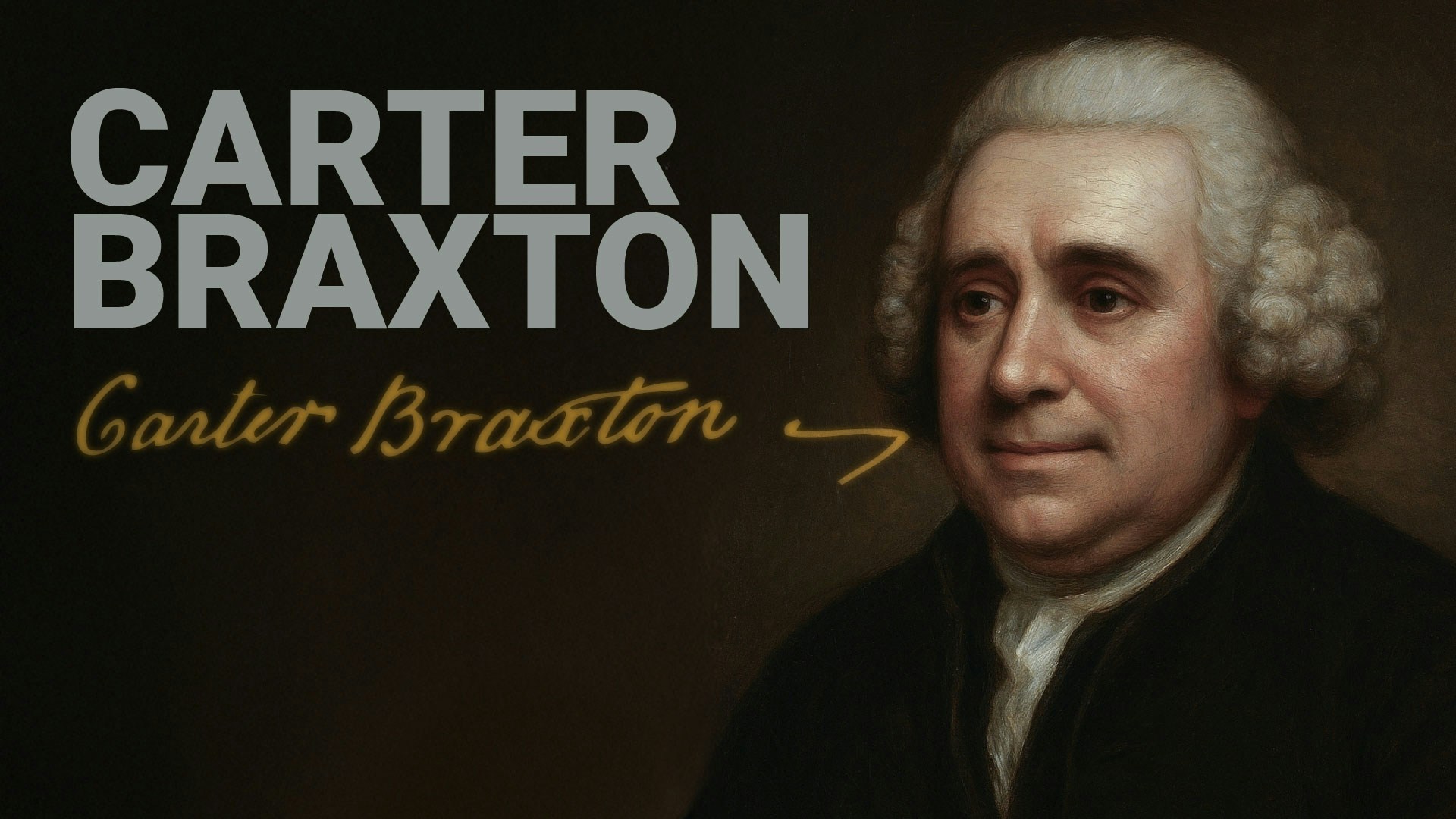
Carter Braxton was a wealthy landowner, businessman, and financier of the American Revolution. Born on September 10, 1736, at Newington Plantation in Virginia, Braxton graduated from the College of William and Mary in 1755.
01:48
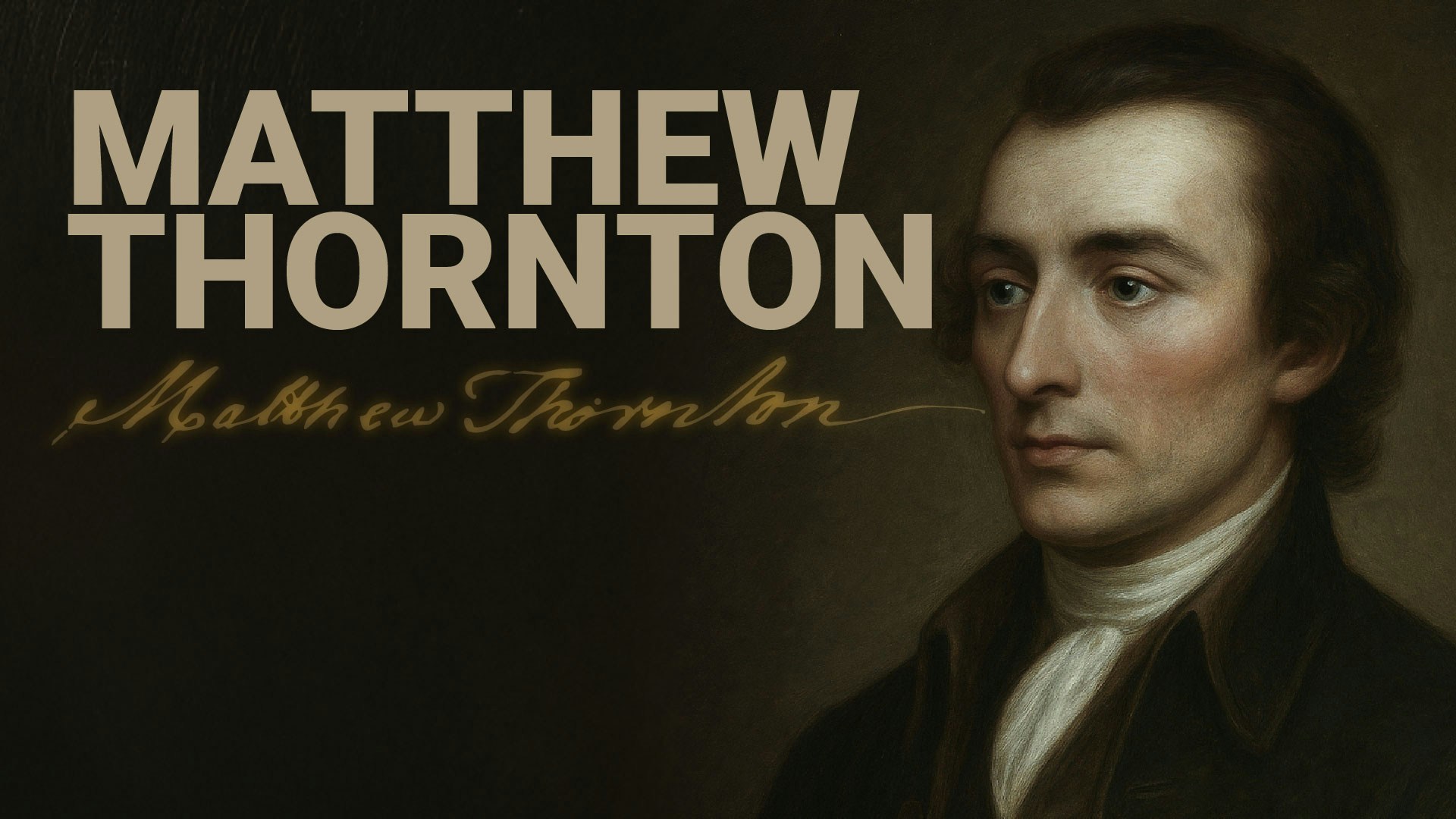
Matthew Thornton was born in Ireland in 1714 and moved to what would become Maine as a child. At age eight, his family fled an Indian attack, escaping by canoe to Casco Bay, and later settled in Worcester, Massachusetts.
02:07
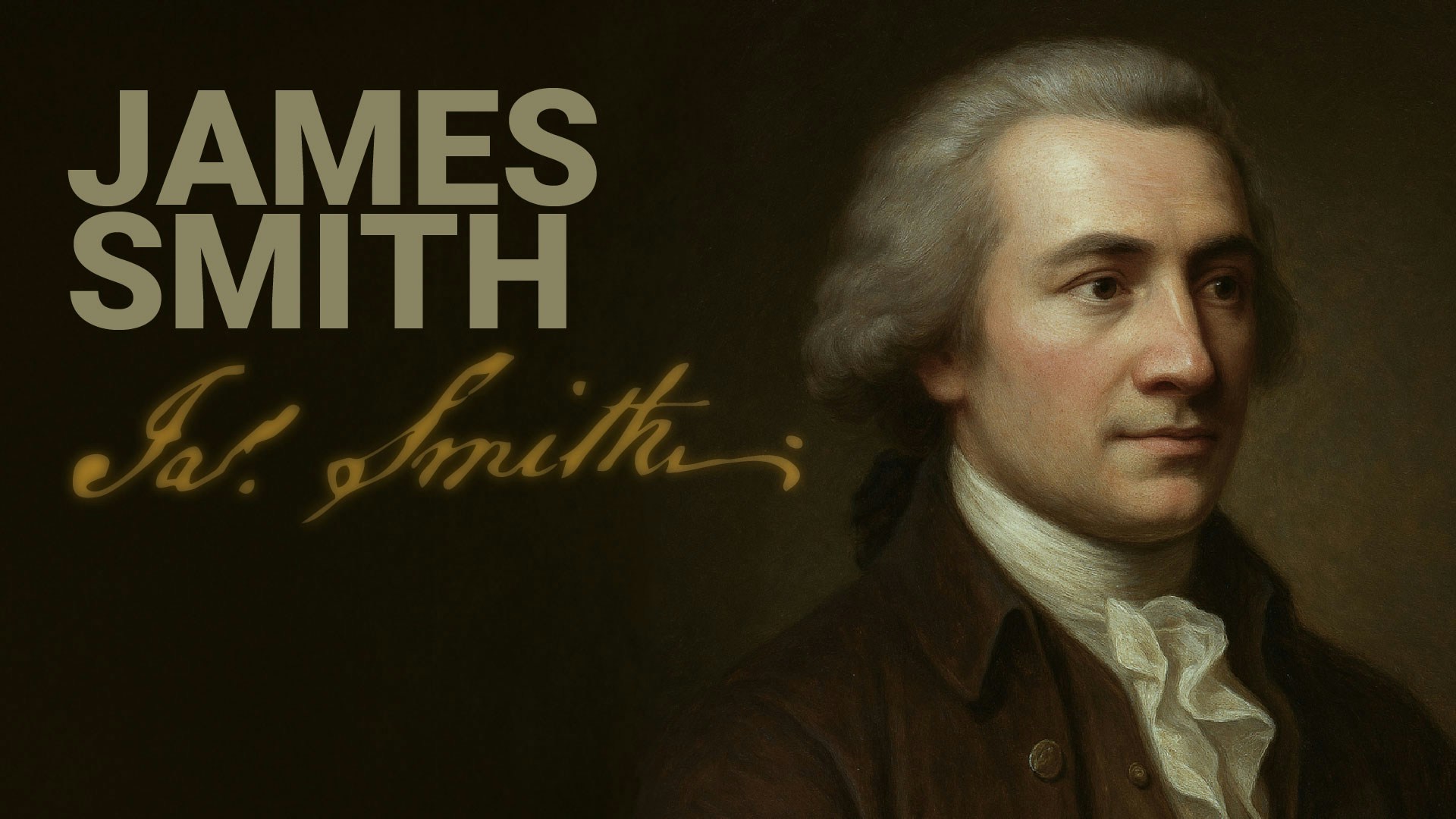
James Smith was born in Ireland around 1719. His family fled the landlords of the Old World for the freedom of Pennsylvania around 1727, settling as farmers on the Susquehanna in Chester County. Receiving a classical education from a local…
04:29
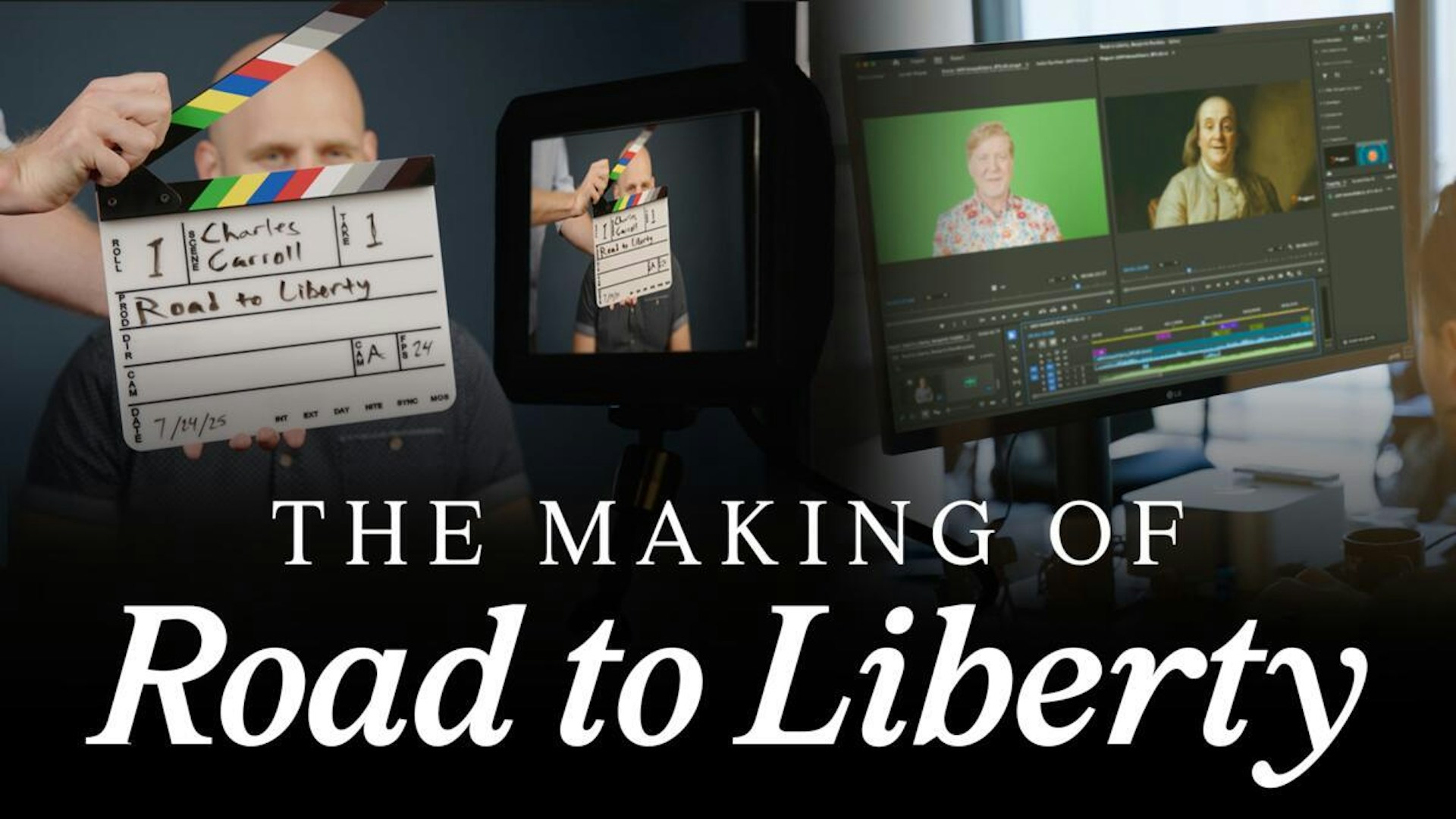
PragerU was commissioned by the White House to create an interactive museum in honor of America’s 250th Anniversary. Enjoy this behind-the-scenes look at how PragerU made this bold vision a reality through cutting-edge AI technology and a team of…
03:58
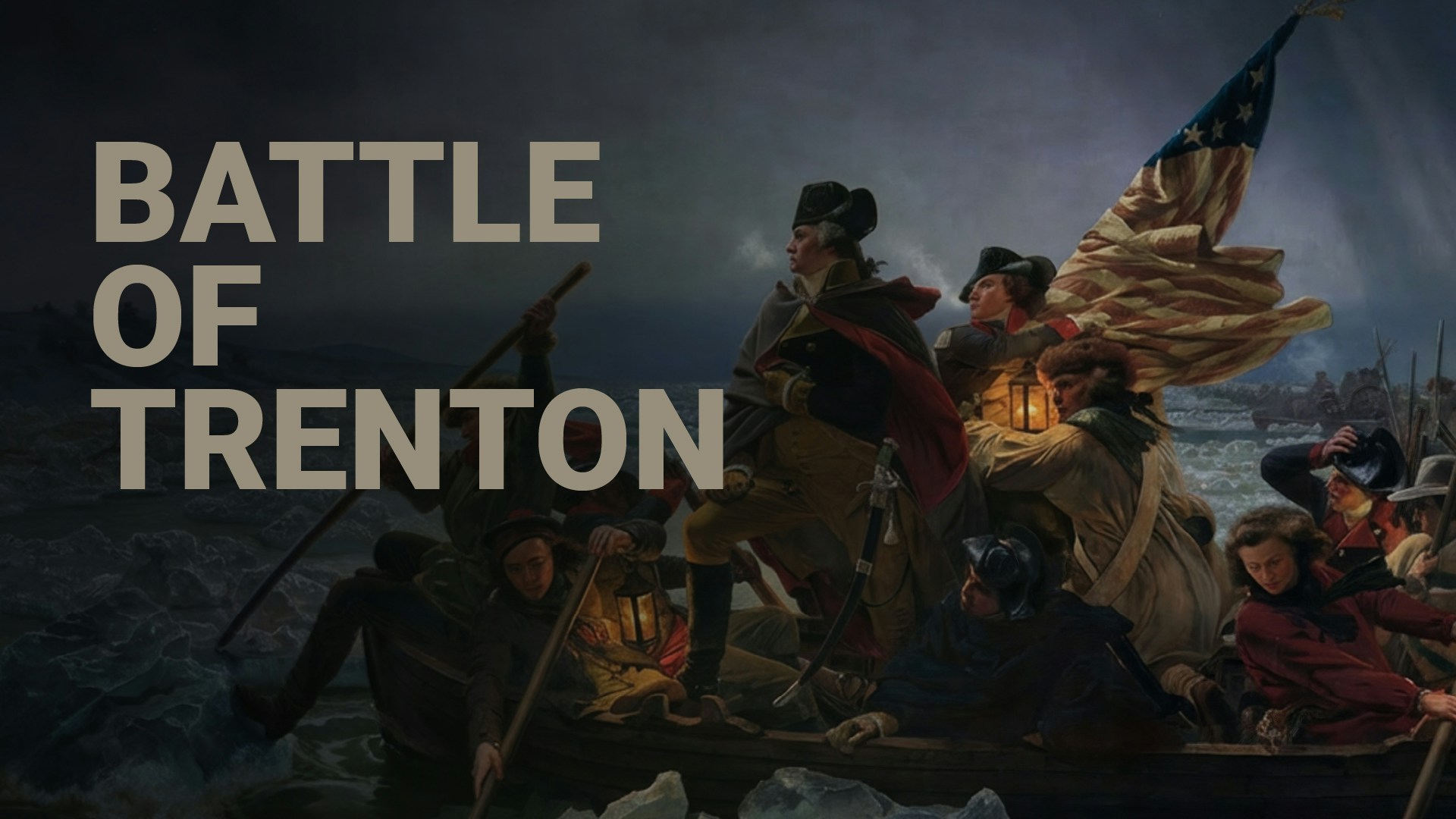
On Christmas night, 1776, George Washington and his Continental Army crossed the icy Delaware River into Trenton, New Jersey. This was a daring maneuver that culminated in the Battle of Trenton and would be historically remembered as a turning point…
04:55
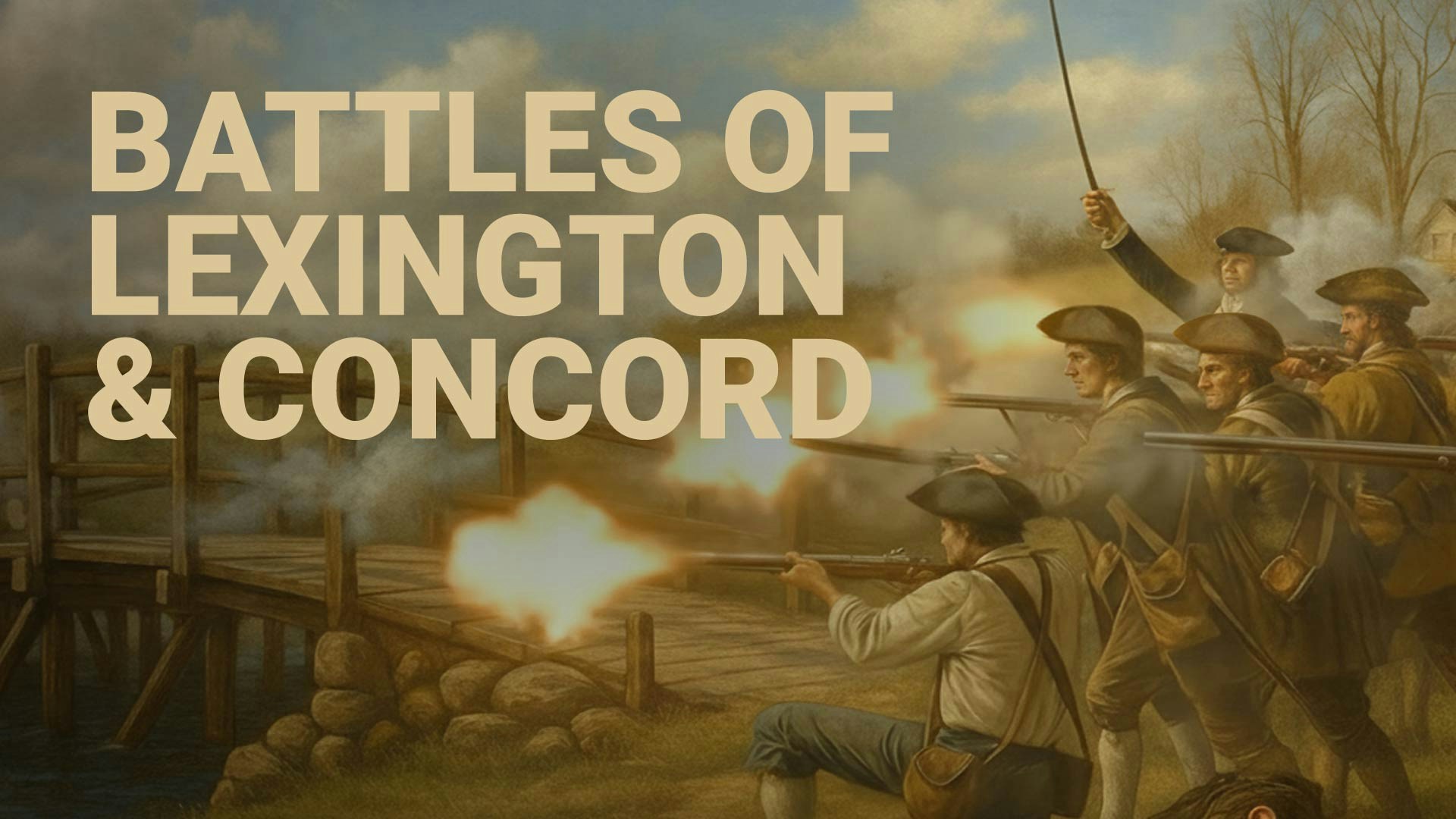
After years of intensifying hostilities between the British monarchy and the colonists, the prospect of war became inevitable. With Paul Revere’s fearless warnings that the British were marching to Concord to seize American arms, the local…
06:19
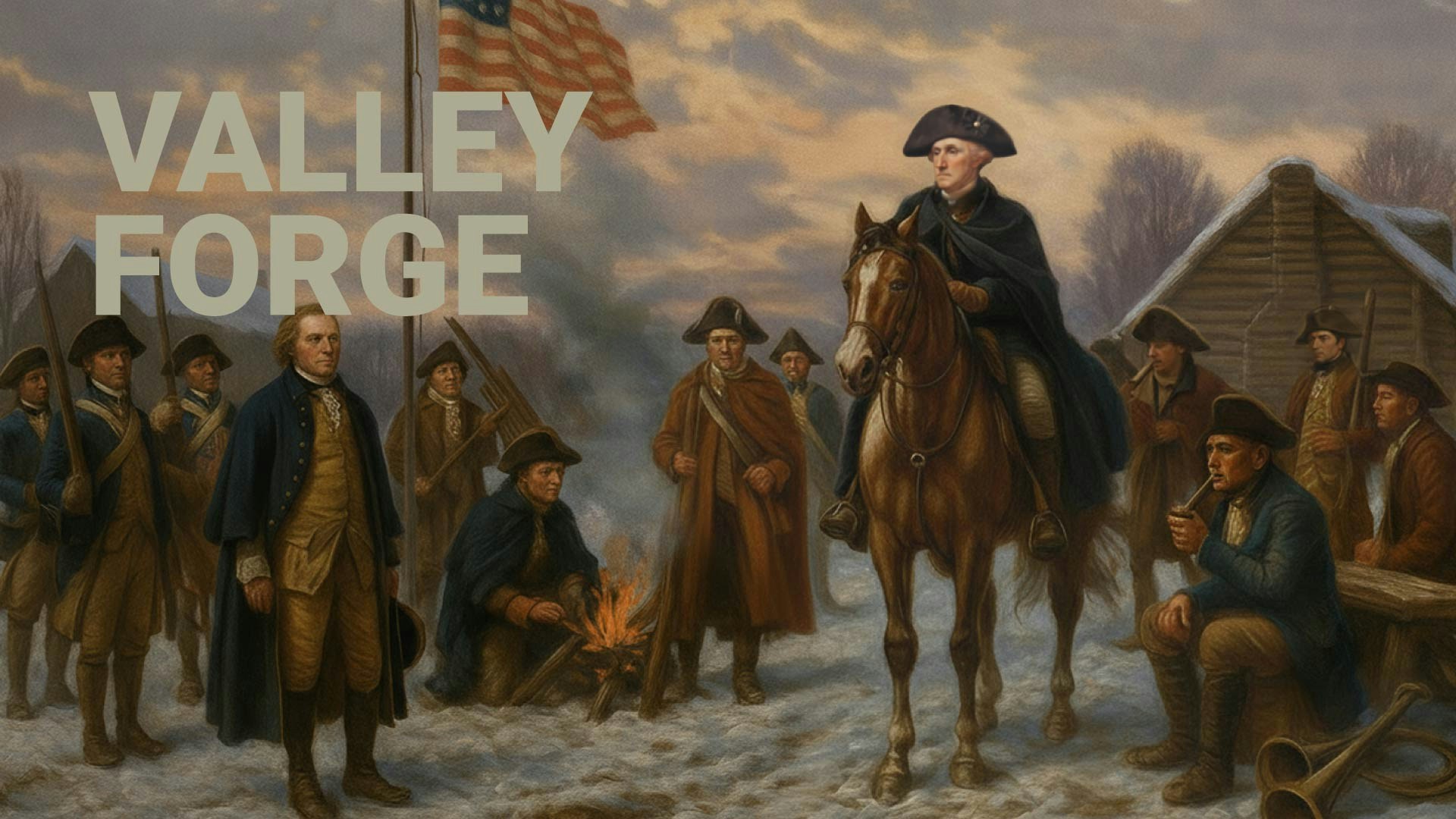
Washington and his troops braved a brutal winter in an encampment at southeastern Pennsylvania’s Valley Forge from December 19, 1777 to June 19, 1778.
04:15
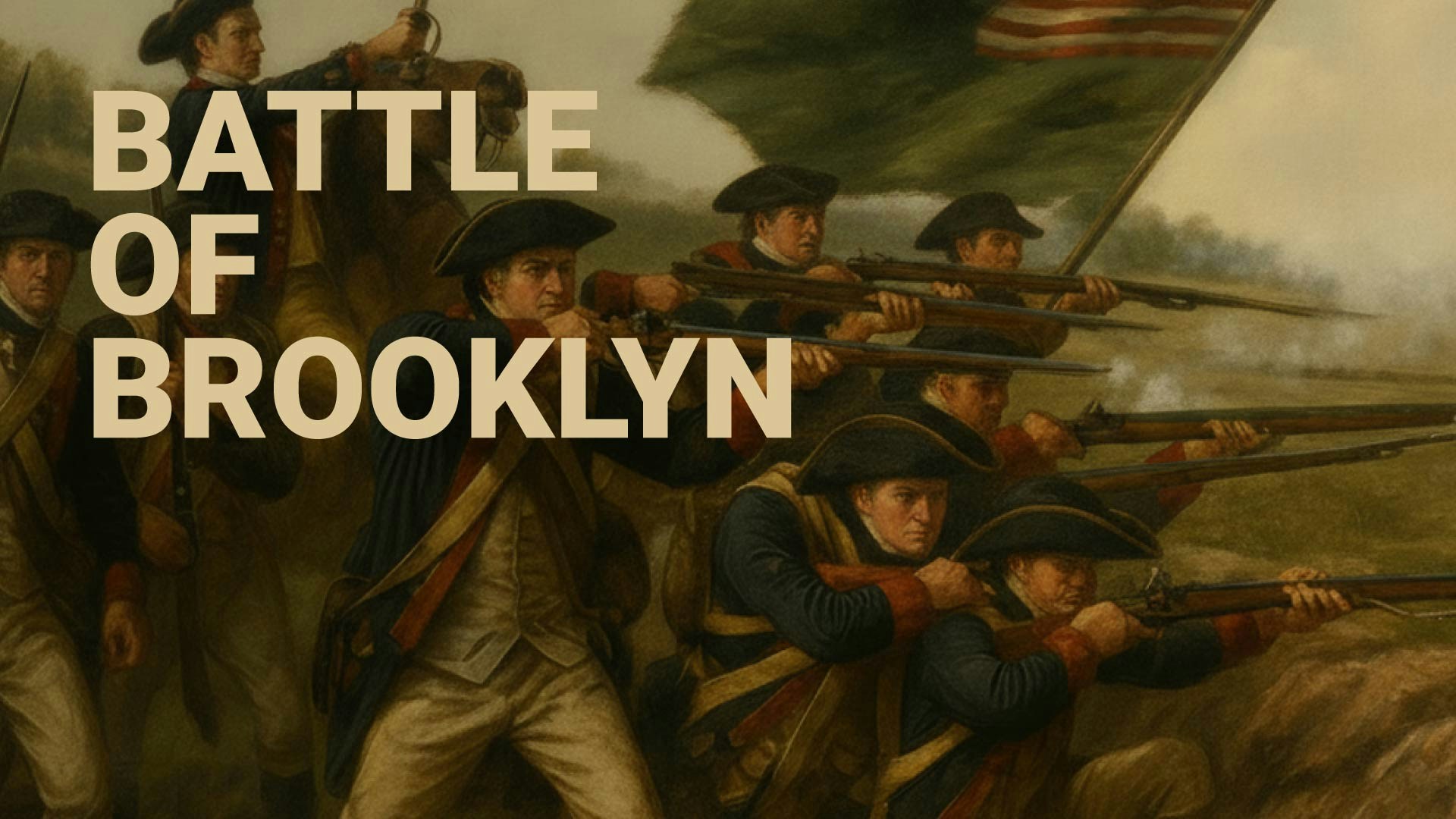
The Battle of Brooklyn was the first major conflict to take place after the Second Continental Congress declared independence from Great Britain and, in terms of troop deployment, it was the largest battle to take place during the entire…
02:20
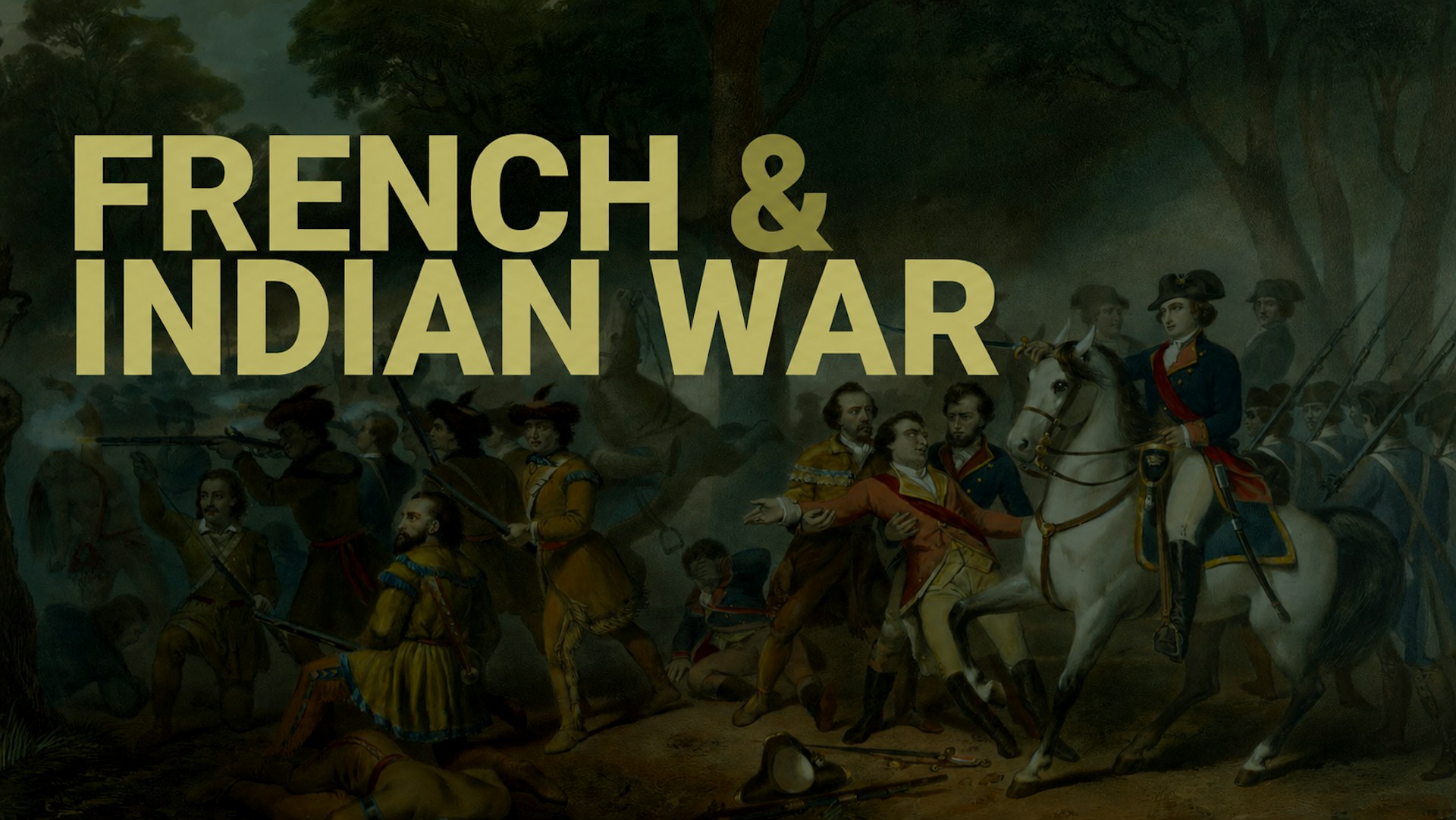
After Britain won the French and Indian War, it faced massive debt, both due to the war and due to multiple other factors, such as debts resulting from ongoing conflict with neighboring Spain.
03:59
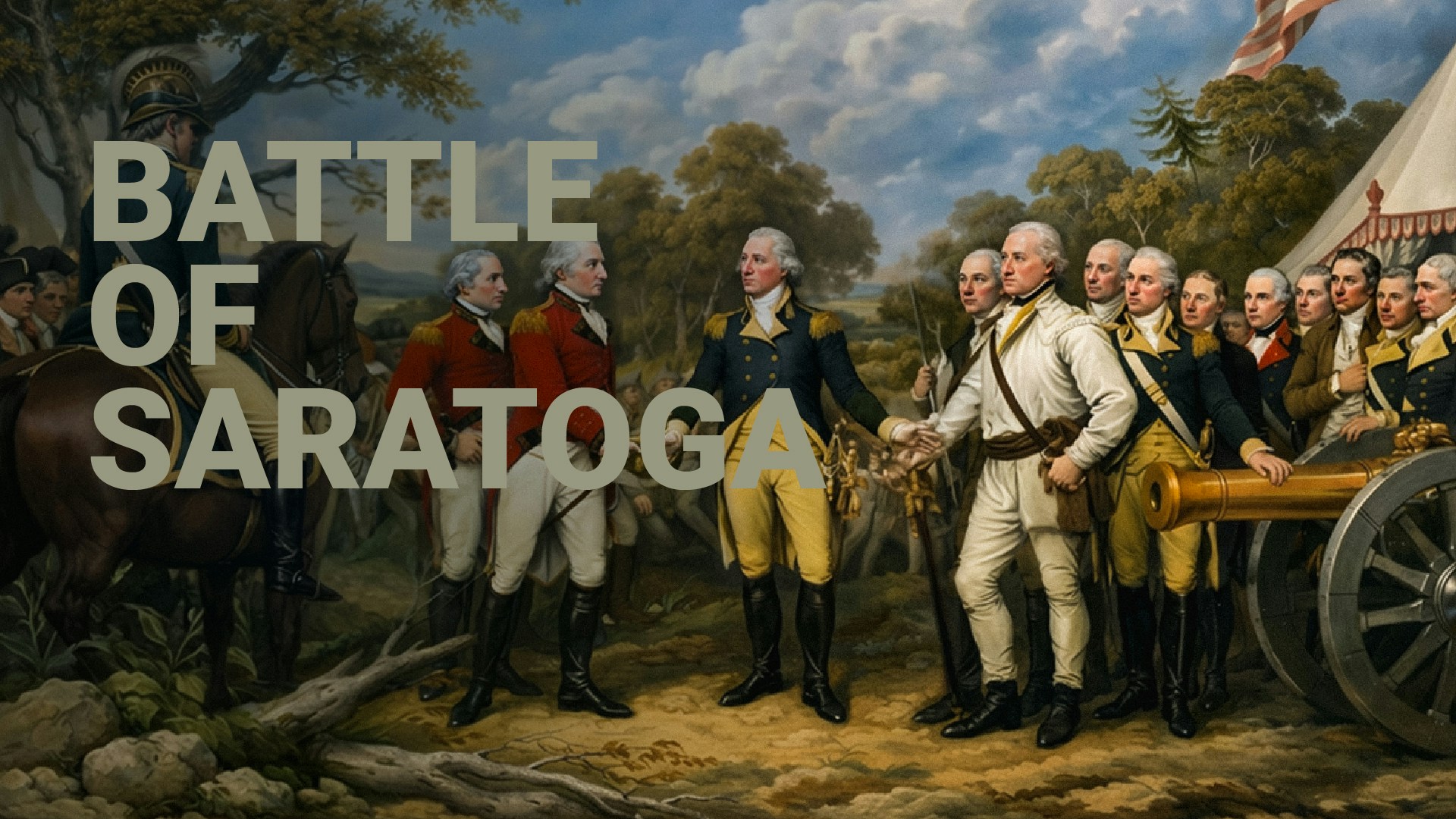
Two conflicts in 1777 at Saratoga, New York, proved to be turning points in the war. The first, on September 19, 1777 at Freeman’s Farm, saw an exchange between equally matched battalions end in a technical victory for the British but its army…
03:01
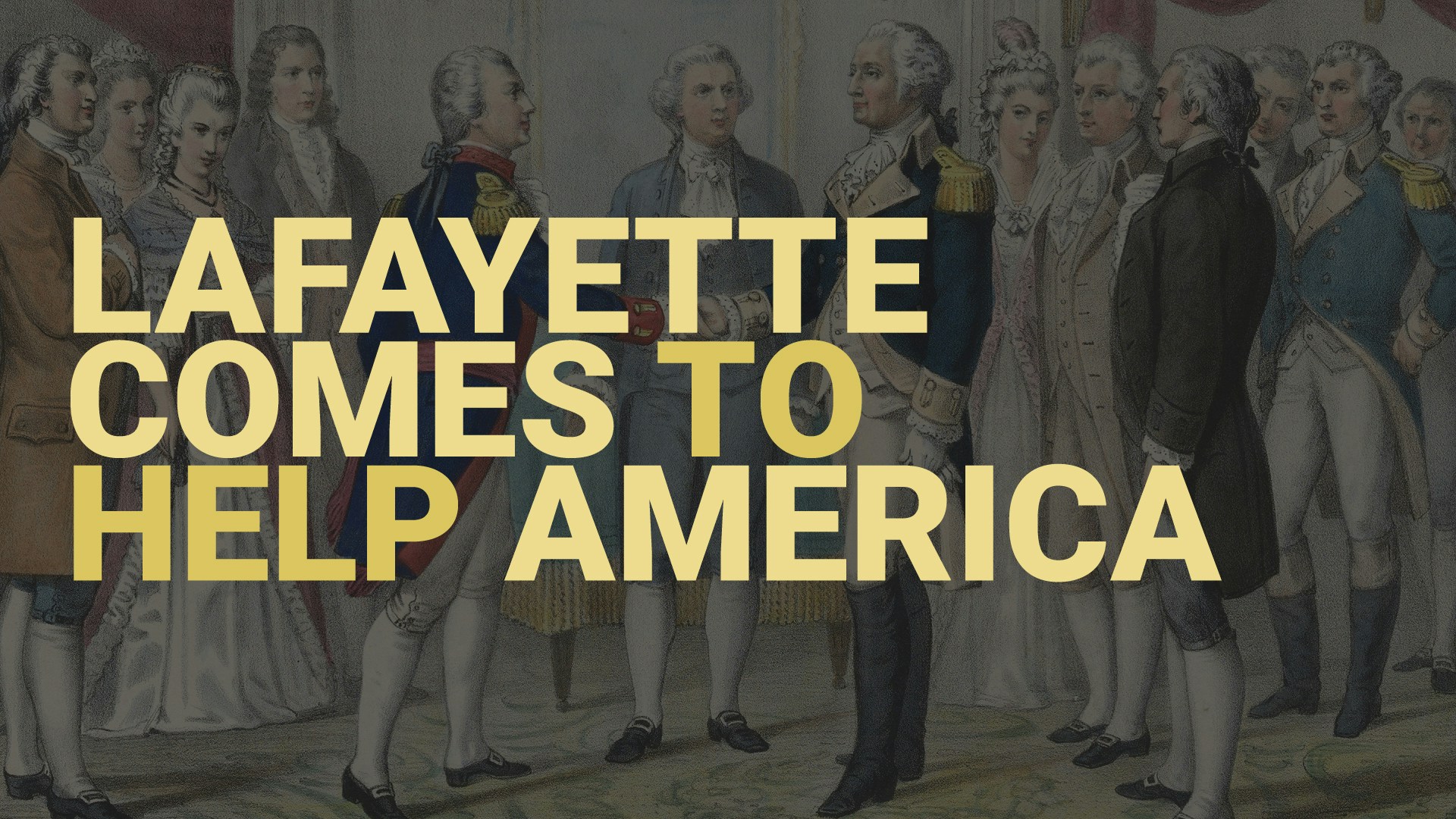
At the age of 19, the Marquis de Lafayette crossed the Atlantic and joined General Washington’s Continental Army. Inspired by the promise of liberty made by the new nation’s Founding Fathers, and despite a royal decree prohibiting French officers…
04:08
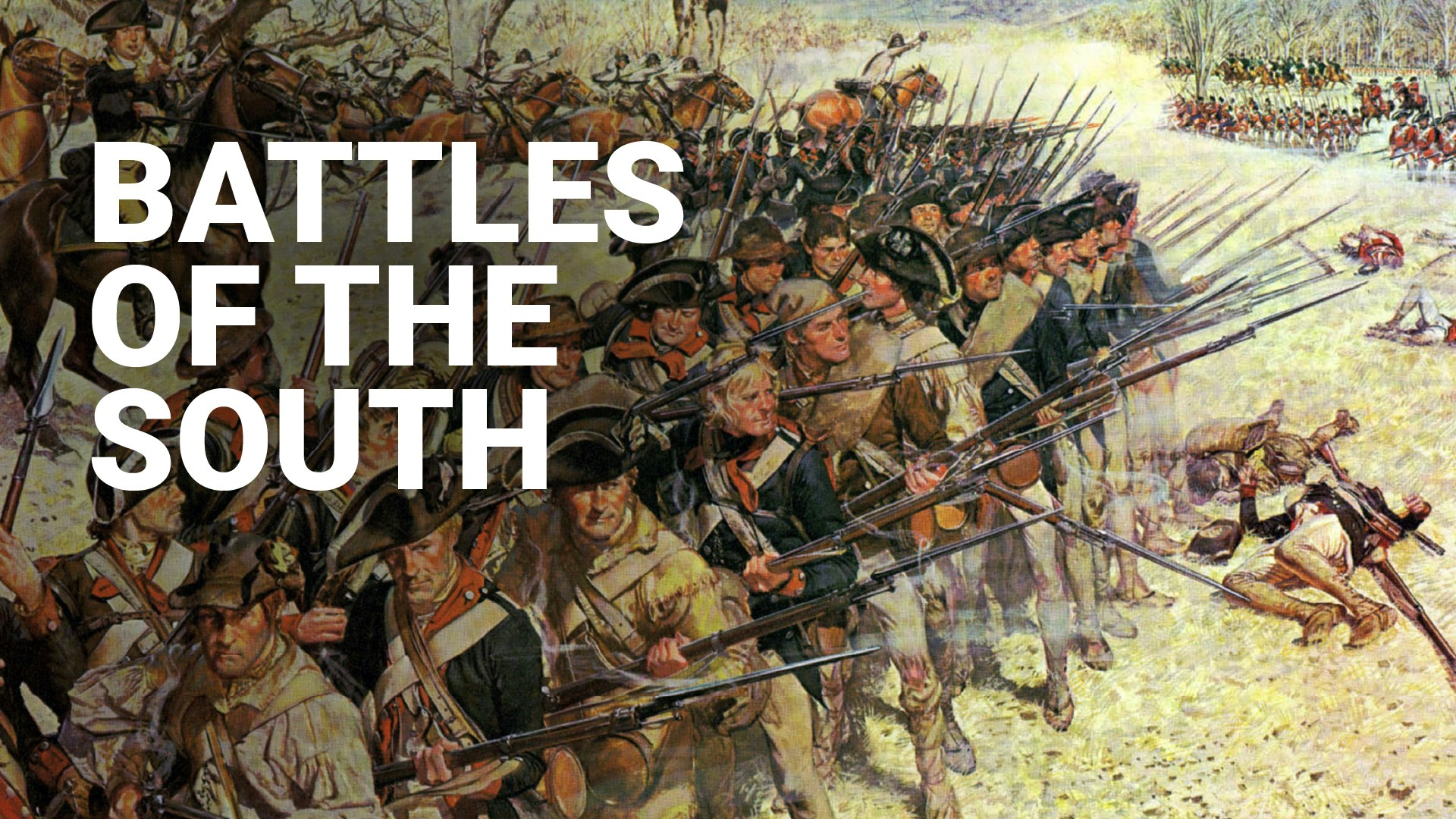
The Revolutionary War began in the northeastern colonies and traveled southward to the homes of Washington, Jefferson, and Madison. The British Southern Strategy was a plan to win the war by concentrating their efforts in the south, where they…
02:28
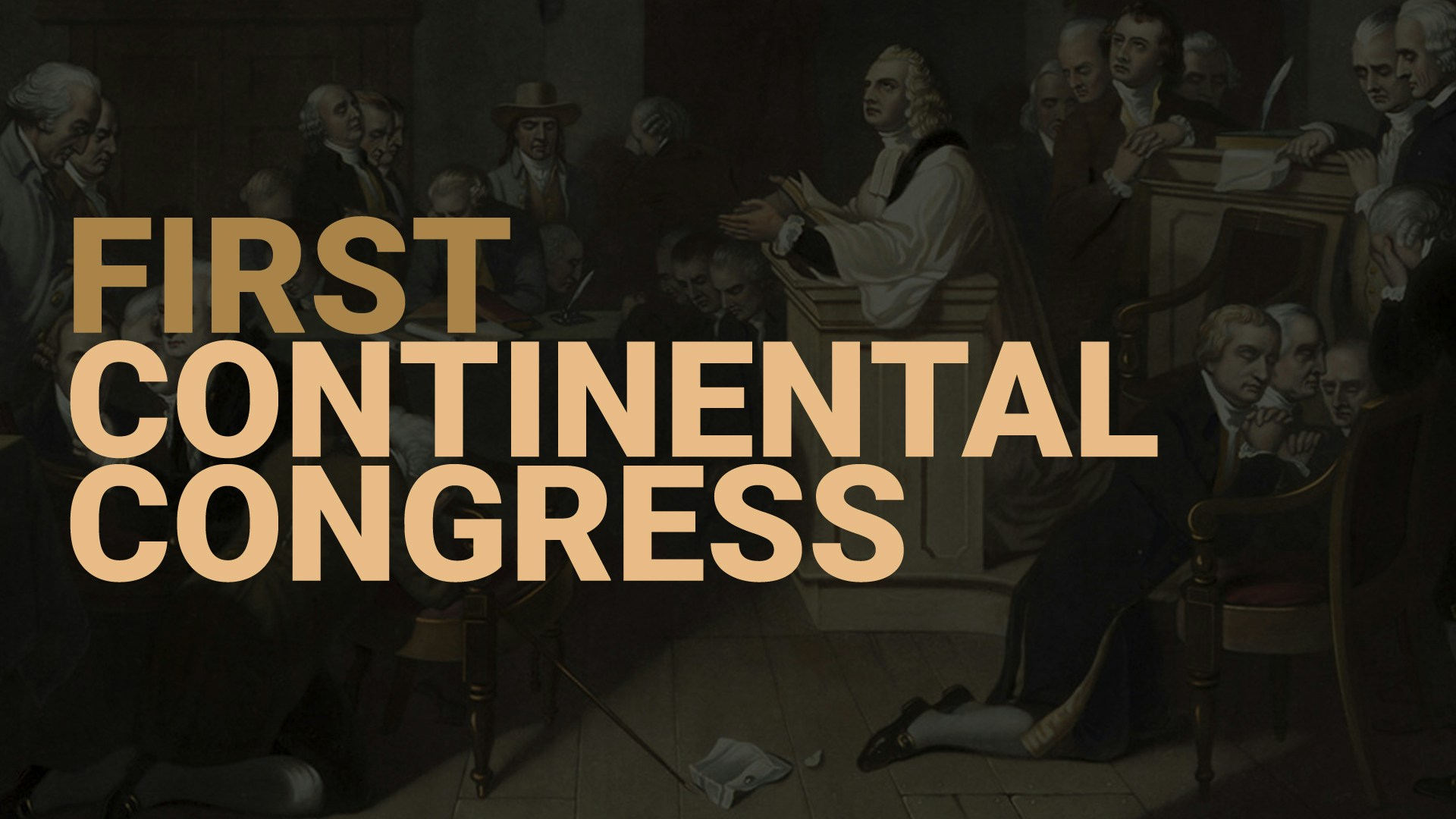
On September 5, 1774, the First Continental Congress convened at Carpenters’ Hall in Philadelphia, Pennsylvania, to voice their opposition to British tyranny and establish principles common to all the colonies, including life, liberty, and property.
01:53
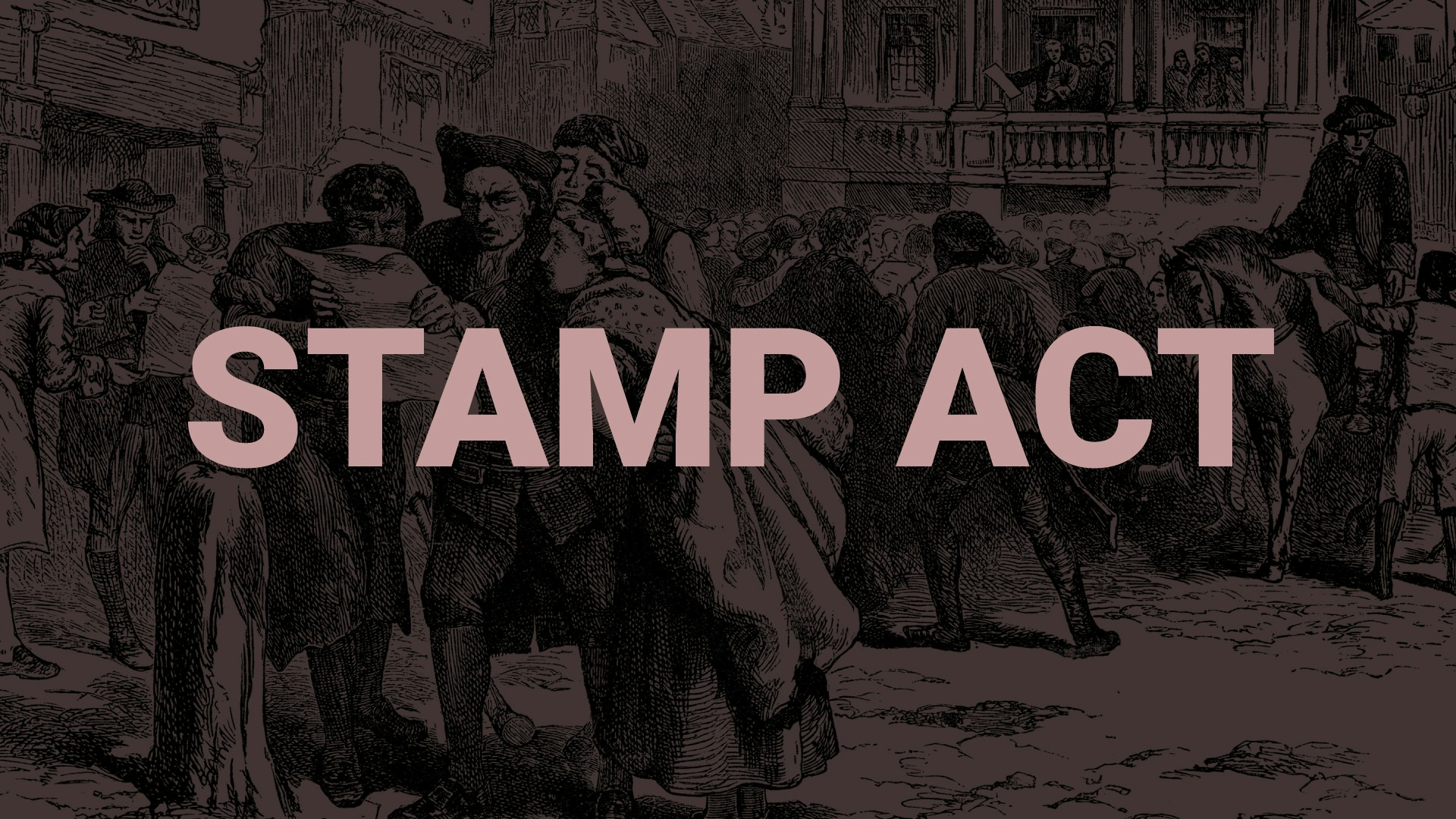
In 1765, Britain faced a major financial crisis. After nearly a decade of war with France over control of North American territories, the empire had won vast territory east of the Mississippi River—but almost doubled their national debt.
04:34
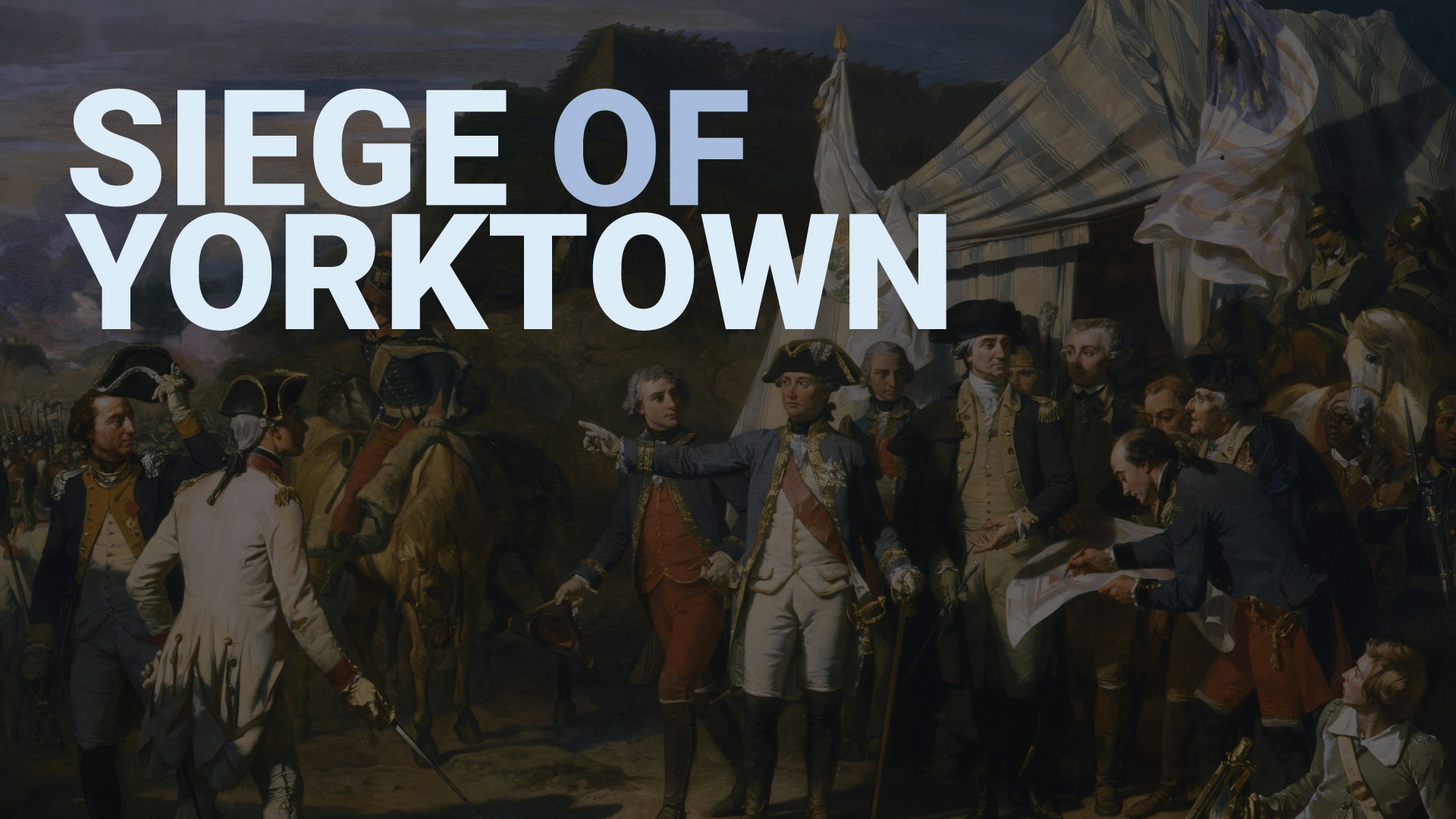
The final battle of the Revolutionary War–the surrender at Yorktown, Virginia–marked the end of the lengthy war between the British and the new United States.
03:42
By the time news of Cornwallis's surrender at Yorktown had reached Parliament on November 25, 1781, Lord North had resolved to suspend all further military operations in the colonies.
04:04
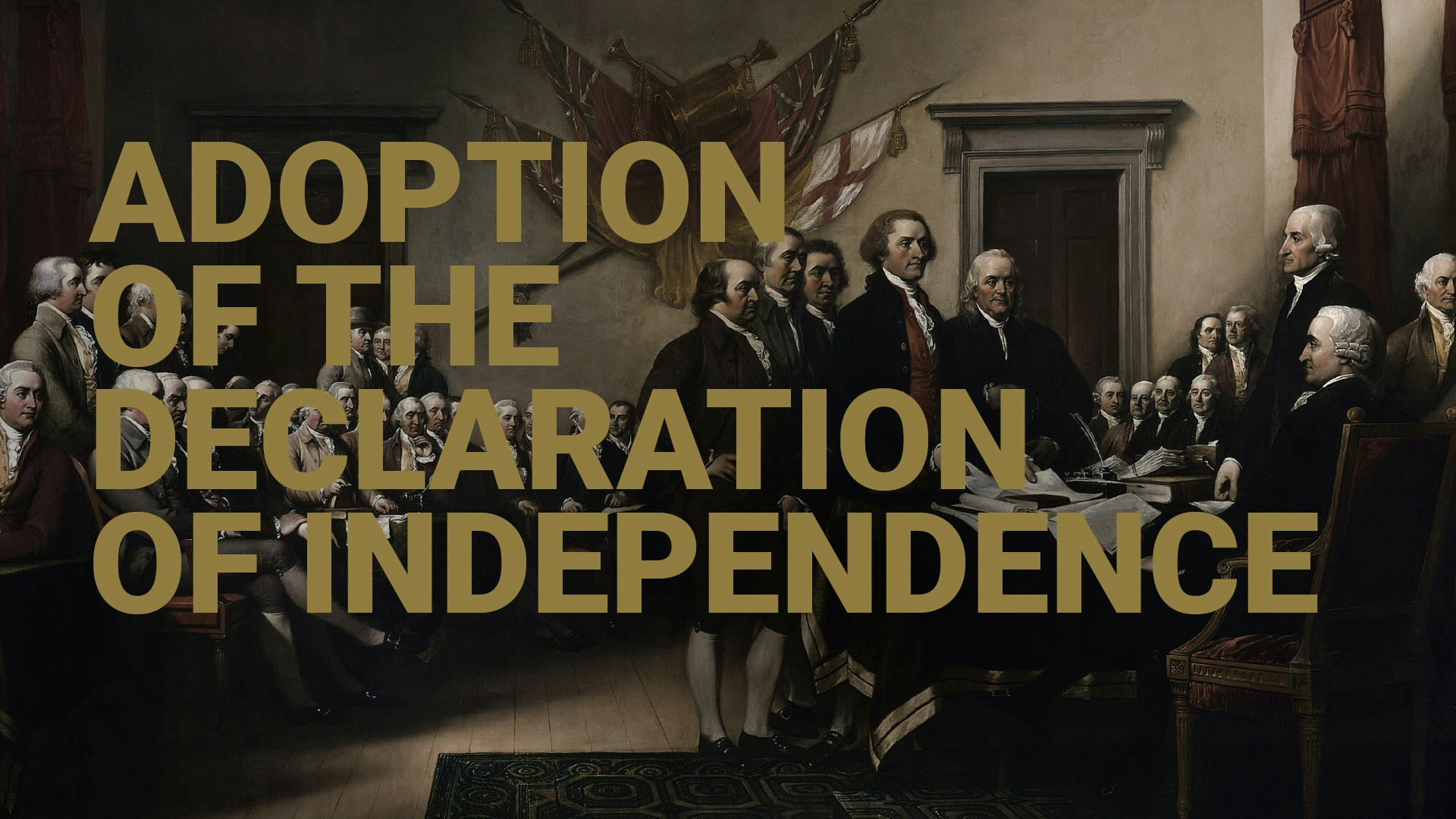
The Declaration of Independence, adopted by the Continental Congress on July 4, 1776, is one of the most beautiful and important political documents in history. Written primarily by Thomas Jefferson, the Declaration not only proclaimed American…
04:29
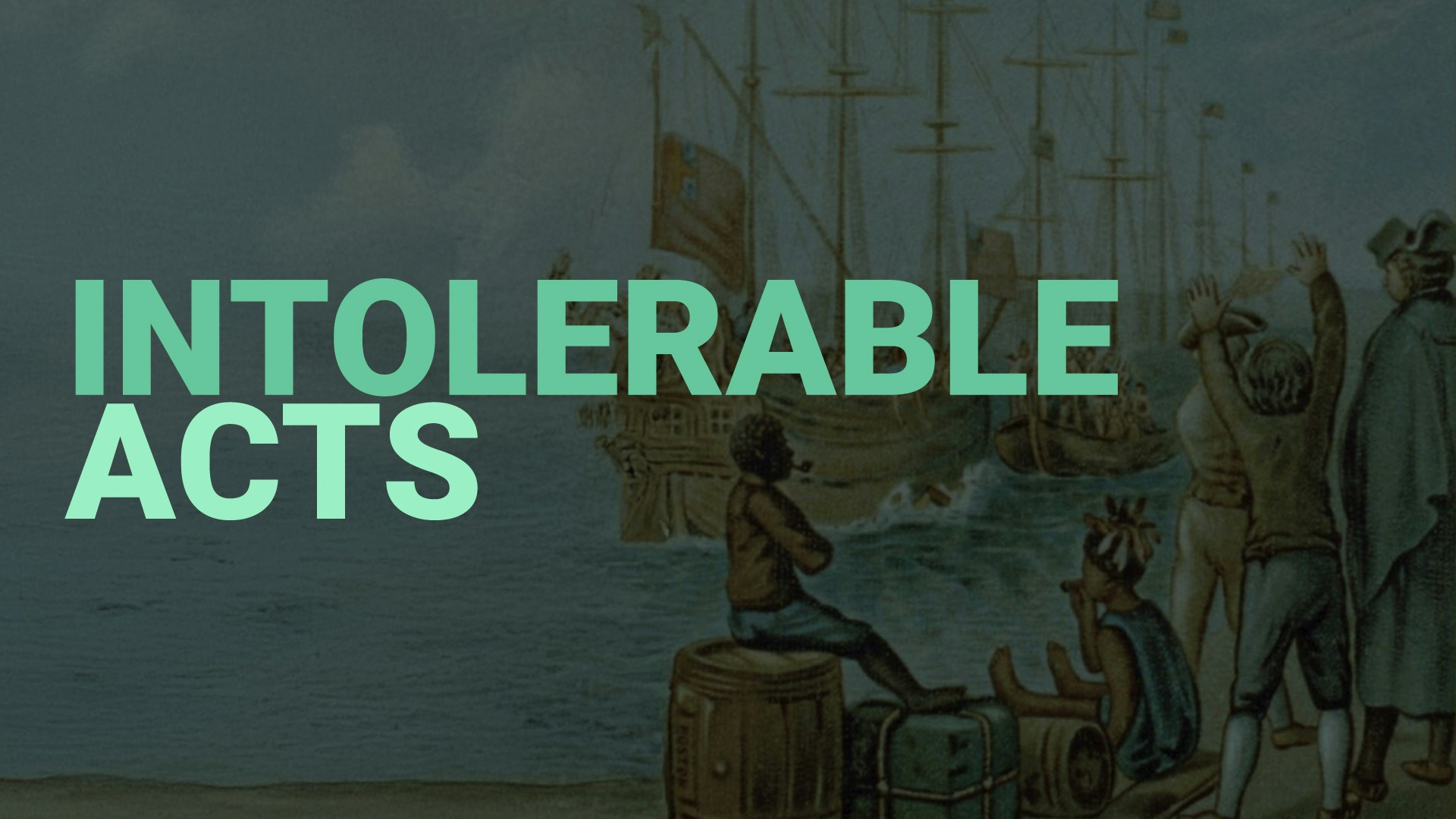
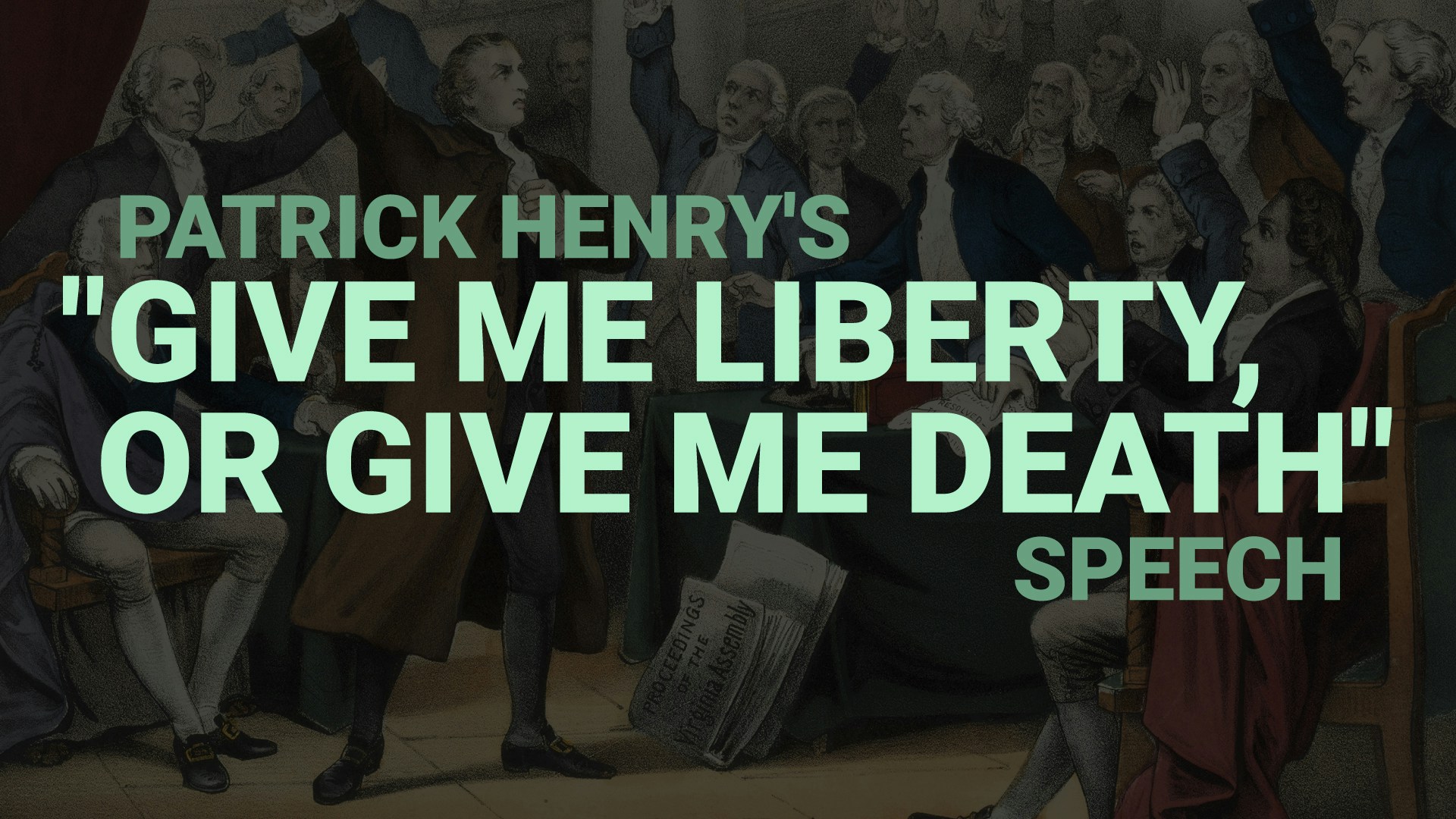
Following the increasingly tyrannical actions of the British government, including the Boston Massacre and British Parliament’s imposition of the Coercive Acts, which colonists called “The Intolerable Acts”, the Second Virginia Convention assembled…
05:54
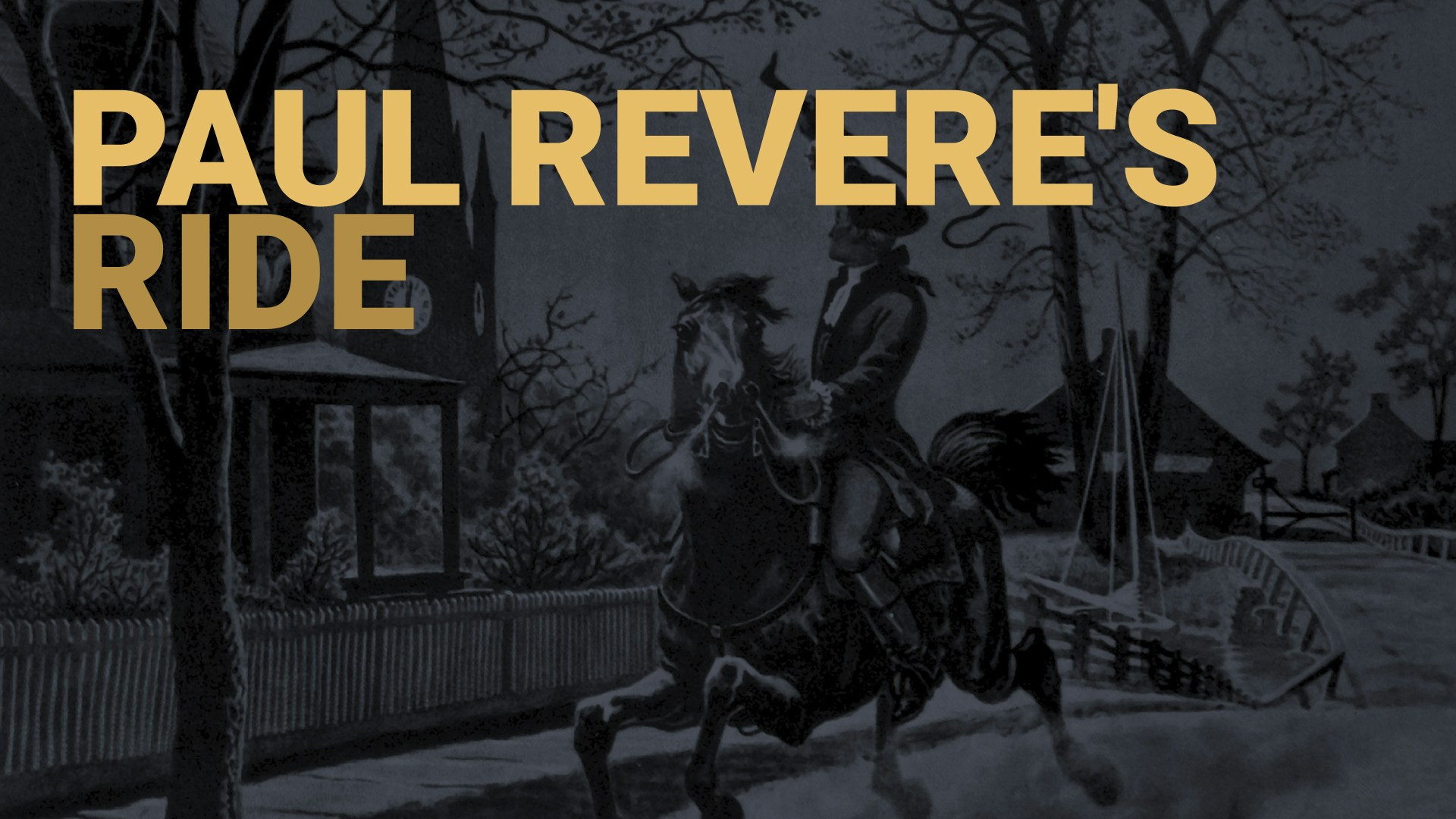
Paul Revere, a Boston silversmith and committed patriot, was a member of The Sons of Liberty, which among other things, gathered intelligence and tracked British military movements. Working with Dr.
04:56
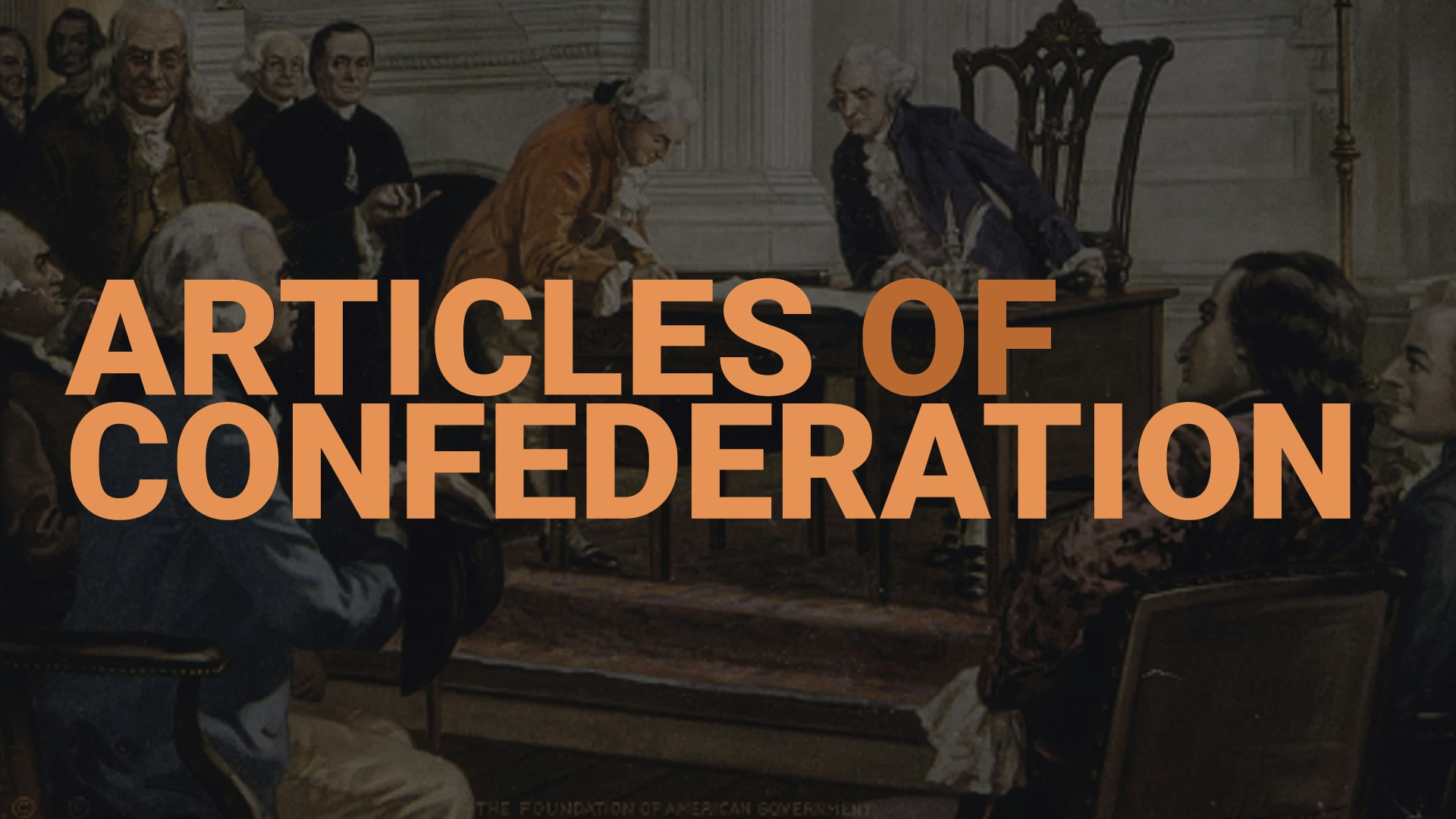
After members of the Second Continental Congress signed the Declaration of Independence on July 4, 1776, the body began drafting the Articles of Confederation and Perpetual Union, the first governing document of an independent nation. The Articles…
05:43
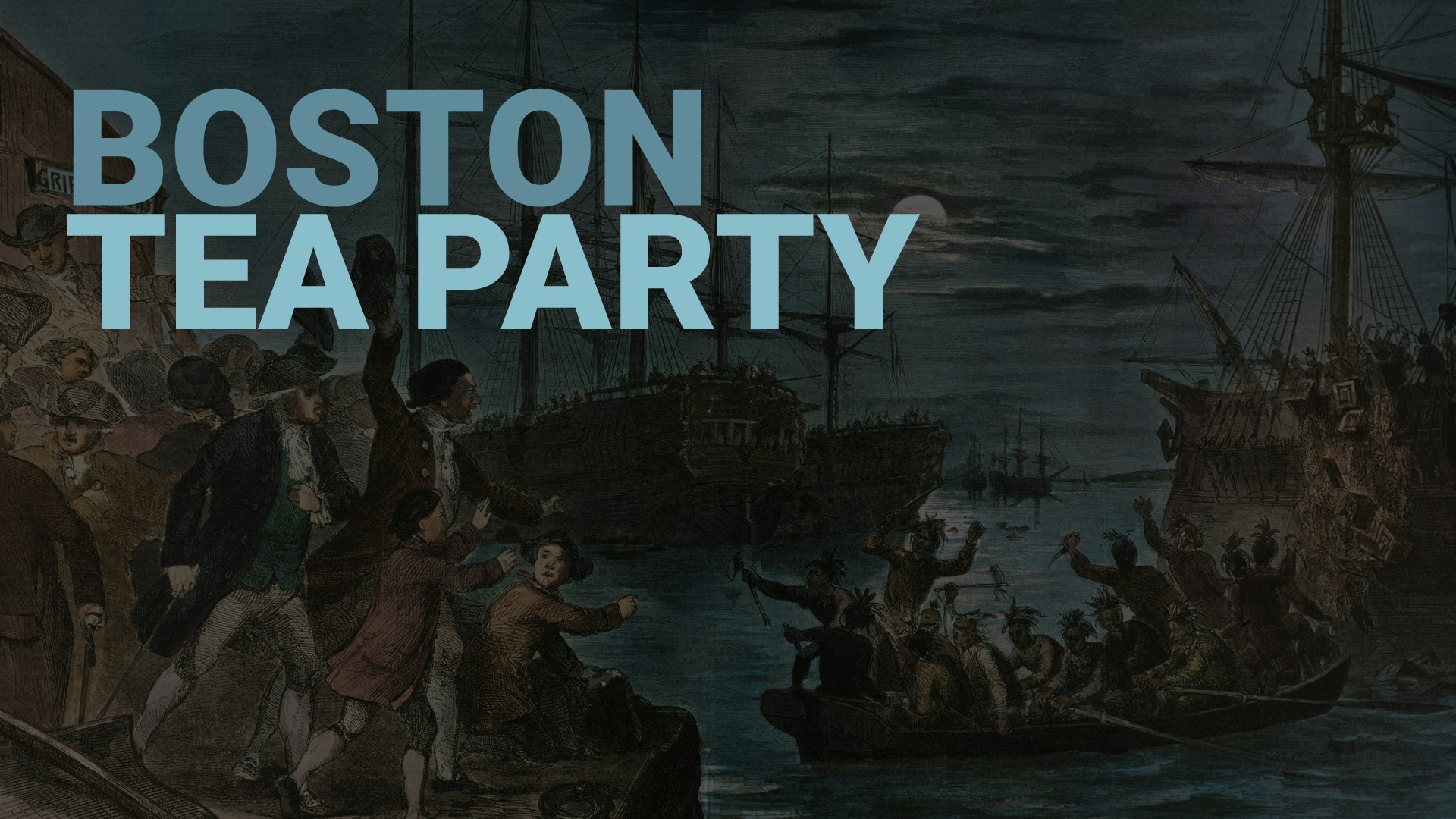
The Boston Tea Party is one of the most famous events in American history—but it wasn't the chaotic riot many imagine. In December 1773, a group of Boston patriots carried out a carefully planned operation against 342 chests of British East India…
05:12
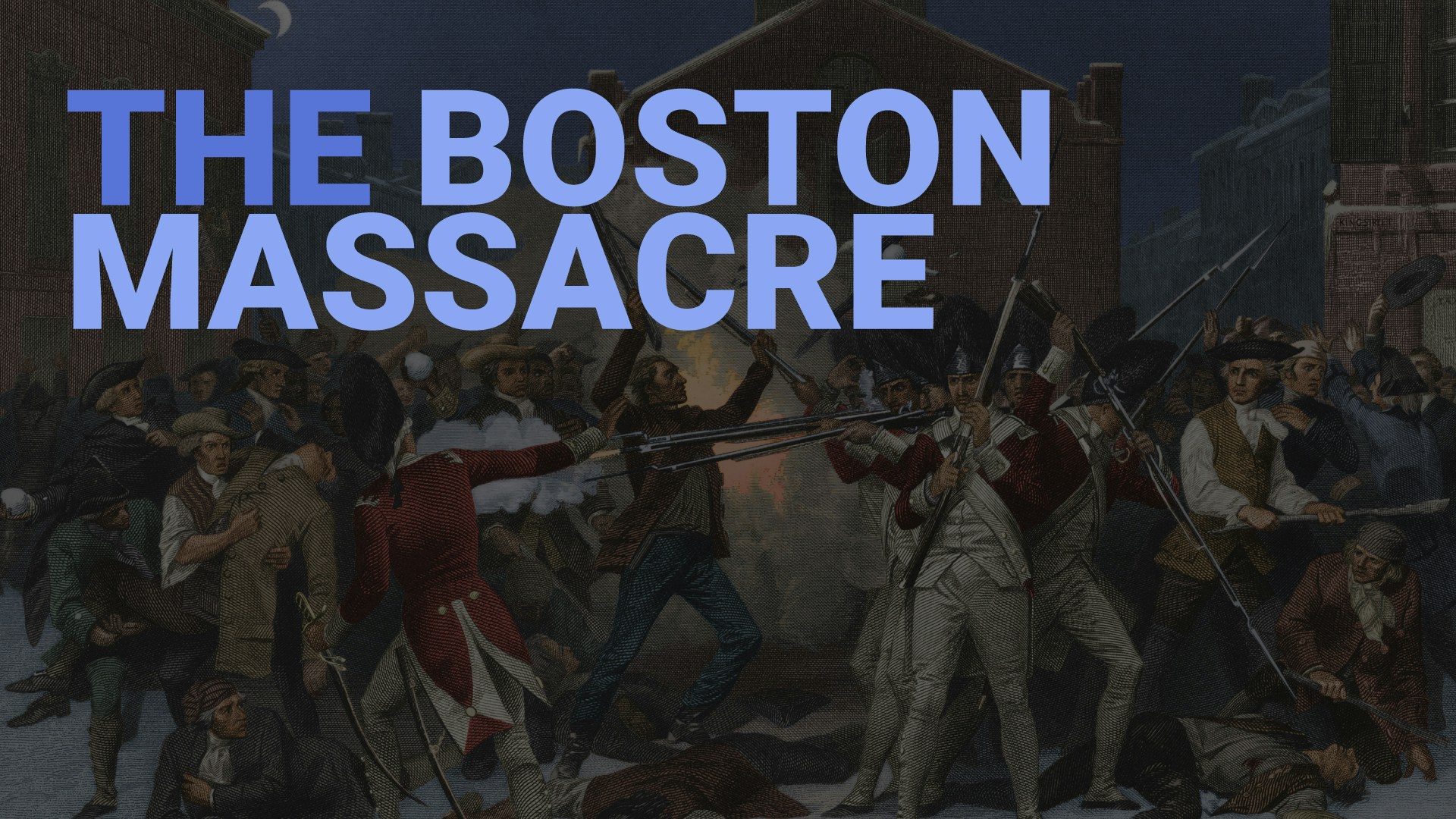
The Boston Massacre was more than a deadly clash in the streets of Boston on March 5, 1770. It became a battle over truth, justice, and public opinion that helped push the colonies closer to the American Revolution.
06:05
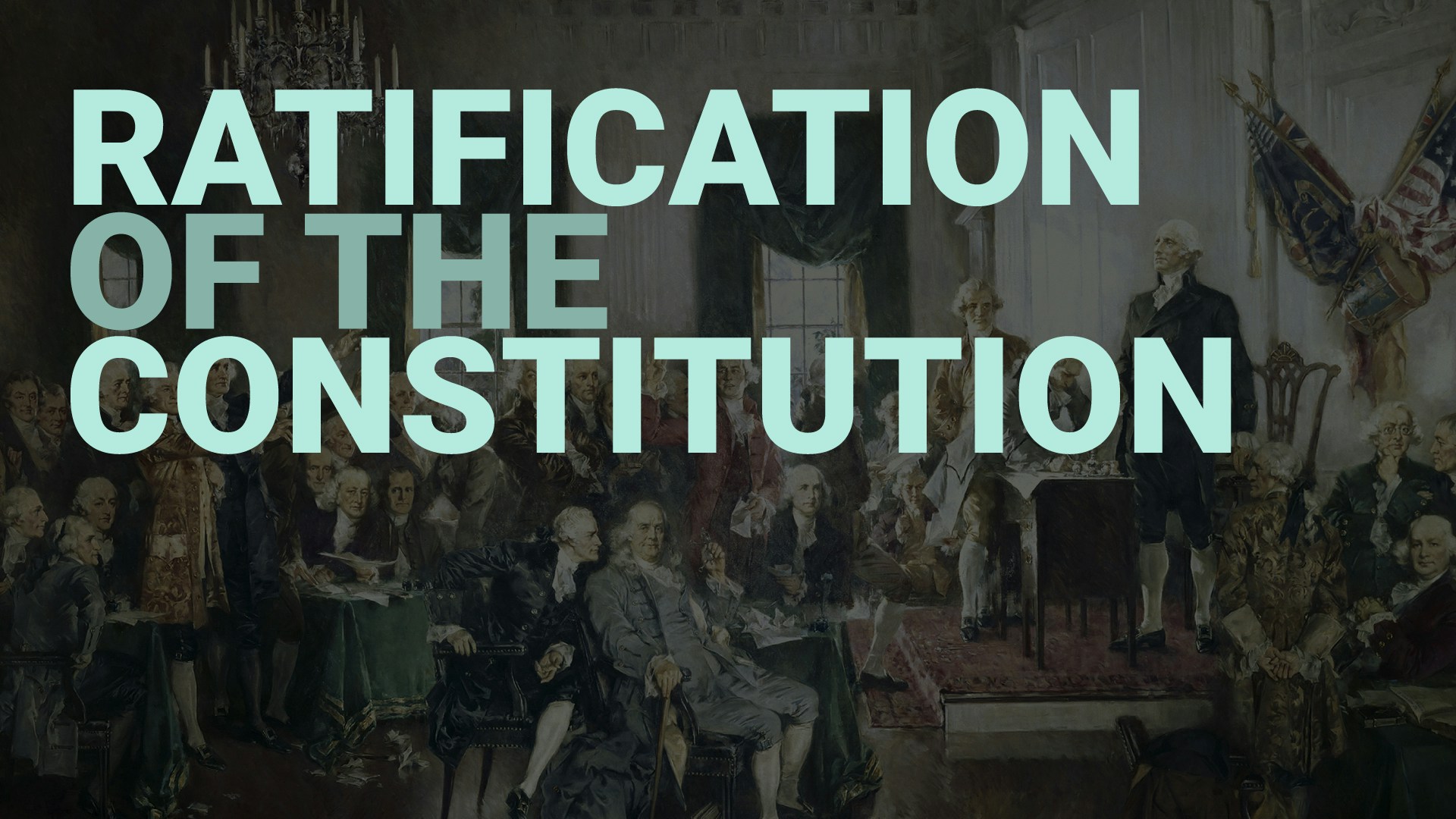
When the Constitution was signed in Philadelphia, America still wasn’t secure. The real battle was ratification—a state-by-state fight over federal power, individual rights, and whether the new nation could hold together at all. In the finale to…
04:25
Despite its misleading name, this conflict (also known as the Seven Years’ War) was a war between the French and the British, from 1754 to 1763, throughout what is now the American Northeast, for control over the Ohio River Valley and eventual…
07:12
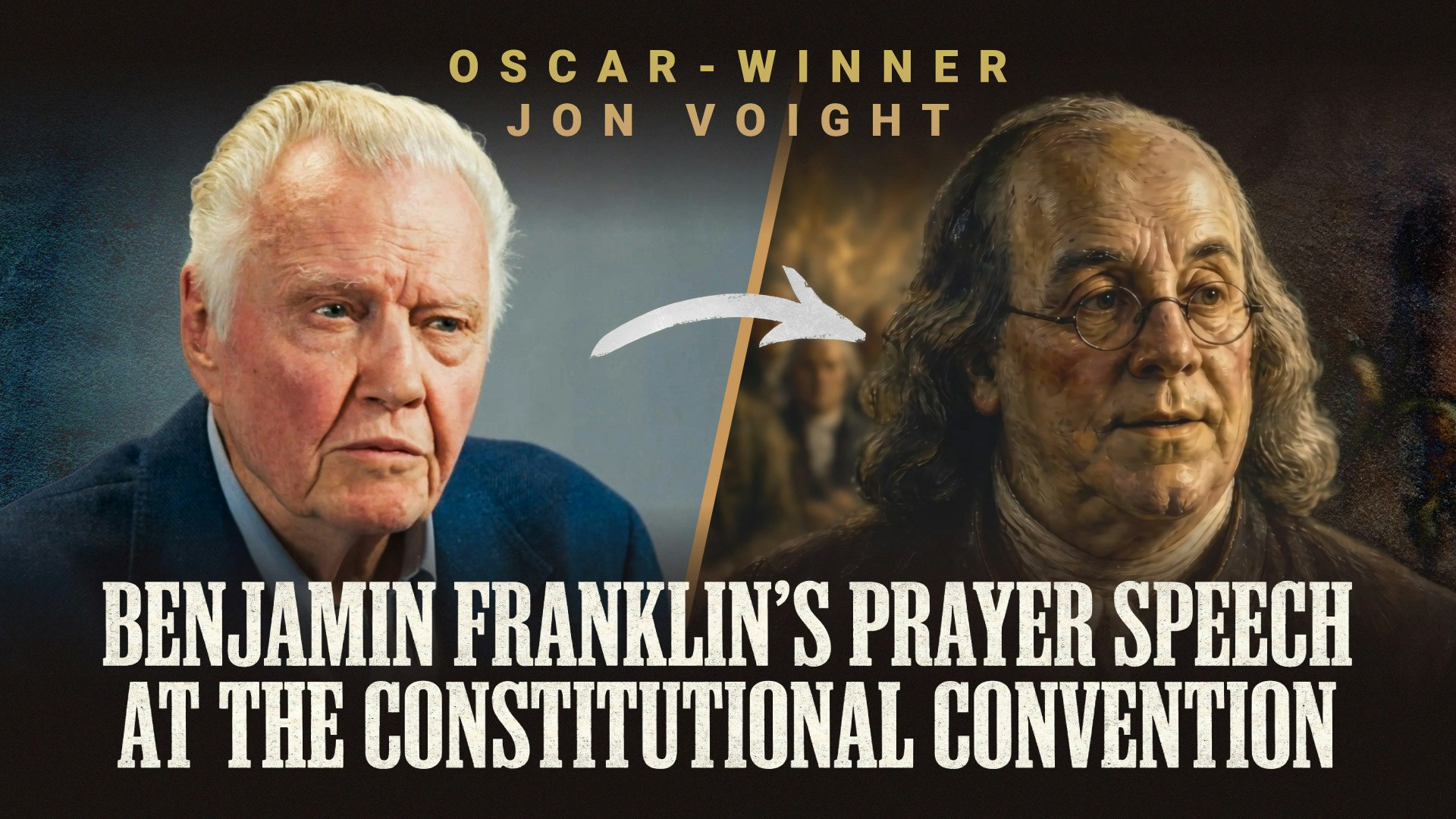
By the summer of 1787, the Constitutional Convention was on the verge of collapse. Delegates locked in stalemate, pulled apart by self-interest, competing state loyalties, and political gamesmanship.
No episodes match your search.