22:25
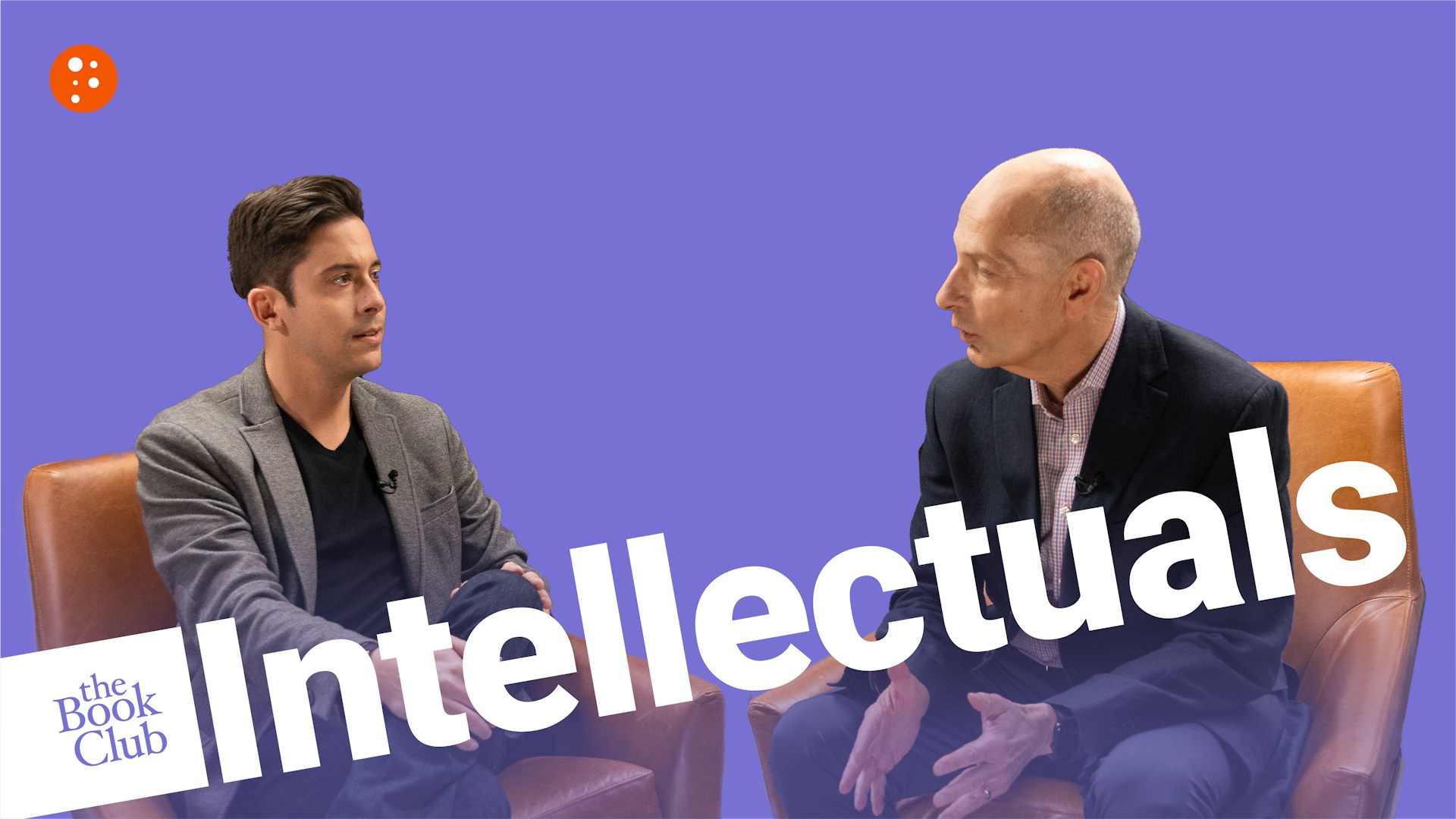
Thinkers from Karl Marx to Noam Chomsky have shaped political thought and transformed societies. In this episode of The Book Club, Michael Knowles and PragerU’s executive director, Allen Estrin, discuss Intellectuals by Paul Johnson and how the book…
27:37
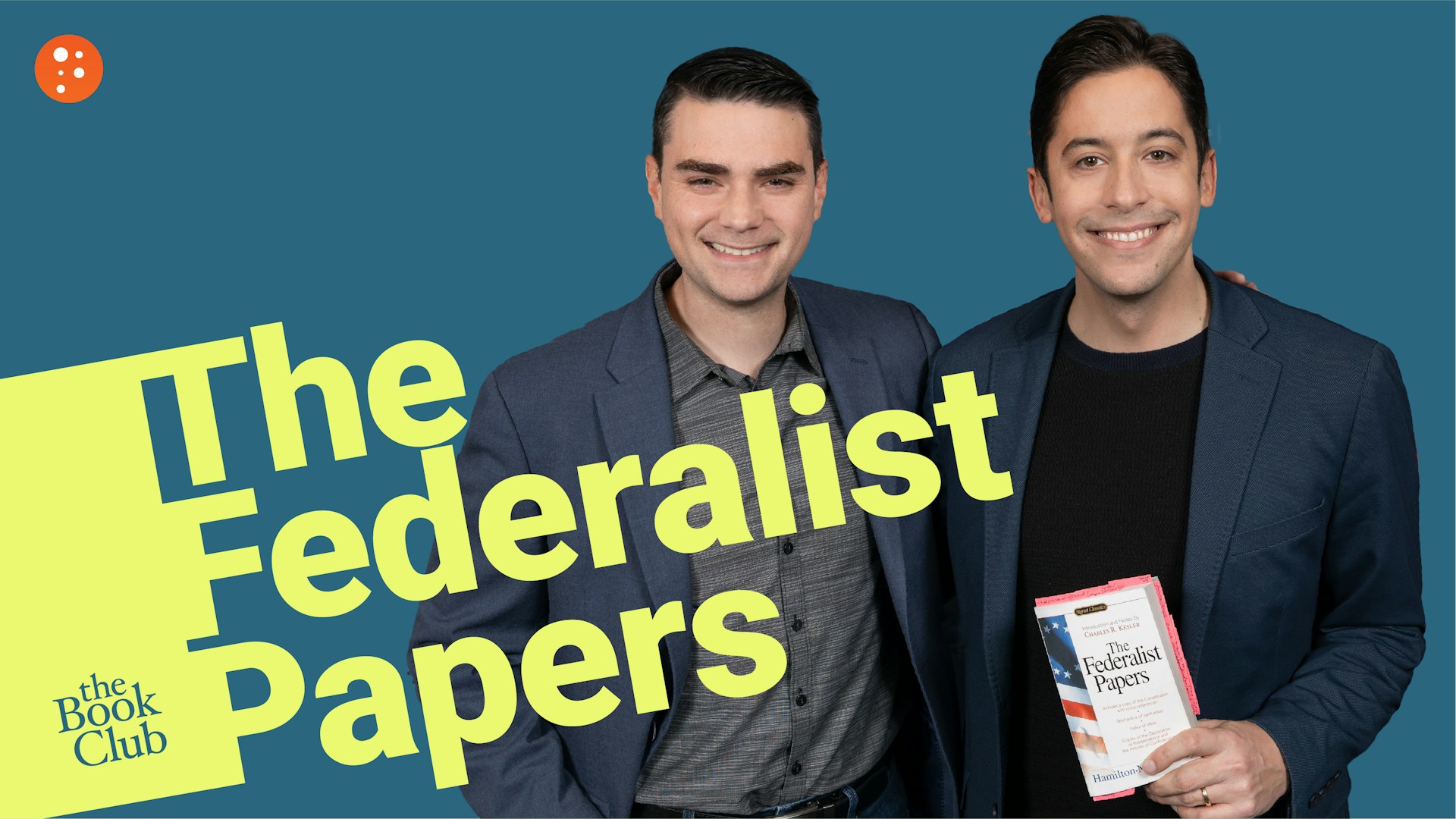
Do you understand the Constitution? What makes America different? Ben Shapiro joins Michael Knowles to discuss The Federalist Papers, a collection of essays written by Alexander Hamilton, James Madison, and John Jay.
24:59
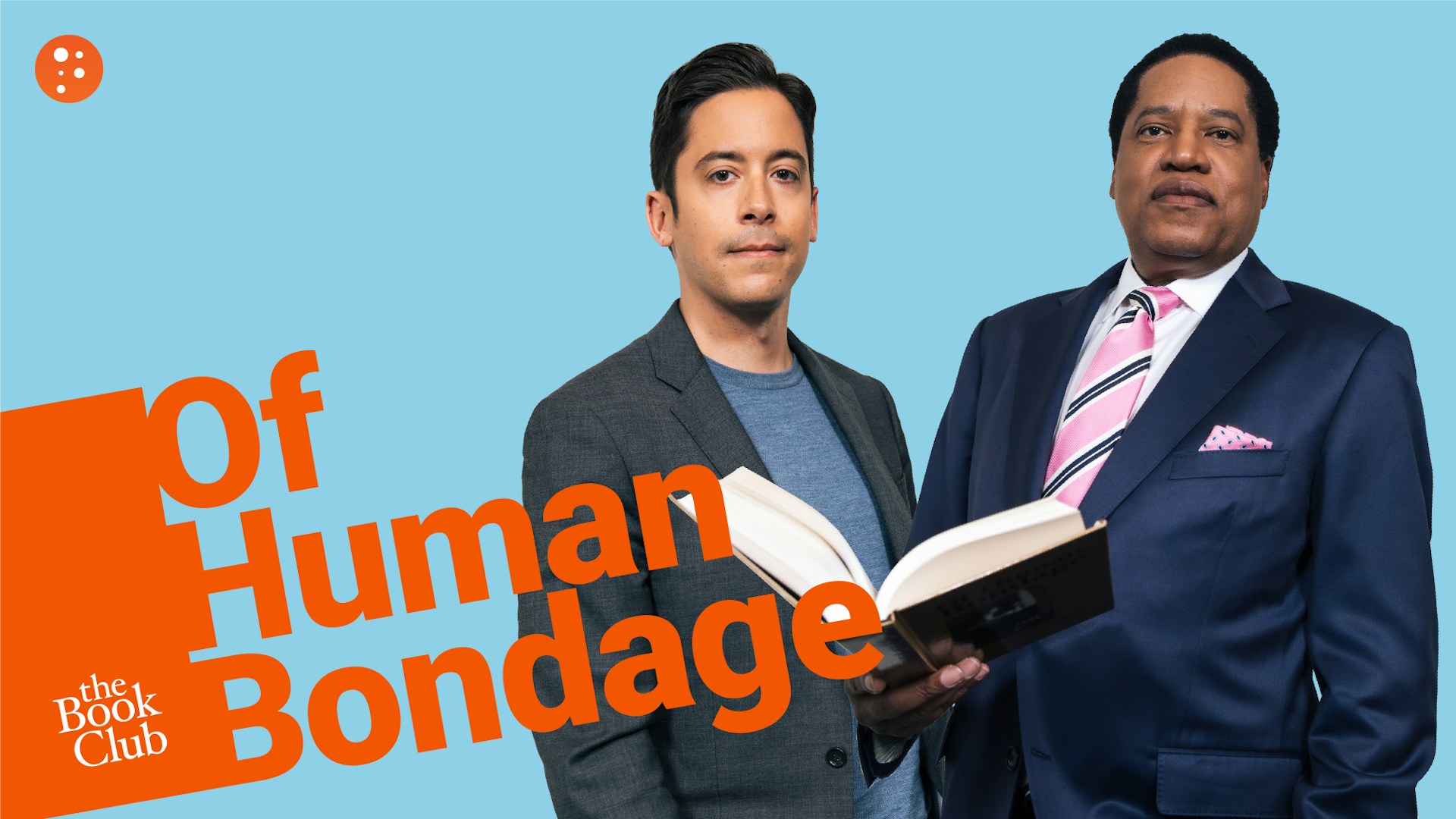
How do you find meaning in a world filled with cruelty? Michael Knowles and Larry Elder discuss the universal search for unconditional love as seen in the pages of W.
33:25
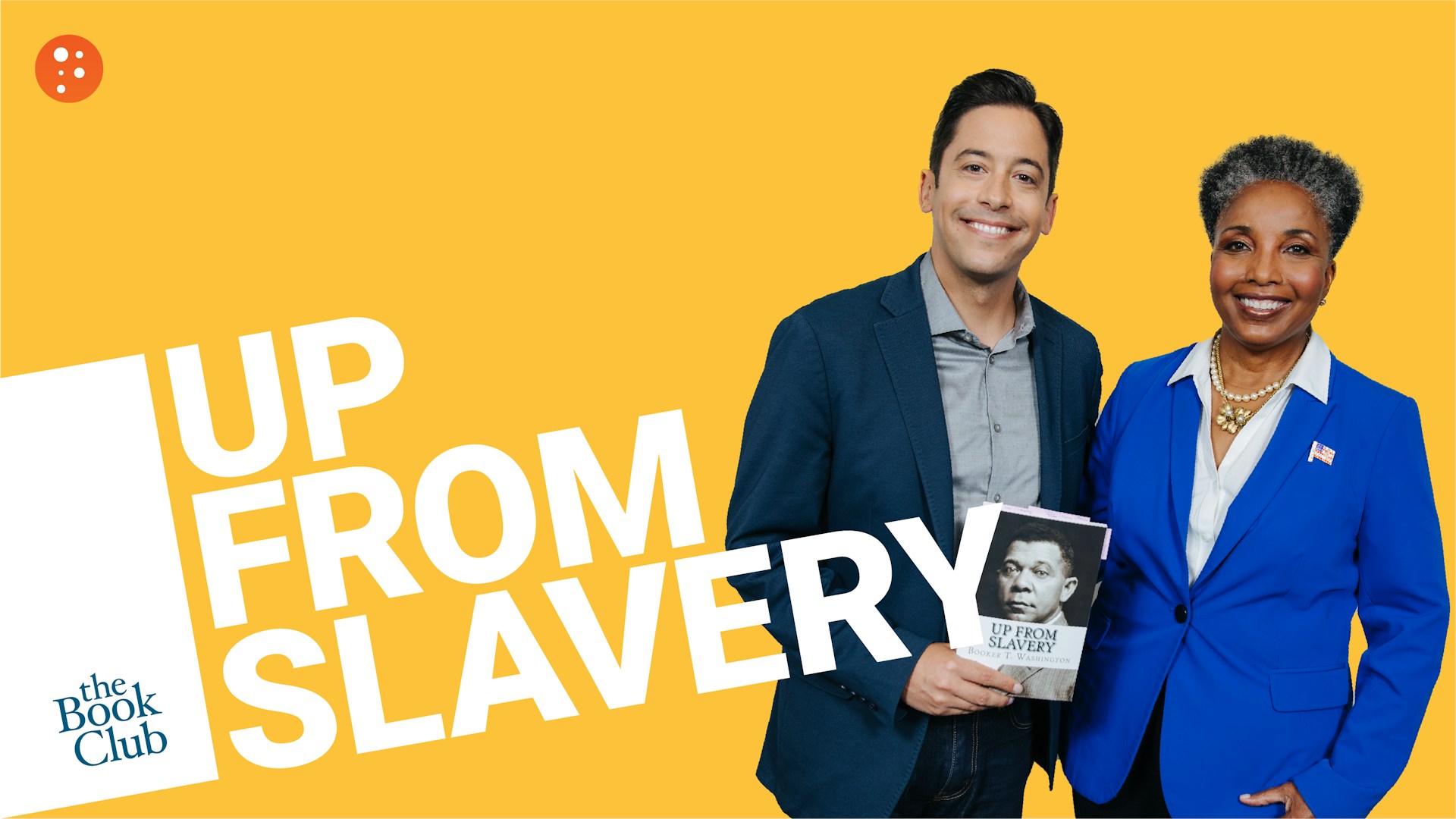
What is the key to racial reconciliation in our nation? Dr. Carol Swain joins Michael Knowles on this month’s episode of The Book Club to examine the life of Booker T.
39:06
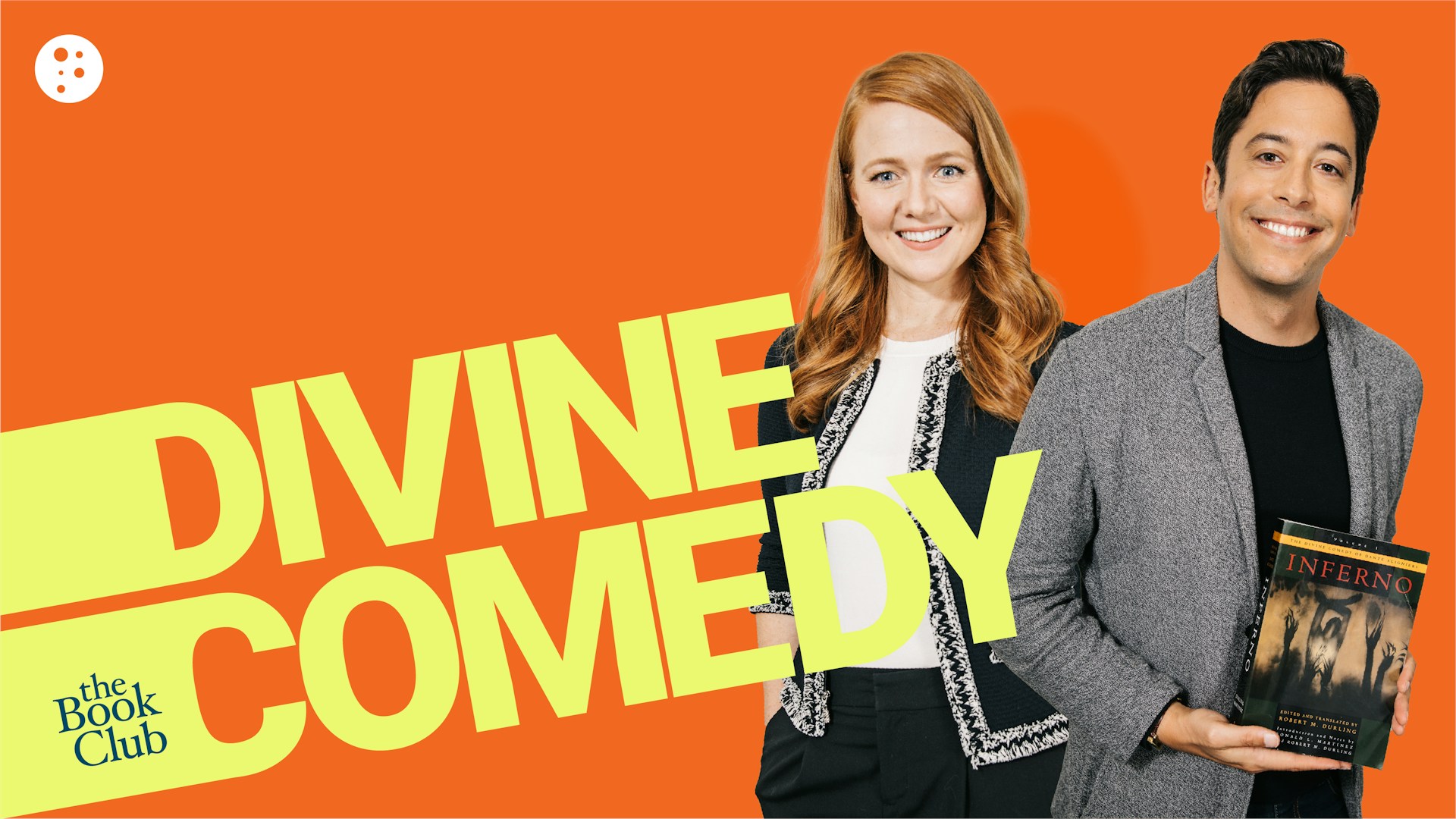
A man who has nothing left to lose is led through hell, purgatory, and heaven in this incomparable masterpiece. Dante scholar Catherine Illingworth joins Michael Knowles to discuss his favorite work of art ever composed: Dante’s Divine Comedy. In…
30:08
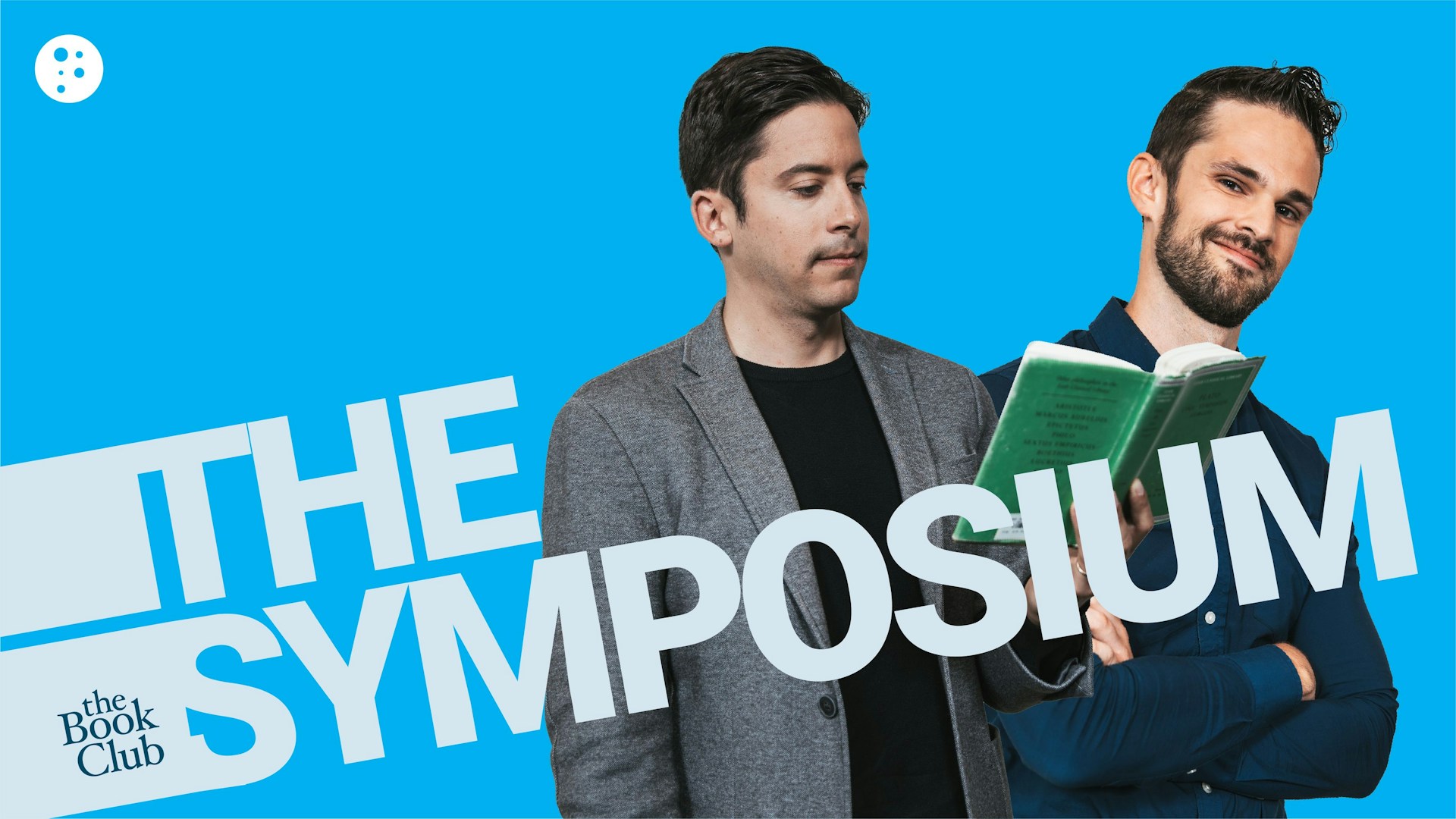
Love is an innate desire of every human being, but how do you define it and what is its purpose in relationships? Michael Knowles and Spencer Klavan take you through one of the most collective philosophical texts on love in Western literature…
28:47
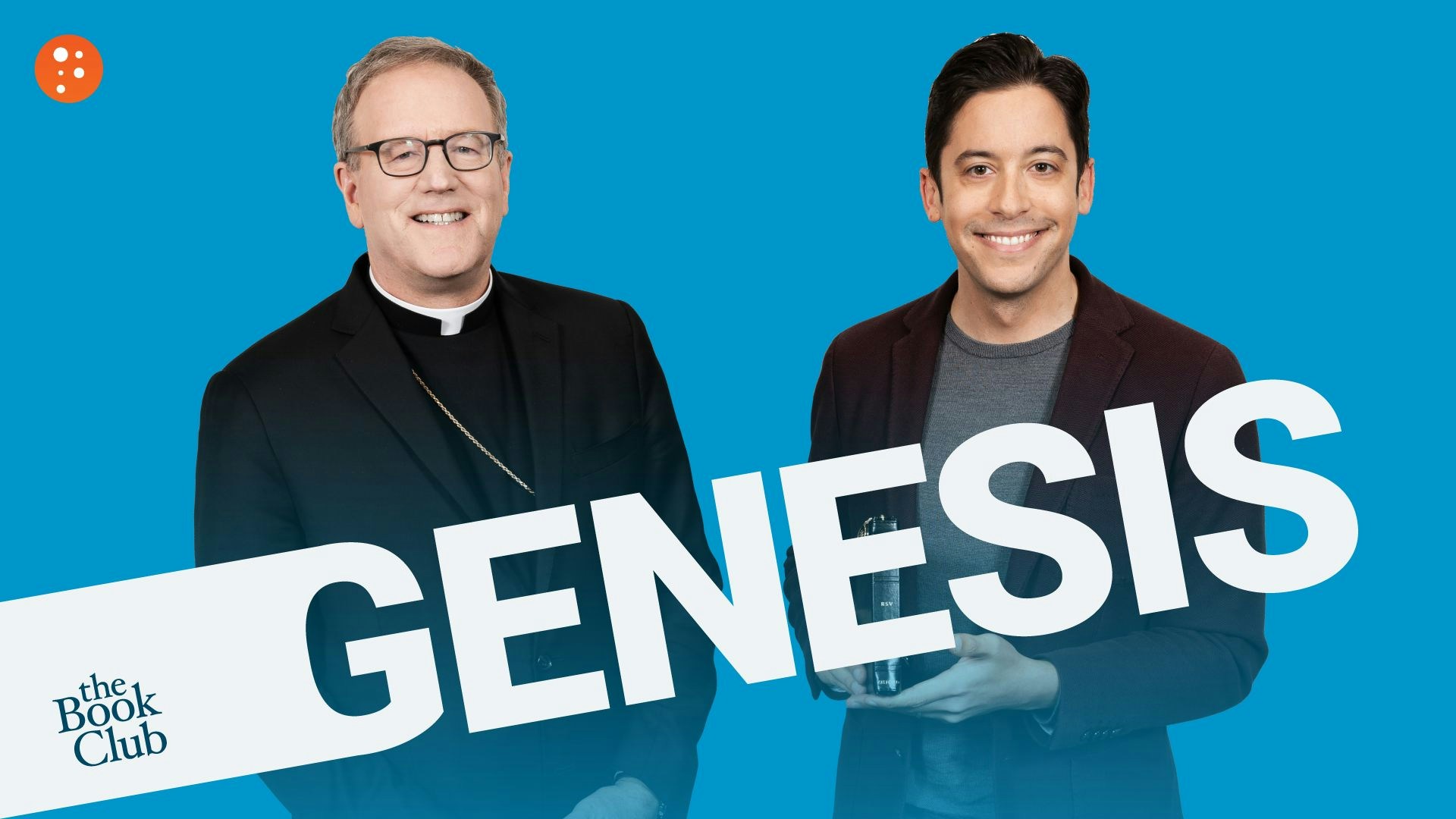
Biblical illiteracy is at an all-time high. Many Americans believe the Bible is archaic, even irrelevant to the changing culture. In this episode, Bishop Robert Barron and Michael Knowles take you through Genesis, the first book of the Bible, to…
28:05
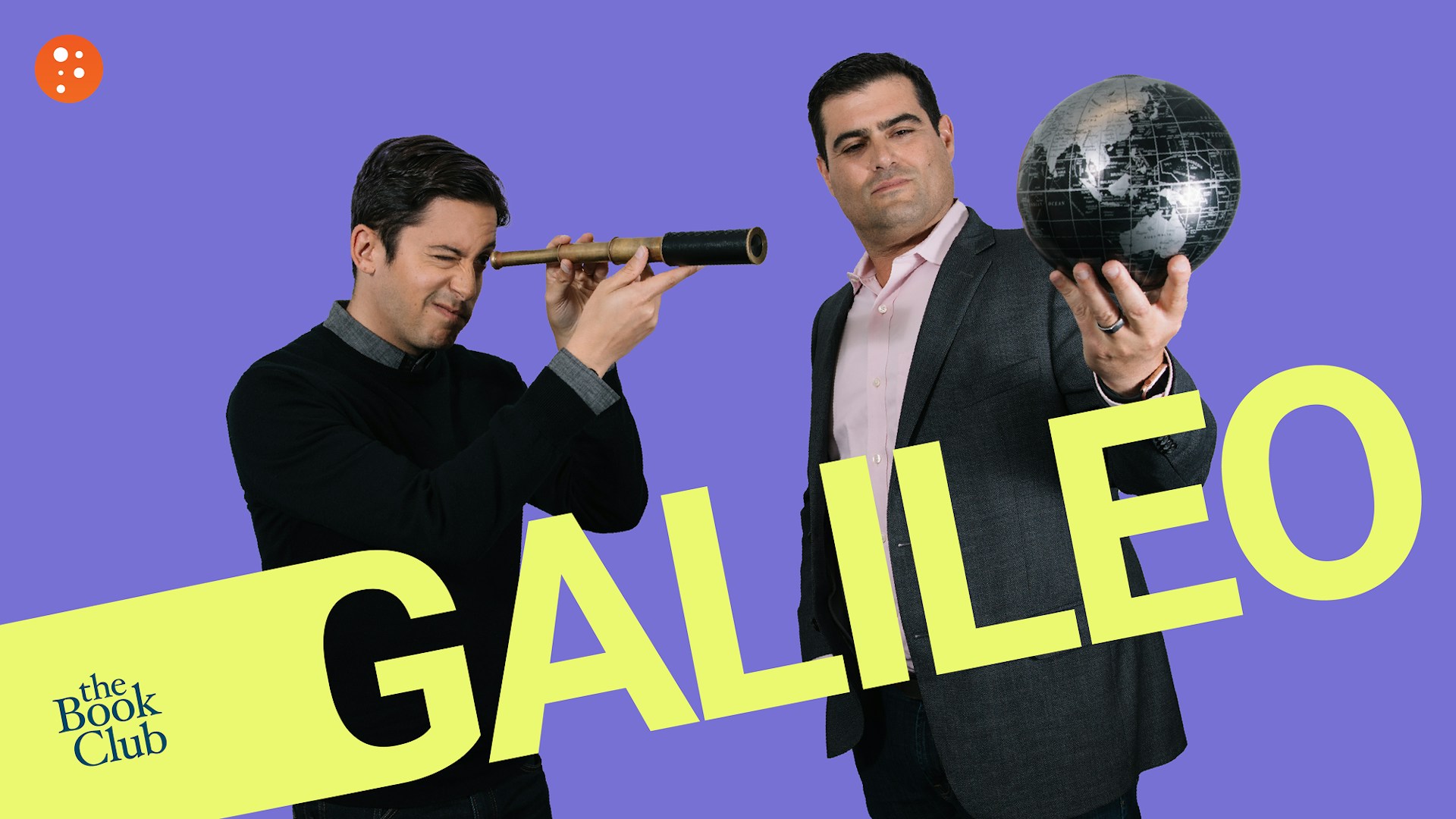
Galileo proved that the Earth revolved around the sun and was punished for challenging existing scientific theory. Are we seeing parallels today?
33:26
Is a life of duty and self-sacrifice noble or ridiculous? What can 21st-century readers take away from Middlemarch: A Study of Provincial Life, one of the great English novels?
32:13
Leo Tolstoy’s novella speaks volumes on mortality, conformity, societal expectations, and what it means to live an authentic life. Ivan Ilyich suffers on his deathbed until he is able to fully confront his mortality.
32:28
What if you could listen in on a conversation between two devils? C.S. Lewis’s The Screwtape Letters takes you through letters between Screwtape, a high-ranking demon in the underworld, and his inexperienced nephew, Wormwood, and their plan to…
32:51
On this episode of The Book Club, Michael Knowles and Farah Jimenez discuss Race and Culture, Thomas Sowell’s powerful analysis on why culture has a profound impact on the socioeconomic outcomes of different minority groups.
35:51
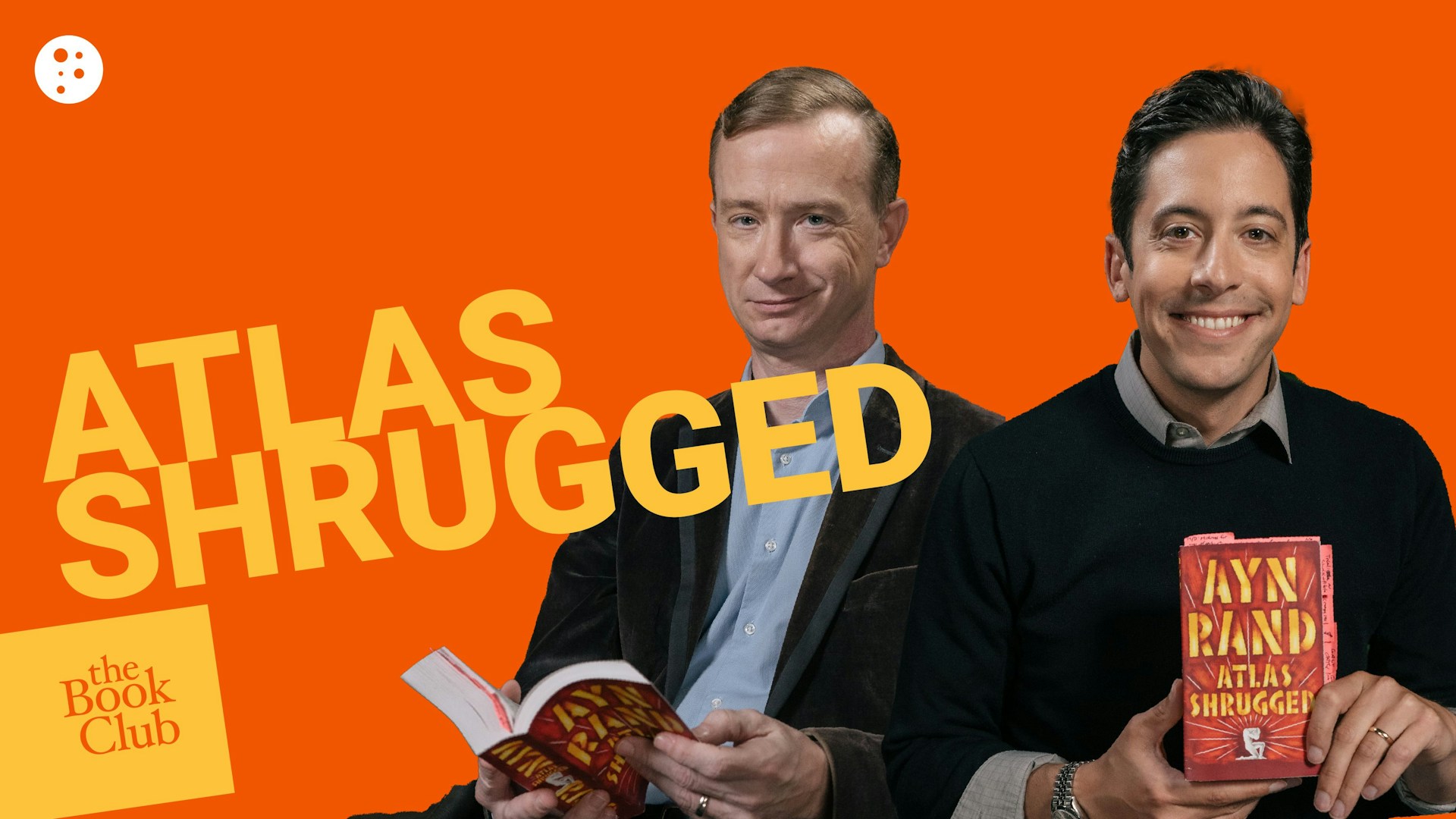
Ayn Rand’s Atlas Shrugged, named by readers in 1991 as the most influential book after the Bible, is a novelized warning about the allure and evils of socialism. What happens when the most productive members in society give up?
37:16
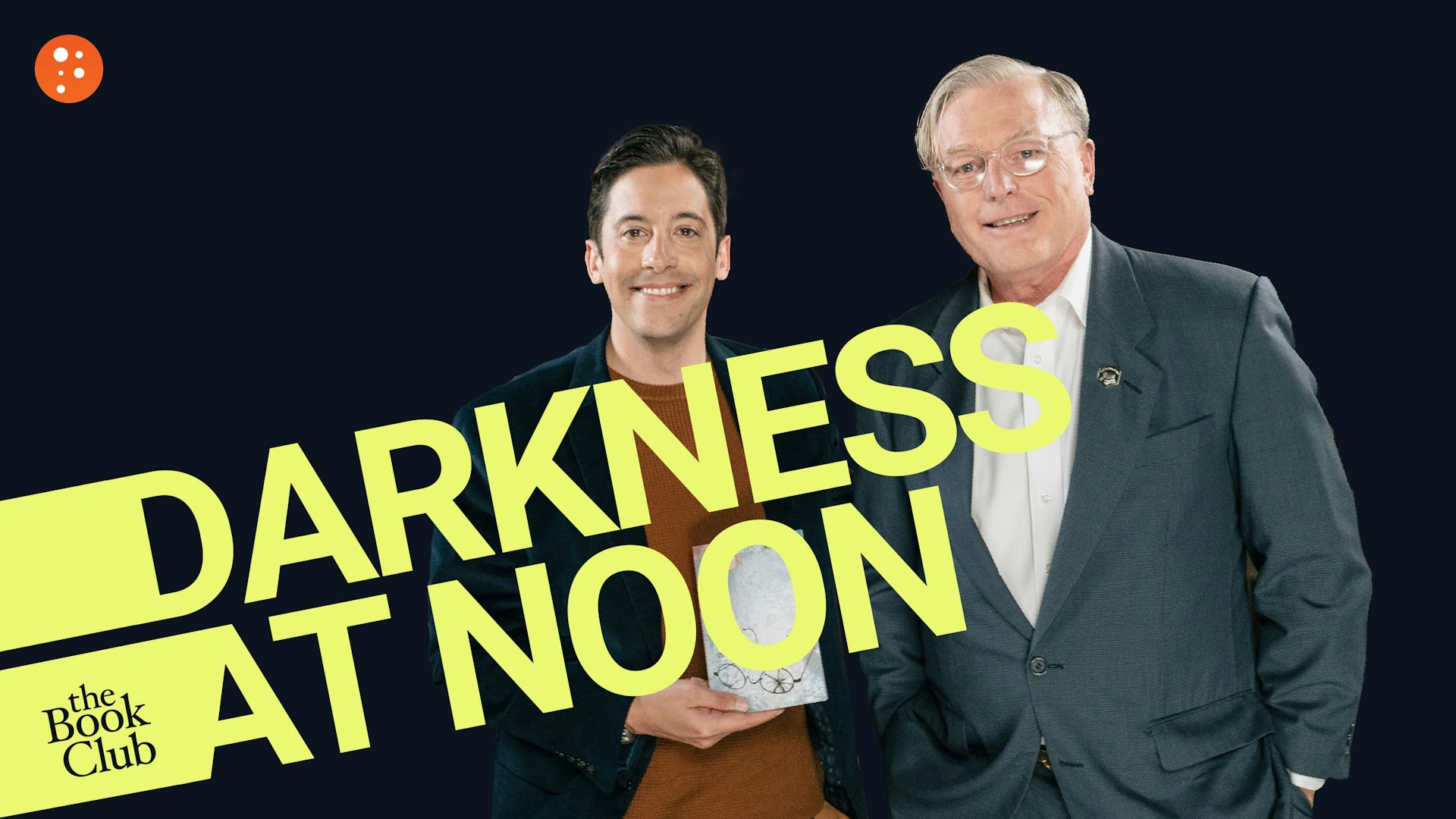
George Orwell and Aldous Huxley warned of the evils of communism in the pages of 1984 and Brave New World; however, Arthur Koestler’s Darkness at Noon is a lesser-known but impactful novel that describes the horrors of the Stalinist USSR.
31:40
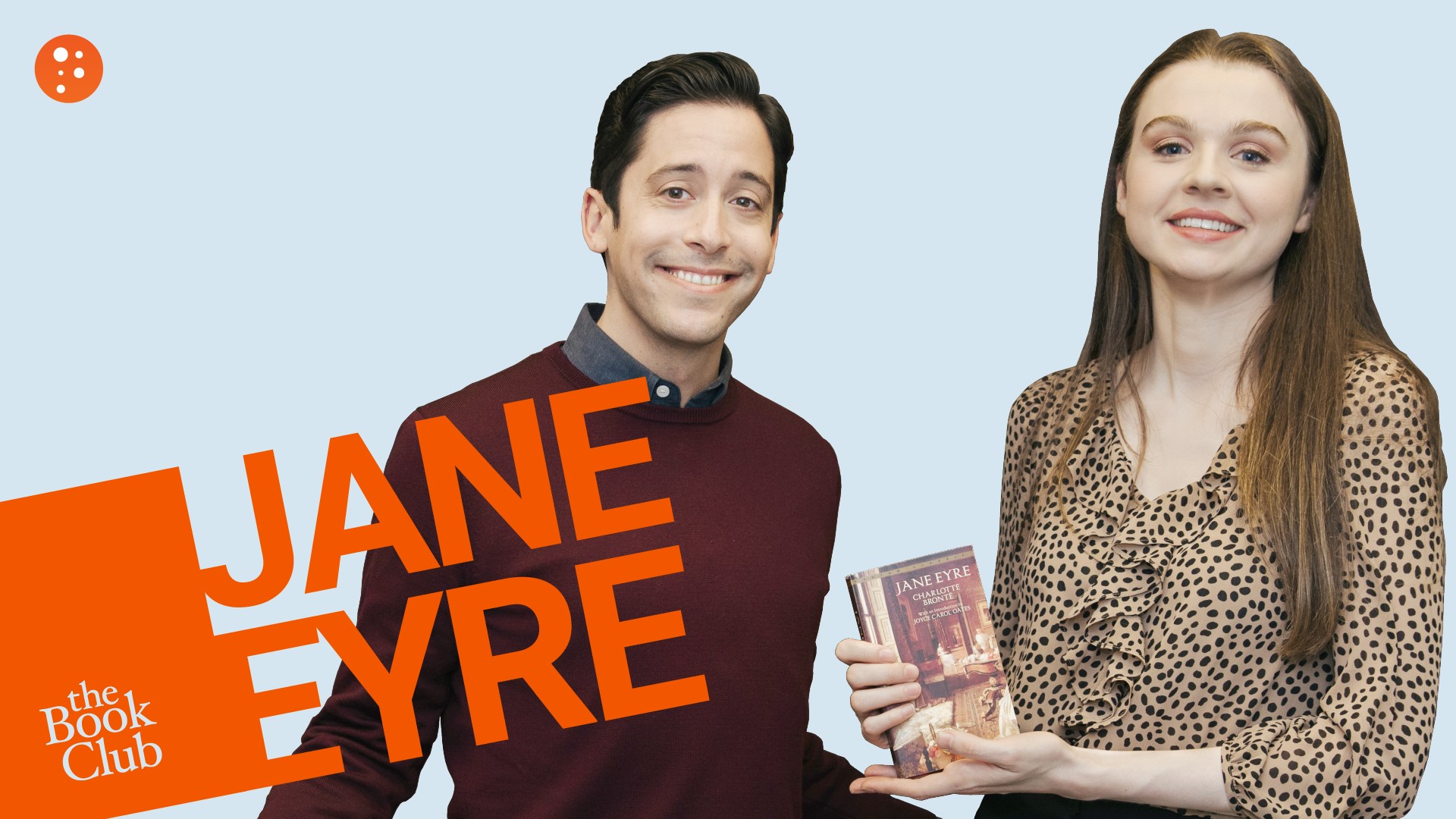
Jane Eyre by Charlotte Brontë is one of the most beloved books in literature. In this episode of The Book Club, Michael Knowles and Madeleine Kearns take you through the pages of the Victorian novel to examine the themes of love versus independence…
21:51
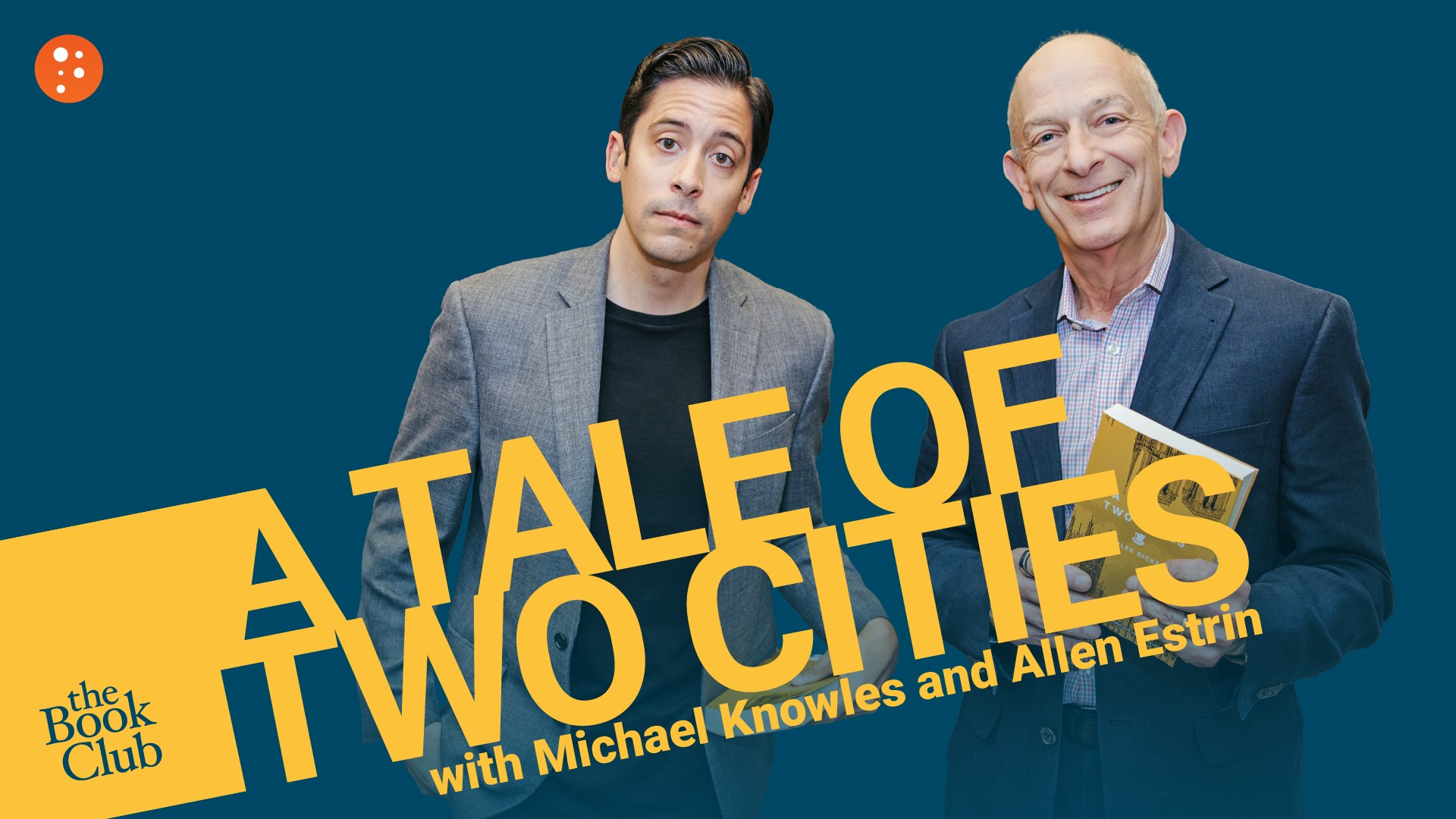
“It was the best of times, it was the worst of times…” Is history repeating itself? Set during the French Revolution, Charles Dickens’ A Tale of Two Cities offers parallels to American Society today.
28:53
Why should Biblical literacy matter today? What happens to society when people fear public opinion more than God? Joining Michael Knowles in this episode of The Book Club is the author of the best-selling Bible commentary in America, Dennis Prager.
20:49
Something is deeply amiss in contemporary American culture. Young people have lost touch with reality and have become trapped by moral relativism. Is post-modern education to blame?
34:11
The American Revolution led to the birth of a new, free nation, while the French Revolution led to blood and terror. What was the difference and what can we learn from history before it’s rewritten or forgotten entirely?
33:39
What happens if you follow your heart, pursuing love and happiness above all else, devoid of duty or virtue? Nothing good according to Leo Tolstoy, author of Anna Karenina.
33:13
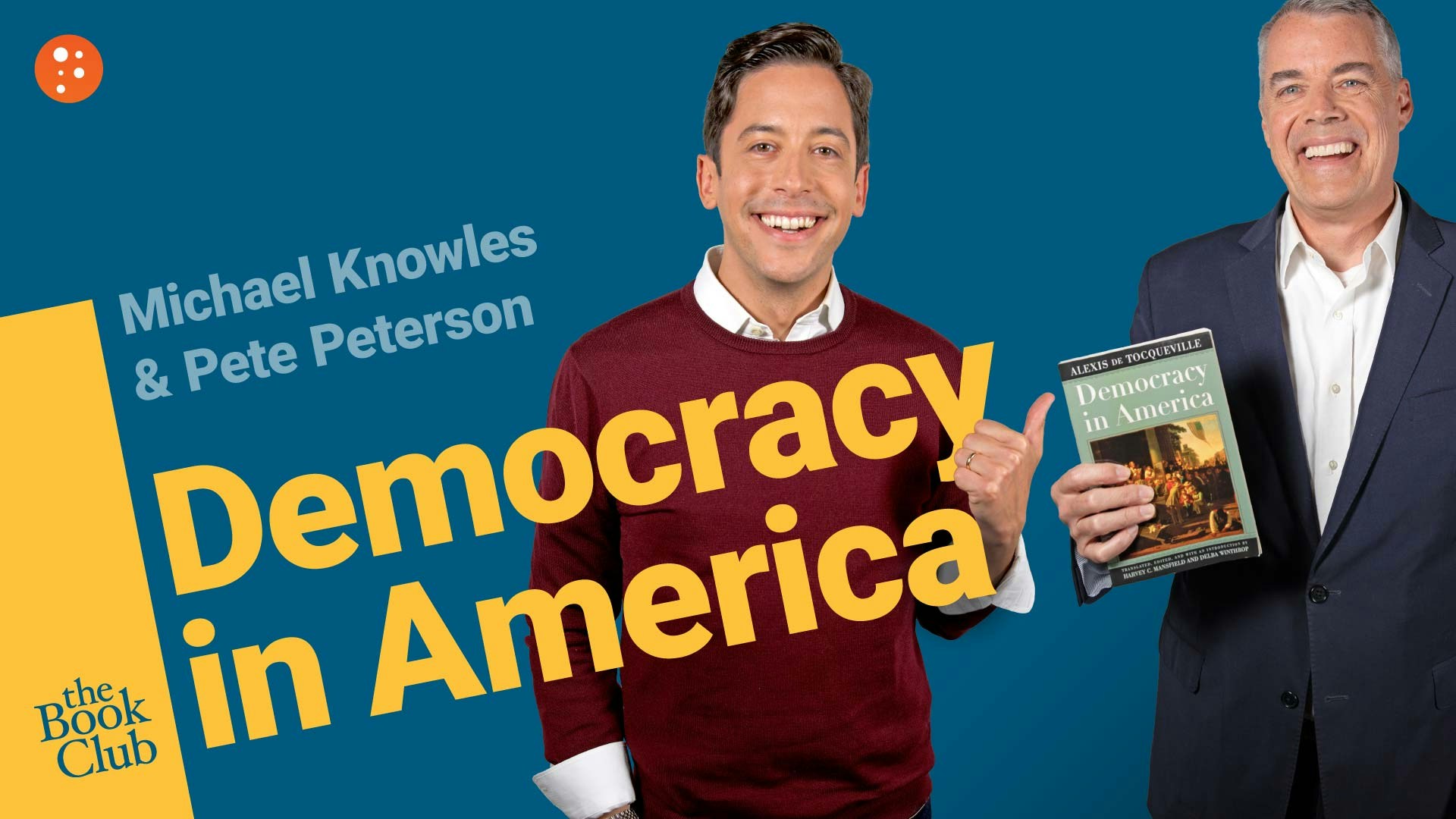
Could anyone have predicted the future of America 200 years ago? Alexis de Tocqueville foresaw a society fraught with materialism and “soft despotism" in his classic study of self-governance, freedom, and equality, Democracy in America.
25:52
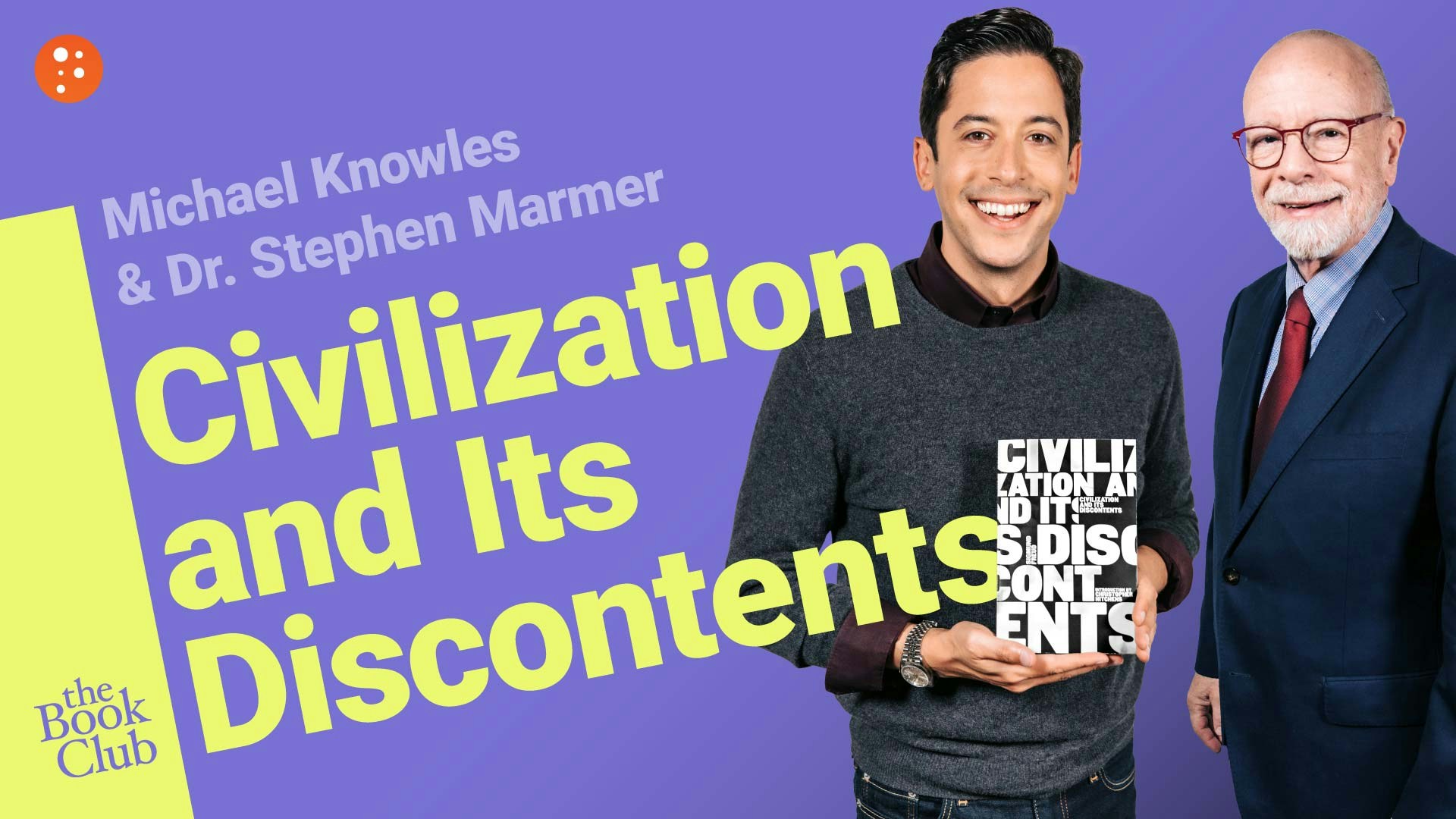
Civilization and Its Discontents by Sigmund Freud—the father of psychoanalysis—explores the perpetual struggle between self and society. Clinical psychiatrist and professor of psychiatry at UCLA Dr.
32:05
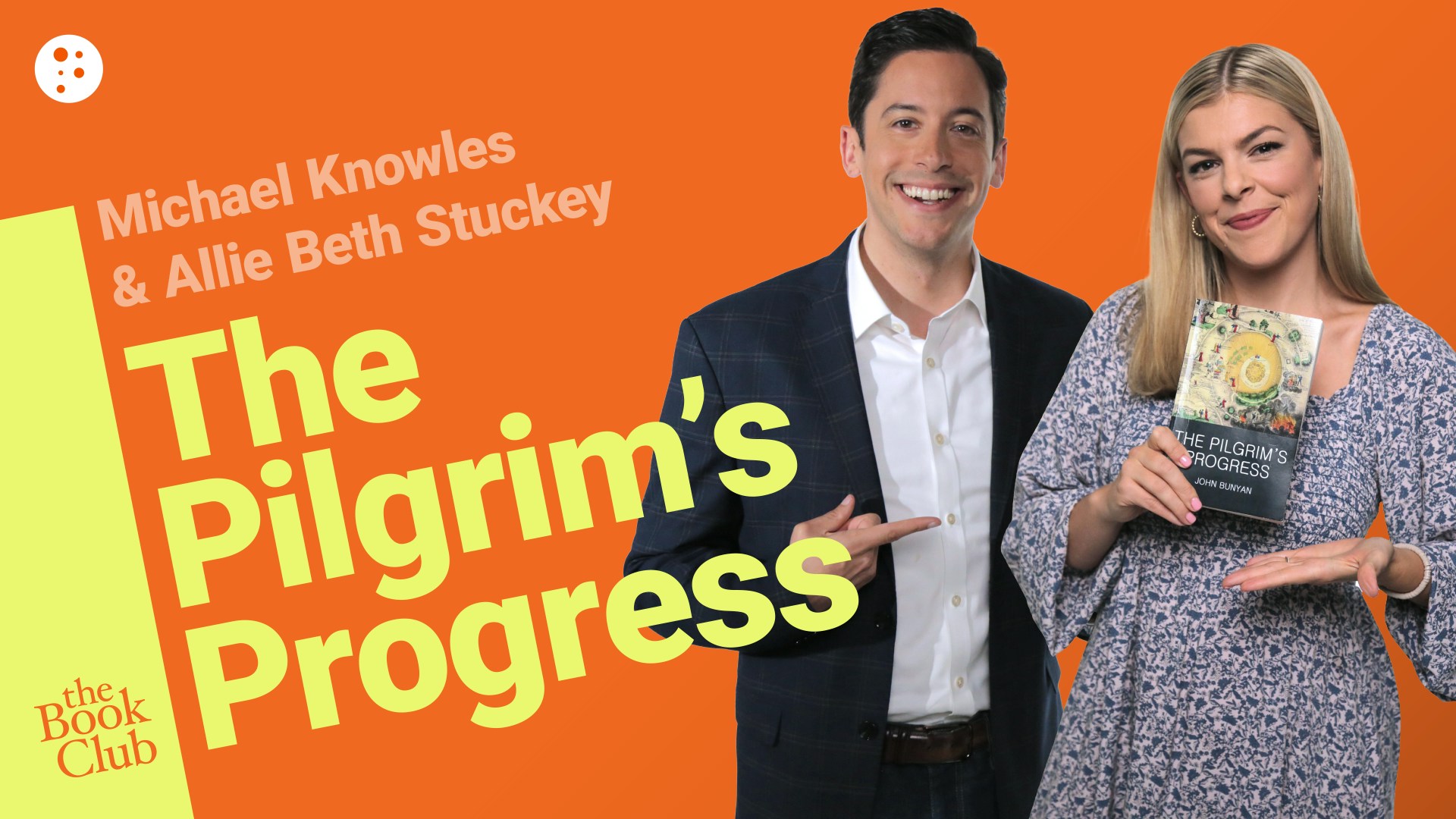
Christians have been mocked, humiliated, and persecuted for their faith for hundreds of years. The Pilgrim’s Progress, written by Puritan preacher John Bunyan while he was in prison for holding religious services, is an encouraging reminder that…
33:51
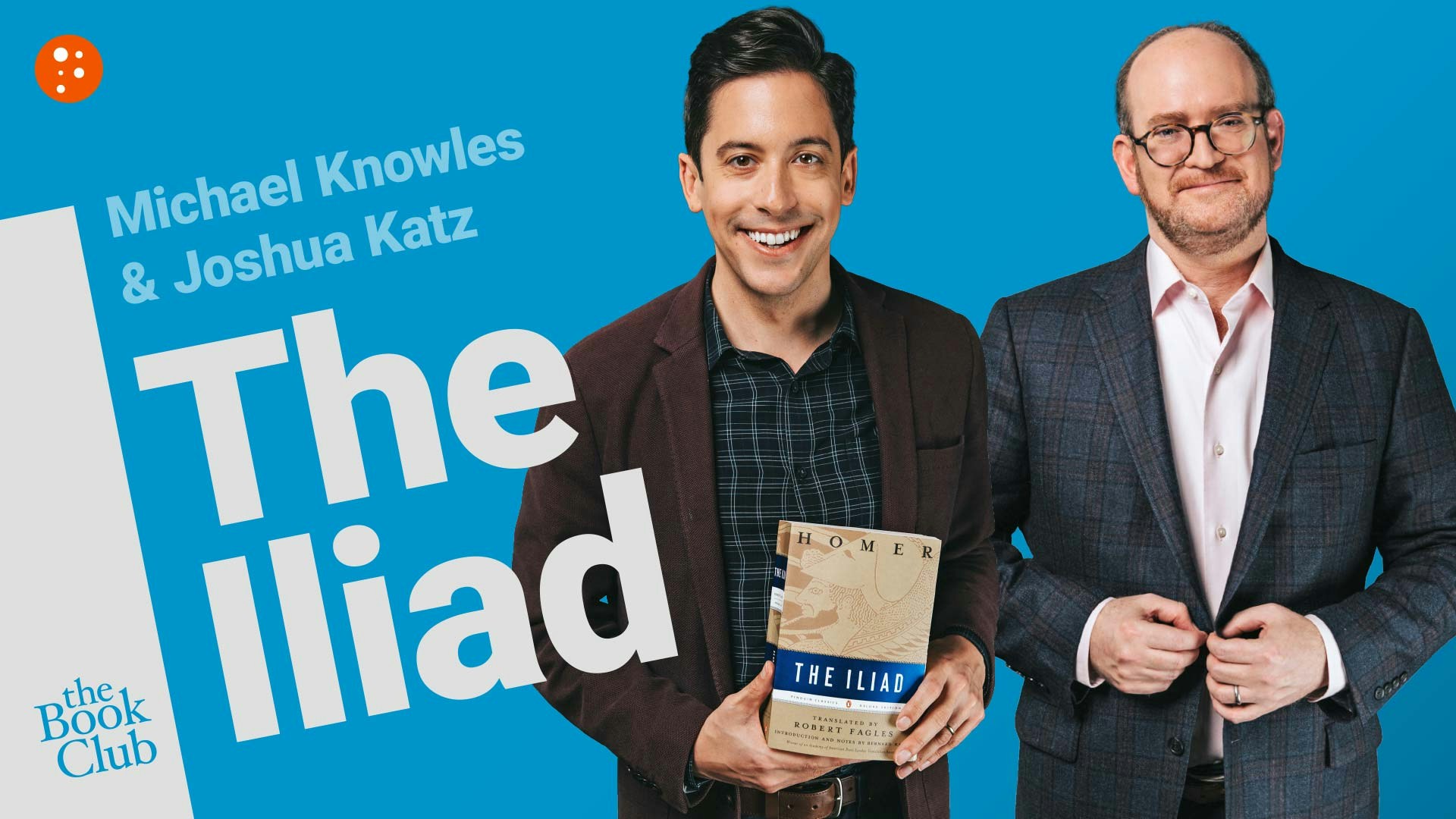
What can we learn from ancient Greek poetry? A foundational text of Western Civilization—The Iliad by Homer—is one of the oldest pieces of literature still read by modern audiences. Why?
28:56
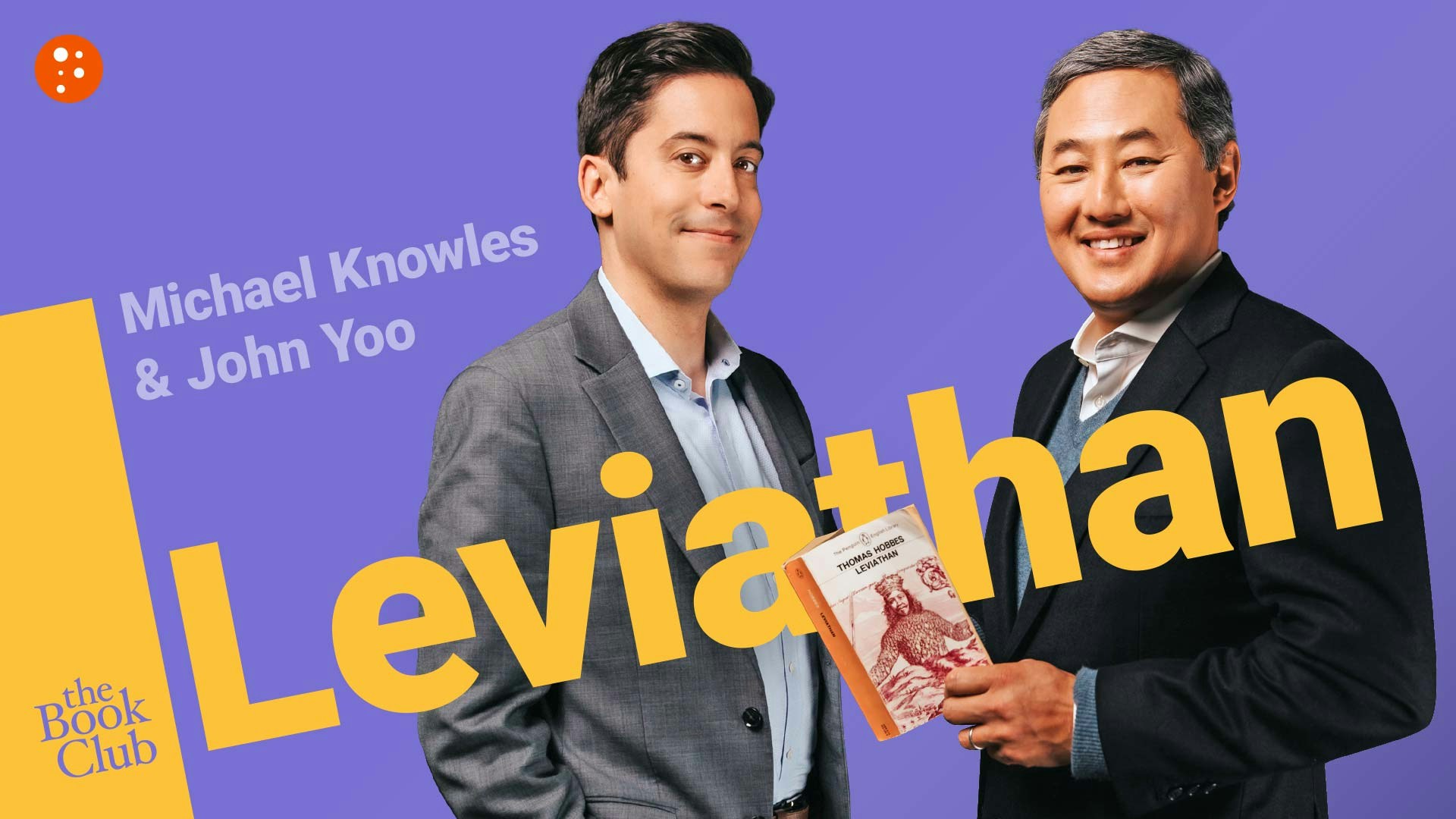
Life is “nasty, brutish, and short.” That’s why we need a social contract—an exchange of freedom for security to avoid a dog-eat-dog state of nature. At least, that’s what Thomas Hobbes posited in Leviathan.
38:57
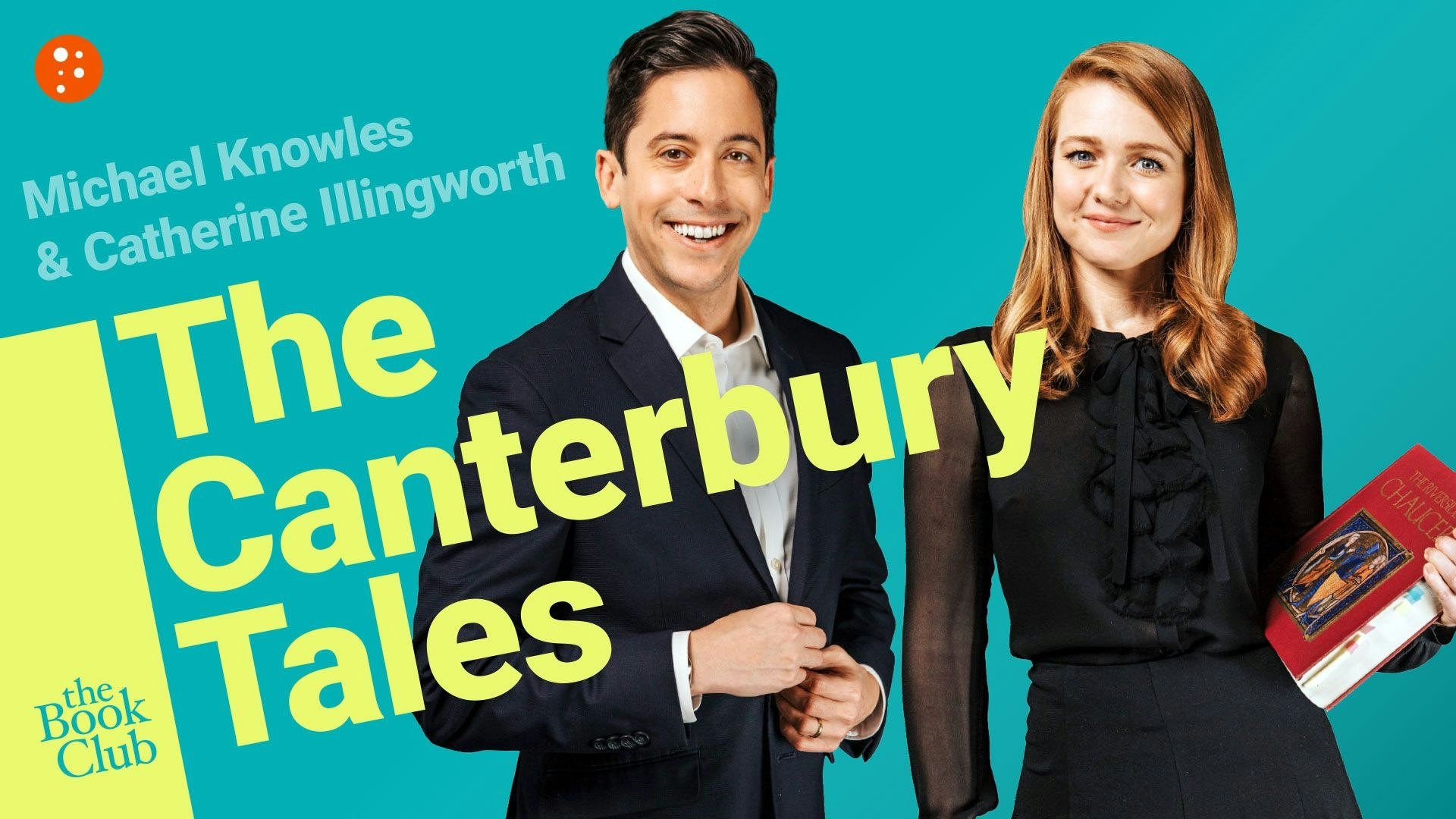
What makes The Canterbury Tales the most popular work of English literature ever? Penned by Geoffrey Chaucer in the 14th century, this medieval collection of stories depicts a diverse group of characters and covers topics ranging from chivalry and…
25:28
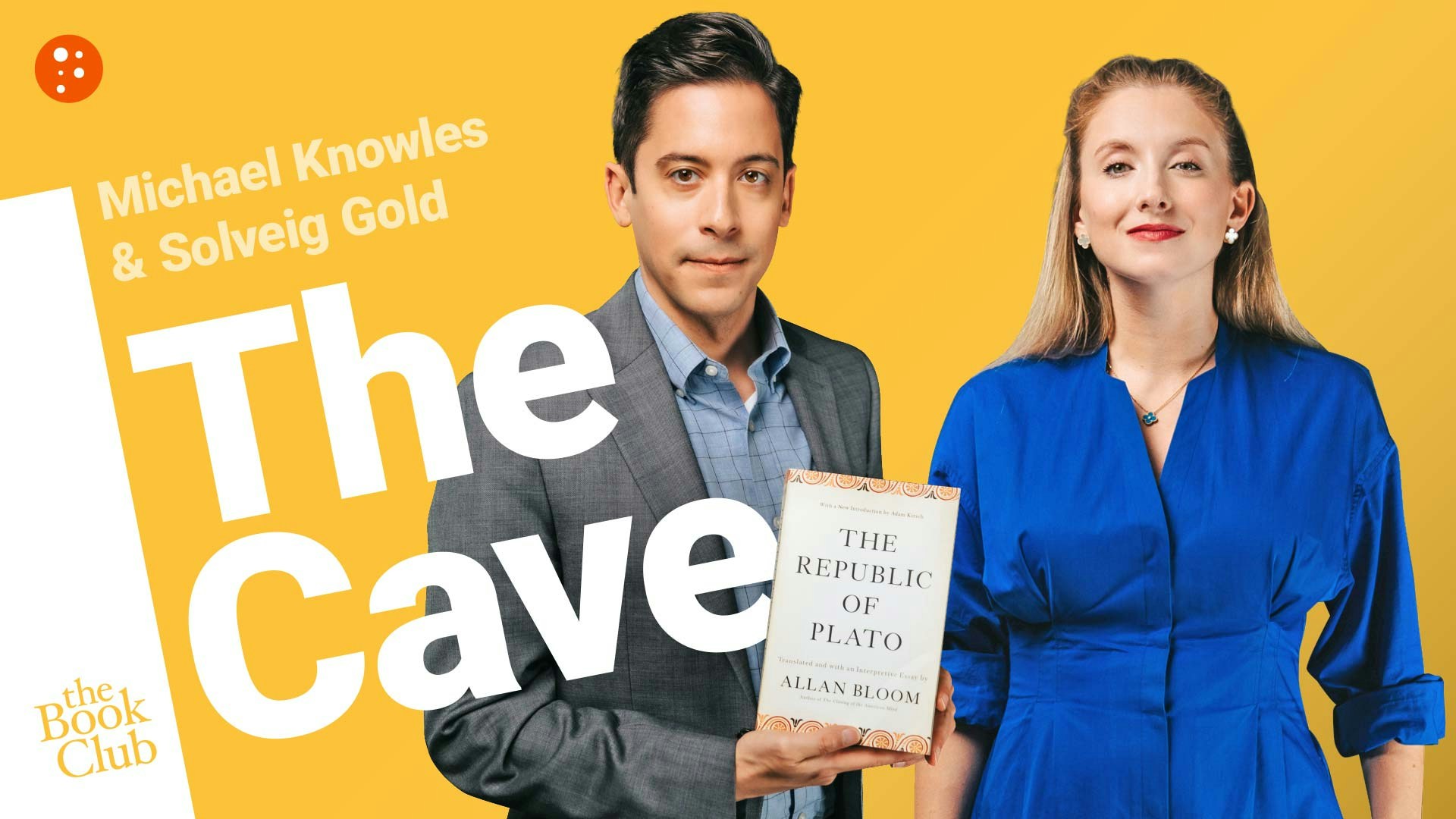
How do you know if you’re trapped in a false reality? Can you see the truth or are you simply looking at shadows on the wall? Solveig Gold joins Michael Knowles to discuss Plato’s “Allegory of the Cave” from his renowned work, “The Republic.” This…
33:58
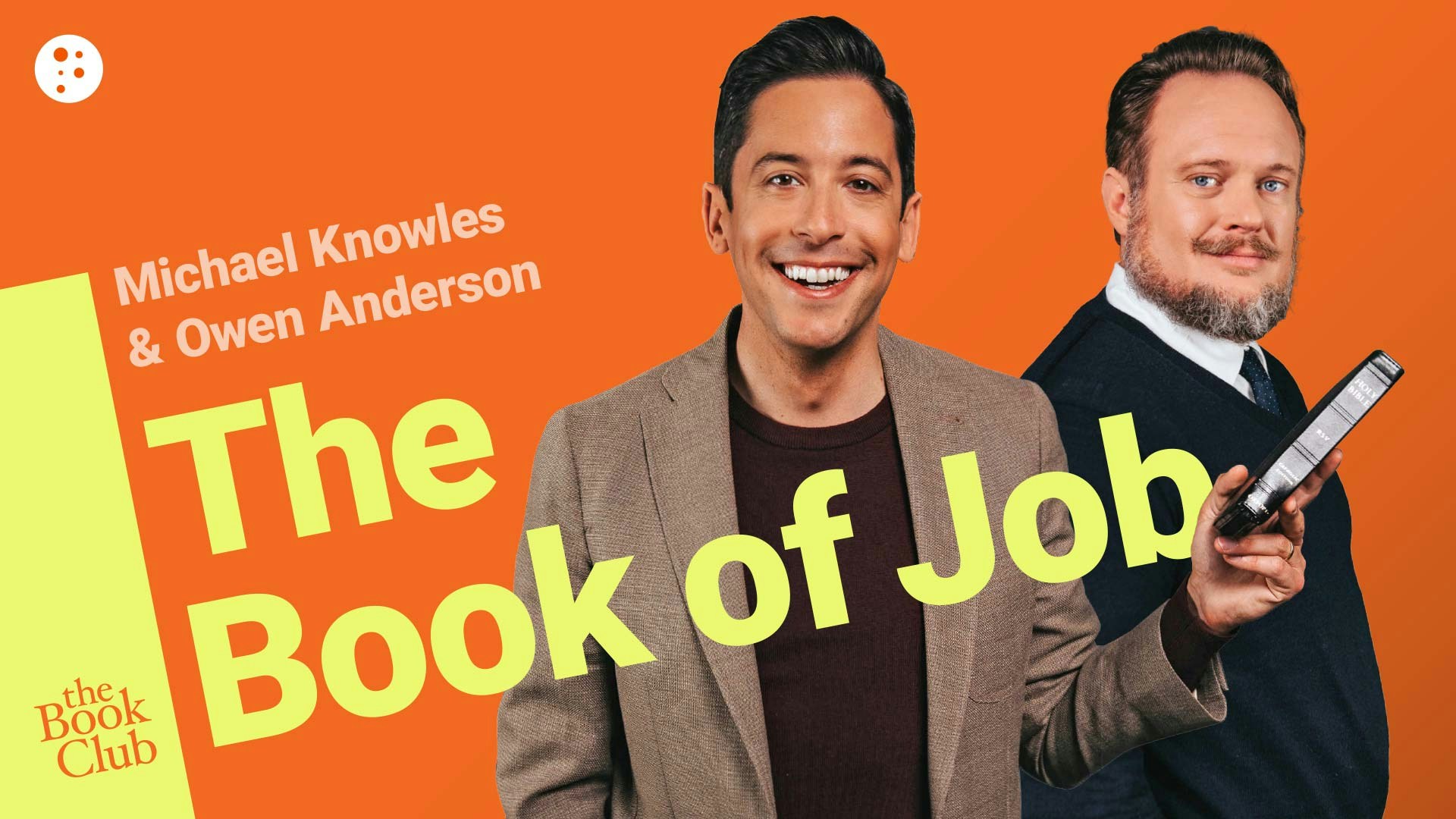
If you lost every good thing in your life, would you still praise God? The Book of Job from the Old Testament is considered one of the great masterpieces of early literature.
35:36
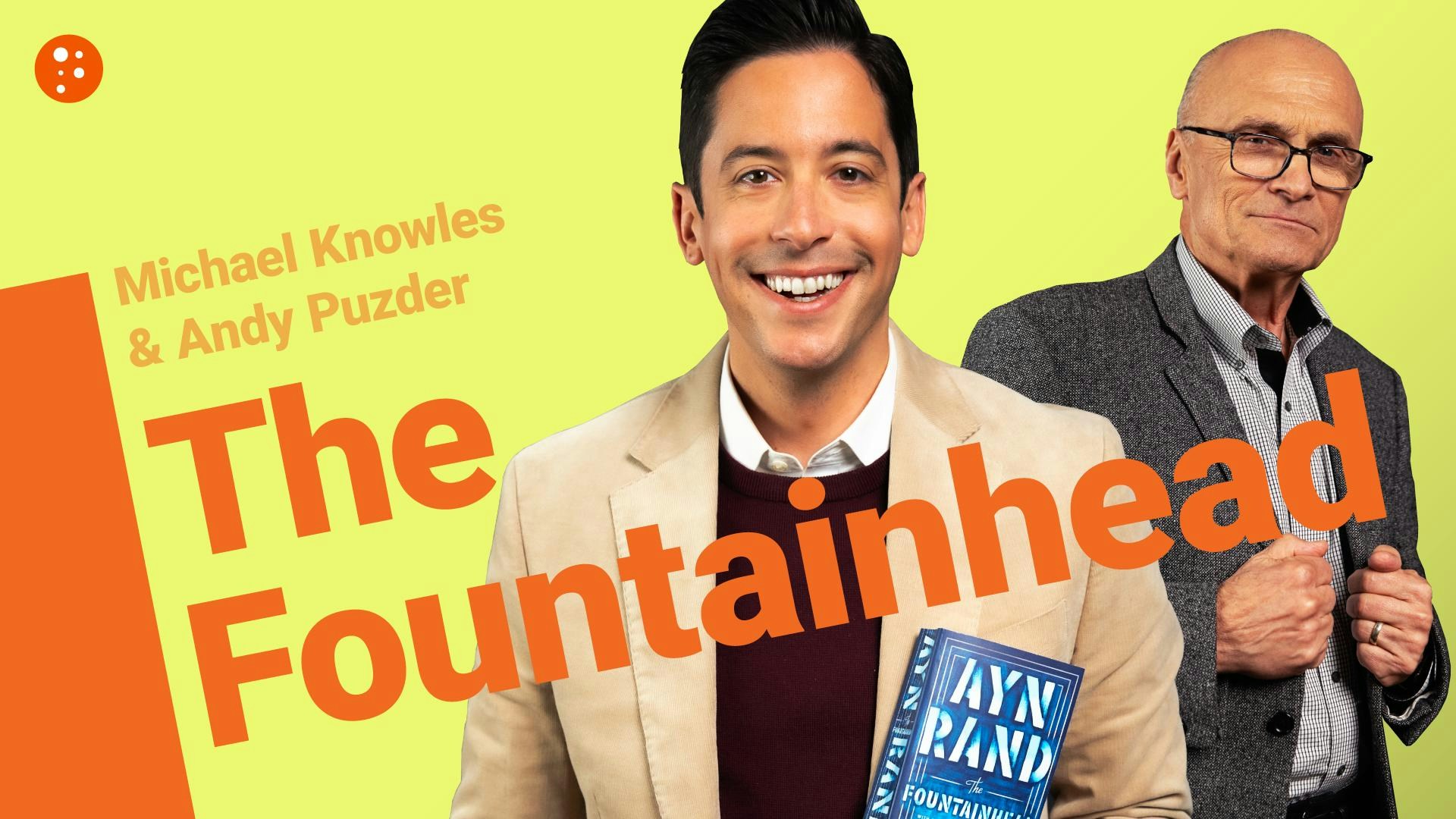
How do you stay true to yourself in a world that demands conformity? Ayn Rand’s The Fountainhead—centered around a talented architect who refuses to compromise his principles or conform to the expectations of others—examines whether we should uphold…
30:06
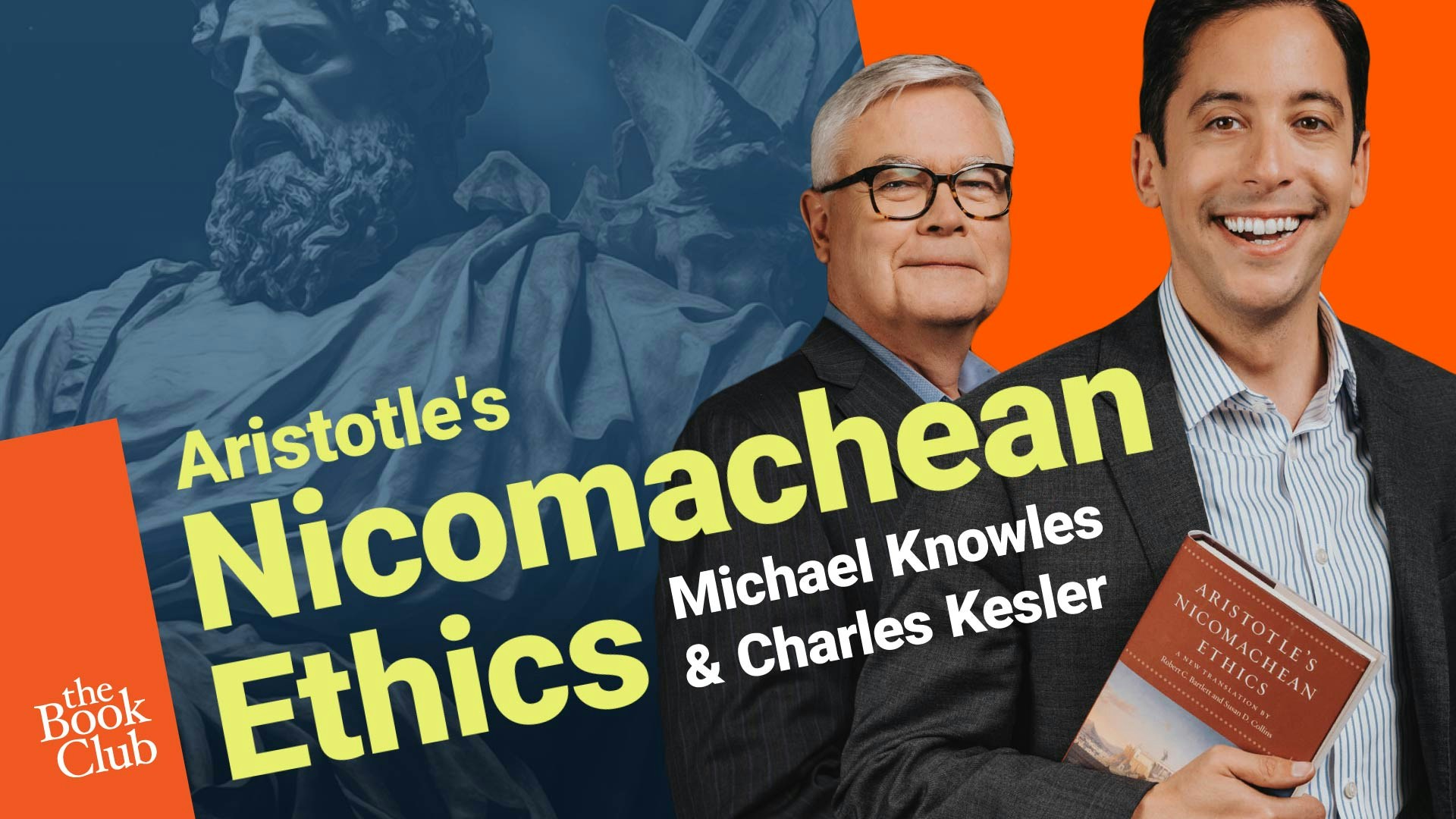
Is the purpose of life happiness, and if so, how can we achieve it? Written nearly 2,500 years ago, Aristotle's Nicomachean Ethics is as relevant today as it's ever been.
39:09
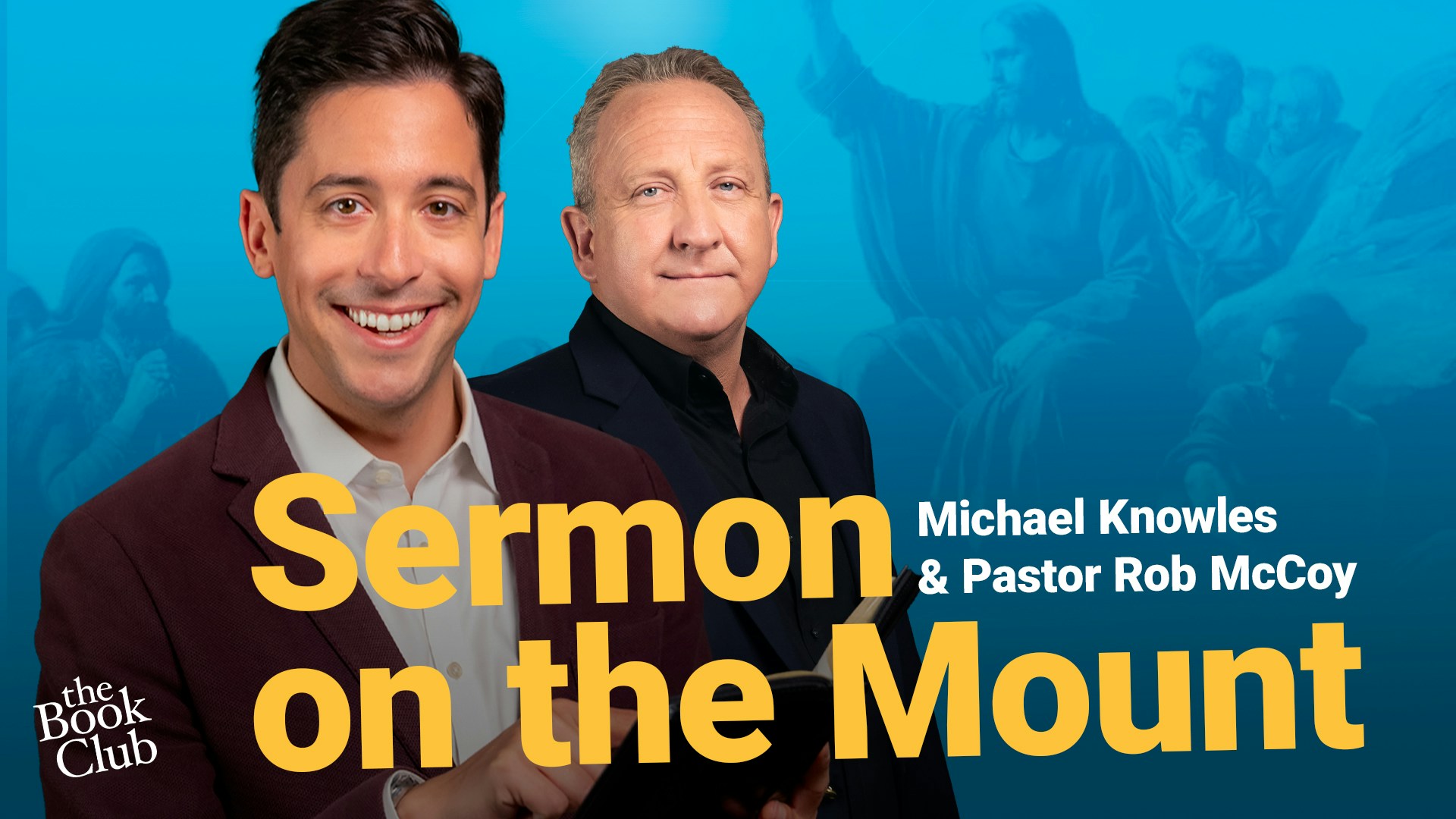
Michael Knowles is joined by Pastor Rob McCoy to discuss the Sermon on the Mount, one of the most beloved and frequently cited passages in the gospels of the New Testament.
30:18
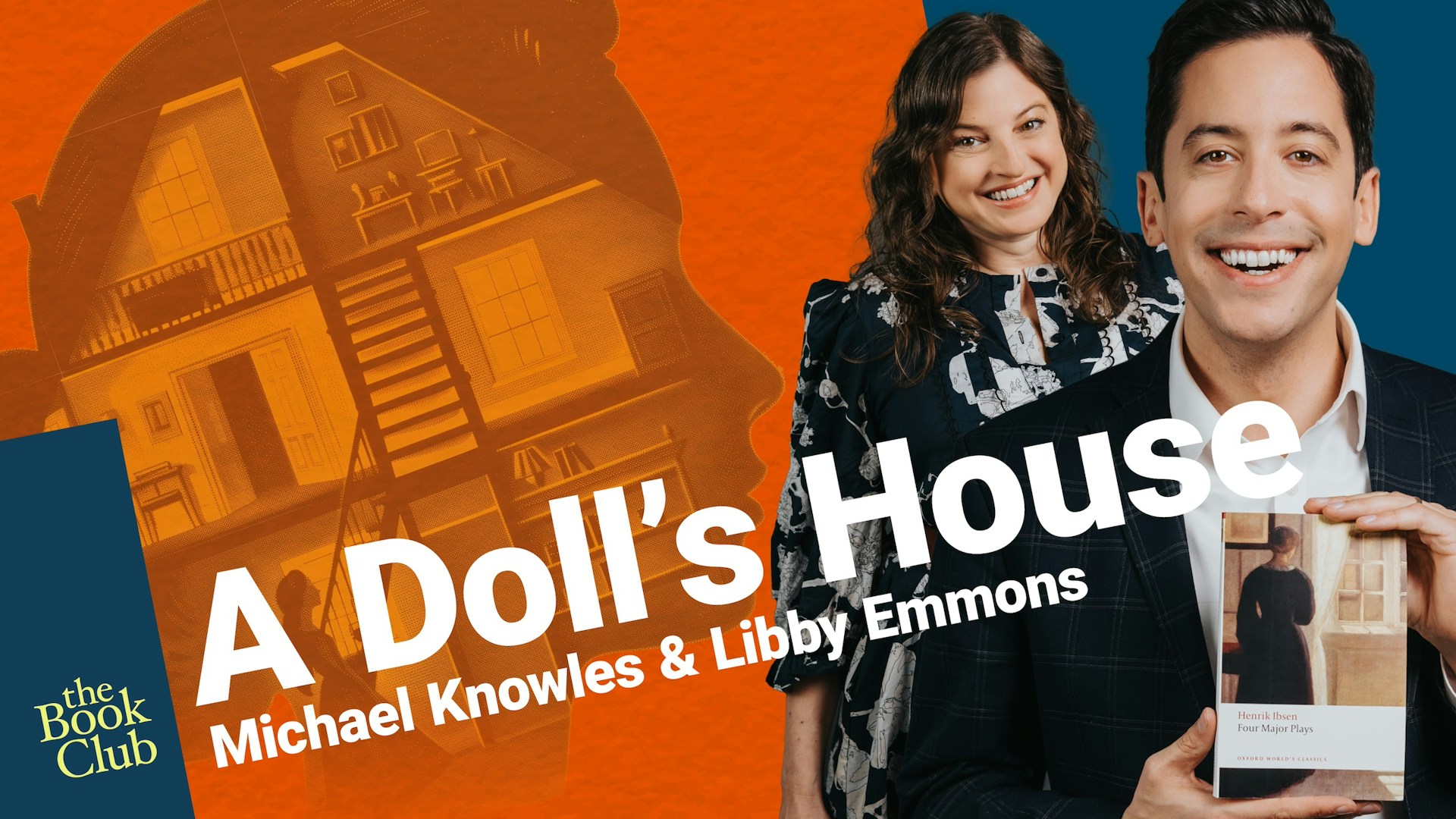
Is Henrik Ibsen’s A Doll’s House the feminist landmark it’s often portrayed to be? Or is it a critique of radical individualism and the undermining of traditional societal roles?
29:49
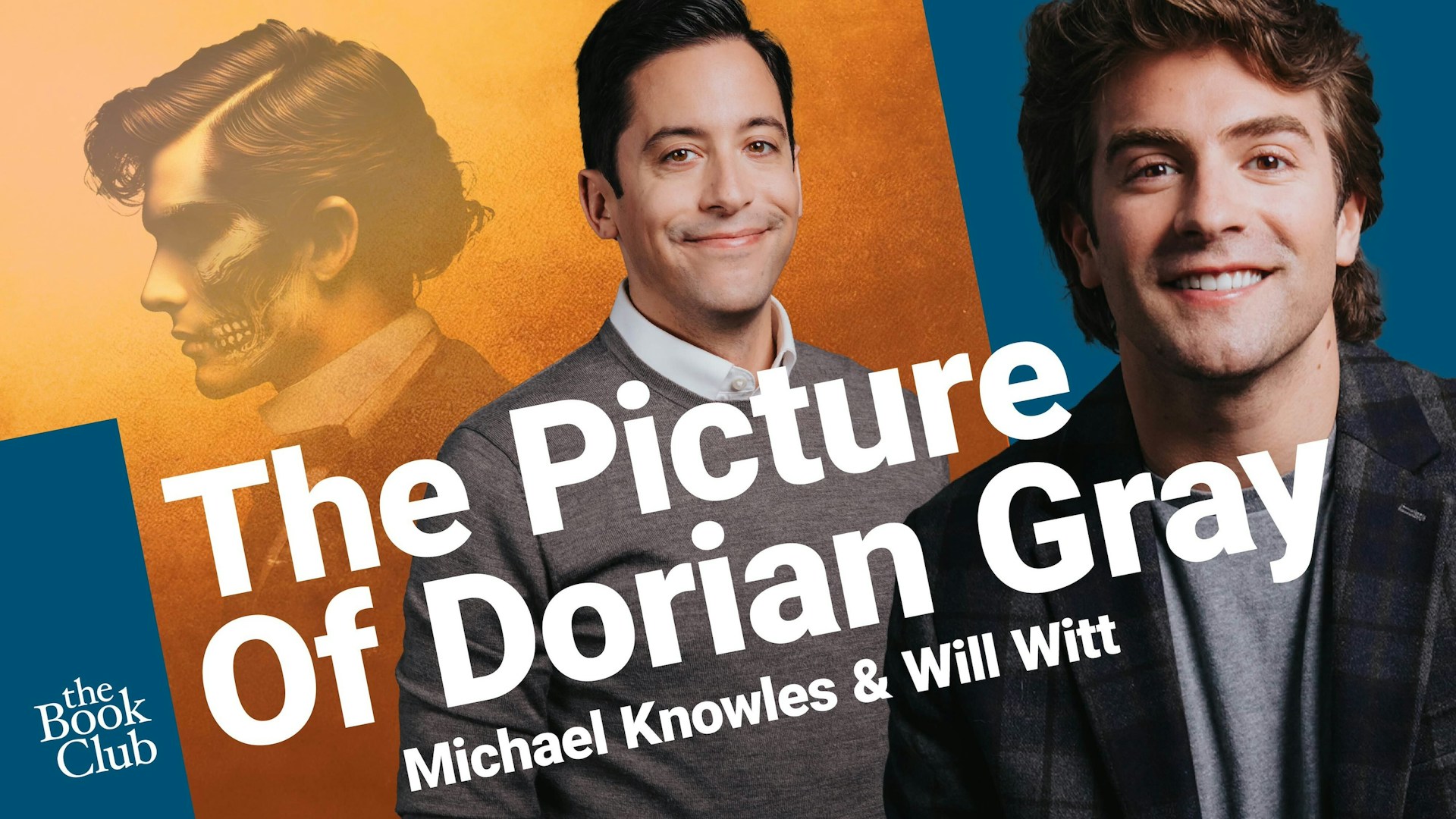
Would you sell your soul to stay young forever? In Oscar Wilde’s famous novel, The Picture of Dorian Gray, a handsome young man’s wish for eternal youth is granted while his portrait ages in his place.
31:43
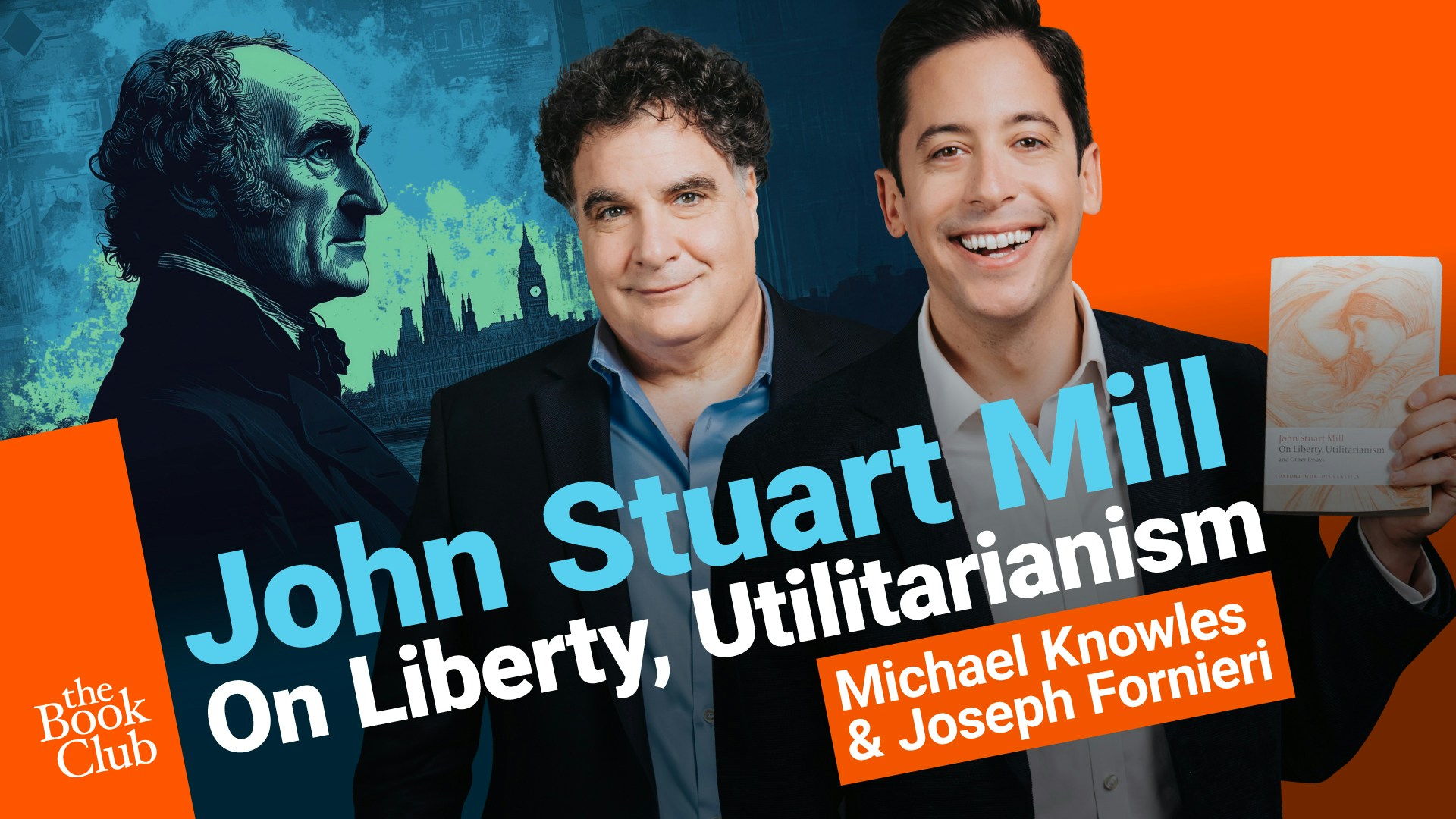
Can you do whatever you want—even harm yourself—as long as you don’t harm others? In On Liberty, John Stuart Mill warns against threats to personal freedom, especially through the “tyranny of the majority.” Michael Knowles is joined by Joe Fornieri…
27:23
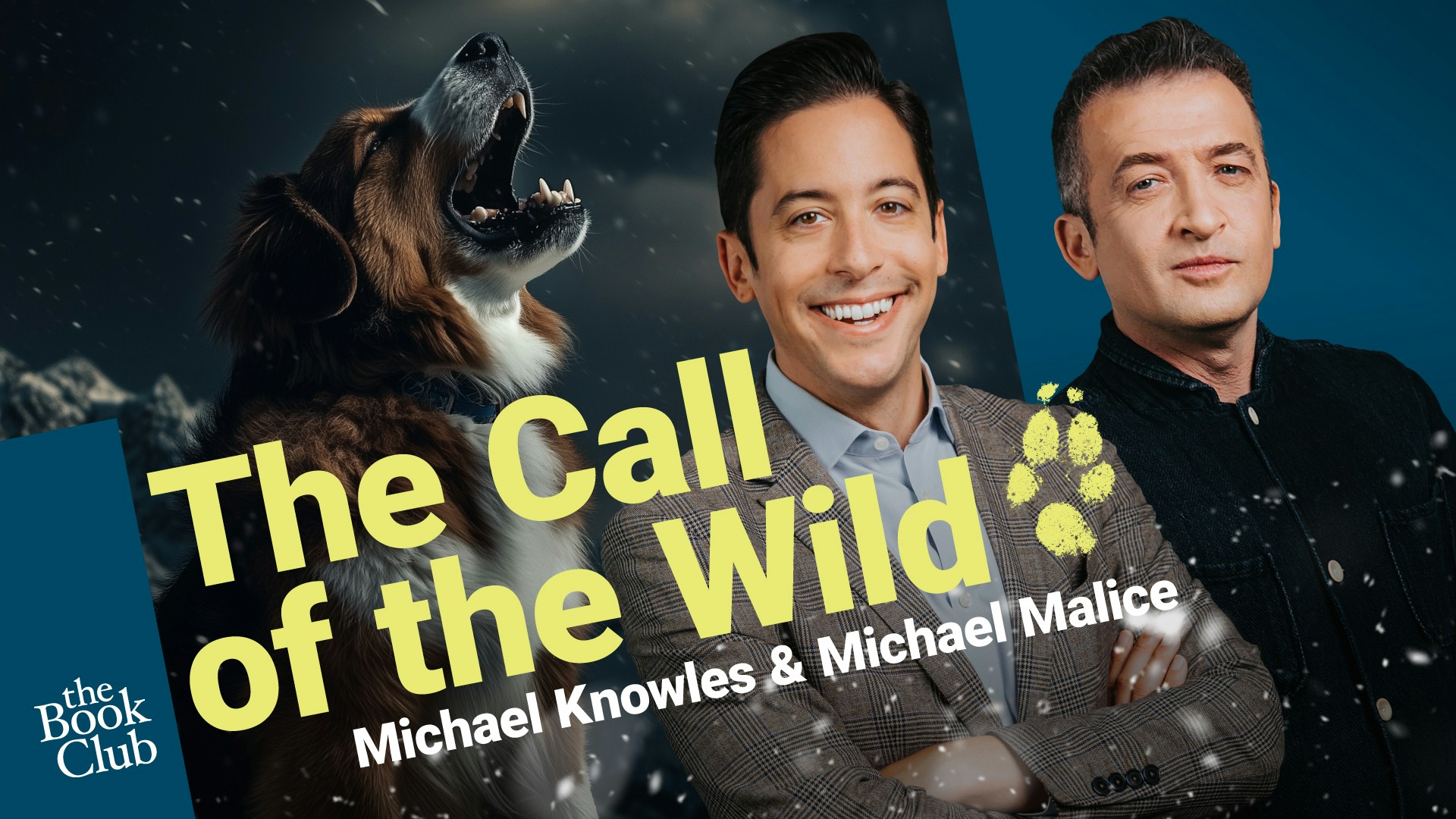
What does it take to survive when civilization falls away? The Call of the Wild is more than a story about a dog thrust into the harsh wilderness during the Gold Rush—it’s an exploration of survival, instinct, and the untamed spirit within us all.
32:38
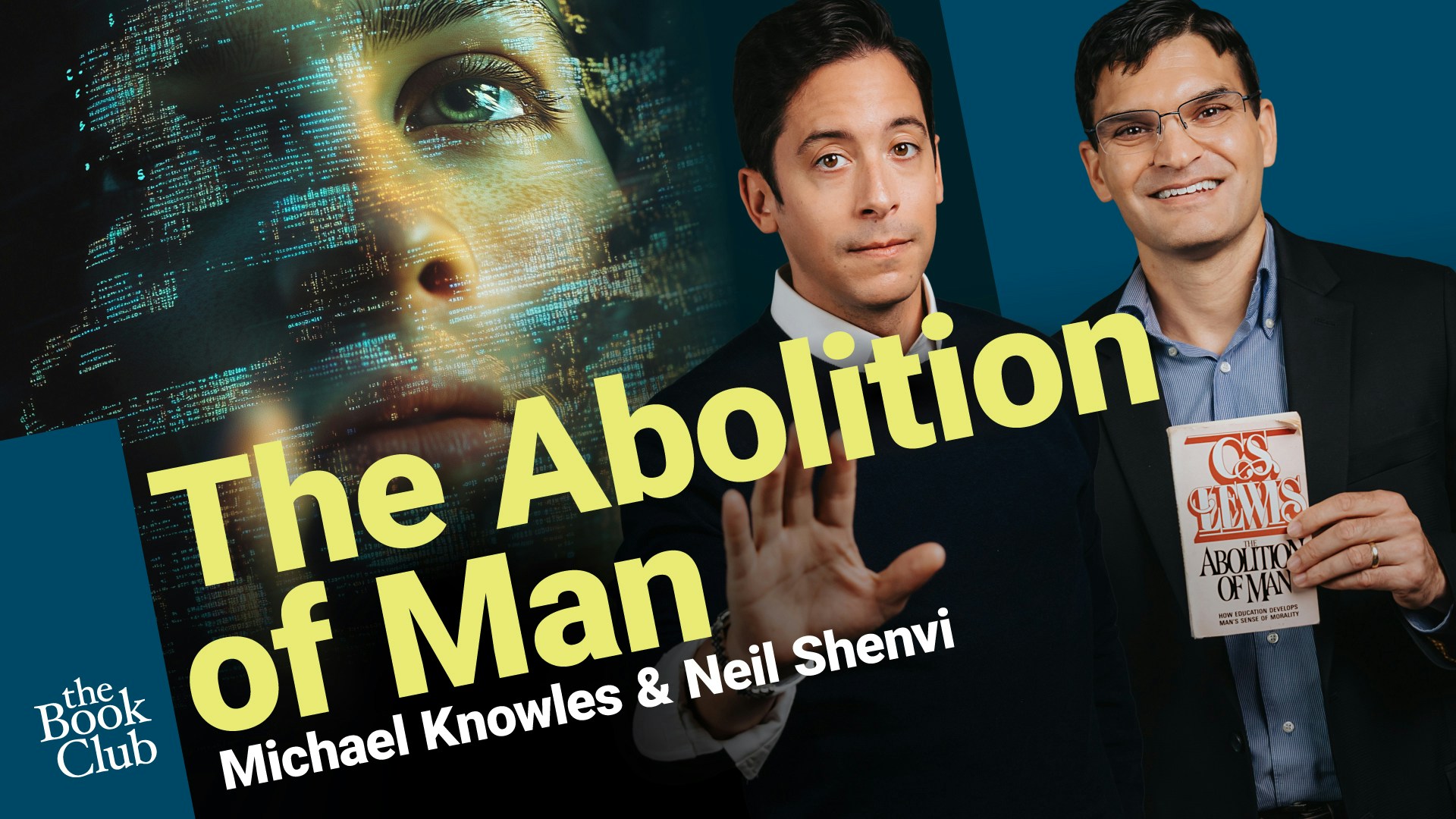
What’s wrong with saying “my truth” and embracing moral relativism? In The Abolition of Man, C.S. Lewis warns that abandoning objective truth doesn’t just erode morality—it opens the door for manipulation by those in power.
33:24
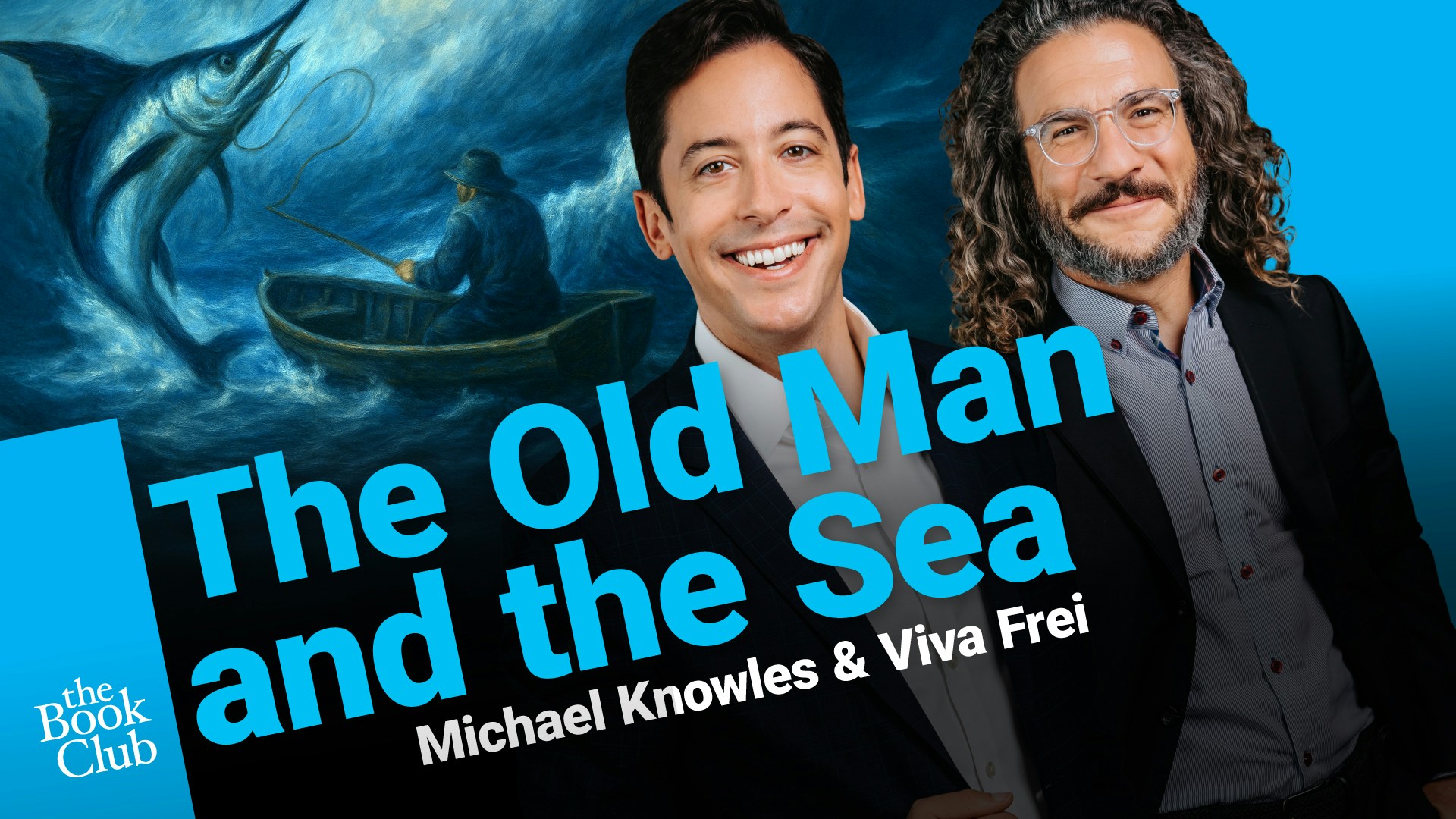
Is the pursuit of a dream worth it, even if it’s torn apart in the end? In The Old Man and the Sea, Ernest Hemingway tells the story of Santiago, an aging Cuban fisherman determined to break a long streak of bad luck.
01:08:37
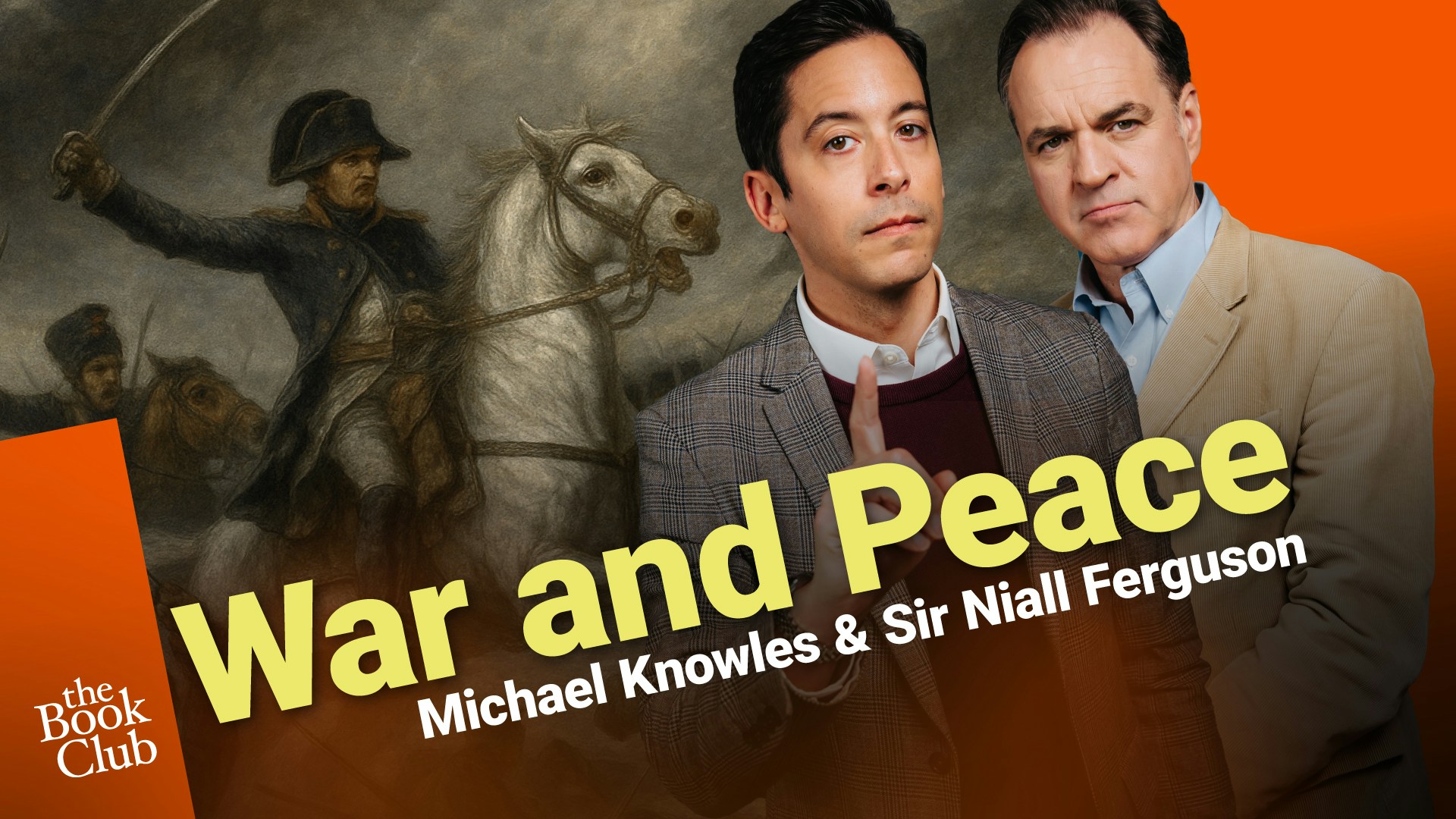
How does war reshape not only nations—but the souls of those who live through it? In War and Peace, Leo Tolstoy sets Napoleon’s invasion of Russia as the backdrop for what many consider the greatest novel ever written.
35:11
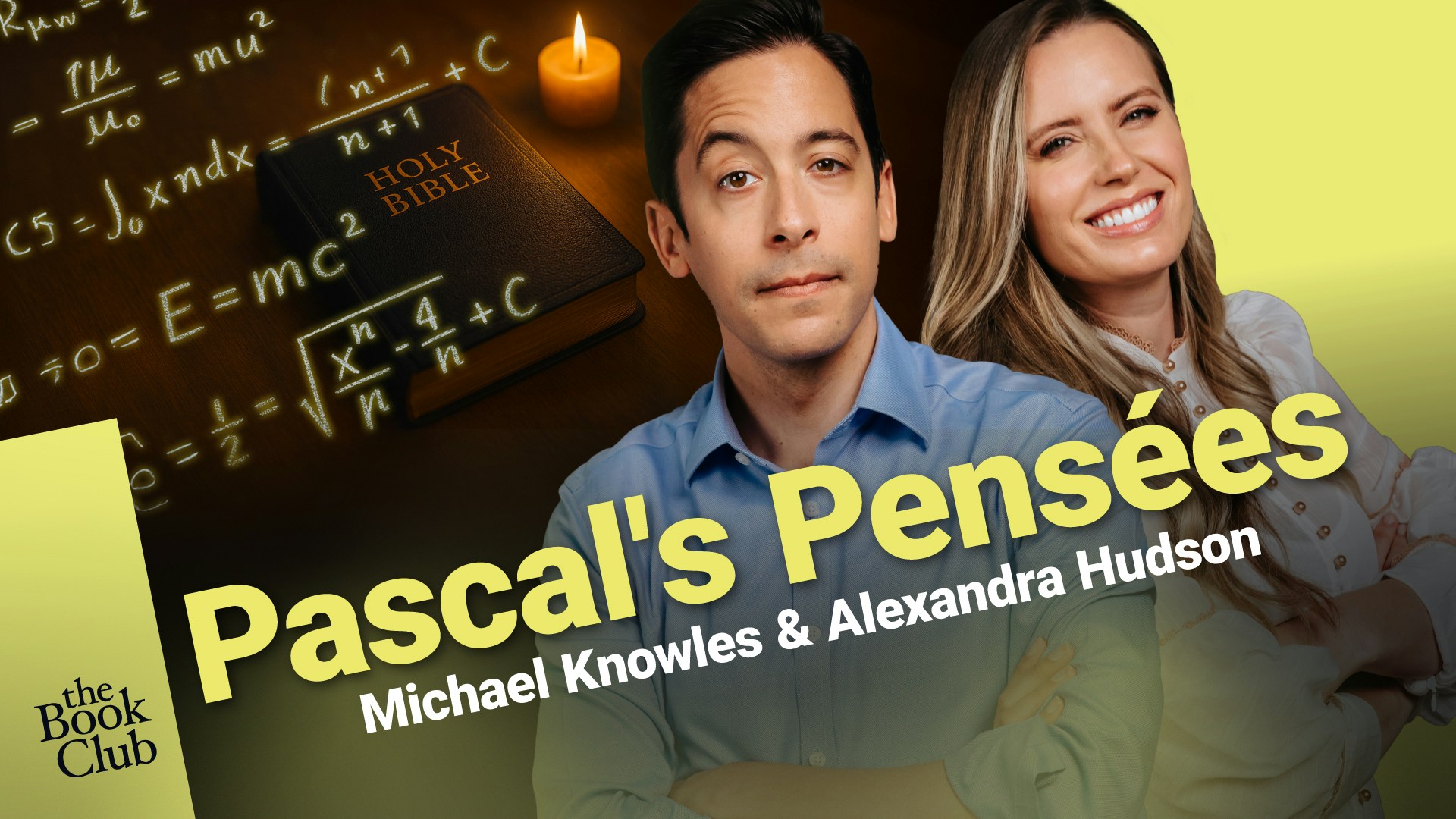
Can reason alone lead us to truth? In Pensées, Blaise Pascal—the brilliant mathematician and Christian apologist—wrestles with the deepest questions of faith, doubt, and what it means to be human.
39:05
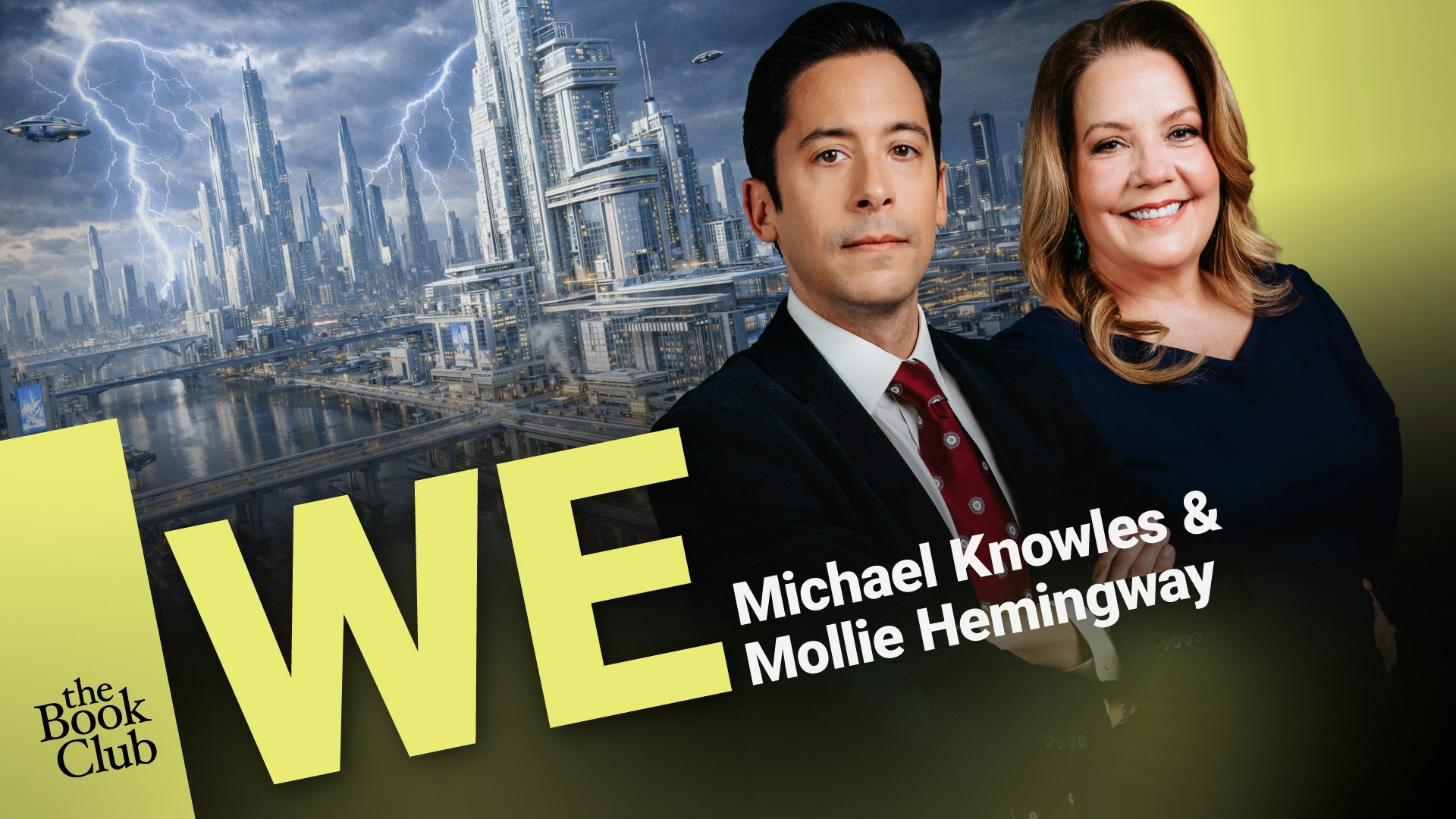
A former Bolshevik wrote the first dystopian novel—before Orwell, before Huxley—and it predicted everything: AI replacing creativity, state-run families, engineered conformity, even citizens begging to be lobotomized.
27:33
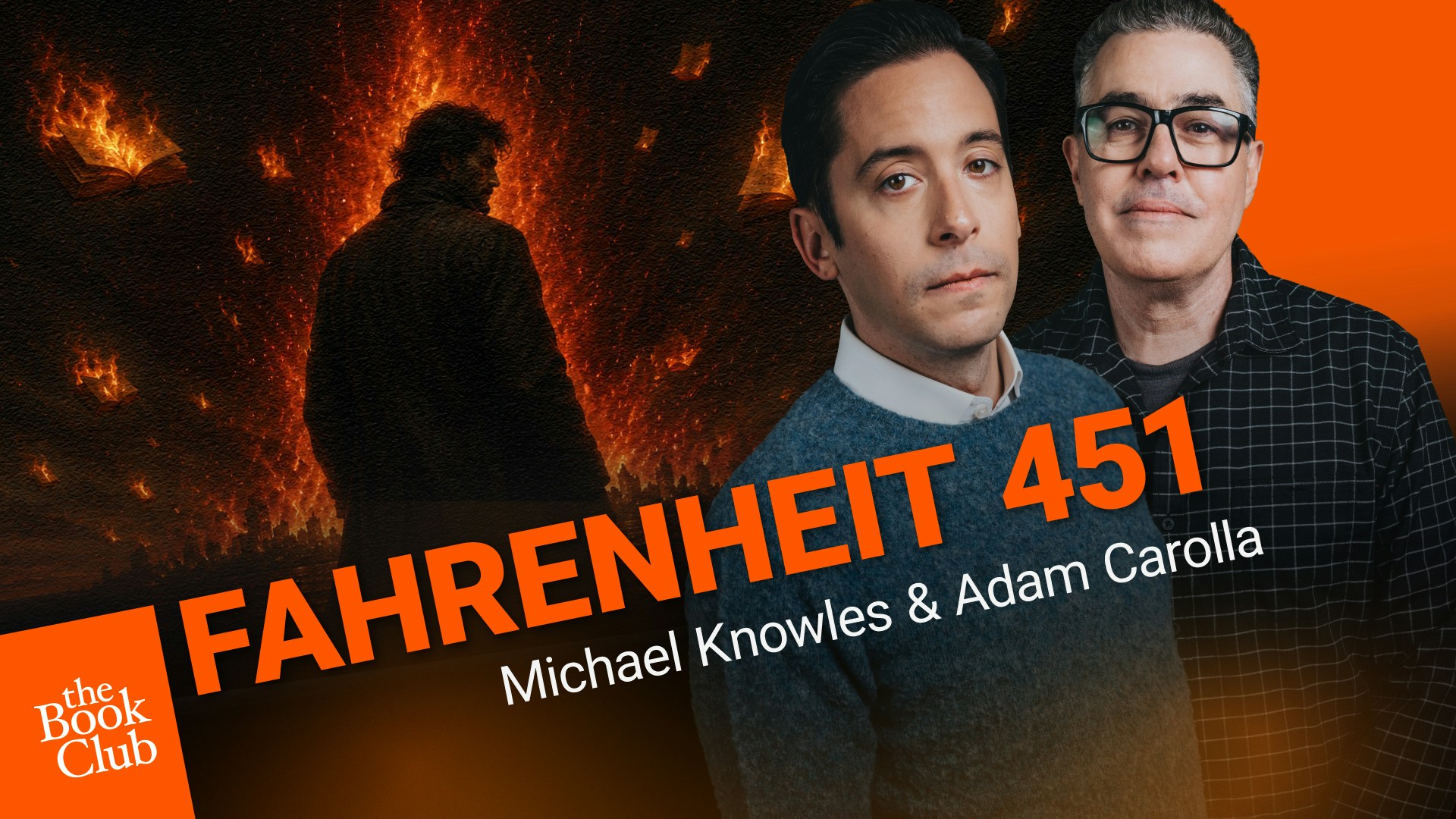
Fahrenheit 451 may have been written in 1953, but its warnings feel more relevant than ever. In this episode of The Book Club, Michael Knowles is joined by bestselling author and comedian Adam Carolla to discuss Ray Bradbury’s classic dystopian…
No episodes match your search.