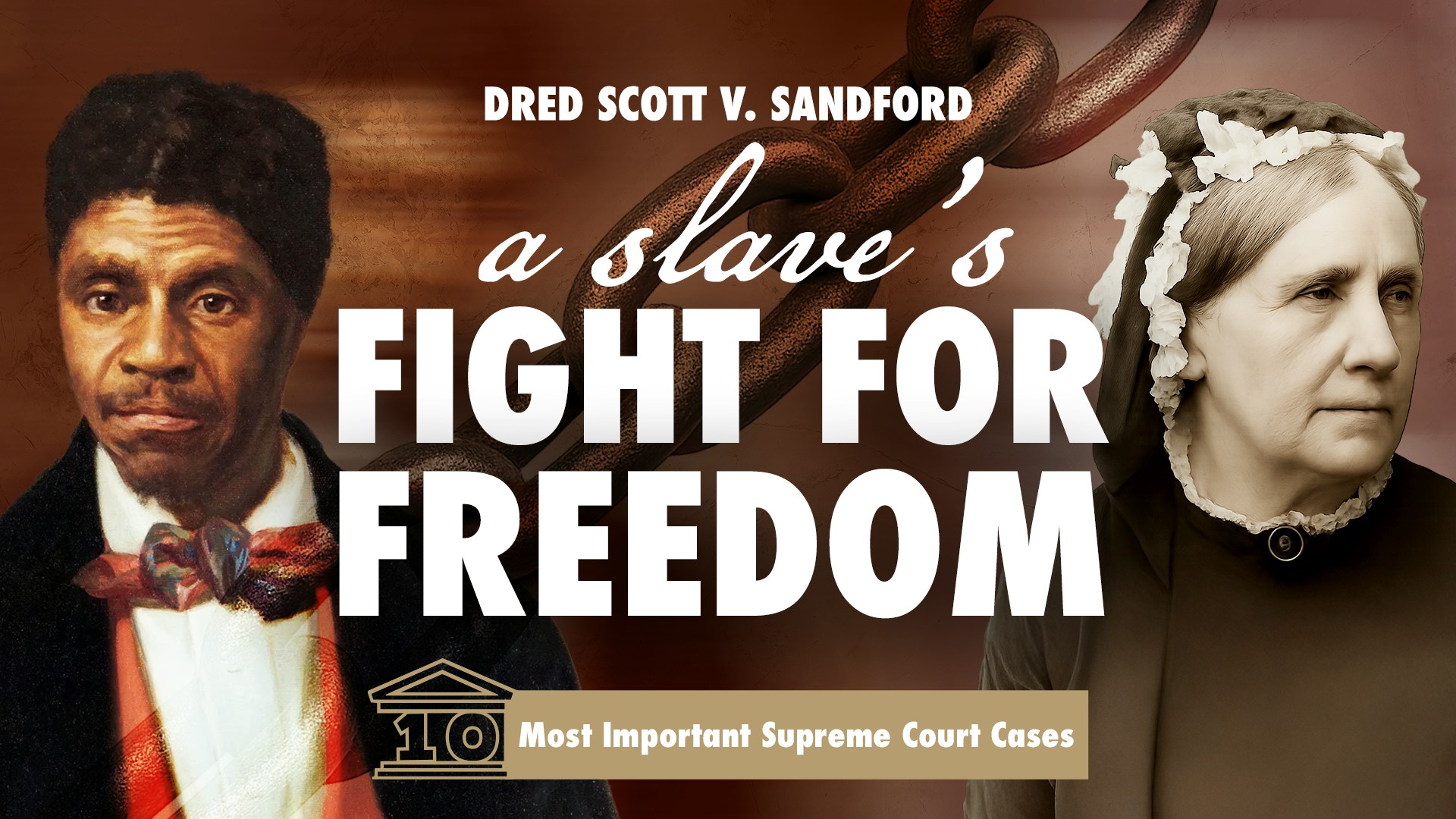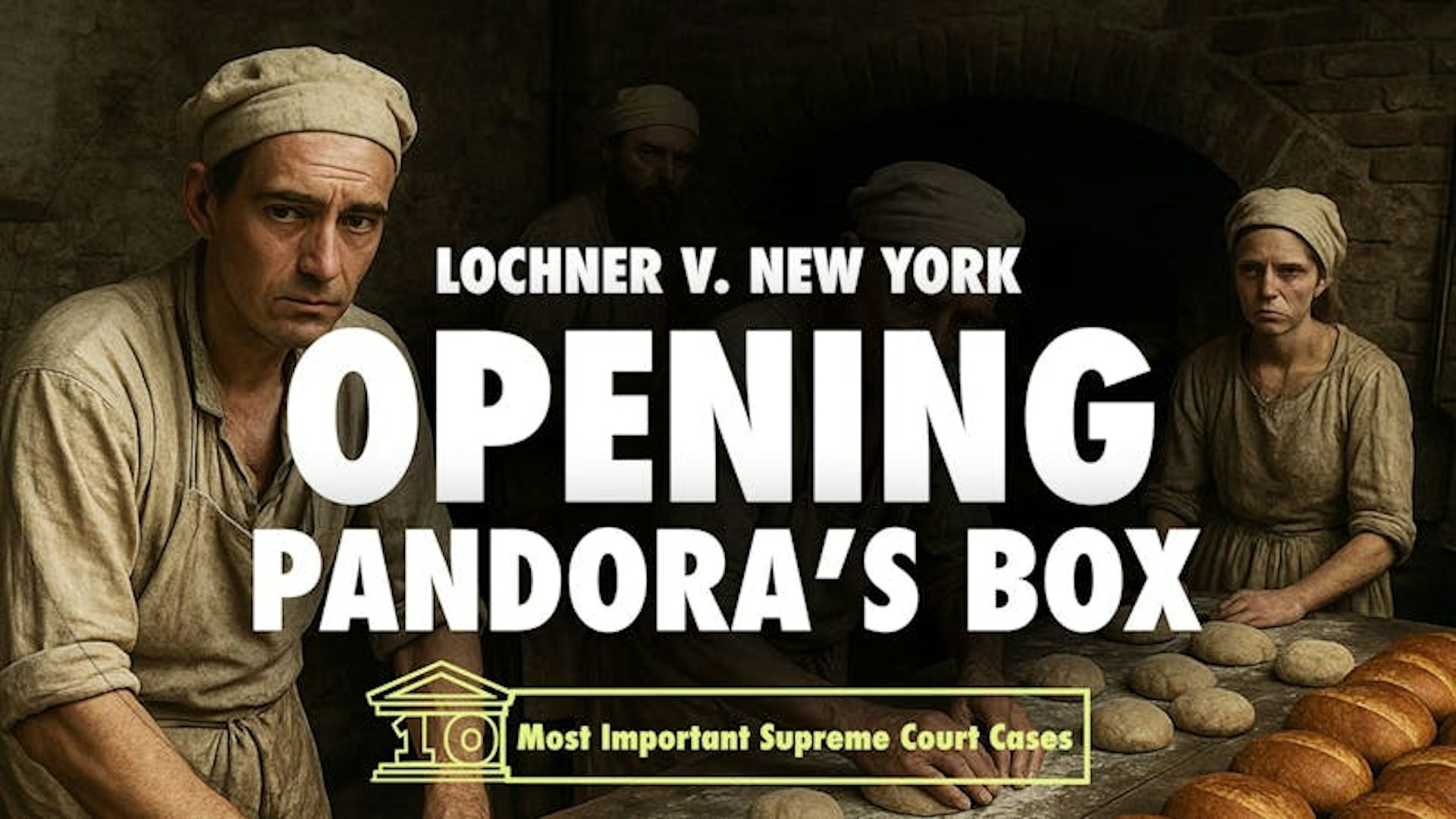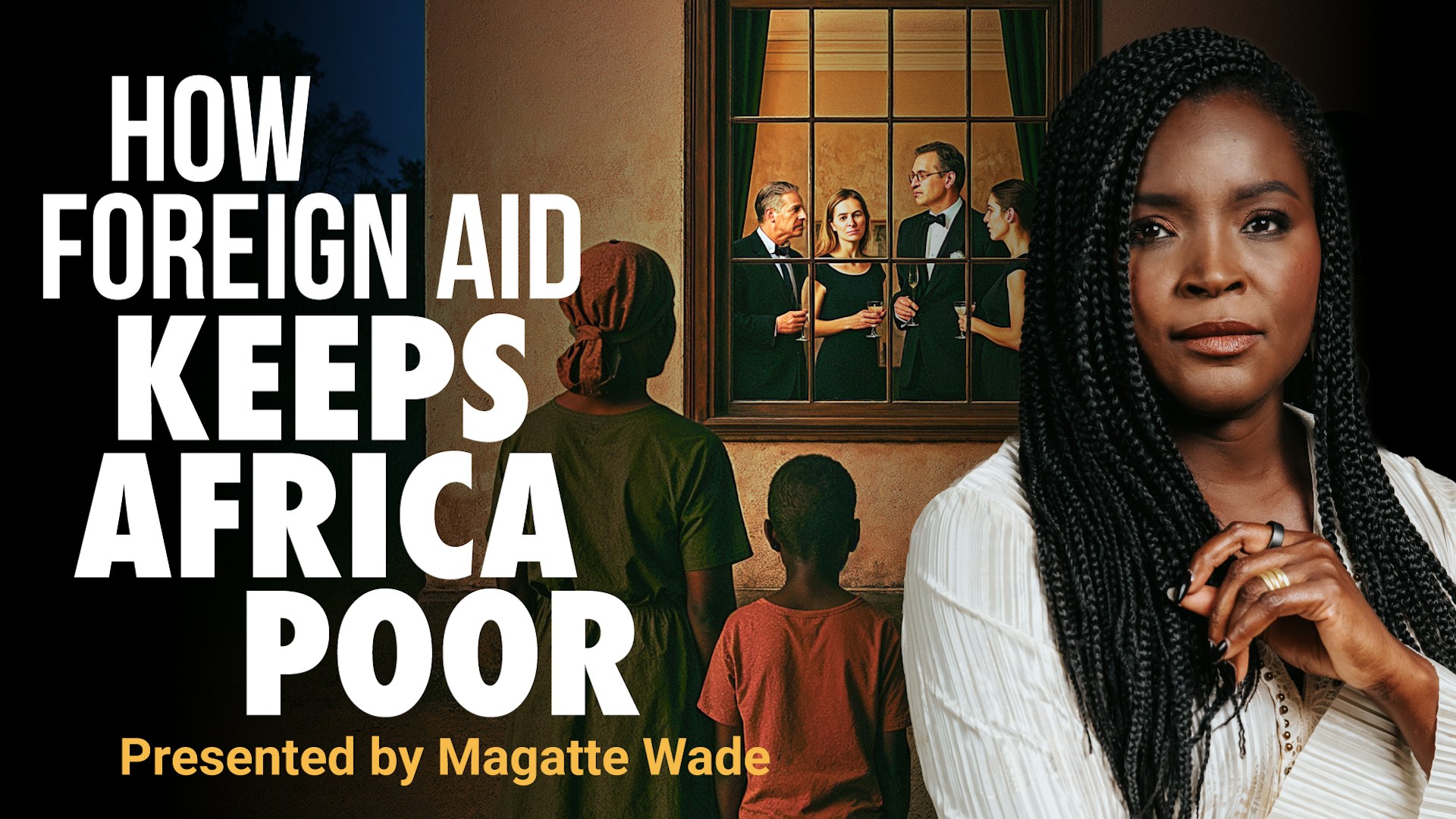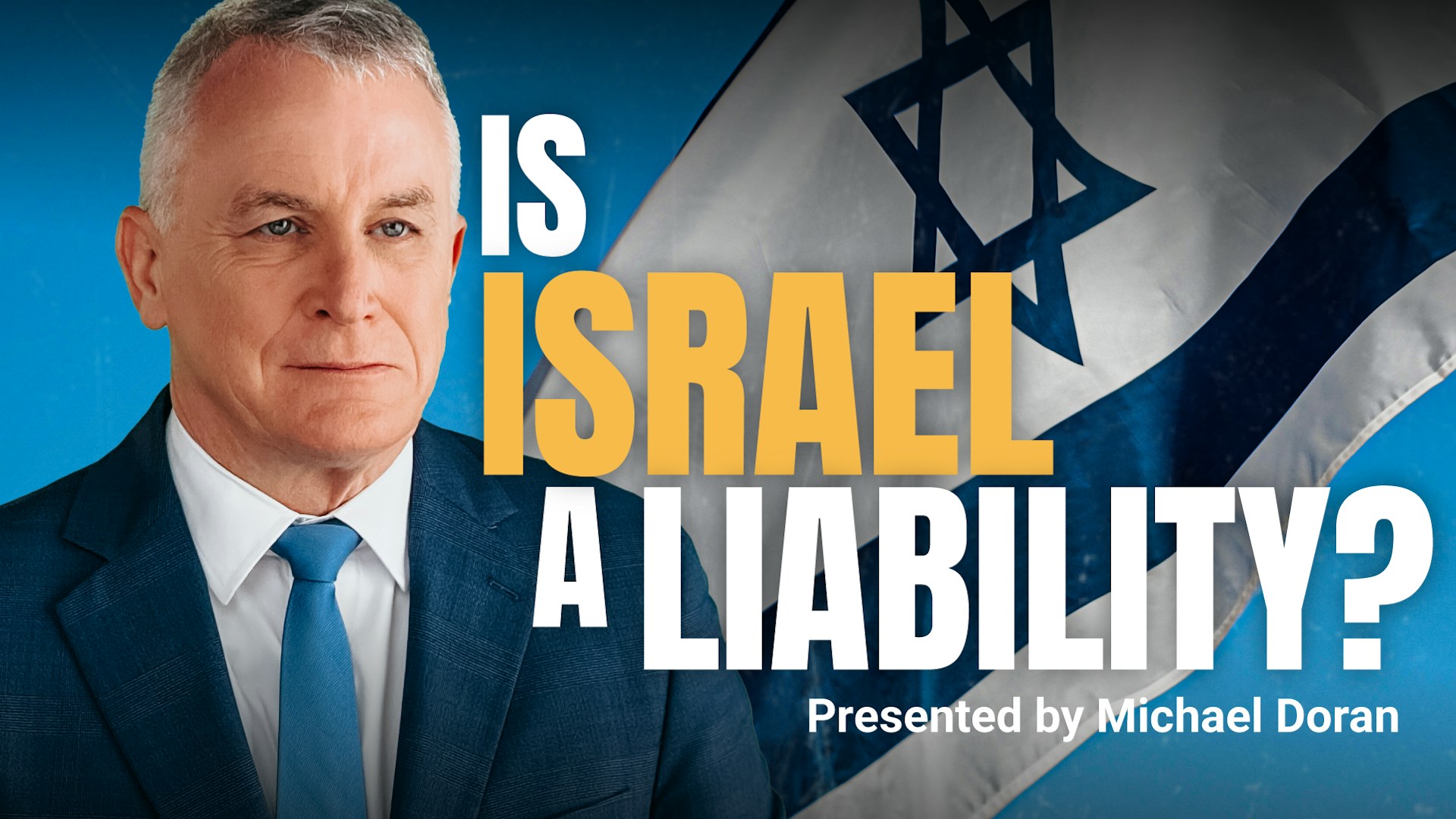
05:31
Dennis inaugurates a new feature of Prager University: Wisdom of the Masters, interviews with some of the finest minds in the world. First up, influential British historian Paul Johnson, author of "Modern Times, "The Intellectuals" and "A History of…
05:07
Men and Women live in the same world, so why do they see it so differently? Renowned relationship expert, Alison Armstrong, provides answers that are provocative and profound in this 5-Minute Video.
04:20
Can bad luck be a good thing? Comedian Adam Carolla, best-selling author and the world's most popular podcaster, well understands this riddle. He's lived it.
04:15
Only one species on the planet can change itself for the better. You belong to that species. Don't waste the opportunity! Live, learn, grow.
05:03
The United States is a built on a foundation of three unique values. Nationally syndicated talk show host and best-selling author, Dennis Prager, explains what they are in a new edition of the five minute course that launched Prager University.
05:03
Is evil rational? If it is, then how can we depend on reason alone to make a better world? Best-selling author Dennis Prager has a challenging answer.
05:02
Nicole Gelinas of the Manhattan Institute shows why price ceilings on apartments hurt those it intends to help -- but also why rent control is here to stay.
04:53
Dennis Prager talks about one of humanity's biggest pursuits--happiness. It's mentioned in the Declaration of Independence. Therapists and psychologists (and even pharmaceutical companies!) make their careers out of helping people be and feel happy.
05:38
Question: Which American institution--one that prides itself on being open, democratic, and diverse--punishes its members severely for offering unpopular opinions, while it offers them a very narrow, limited worldview? Answer: Universities.
05:27
Should taxes be higher? It's the million-dollar question. Up? Down? No change? There's a certain point at which higher tax rates actually reduce the amount of revenue the government collects and George Mason University Professor of Economics Tim…
05:00
We hear it all the time: "America is patriarchal! ", "American women are oppressed! " Well, a lifelong feminist and former National Organization for Women member, Tammy Bruce, is tired of hearing it—and she has a solution.
05:29
Science tells us that the universe came into being via The Big Bang. But how do you get from energy and matter to a self-aware human being? That takes three additional Big Bangs that science cannot explain.
04:55
Fact: America's national debt stands at $17 trillion. That's a tough number to grasp. Most people will never come close to making $1 million in any given year. How can we understand the magnitude of the hole our country is in?
05:07
In every society throughout human history the following relationship has held true: as government grows, human freedom and happiness shrinks. Best selling author, Dennis Prager puts it this way: "The bigger the government, the smaller the citizen.
03:33
Cultural depictions of capitalism are almost all negative. There's the Monopoly guy with the top hat and cigar. There's Gordon Gekko saying, "Greed is good. " And, most recently, there's the hedonism of the "Wolf of Wall Street.
04:48
When parents boast about their children with other people, what do most say first? Is it how nice they are to strangers? Or how much volunteering they did last year? Usually not.
05:21
"Social Justice" is a term you hear almost every day. But did you ever hear anybody define what it actually means? Jonah Goldberg of the American Enterprise Institute tries to pin this catchall phrase to the wall.
05:02
In our universities, newspapers, and television shows, it is a given that external forces are the cause of crime. If not for poverty, murder and rape would be much lower. If not for racism, America's inner cities would be far wealthier.
04:17
Belief in God, according to atheists, is irrational, illogical, and dumb. Belief that the universe created itself is, they say, intelligent, rational, and based in science. This is simply false. Nothing can create itself.
03:48
Over the past 50 years, the purpose of the American government has radically transformed. Whereas its main goal in domestic matters used to be to protect liberty, it is now an entitlements machine, transferring over $2 trillion per year from some…
05:29
The Middle East conflict is framed as one of the most complex problems in the world. But, in reality, it's very simple. Israelis want to live in peace and are willing to accept a neighboring Palestinian state.
05:30
We have all had times in our relationships when we hurt a loved one, or a loved one hurt us. That's part of life. But not all of us know how to forgive, even when the other party has offered a sincere apology.
05:05
Many countries have nuclear weapons, and many more want them. Only one, though, has its neighbors and the world terrified. That country is Iran. Why is everyone so concerned?
05:27
What ever happened to letting "boys be boys? " Take these two cases: In one, a seven-year-old boy was sent home for nibbling a Pop Tart into a gun.
05:17
Over the past century there have been periods when the American military has been dominant and periods when it has not. Renowned British historian Andrew Roberts examines the consequences of a weak America versus a strong America and what each means…
04:49
As a college graduate, the commencement speech is something that you can take with you into the world. America's universities have attracted some of the most successful and famous people to speak to graduates.
04:21
Built into the foundation of free enterprise is a promise. It's a promise that no other economic system offers. This promise has a great deal to do with your sense of well-being, that is, your happiness.
04:26
A new history of the Great Depression is emerging. One that acknowledges the role that government played in causing and prolonging it, and the constructive role that free enterprise could have played, if it were given the chance.
05:41
Did the United States win or lose the Vietnam War? We are taught that it was a resounding loss for America, one that proves that intervening in the affairs of other nations is usually misguided.
04:27
Would you believe us if we said that the best litmus test of any society's success is its attitude towards Israel? Well, it's true. As George Gilder explains, whether a society envies and resents Israel's success or celebrates and tries to replicate…
05:17
What is the most important thing in life? Money? Happiness? Love? Those things are certainly important, but what matters most is good values. What are values? They are what we consider more important than our feelings.
05:05
The latest strategy employed by those who wish to strangle Israel is called BDS. It may sound harmless, but do not be fooled. It stands for Boycott, Divestment and Sanctions, and not only is it poisonous for Israel, but for the world as well.
05:48
The U.S. government has spent trillions of dollars in recent decades attempting to combat poverty, yet the poverty rate has remained virtually unmoved. Why?
05:12
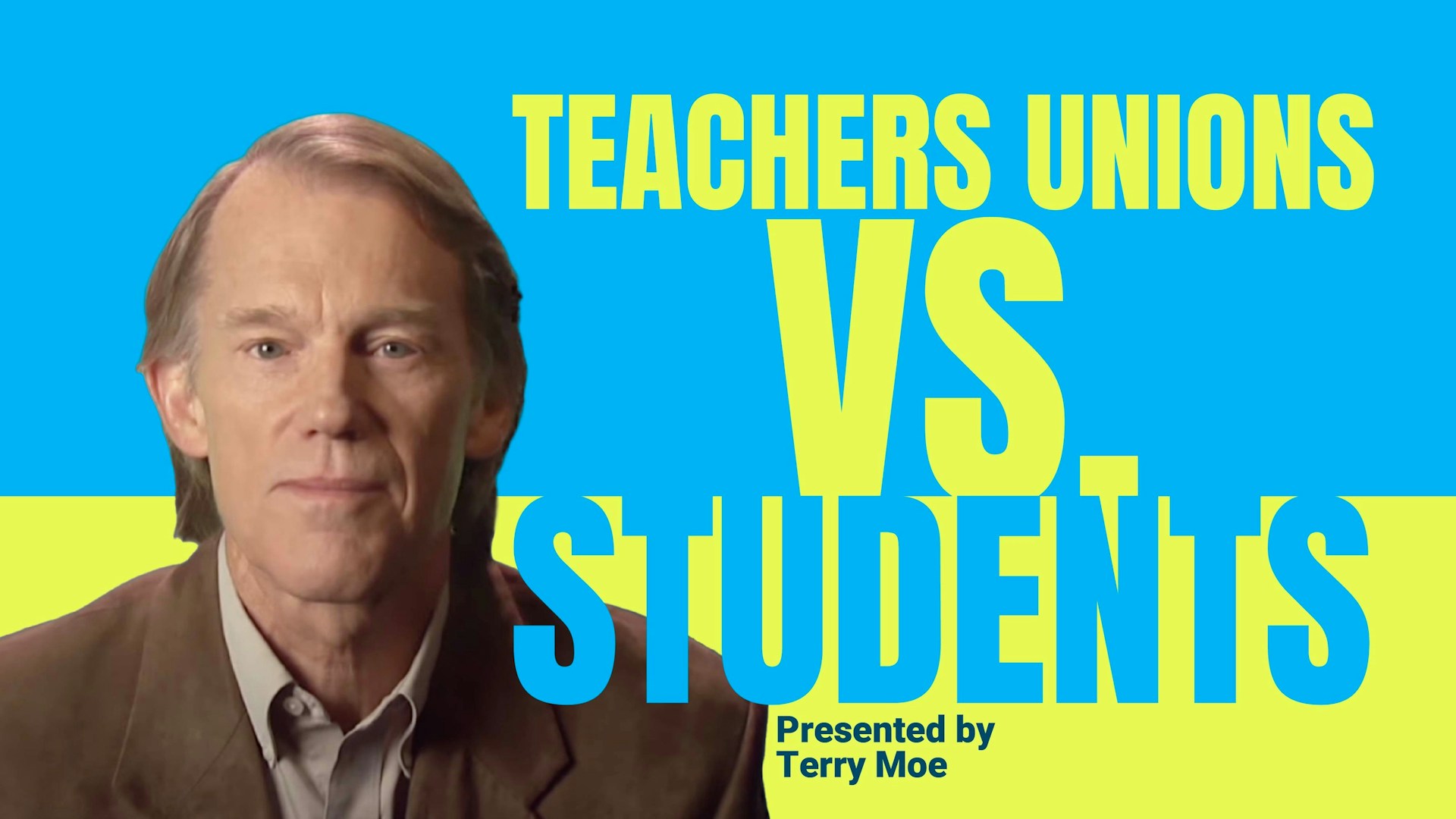
There is a dilemma in American education. On the one hand, teachers are essential to student achievement. On the other, teachers unions promote self-interests of their members which are antithetical to the interests of students.
04:36
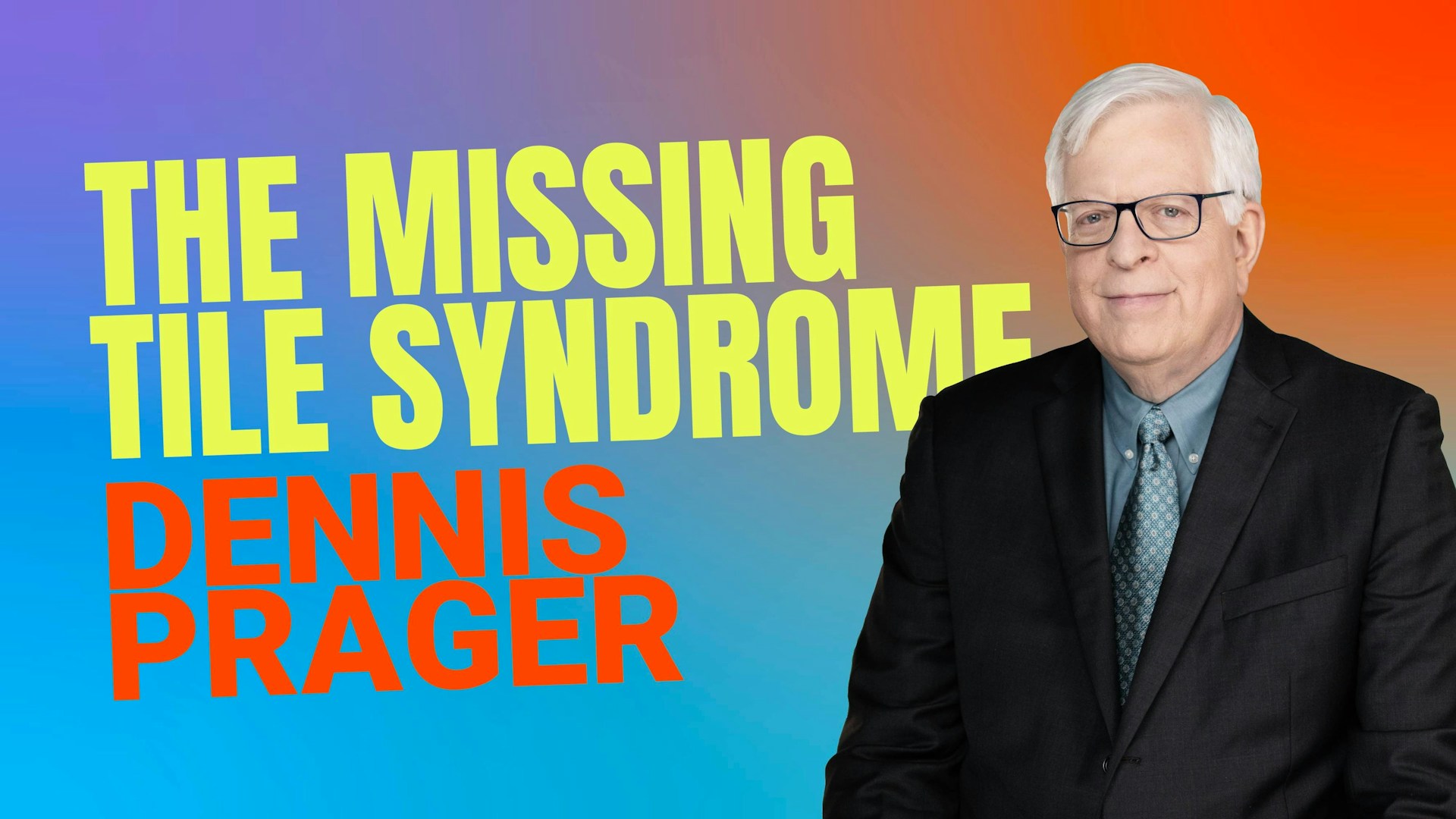
Have you ever thought to yourself, "I wish I were "? Adjectives may have included: thinner, taller, smarter, etc. If so, you're like virtually everyone else, and afflicted by "The Missing Tile Syndrome.
05:21
Why are some countries rich and some countries poor? Is it access to natural resources? Is it tax policy? A motivated work force? These are important, but not determinative. The answer is deceptively simple—t's what's in our heads: knowledge.
04:40
Isn't human suffering proof that a just, all-powerful God must not exist? On the contrary, says Boston College Professor of Philosophy Peter Kreeft. How can "suffering" exist without an objective standard against which to judge it?
04:27
Are most college professors liberal? Yes, says Penn State Associate Professor of Political Science and Philosophy Matthew Woessner. Perhaps surprisingly, however, his research shows that liberal bias does not seem to influence right-leaning…
05:45
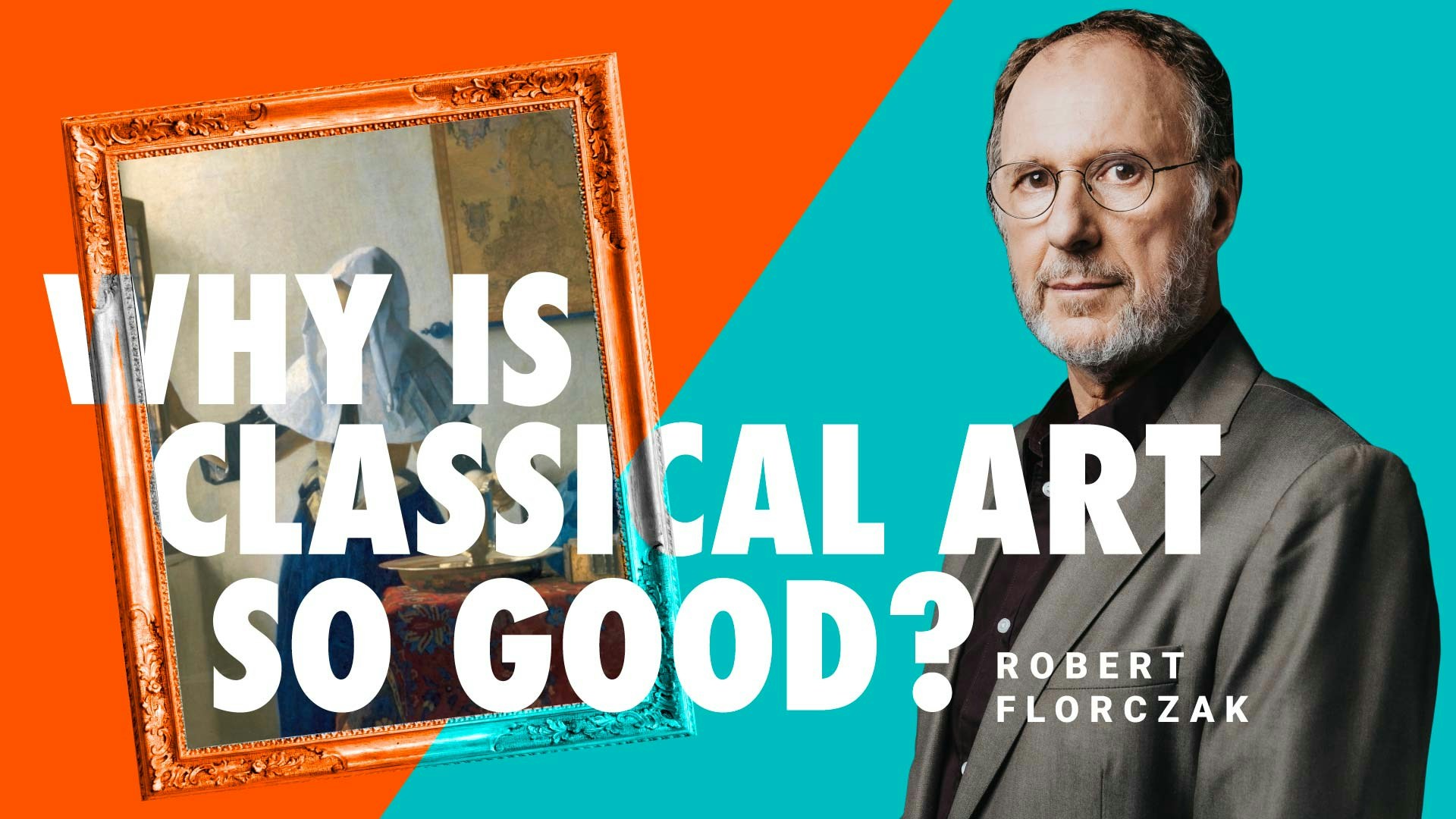
For two millennia, great artists set the standard for beauty. Now those standards are gone. Modern art is a competition between the ugly and the twisted; the most shocking wins. What happened?
04:51
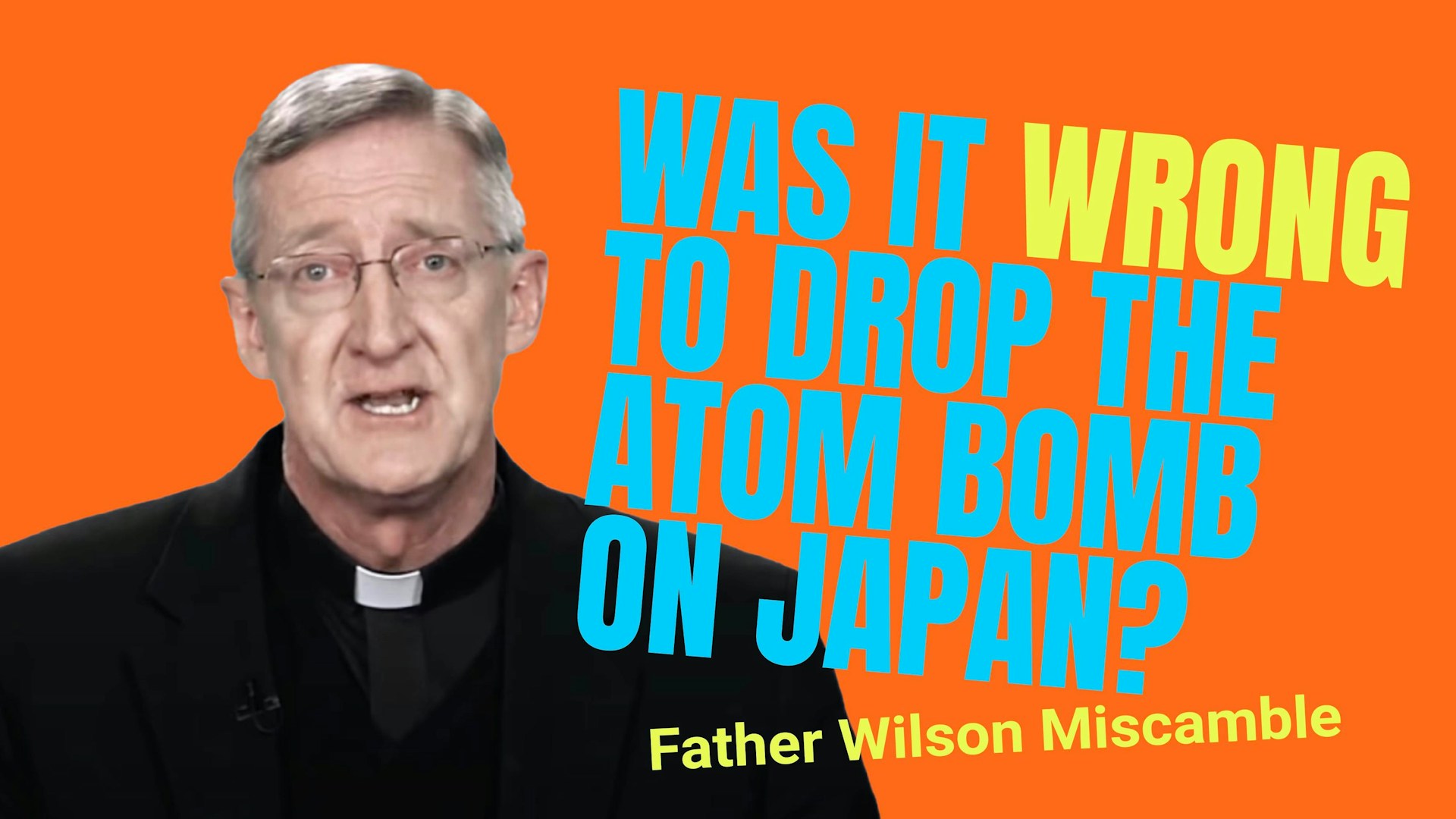
In recent years, many academics and others have condemned President Truman's decision to use the atomic bomb on the Japanese cities of Hiroshima and Nagasaki as unnecessary and immoral.
05:22
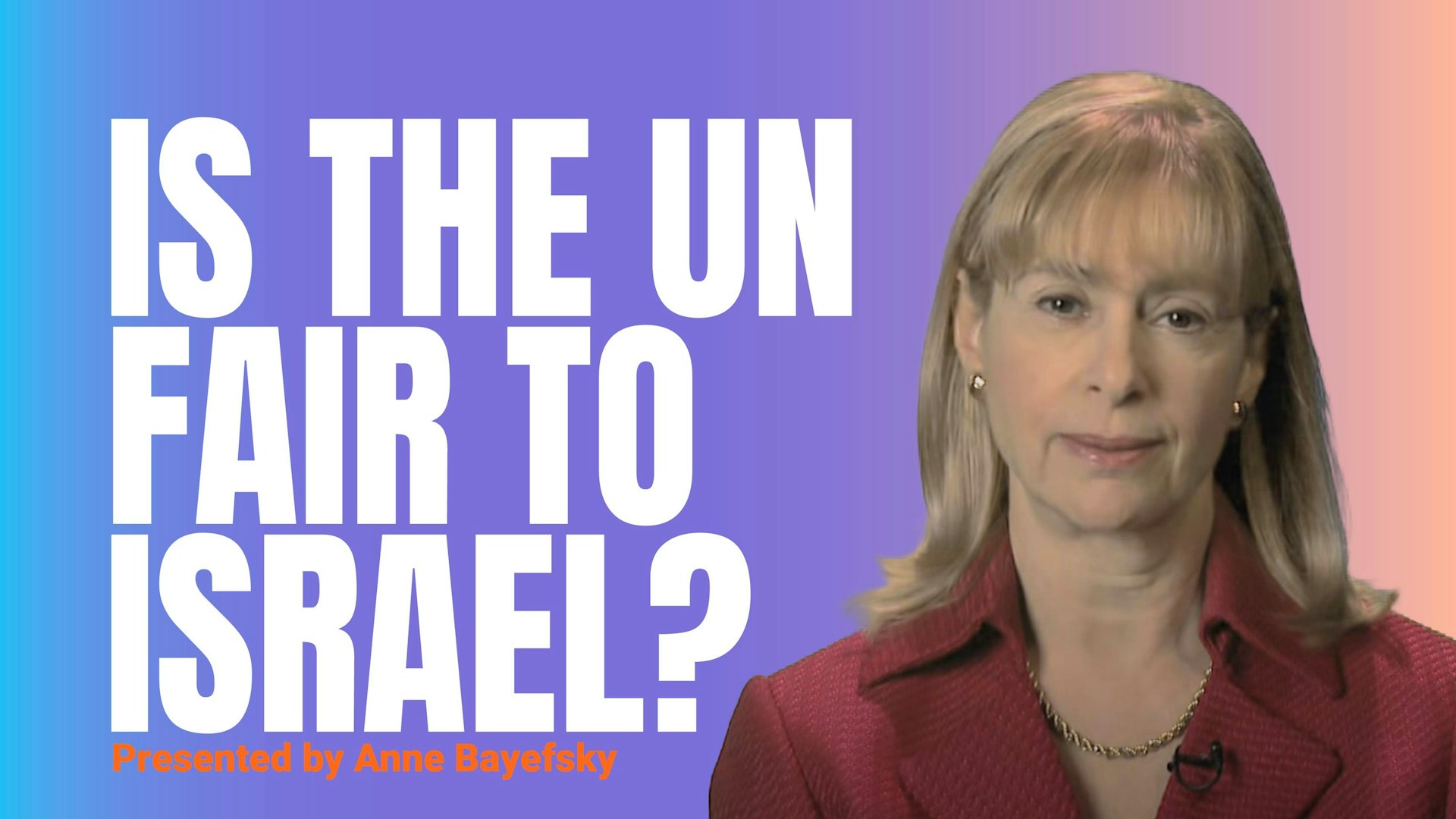
Israel is a vibrant democracy with full rights for women and gays, a free press and independent judiciary. You would think that the United Nations would celebrate such a country.
05:54
Women in America are the freest in the world, yet many feminists tell us women are oppressed. They advocate this falsehood through victim mentality propaganda and misleading statistics, such as the gender wage gap myth.
05:27
Everyone complains about America's debt, and rightly so, but how do we get out of it? As Cato's Michael Tanner explains, spending on entitlement programs -- Social Security, Medicare and Medicaid -- has exploded in recent decades.
05:48
Is "campaign finance reform" a good way to regulate money in politics? Nationally syndicated, Pulitzer Prize-winning columnist and best-selling author George Will shows that, despite the innocent name given by its proponents, campaign finance reform…
05:10
Is Israel an "apartheid state," as its enemies claim? Who better to answer that charge than a black South African who lived through apartheid? Kenneth Meshoe, a member of the South African parliament, fits that bill.
05:03
What's the perfect minimum wage: is it $10 an hour? $15? $20? How about zero? That's right. Zero. While Congress discusses a minimum wage hike, economist David Henderson shows that any minimum wage makes it harder for unemployed people (particularly…
04:59
"The Progressive Income Tax" is one of those economic terms that gets bandied about, but few actually know what it means or how it works. This tale of three similar brothers with three different incomes (but one shared expense) helps explain the tax…
04:41
The most persecuted and victimized people in the world today are Christians in the Middle East. The perpetrators of the widespread destruction of that region's Christian community? Islamists.
04:18
"The customer is always right" is a motto we hear often, and it suggests that consumers only have rights, and businesses only have obligations. That is wrong.
05:14
There Are More Idols than Ever Today, the idea of idol worship feels ancient and remote to many people. Thus, the Second Commandment, "You shall have no other gods," doesn't seem applicable in modern society. But the opposite is true.
04:53
The Best Way to Protect the Family Why do the Ten Commandments single out adultery as particularly harmful? Because adultery can destroy the foundational unit of a society -- the family. If exposed, adultery leads to a sense of betrayal.
05:49
Humanity has everything it needs to create a good world. We've had it for 3,000 years. It's the Ten Commandments—ten basic, yet profound instructions for how to lead a moral life.
05:17
Even if you don't feel like it. Children owe their parents one thing. And no, it's not love. The Fifth Commandment understands that sometimes it's difficult or even impossible to love your parents. But it's almost always possible to honor them.
05:38
Don't be a Slave Setting aside of day of rest each week was a revolutionary concept when it was first introduced as the Fourth Commandment.
04:58
God Wants Us to Be Free Although the First Commandment ("I am the Lord your God") appears simple at first glance, it actually set into motion the most revolutionary idea in human history -- ethical monotheism, the belief that there is one God whose…
05:13
You Can Kill, but You Can't Murder If asked to state this commandment, most people would say "Do Not Kill. " This is understandable because the classic King James Bible translates it this way. But the English language has changed since 1610.
05:33
Lying is the Root of Evil The most important ingredient to building a moral society is truth, both inside and outside a courtroom. The prohibition against "bearing false witness" does not only demands that truth reign supreme in a trial, but that…
05:38
Keep This and You'll Keep Them All There is one commandment that, if followed by all of humanity, would instantly create a peaceful world: Do not steal.
04:21
The One Thought You Should Never Have There is only one commandment that prohibits a thought, and it is this: "Do Not Covet. " Why does the Bible, which is preoccupied with behavior, legislate a thought?
04:13
The Worst Sin You Can Commit Not all sins are equal. Some are worse than others. The worst one of all? Committing evil in the name of God. This commandment is often misunderstood because it's mistranslated.
04:21
Is Israel's policy of building civilian communities in the West Bank the reason there's no peace agreement with the Palestinians? Or would there still be no peace even if Israel removed all of its settlements and evicted Israeli settlers, as it did…
04:17
Does free enterprise hurt the poor? Is it unfair and driven by greed? Did it cause the Great Recession? In five minutes, Arthur Brooks answers these questions and more about capitalism. This video is part of the Robert W.
05:26
Were the Middle Ages, also known as the Dark Ages, characterized by oppression, ignorance, and backwardness in areas like human rights, science, health, and the arts? Or were they marked by progress and tolerance?
05:19
Pakistan is the world's fifth largest democracy. It is also deeply influenced by Islamic law (Sharia). Can these two traditions, Western Liberal democracy and Sharia, co-exist? If so, how? And if not, what are the consequences?
05:32
Why are we here? Literally. The latest science says we shouldn't be. It says that the chance life exists at all is less than zero. So, is science the greatest threat to the idea of Intelligent Design or is science its greatest advocate?
05:01
Do the rich pay their fair share of taxes? It's not a simple question. First of all, what do you mean by rich? And how much is fair? What are the rich, whoever they are, paying now? Is there any tax rate that would be unfair?
05:07
When the state of Israel was founded in 1948, it was done so with the approval of the United Nations. But today, Israel's enemies routinely challenge the legitimacy of its very existence. So, under international law, who's right? Israel?
05:11
Men look at pretty women. That goes for men who are married, men who are dating, and men who are single. That's their nature. But is this built-in attraction with the female body a threat to their spouse, girlfriend, or partner?
05:30
What was perhaps the most determinative date in American history? July 4, 1776? Pearl Harbor? September 11? How about...July 28, 1588. Richard McMillan, Professor of History at Pierce College, explains why that seemingly random date is so important.
05:28
Why did America invade Iraq in 2003? Was it for oil? Or was it because Saddam Hussein was a mass-murdering dictator who harbored terrorists and threatened the region with Weapons of Mass Destruction?
05:41
America's campuses, particularly those in California, spend tens of millions of dollars on administrators and programs to combat issues like sexism, homophobia, and racism on campus. But are these problems in any way prevalent at our universities?
05:13
Do humans have free will or are our decisions entirely products of chemistry, physics, and genetics? Is there a difference between the brain and the mind?
05:05
Is profit a dirty word? Would the world be better off without them? Or are profits progressive—the only thing that can move potatoes from Idaho to Manhattan and medicine from America to Africa?
05:05
Every year on Earth Day we learn how bad humanity's economic development is for the health of the planet. But maybe this is the wrong message.
04:39
Does race trump truth? In a confrontation between police and perpetrators, what is more important? Facts or skin color? When protests morph into riots, do we excuse bad behavior based on race? If we do, how are we ever going to end racism?
03:47
Is there an equation that can accurately predict how happy you will be? There is. Can you control the inputs of that equation, and thus your own happiness? You can. How?
04:42
Right now, there's a well-organized, below-the-radar effort to render the Electoral College effectively useless. It's called the National Popular Vote, and it would turn our presidential elections into a majority-rule affair.
04:51
Do you understand what the Electoral College is? Or how it works? Or why America uses it to elect its presidents instead of just using a straight popular vote?
05:19
Should America be the world's policeman? Does the world even need a policeman? Or would humanity be better off if America weren't the dominant military superpower? Pulitzer Prize-winning columnist and foreign affairs expert Bret Stephens weighs in.
05:40
There were thousands of college commencement speeches around the country this year for the Class of 2015. But there was one missing -- one very truthful, funny and witty speech that graduates should've heard, but didn't.
05:39
Who poses the biggest threat to America's economy by striking deals with crooked politicians? Big Oil, Big Pharma, or Big Unions? Daniel DiSalvo, political science professor at the City College of New York, gives the answer.
04:58
What makes someone become an Islamic extremist? Is it poverty? Lack of education? A search for meaning? Haroon Ullah, a senior State Department advisor and a foreign policy professor at Georgetown University, shares what he discovered while living…
05:47
Should the government bail out big banks that may otherwise go bankrupt? Or should it let them go under, as it did with Lehman Brothers in 2008?
05:22
Is America really that great? Or is the United States just like any other nation? Outsiders tend to be the best judge of character, and Nick Adams, a best-selling Australian author and political commentator, gives an outsider's view of the USA.
05:01
Religious tolerance is a given in the West. But it's a historical aberration -- an ideological revolution created by the Puritans and pre-1776 Americans. What was it that led to the religious tolerance revolution?
04:43
Since time immemorial, our climate has been and will always be changing. Patrick Moore explains why "climate change," far from being a recent human-caused disaster, is, for a myriad of complex reasons, a fact of life on Planet Earth. Take the…
05:26
Everybody loves trees, so why are they so controversial? Patrick Moore untangles the knotty issue of "deforestation" and shows how, from a purely environmental perspective, it is possible and desirable to grow more trees and use more wood…
05:46
Are GMOs really the dangerous experimental foods that activists claim? Patrick Moore cuts through the hype and gives you the facts: how GMOs improve our lives, and how they can save millions of people in the developing world from hunger and disease…
04:20
Global Warming activists will tell you that CO2 is bad and dangerous. The EPA has even classified it as a pollutant. But is it? Patrick Moore provides some surprising facts about the benefits of CO2 that you won't hear in the current debate. Take…
05:29
Patrick Moore explains why he helped to create Greenpeace, and why he decided to leave it. What began as a mission to improve the environment for the sake of humanity became a political movement in which humanity became the villain and hard science…
05:26
Is the nuclear agreement between the United States and Iran a good or bad deal? Would it be harder or easier for Iran to develop nuclear weapons? Would it make Iran and its terror proxies stronger or weaker? Should the U.S.
05:39
What caused the Civil War? Did the North care about abolishing slavery? Did the South secede because of slavery? Or was it about something else entirely...perhaps states' rights?
05:09
Is abortion right, or is it wrong? It's the big question that's lost in a societal debate that's mostly focused on legality. But, really, whether it's right or wrong is the most important question about abortion.
05:17
Are you on the wrong side or the right side of history? Is there even a "wrong side" or a "right side"? What do those terms mean and why do politicians and pundits use them?
05:10
Should offensive speech be banned? Where should we, as a society, draw the line where permitted speech is on one side, and forbidden speech is on the other? Should we even have that line?
05:23
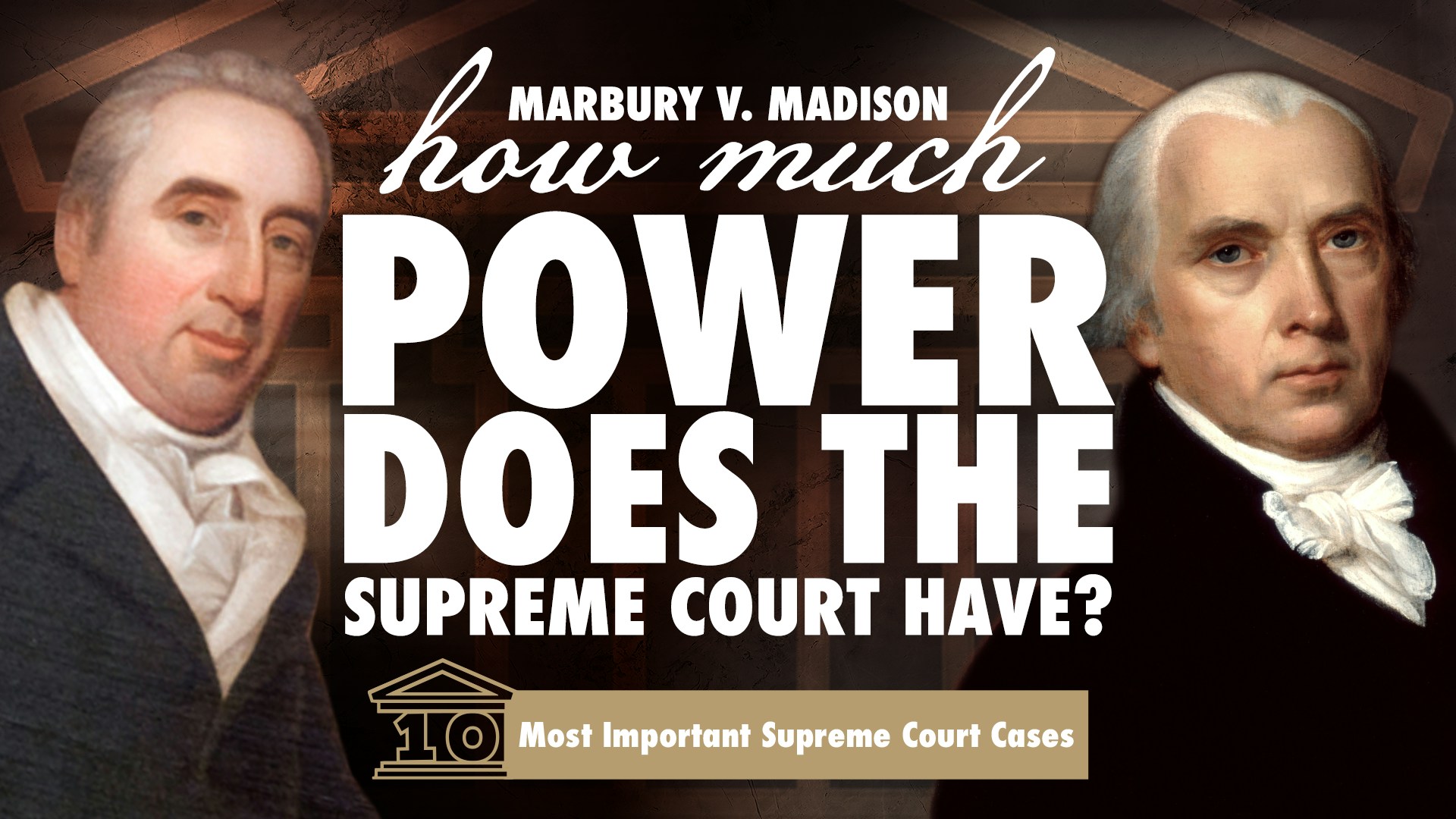
Was the Constitution written in a way that was designed to protect freedom and limit the government's size? Has it been effective in doing that? And what's the Supreme Court's record when it comes to protecting our rights?
05:22
Is capitalism moral or greedy? If it's based on greed and selfishness, what's the best alternative economic system? Perhaps socialism? And if capitalism is moral, what makes it so?
04:27
What makes conservatism right? If you're a conservative, you should know why you're right. If you're not a conservative, why should you think about becoming one?
04:44
Is radical Islam our generation's most dangerous ideology? Is it comparable to what Nazism and Communism were in the 20th century? Or are Islamists no more dangerous than extremist Christians, Jews, and Buddhists?
05:43
Was America's first billionaire, John D. Rockefeller, a greedy robber baron, a generous philanthropist, or both? And did the oil tycoon exploit America's poor or give them access to much-needed energy?
03:34
Telling the truth is usually right. But can it also sometimes be wrong? If so, when? And why? Rabbi Joseph Telushkin, a bestselling author and renowned scholar, explains when honesty isn't the best policy.
04:13
Is green energy, particularly wind and solar energy, the solution to our climate and energy problems? Or should we be relying on things like natural gas, nuclear energy, and even coal for our energy needs and environmental obligations?
05:20
What in the world happened to the liberal arts? A degree in the humanities used to transmit the knowledge and wisdom imbued in the works of great Western artists, writers, musicians and thinkers like Shakespeare and Mozart.
03:46
Successful liberals live by conservative values. It's true. The liberal musician, the liberal chef, the liberal writer -- all swear by things conservatives love, like competition, earned reward, and, yes, profit and the bottom line.
05:16
Why does student debt keep going up and up even as it's harder and harder to find a good job with a college degree? And why does it seem that the more aid the government and colleges give, the less it helps?
05:43
What corrupts politics more: Millionaires and billionaires? Or the rules that intend to limit the influence of wealthy donors? George Will, author and Pulitzer Prize-winning columnist for the Washington Post, explains who designed campaign finance…
05:24
Is man-made climate change our biggest problem? Are the wildfires, droughts and hurricanes we see on the news an omen of even worse things to come?
05:23
Is the Israeli military a paragon of morality and wartime ethics? Or is it an oppressive force that targets innocent Palestinian civilians and commits war crimes as a matter of policy?
05:07
How big should the government be? And what is its proper role in the daily lives of Americans? The Left and Right have opposite answers.
05:43
How do you want to improve America? By focusing on improving and refining yourself? Or by transforming society? The answer to that question will reveal whether you're on the Left or the Right.
05:32
Is the United States an exceptional country that has played a uniquely good role in history? Or is it a typical country, perhaps even a uniquely bad one considering the legacy of slavery and Jim Crow? On this, the Left and Right do not agree.
05:00
The Left and Right perceive the world differently. One side sees it as it exists, accepts fundamental truths and facts—even if they are painful—and then adopts a worldview. The other side adopts a vision, and then views the world through that prism.
05:29
When setting public policy, what's more important: intentions or results? Feeling good or doing good? When it comes to being guided by the heart or by the mind, the Left and Right are very different.
04:56
Is it true that sticks and stones can break your bones, but words can never hurt you? Yes, but only if you choose to not let words hurt you.
05:15
Is America racist? Is it—as President Barack Obama said—"part of our DNA"? Author and talk-show host Larry Elder examines America's legacy of racism, whether it's one we can ever escape, and in the process offers a different way of looking at things…
05:17
If there is a God, why is there so much evil? How could any God that cares about right and wrong allow so much bad to happen? And if there is no God, who then determines what is right and what is wrong?
04:37
Why are men so easily turned on sexually by a woman's legs, but not vice-versa? Why are female strip clubs so much more prevalent and popular than male strip clubs, but not vice-versa?
05:33
Is there a middle ground between the aggressive foreign policy of the Bush Administration and the passive and hesitant foreign policy of the Obama Administration? Yes, and New York City is a model. How so?
04:52
Are electric cars greener than conventional gasoline cars? If so, how much greener? What about the CO2 emissions produced during electric cars' production? And where does the electricity that powers electric cars come from?
05:34
Is there a point where the "P.C. Police" are satisfied? Are there ever "enough" rules governing the jokes we tell, the mascots of sports teams, or the symbols on city seals?
04:48
This election season there's a lot of talk about corruption, about politicians being "bought and sold", and about "crony capitalism". What do those terms mean? Why should we care?
04:56
Do you struggle to control your anger? Are you the victim of someone who loses their temper? When you feel angry, controlling that rage is very difficult--but it's possible.
04:37
Adam Carolla isn't going to tell you who to vote for. But he is going to tell you who NOT to vote for. And in a time when candidates running for office promise the moon, one of America's funniest comedians shares a few tips about how to spot the…
05:45
Did George W. Bush lie to America about Saddam Hussein having weapons of mass destruction? Judith Miller, a Pulitzer Prize-winning journalist, covered the lead up to the Iraq War for The New York Times, and settles once and for all the big lie about…
04:35
Can the government ever be too big? How much spending is enough spending? And if there can be too much spending, where is that point? William Voegeli, Senior Editor of the Claremont Review of Books, explores these complex questions and offers some…
05:29
Was America once socialist? Surprisingly, yes. The early settlers who arrived at Plymouth and Jamestown in the early 1600s experimented with socialist communes. Did it work?
04:47
What must the United States do to prevent more Islamist terror attacks like recent ones in Brussels, Paris, and San Bernardino? Khurram Dara, a Muslim American activist, author and attorney, explains why it is Muslim Americans who must take the lead…
05:25
Why is baseball called "America's pastime"? What makes it any more unique than, say, football, basketball, or hockey? George Will, a Pulitzer Prize-winning columnist and the author of two bestselling books on baseball, explains why the sport known…
05:05
Is it true that 1 in 5 women are raped on America's college campuses? If so, what does that say about our universities and the people who run them? If not, how did that statistic get into the mainstream?
04:54
Climate change is an urgent topic of discussion among politicians, journalists and celebrities...but what do scientists say about climate change? Does the data validate those who say humans are causing the earth to catastrophically warm?
04:58
To make the earth cleaner, greener and safer, which energy sources should humanity rely on? Alex Epstein of the Center for Industrial Progress explains how modern societies have cleaned up our water, air, and streets using the very energy sources…
05:54
From transportation to energy, and everything in between, should the government invest money in as many promising projects as possible? Or would that actually doom many of those ventures to failure?
04:12
It's been seven decades since the 1948 Arab-Israeli war, and yet there are still an estimated 4 million Palestinian refugees...and zero Jewish refugees. With so many nearby Arab allies of the Palestinians, how did this happen?
04:31
Is bachelor life really the good life? Playing the field, traveling the world, and focusing on career sounds better than tying the knot. But is it possible that married men have more sex and make more money than their single counterparts?
04:34
ISIS has conquered territory across the Middle East and northern Africa. It has terrorized its occupied cities, sown terror across Europe, and spread its ideology around the world. But what does ISIS want? What does it believe?
04:39
Are abortion laws more conservative in America or in Western Europe? Would a pregnant woman seeking an abortion have an easier time getting one in Texas or in...Germany?
04:42
What was the Korean War? And why was America involved in such a faraway conflict? Was the United States' sacrifice—35,000 killed, over 100,000 wounded—worth it?
05:08
Should you follow your passion, wherever it may take you? Should you do only what you love...or learn to love what you do? How can you identify which path to take? How about which paths to avoid?
05:10
Which poses a bigger threat to black communities: Racism? Or the absence of fathers? Drawing on a sea of official data and his own upbringing, talk-show host Larry Elder shows just how important black fathers are in turning boys into responsible and…
04:50
Even if you don't believe in God, do you wish you did? Even if you're an atheist or an agnostic, is there still good reason to act religiously?
05:25
Are women oppressed in Muslim countries? What about in Islamic enclaves in the West? Are these places violating or fulfilling the Quran and Islamic law?
05:01
When it comes to politics, do you have an ideology? Or are you a pragmatist? What's the difference? Is one better than the other? Jonah Goldberg, Senior Editor for National Review, explains why ideology matters, and why "pragmatism" may not mean…
04:26
Is it true that 97% of climate scientists agree that climate change is real? Where does the 97% figure come from? And if it is true, do they agree on both the severity of and the solution to climate change?
04:13
Which is better: socialism or capitalism? Does one make people kinder and more caring, while the other makes people greedy and more selfish?
05:07
Democrats often think of themselves as kind and caring, and of Republicans as callous and mean-spirited. But why? Are Progressive policies more likely to raise people out of poverty than conservative ones?
04:57
Are droughts, hurricanes, floods and other natural disasters getting stronger and more frequent? Are carbon dioxide emissions, global temperatures and sea levels putting us on a path for climate catastrophe?
03:27
Can working at McDonald's better prepare a young adult for life than attending college? For Haverford undergraduate Olivia Legaspi, college taught her that her feelings are more important than anything; but working at McDonald's she learned that…
05:10
With the smartest experts and the best economists, could the federal government run the U.S. economy? Could it keep America's $17 trillion economy going like a well-oiled machine?
05:30
How do you know if your relationship is going in the right direction? Is there a way to tell if you're in love? Well, yes, and studies confirm that the measuring stick is how much laughter there is in your relationship.
05:25
Are the police racist? Do they disproportionately shoot African-Americans? Are incidents in places like Ferguson and Baltimore evidence of systemic discrimination? Heather Mac Donald, a scholar at the Manhattan Institute, explains.
04:48
Conservative students are vastly outnumbered on campus, and their beliefs and values are often ridiculed by other students, professors and administrators. So, how can conservatives survive and thrive in college, while also making a difference?
05:50
If every high school principal said this, it would change students' lives and would change America. So what exactly should every high school principal say? Dennis Prager explains.
04:28
What if everything you've heard about income inequality is wrong? What if it's actually a good thing for there to be people who are rich and people who aren't?
04:45
What did the Founding Fathers believe about religion? Were they Christians, or just deists? Did they believe in secularism, or did they want Americans to be religious?
05:30
What are the five biggest problems facing black Americans? Where do things like racism and police brutality rank? What about the absence of black fathers? Taleeb Starkes, author of Amazon #1 bestseller "Black Lies Matter," lists the five.
04:23
The American Dream is real, but it may not be for much longer. What exactly is the American Dream? And why is it in danger? Elaine Parker of Job Creators Network explains. Visit https://informationstation.org for more economics and business insights.
04:52
Is the U.S. tax system fair? Are the rich paying too little or too much? What about the middle and lower class? New York Times bestselling author Amity Shlaes answers these questions, and offers a tax solution that most Americans could get on board…
05:45
Is the press trustworthy? Can we believe what reporters and journalists tell us? Judith Miller, Pulitzer Prize-winning former reporter for the New York Times, explains why Americans' trust in the news media has fallen, and why that matters.
04:59
Is Islam a religion of peace? Is it compatible with Western liberalism? Or does Islam need a reformation, just as Christianity had the Protestant Reformation? Somali-born author and activist Ayaan Hirsi Ali explains.
05:09
From California to Africa, we are facing a global water shortage. But one tiny country, in the middle of a desert, has found remarkable solutions. Which country? And can we replicate its success?
05:21
Many of America's legal and illegal immigrants fled nations that were ruined by corrupt politicians and failed government policies. But once here, they support the same things. Why?
05:05
Intimidation, harassment, and blackmail have become the norm in American politics. Why? Because it works. Kimberley Strassel, author of The Intimidation Game, explains.
04:16
What is democratic socialism? What makes it different than regular socialism? Has it been tried? Could it work in the United States? Comedian and political commentator Steven Crowder, host of Louder With Crowder, explains. This video is part of the…
03:48
Would stricter gun laws reduce gun violence? Could gun control measures in places like Australia work in America? Nicholas Johnson, professor of Law at Fordham University, explains.
05:14
If you're a parent, is your child getting enough Vitamin N? It may be the most important thing you can give them. But what exactly does Vitamin N do? Watch this video to find out.
05:25
Should Americans wish each other "Happy holidays" or "Merry Christmas"? Should an office "Christmas party" be called a "holiday party" so that it's more inclusive?
04:34
How do devout Muslims born in the West feel about Jews? How do they feel about Western values in general? Kasim Hafeez, who was raised a devout Muslim in England, explains.
04:27
What makes a man sexy? What makes a man...a man? Is there something about being the "bad boy"? Or is it more about predictability and reliability? Jim Geraghty of National Review explains.
05:13
What would happen if there was just one tax rate for most Americans? Would that be fair? Could it even work? Steve Forbes, Chairman and Editor-in-Chief of Forbes Media, explains.
05:39
If you saw your dog and a stranger both drowning in the ocean, which would you save first? Your answer says, well, everything about how you see the world. Dennis Prager explains.
05:27
The Paris Climate Agreement will cost at least $1 trillion per year, and climate activists say it will save the planet. The truth? It won't do anything for the planet, but it will make everyone poorer--except politicians and environmentalists.
05:05
Can every child receive a good education? With school choice and competition, yes. The problem? Powerful teachers unions oppose school choice.
05:52
Why is America the world's richest nation? Is it mostly because of the government, or is it thanks to entrepreneurs and businessmen? Historian Burt Folsom of Hillsdale College explains. This video is part of the Robert W.
05:24
What's holding the Arab world back? Why, by nearly every measure, are Muslim nations so far behind the West economically, culturally and scientifically? Bret Stephens, Global View columnist for the Wall Street Journal, explains.
04:12
Dave Rubin of The Rubin Report used to be a big progressive. He even had a show with The Young Turks! But now he's not a progressive. He has left the left. Why? Dave Rubin shares his story.
04:21
Have you ever envied someone else's success? Do you sometimes wish you had another person's life? Well, comedian Tom Shillue explains why comparing yourself to other people will put you on the fast track to an unhappy life.
05:30
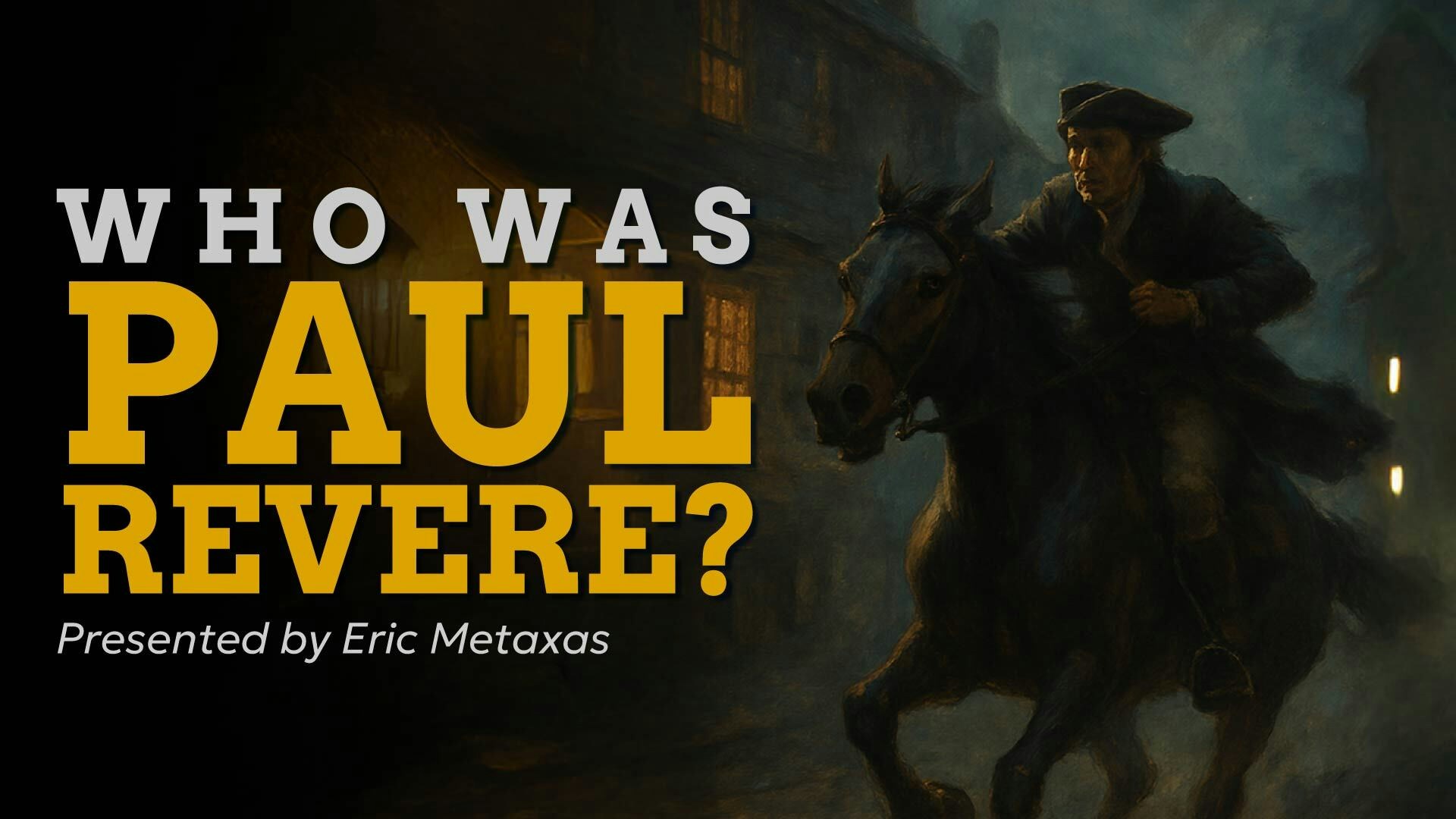
Do you know who Paul Revere is? He is one of America's key historical figures. Want to know what he did? Eric Metaxas, New York Times #1 bestselling author, shares the remarkable story.
05:37
The world is on fire. Syria has fallen apart. Russia has seized Ukrainian land. And China is flexing its muscles. Who can put these fires out?
04:06
What does the Second Amendment say? Is gun ownership a right for all Americans? Or just for a small militia? Eugene Volokh, Professor of Law at UCLA, explains what the Founding Fathers intended.
05:19
Is there a gender wage gap? Are women paid less than men to do the same work? Christina Hoff Sommers, Resident Scholar at the American Enterprise Institute, explains the data.
04:00
What's the best way to help people stuck in poverty get out of poverty? Arthur Brooks, president of the American Enterprise Institute, shows where conservatives and progressives differ.
05:17
If there is no God, murder isn't wrong. You may think it's wrong, but how do you know it's wrong? As Dennis Prager explains, without God, all morality is mere opinion.
05:24
Why don't the Palestinians have their own country? Is it the fault of Israel? Of the Palestinians? Of both parties? David Brog, Executive Director of the Maccabee Task Force, shares the surprising answers. Read David Brog's book, "Reclaiming…
04:41
Is Bernie Sanders right? Are people living under socialism better off? Brazil is a good case study. Felipe Moura Brasil, a journalist and Veja magazine columnist, explains how his country has fared under socialism. This video is part of the Robert…
04:41
Ruining someone's name is very easy. So is calling them a "racist. " Take the case of Ty Cobb, one of the greatest baseball players ever. Cobb is known as a racist and a dirty ballplayer. Is it true?
04:55
Could a single-payer, government-run health care system work in the United States? We already know the answer, because America already has single-payer, government-run health care. Author and commentator Pete Hegseth explains.
05:23
What is the least diverse place in America? It's the institution that most actively seeks racial, ethnic, gender, and cultural diversity: the college campus! Colleges want students to look different, but think the same.
04:19
Every student with special needs deserves a good education, right? So why are so many of them stuck in public schools that can't meet their needs?
05:37
After every terrorist attack, politicians and pundits reassure us that the atrocity does not represent the true beliefs of the "moderate Muslim majority. " But how many moderates are there? And what exactly does "moderate" mean?
05:08
When people think of humanity's greatest evils, why is "communism" rarely mentioned? After all, it has caused more suffering than any other ideology, including Nazism. Watch Dennis Prager's account of communism's horrific legacy.
04:06
Why does it seem as if America's college campuses have totally lost it? Well, because they have. In short, feelings now rule facts, and victims are heroes.
04:38
You've heard of the midlife crisis. But have you heard of the quarter-life crisis? It hits millions of young professionals like a brick. Former White House Press Secretary and Fox News host Dana Perino knows exactly what it feels like.
05:38
Did you know that the Democratic Party defended slavery, started the Civil War, founded the KKK, and fought against every major civil rights act in U.S. history?
04:29
Why did America fight the Vietnam War? The military suffered over 58,000 casualties, and America withdrew in defeat. What for? Historian Victor Davis Hanson explains. Take our American Wars quiz.
05:24
Can America solve its illegal immigration problem both justly and humanely? Yes, but it requires first building a border wall. Washington Post columnist and Pulitzer Prize-winning author Charles Krauthammer explains why. Click here to shop for…
04:40
Why is it so hard for so many parents and teachers to get kids to do as they are told? Because too many adults have followed some very bad advice.
04:58
Do you use an iPhone? Watch Netflix? Listen to Spotify? Then you love capitalism and can't stand big government. How do we know? Jared Meyer of the Foundation for Government Accountability explains. This video is part of the Robert W.
05:07
When you hear the word "transparency," what comes to mind? Maybe words like openness and honesty. But David French, Senior Writer for The National Review, shows how progressive activists, under the guise of "transparency," are ruining the lives of…
04:39
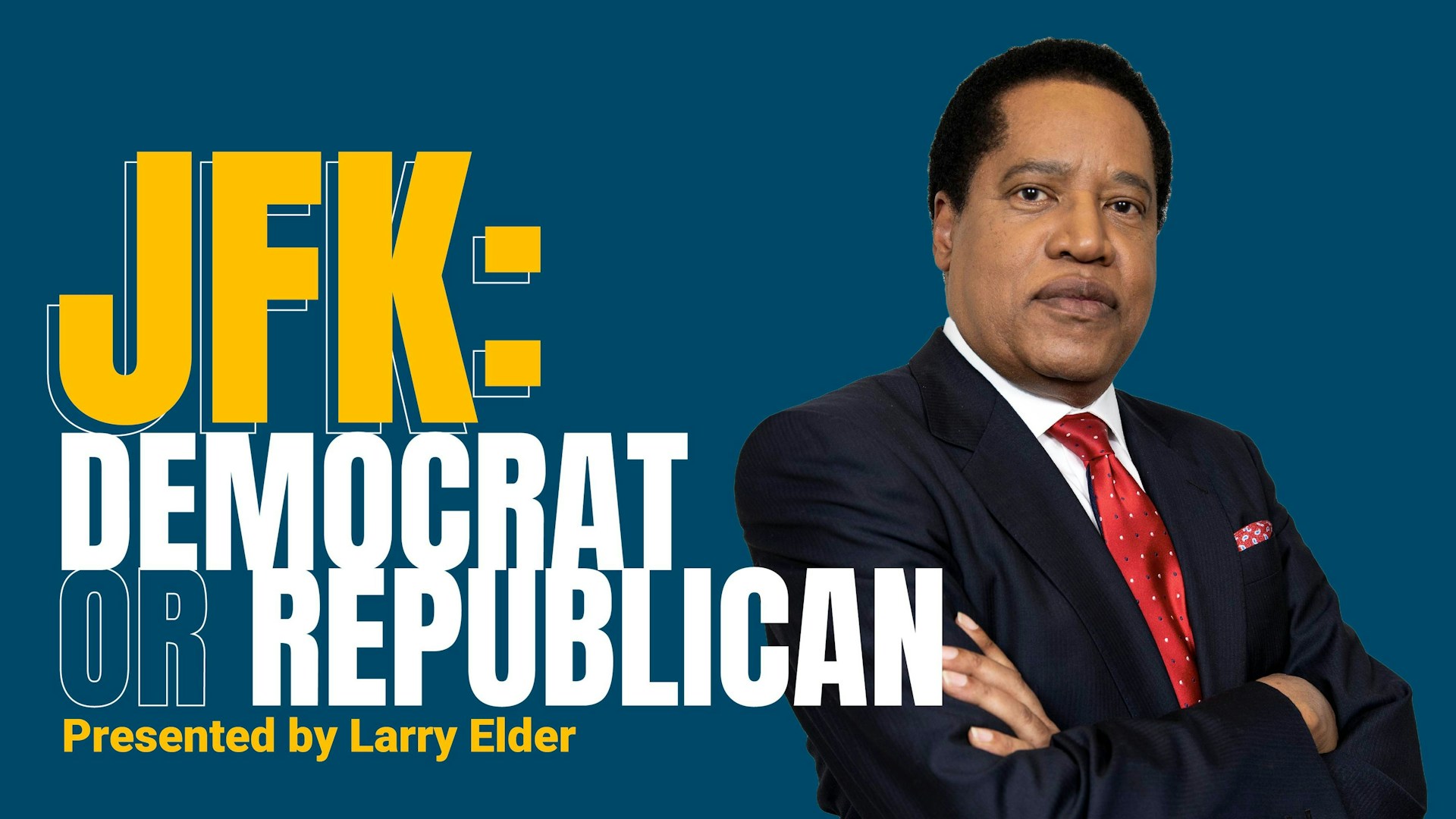
John F. Kennedy lowered taxes, opposed abortion, supported gun rights, and believed in a strong military. And he was a proud Democrat. But would he be one today? Author and talk show host Larry Elder explains.
05:15
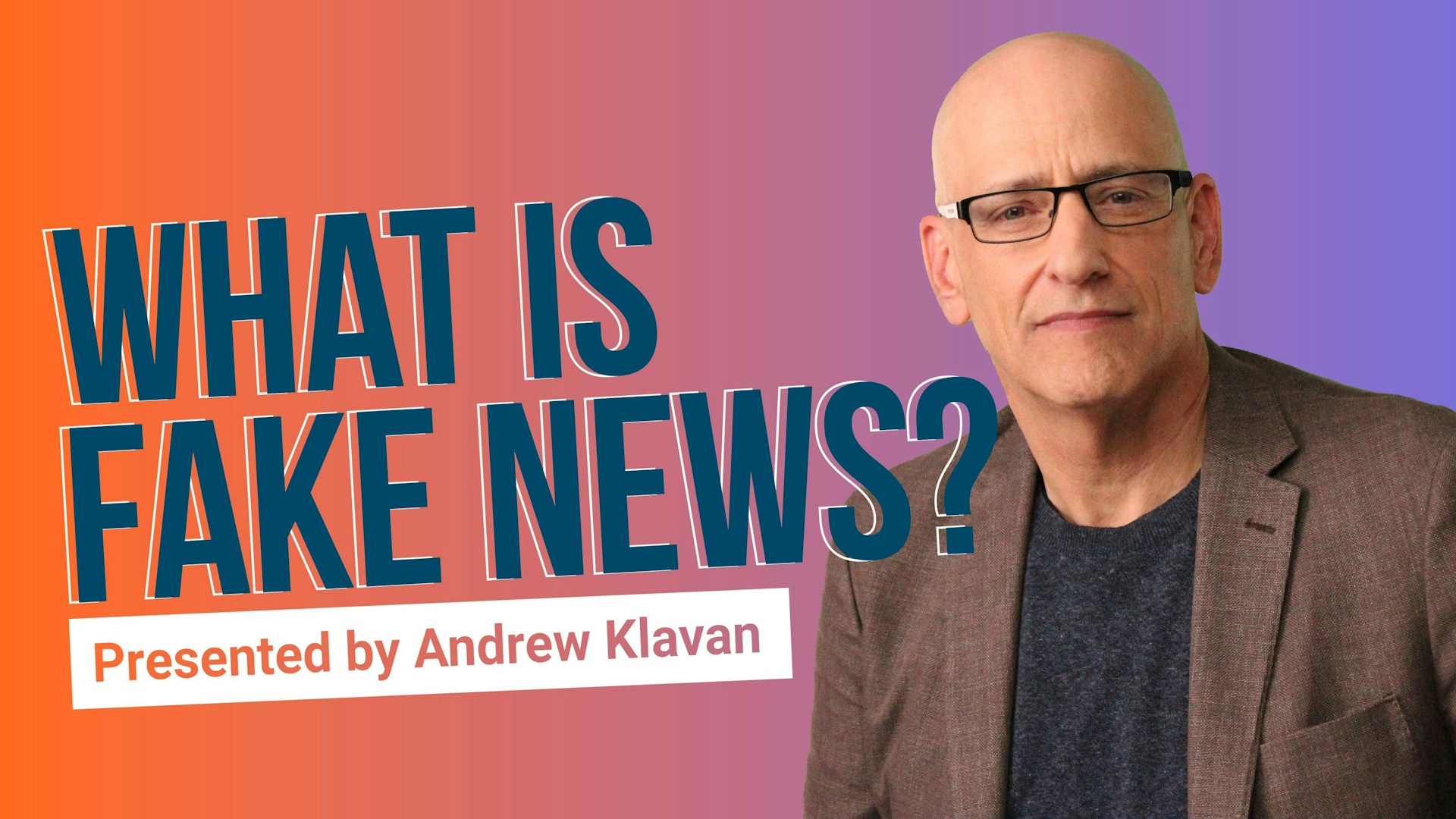
What is fake news? Is Donald Trump correct when he says CNN, The New York Times, and other mainstream outlets report fake news? Commentator and bestselling author Andrew Klavan explains.
04:48
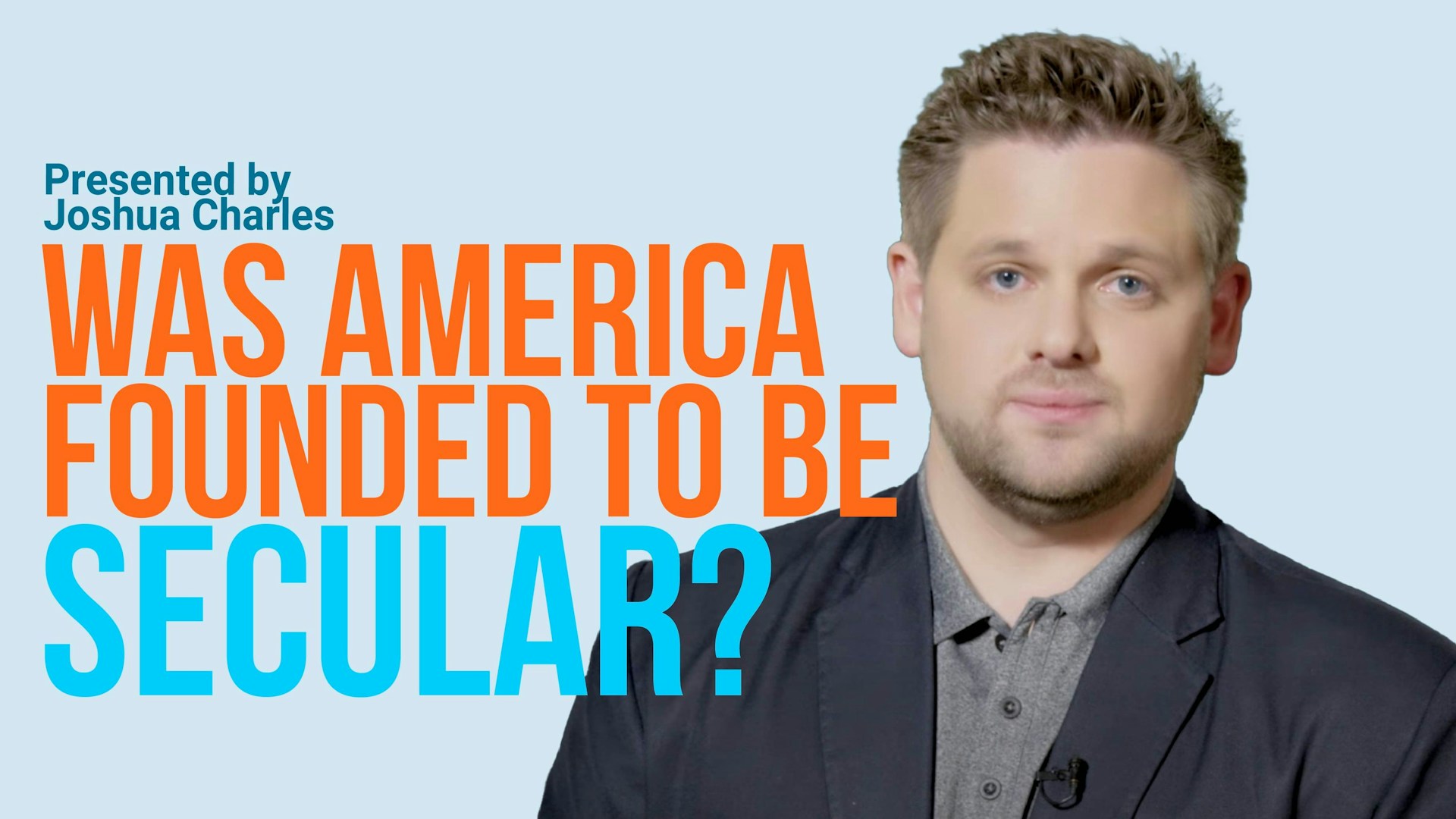
Did the Founding Fathers want American society to be religious or secular? Joshua Charles, author of Liberty's Secrets, explains.
04:50
Poor students deserve just as good an education as rich students, right? So why are so many stuck in failing public schools? Denisha Merriweather, who benefited from school vouchers, explains the problem and the solution.
04:22
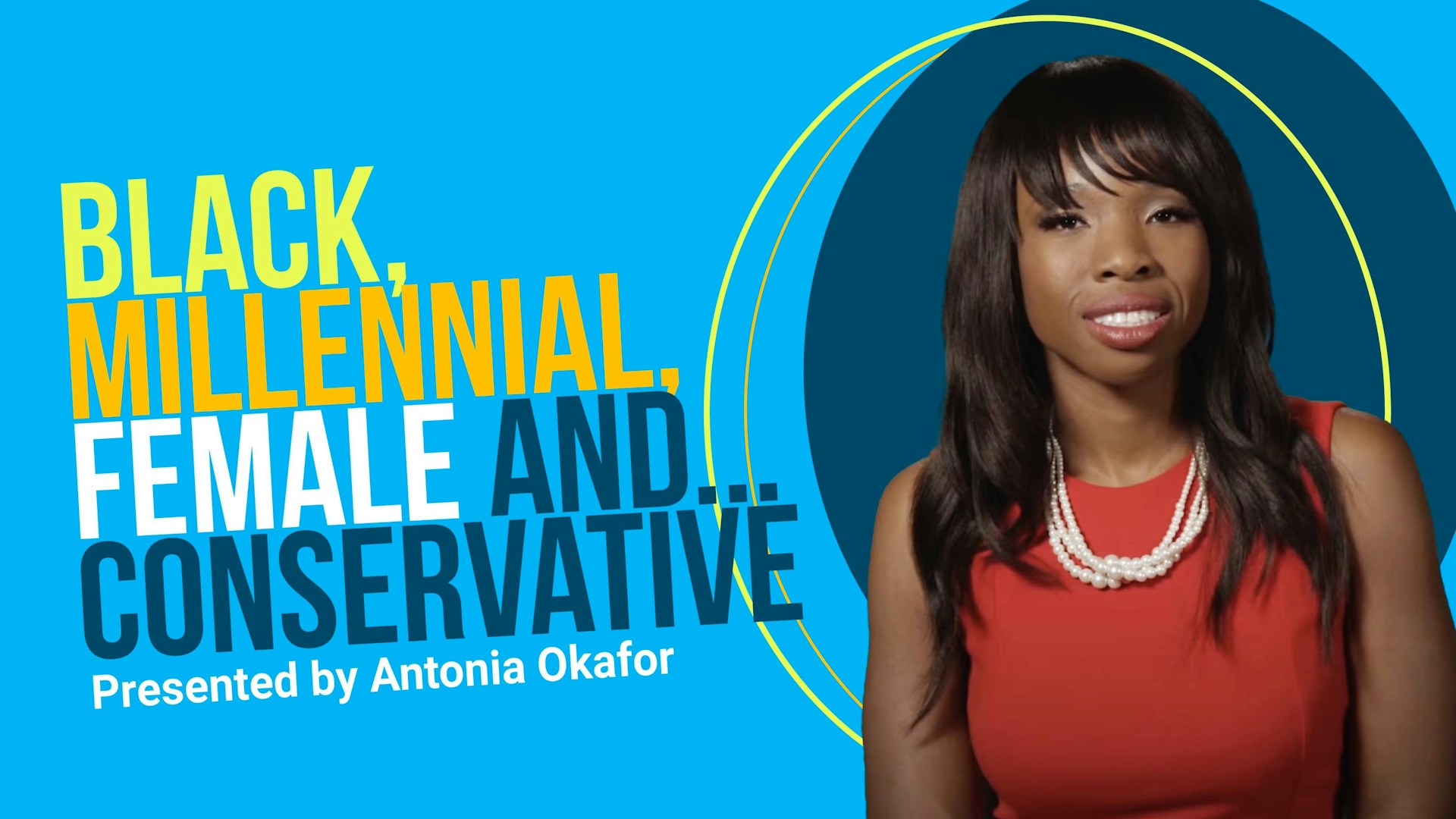
Antonia Okafor, a young, single black woman, recently discovered that she's a racist, sexist, misogynist. How in the world did this happen?
04:09
Why is the government so bad at healthcare? Why did Obamacare make it more expensive than it already was? Is there a solution? Former Member of Congress Bob McEwen explains.
05:08
The south used to vote Democrat. Now it votes Republican. Why the switch? Was it, as some people say, because the GOP decided to appeal to racist whites?
05:17
There is a war against cars in America. Regulators want Americans out of cars and onto trains, buses, and bicycles. Why? Because of what cars represent -- freedom. Automotive expert Lauren Fix ("The Car Coach") explains.
05:02
Are there circumstances under which a murderer deserves the death penalty? In other words, should capital punishment be abolished or not? Dennis Prager explains.
04:09
Jay Stephens went into her elite liberal arts college a social justice warrior....and graduated as a get-off-my-lawn conservative. How did that happen? Watch Jay's story.
05:18
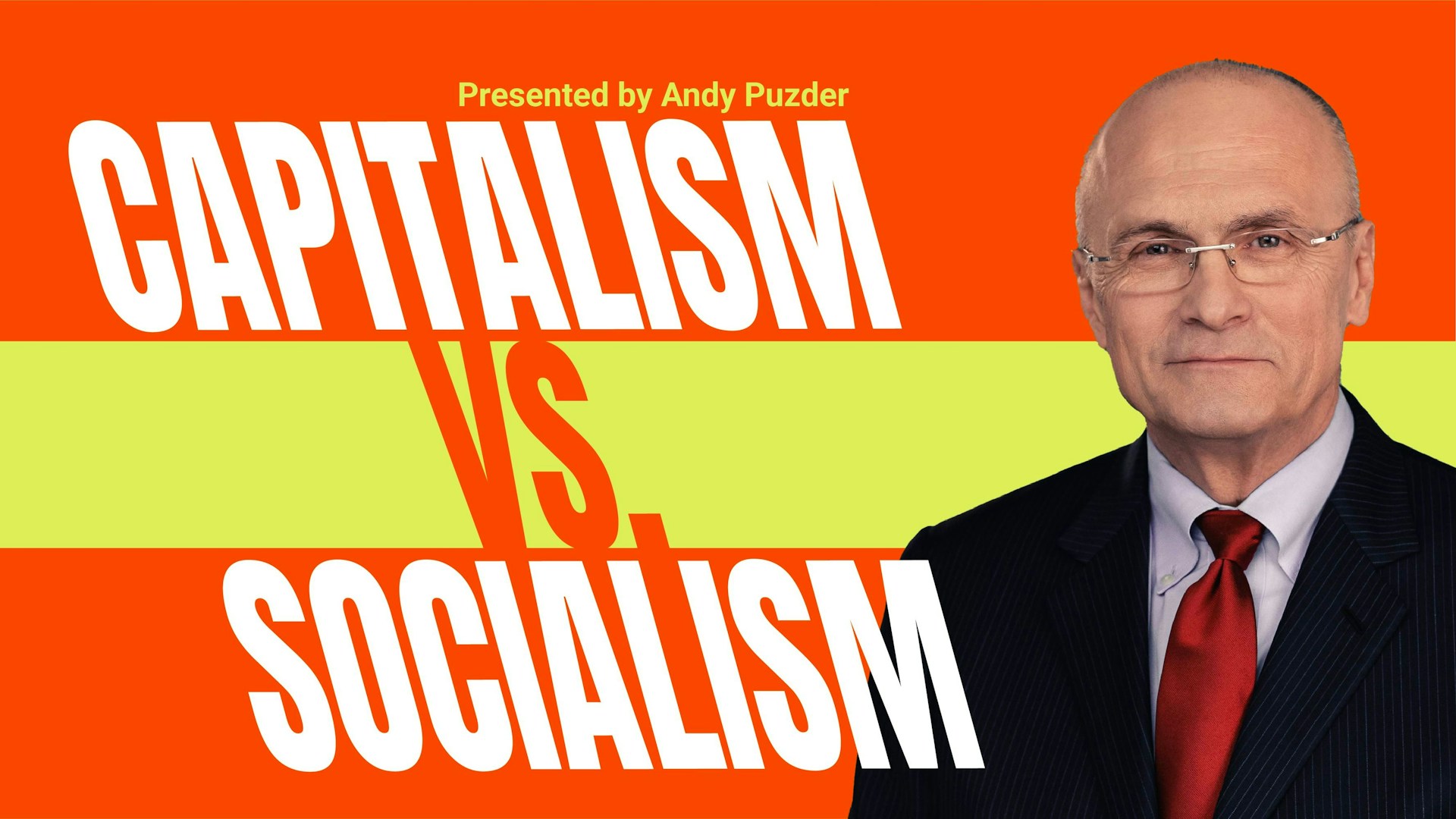
Would a nationwide $15 minimum wage help or hurt American workers? Andy Puzder, former CEO of the parent company of Hardee's and Carl's Jr., explains. Take our Economics Quiz!
05:12
Venezuela is falling apart. Its economy? Ruined. Its people? Hungry. Its government? Corrupt. What happened? In a word, socialism. Debbie D'souza, a native Venezuelan and political activist, explains.
04:24
Did you know that since 1970, the percentage of humanity living in extreme poverty has fallen 80 percent? How did that happen? Arthur Brooks, president of the American Enterprise Institute, explains.
04:08
Why is health insurance so complicated, while car insurance and life insurance are so simple? Can health insurance be more like, well, insurance? Lanhee Chen, fellow at the Hoover Institution, explains.
05:14
Was the British Empire a good or bad thing for the world? To put it another way, is freedom a good or bad thing for the world? Historian and author H.W. Crocker III explains why we may want to rethink the British Empire's bad rap.
04:34
Is having high self-esteem key to happiness? That's what children are told. But is it true? Or can that advice be doing more harm than good. Author and columnist Matt Walsh explains.
05:05
Are some cultures better than others? Or are all cultures and their values equal? Bestselling author Dinesh D'souza, who was born in India and moved to America, explains.
05:31
Does Israel discriminate against Arabs? Is it today's version of apartheid South Africa? Olga Meshoe, herself a South African whose family experienced apartheid, settles the question once and for all. In light of recent terrorist attacks aimed at…
03:54
Is there a "secret" to success? Yes, but it's not a secret. Michele Tafoya, former sideline reporter for NBC Sunday Night Football, shares the secret...that you already knew.
04:32
Are male and female one and the same? Or are there real male-female differences rooted in biology? Ashley McGuire, author of "Sex Scandal: The Drive to Abolish Male and Female," explains.
04:18
Did FDR help end the Great Depression? Did his New Deal improve an otherwise hopeless economy? Lee Ohanian, Professor of Economics at UCLA and consultant to the Federal Reserve Bank of Minneapolis, explains.
04:50
The Southern Poverty Law Center (SPLC) bills itself as a watchdog of hate groups. But is this just a cover for its true aims? Journalist and author Karl Zinsmeister explains.
04:49
The right to bear arms isn't just a constitutional issue -- it's a women's rights issue. Author and commentator Katie Pavlich explains why guns are the great equalizer between men and women.
04:31
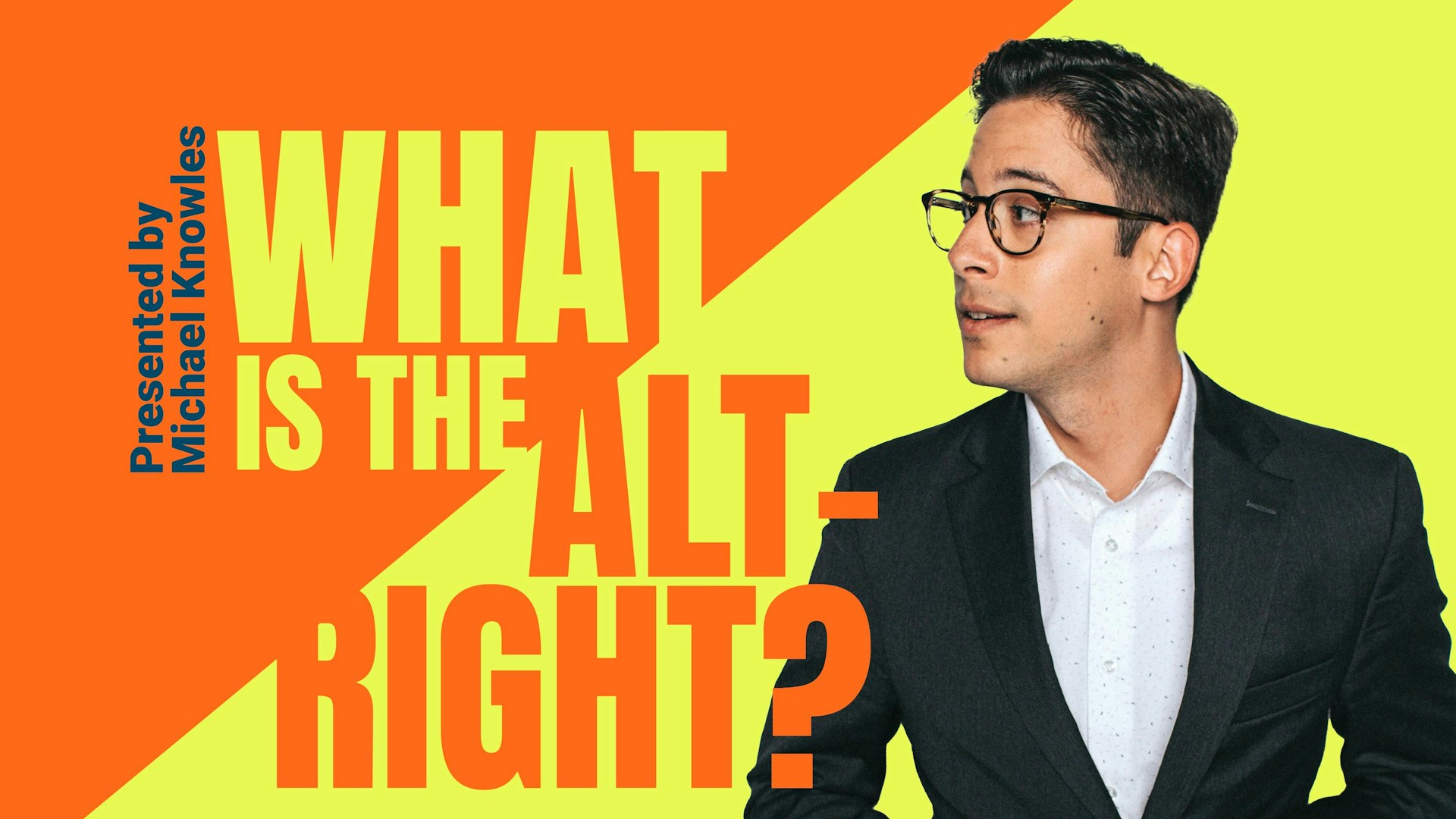
What is the alt-right? What is its worldview? How big is it? Michael Knowles, bestselling author and host of The Michael Knowles Show, took a deep dive into alt-right culture. Here's what he learned.
05:22
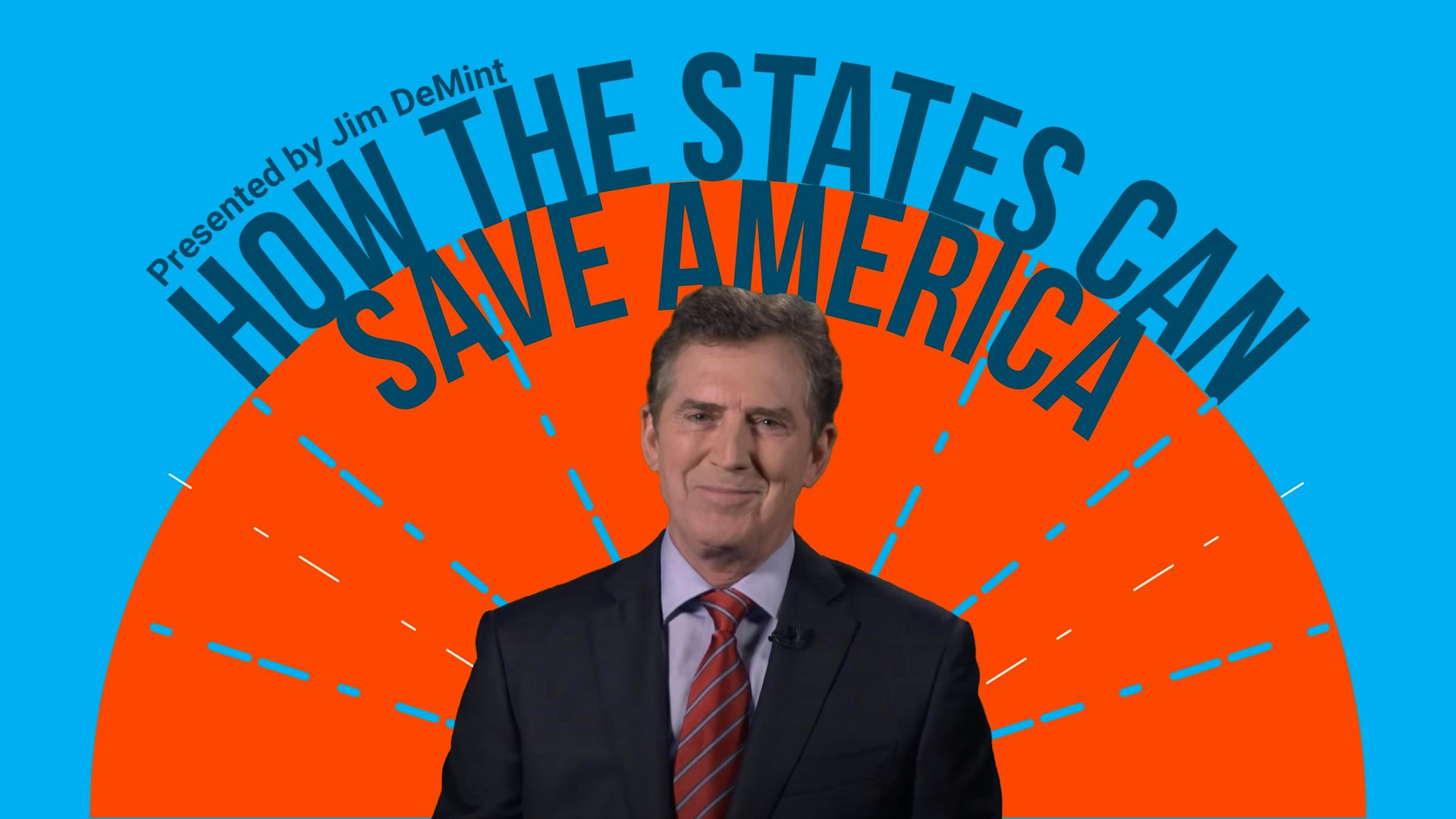
Washington is gigantic, corrupt, and unaccountable. Could a Convention of States fix that? Get informed, and see what an Article V Convention would look like.
04:23
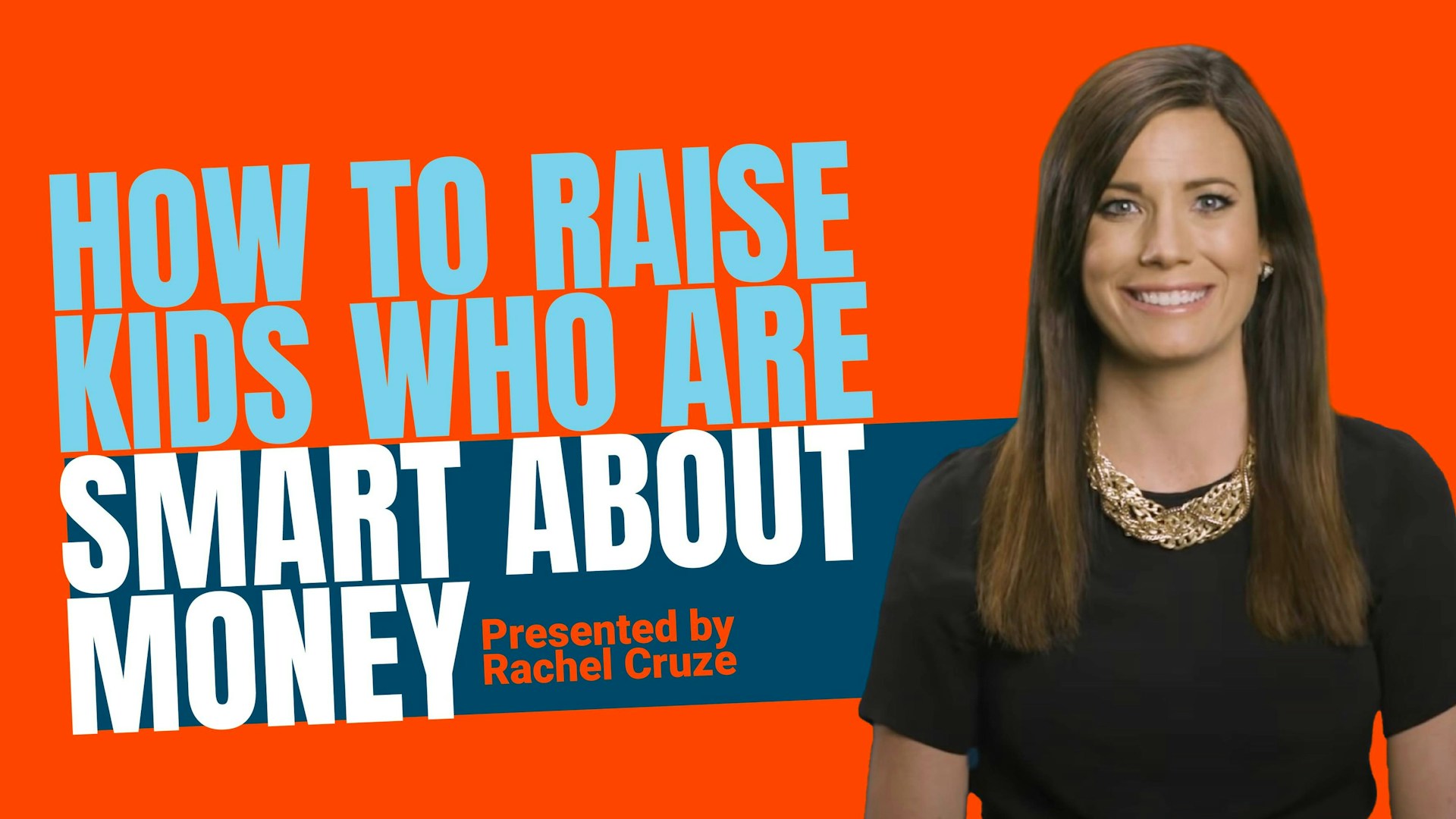
Parents are responsible for teaching kids how to manage money. But too few do. Personal finance expert and bestselling author Rachel Cruze reveals the three things every child (and adult) needs to know about money.
05:05
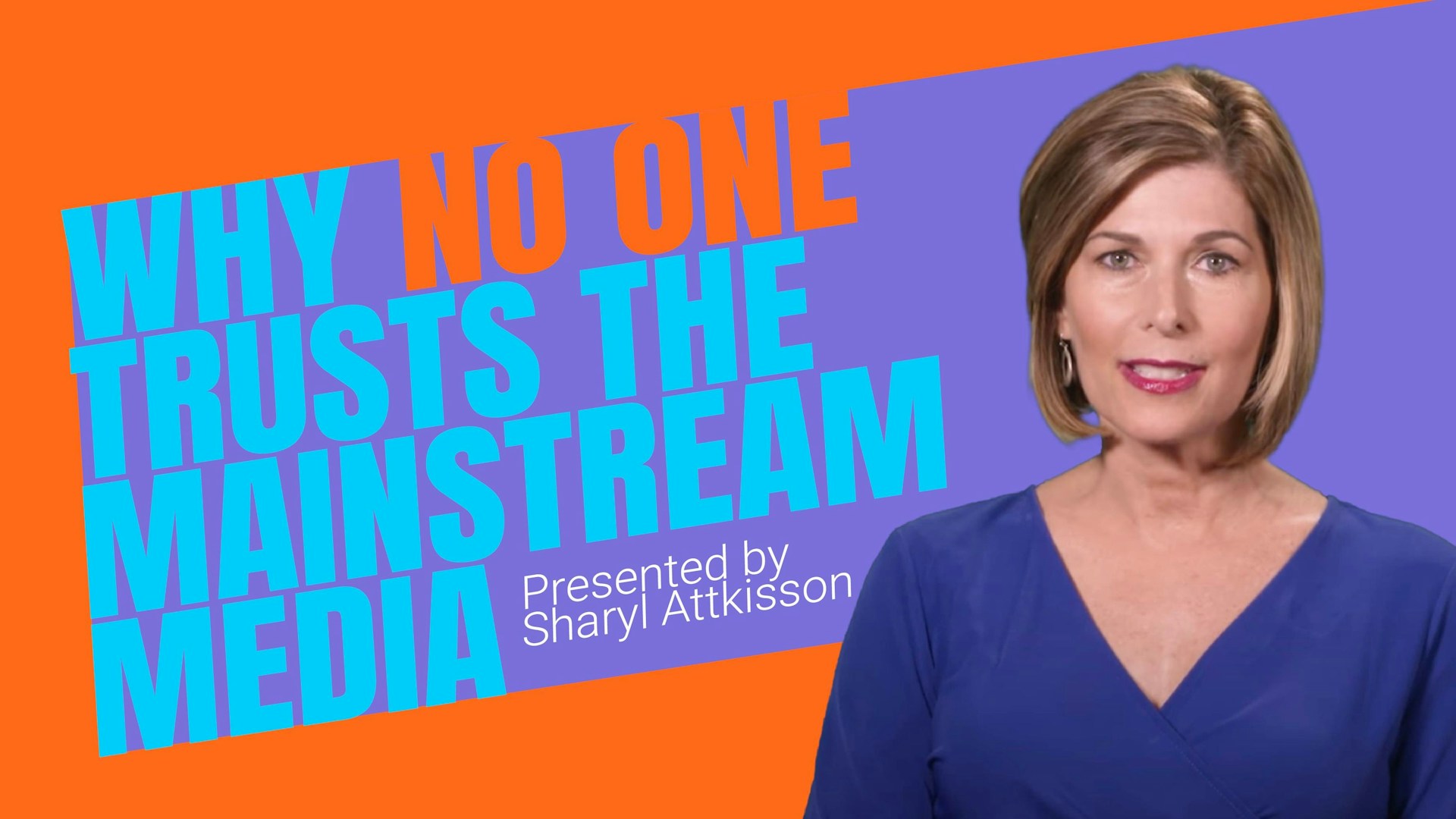
Trust in the media is at an all-time low. But should it be? Why do fewer and fewer Americans trust the mainstream media. Investigative journalist Sharyl Attkisson, author of The Smear, explains.
04:27
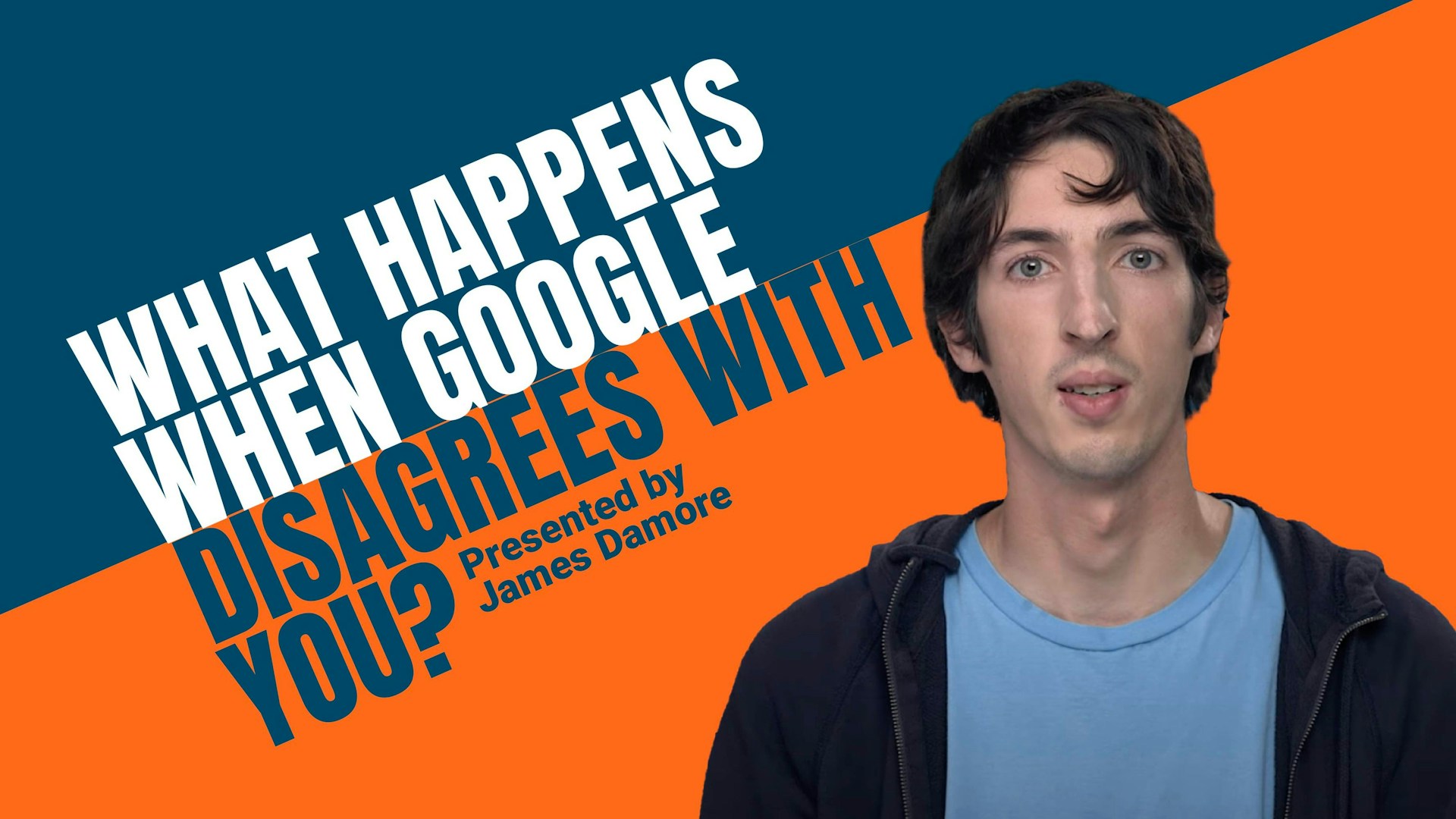
Is Google open to a diverse array of viewpoints? Or is it an ideological echo chamber? Just ask former Google software engineer James Damore. He was fired for disagreeing with Google's (left-wing) orthodoxy. In this video, James shares his story.
05:43
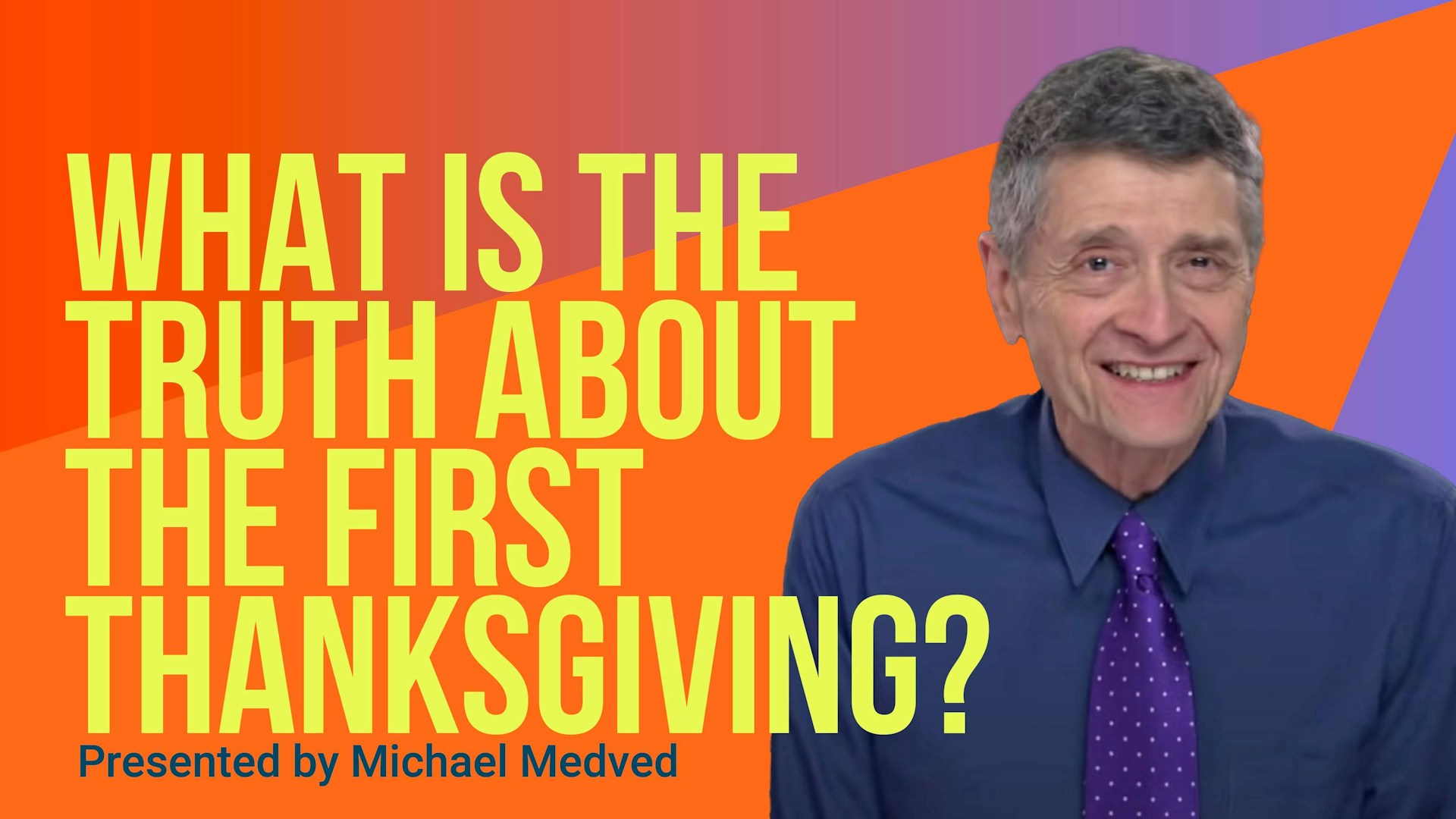
Should Americans celebrate Thanksgiving as a day of gratitude? Or should they mourn it as a day of guilt? Michael Medved, author of The American Miracle, shares the fascinating story of the first Thanksgiving. Take our Thanksgiving quiz!
05:07
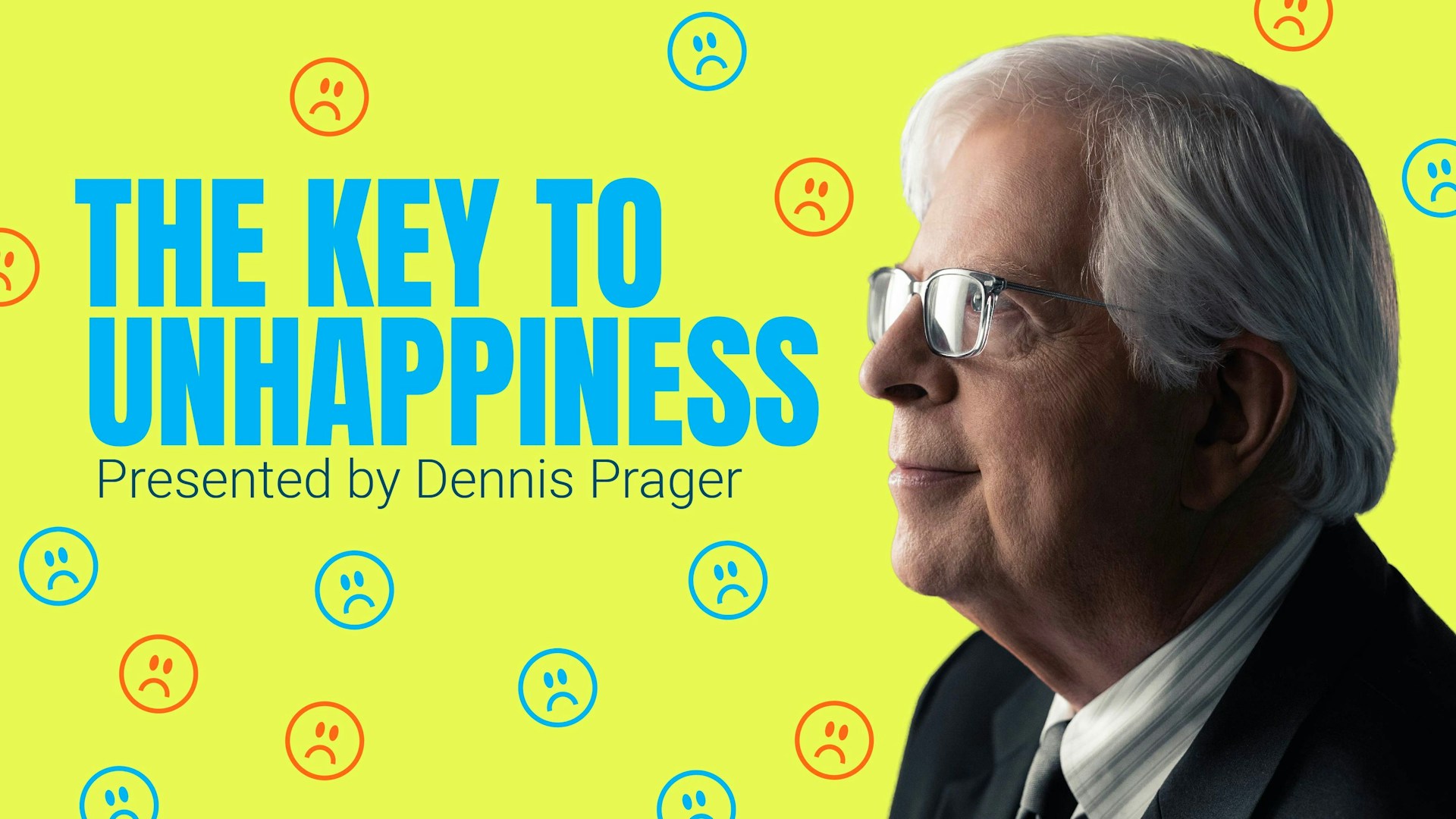
Want to be miserable, resentful, and bitter? Few people do, and yet many people are. Why? Because many people have the one primary character trait that leads to unhappiness. And you need to avoid it.
05:02
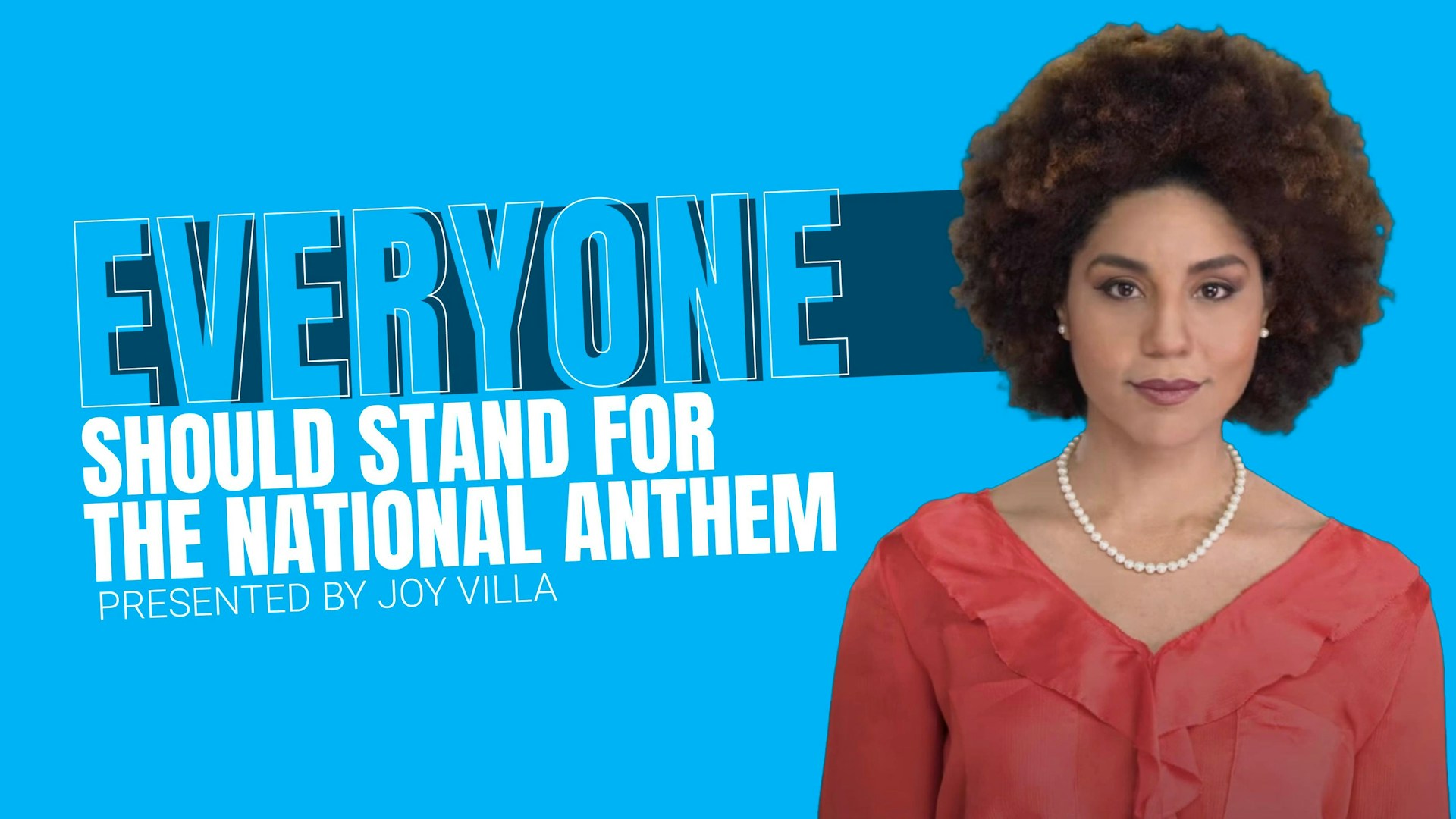
Why should every American stand for the National Anthem? Because the Anthem and the flag represent America, and America is a free nation. That alone is worth standing for. Joy Villa, singer, songwriter, and recording artist, explains.
05:02
Why would an Arab Muslim serve in the Israeli military? Because he, like many Israeli Arabs, proudly defend the nation that has given them freedom and opportunity.
05:22
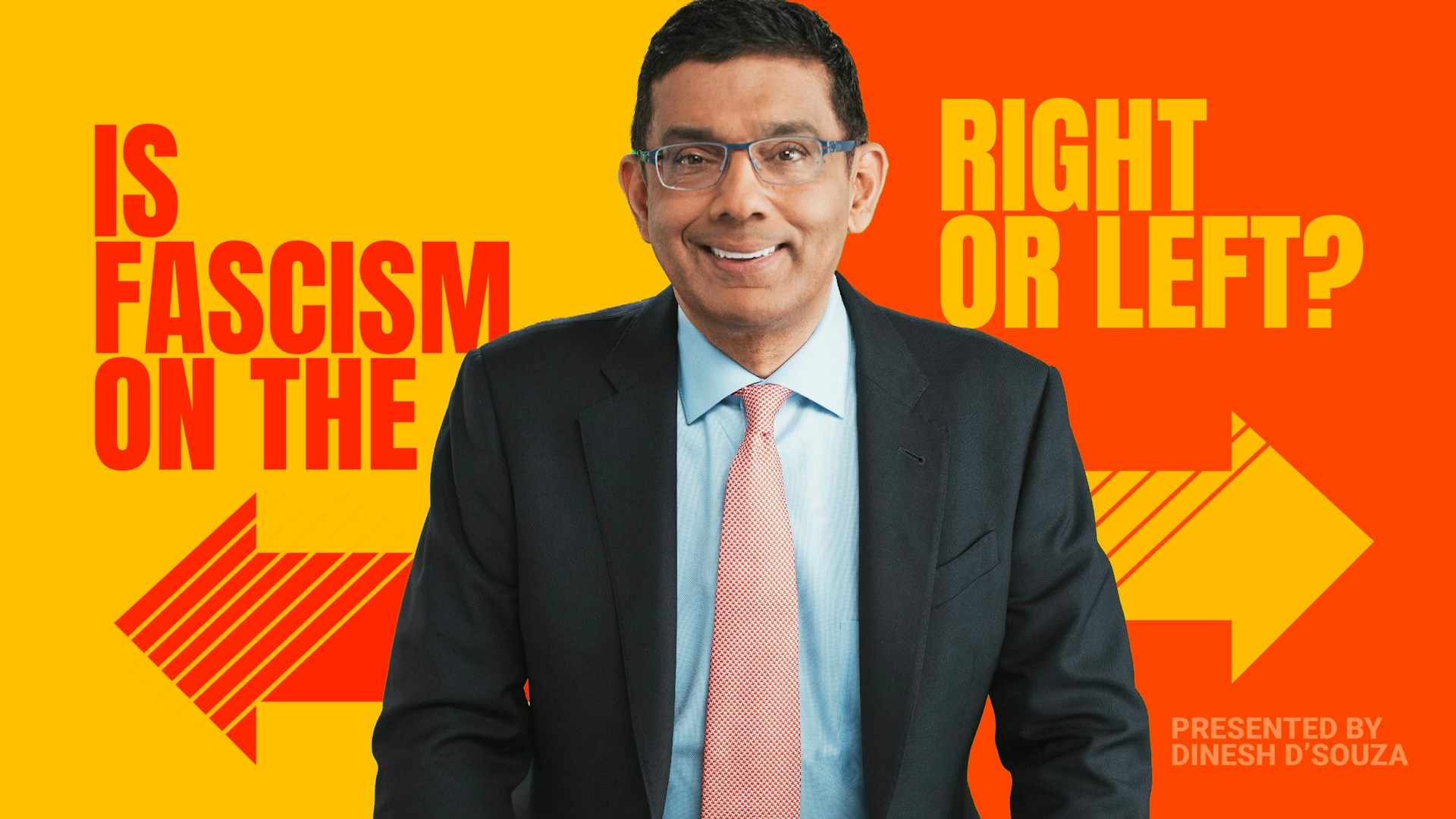
Every Republican president since the 1970s has been called a fascist. Ironic, no? After all, fascism has its roots in the left. Dinesh D'souza, author of The Big Lie, explains.
05:25
If you're counting on Social Security to finance your retirement, you're in for a big surprise. Money expert Chris Hogan explains why.
04:34
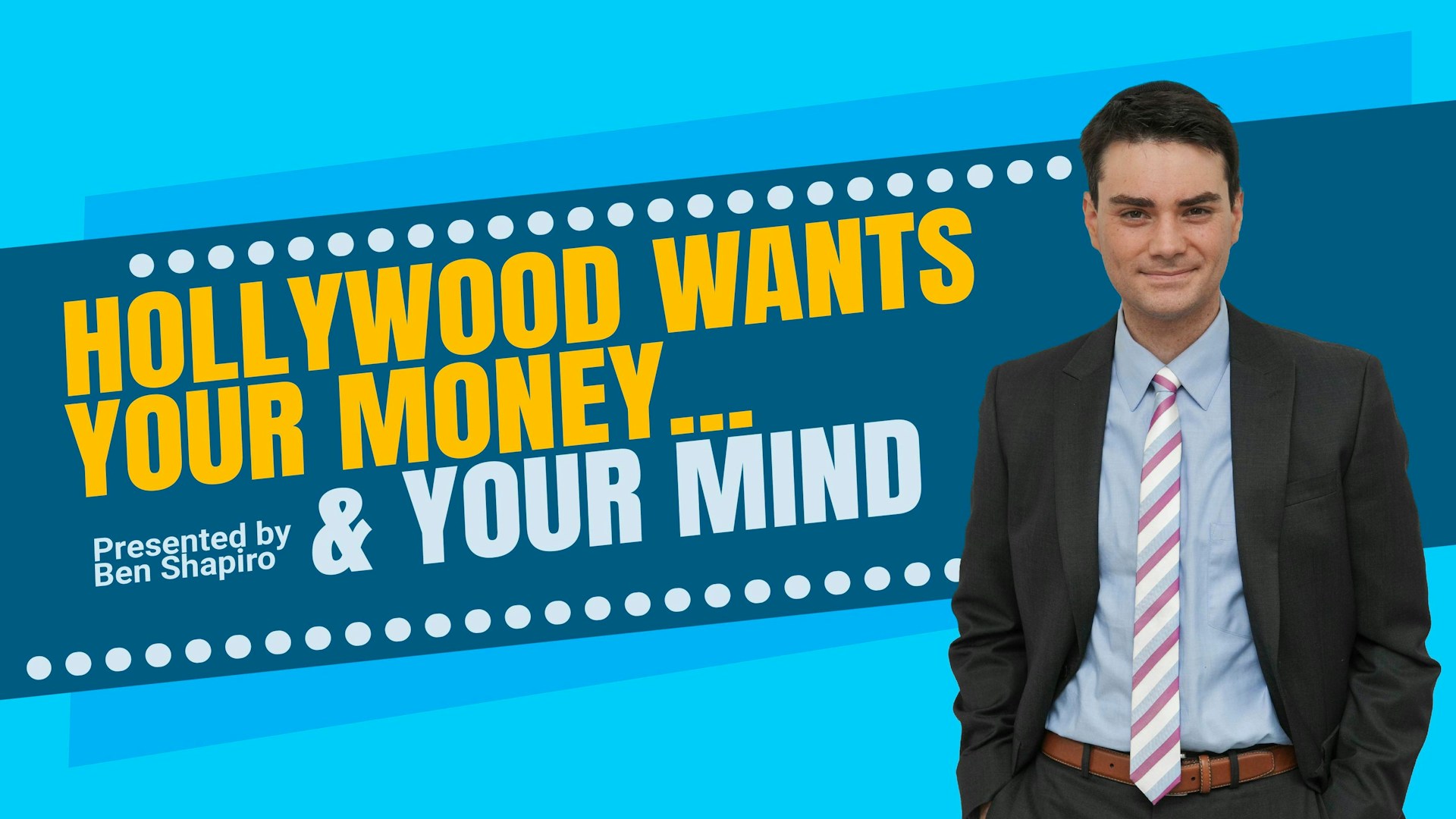
Imagine a group so powerful they could beam ideas directly into your head. Well, you don't have to imagine -- it's Hollywood. Ben Shapiro, Editor of the Daily Wire, explains the world's largest mass propaganda machine.
04:44
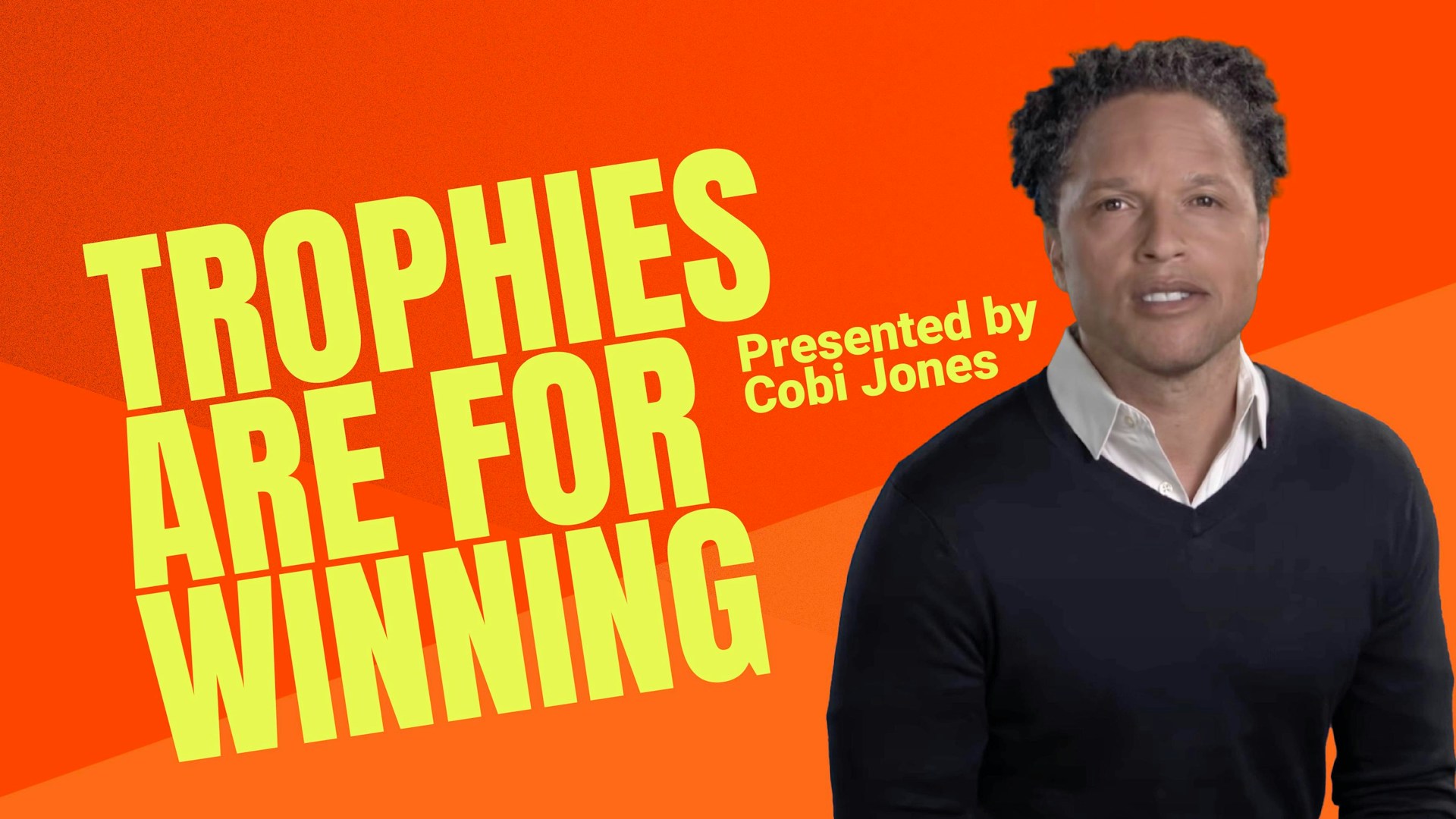
Should kids be given trophies for playing sports, even when they don't win? Are participation trophies a good or bad thing for young athletes? Former Olympian and LA Galaxy soccer star Cobi Jones shares his thoughts.
04:54
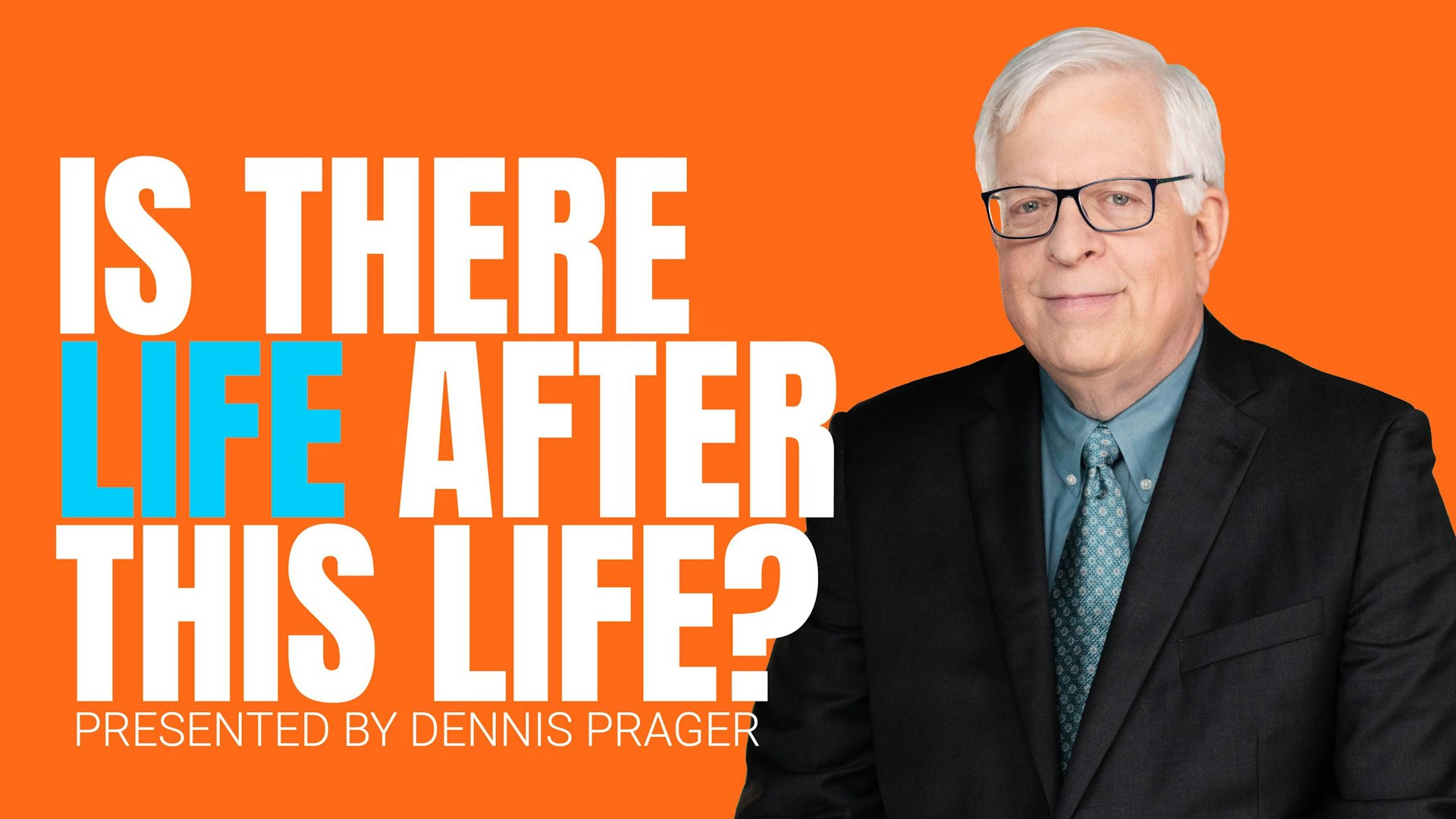
What happens after we die? Does everything just end? Or, is there something that comes after this life? Who hasn’t asked themselves these questions? In this compelling video, Dennis Prager deals with the issue of the afterlife head on.
05:19
When you think of the Republican Party, what comes to mind? If you’re like many Americans, you may associate the GOP with racism, sexism, and general inequality.
04:31
Guy Benson is a free market advocate and a small government conservative. Oh, and he's gay. Surprised? You shouldn't be. Watch the video to see why. *It is not the intent of PragerU to make a religious statement or take a religious position with…
05:10
Want to make the world a better place? Start by bettering yourself. Best-selling author and clinical psychologist Jordan Peterson explains how incremental daily changes can lead to a better life and ultimately a more harmonious world.
04:58
Predicting climate temperatures isn't science—it’s science fiction. Emeritus Professor of Physics at Princeton University Will Happer explains. Take the pledge to stop climate misinformation and get the facts with a free PDF e-book of scripts from…
05:06
Why do Lincoln's iconic words at Gettysburg still matter to each and every one of us? Professor Doug Douds of the Army War College explains.
05:05
What does Planned Parenthood really do? What do they actually stand for? President and founder of Live Action, Lila Rose, lays out everything you need to know about Planned Parenthood.
05:19
The West is free today thanks in large part to one man – Winston Churchill. Historian and bestselling author Andrew Roberts explains how Churchill saved the world from Nazi Germany.
05:07
Is the European Union good for Europe? Or would Europeans be better off without it? Nigel Farage, a leader of the United Kingdom's Brexit movement, shares his view.
04:43
Lenore Skenazy, President of Let Grow, encourages parents to do what parents have always done: follow basic safety rules, and then let their kids be kids.
05:37
Between 1970 and 2012, the number of black elected officials rose from fewer than 1,500 to more than 10,000. How has this affected the black community? Jason Riley of The Manhattan Institute answers the question in this video.
05:07
Nowadays, many people, particularly those living in Western Civilization, no longer regard their society as morally superior to any other.
05:29
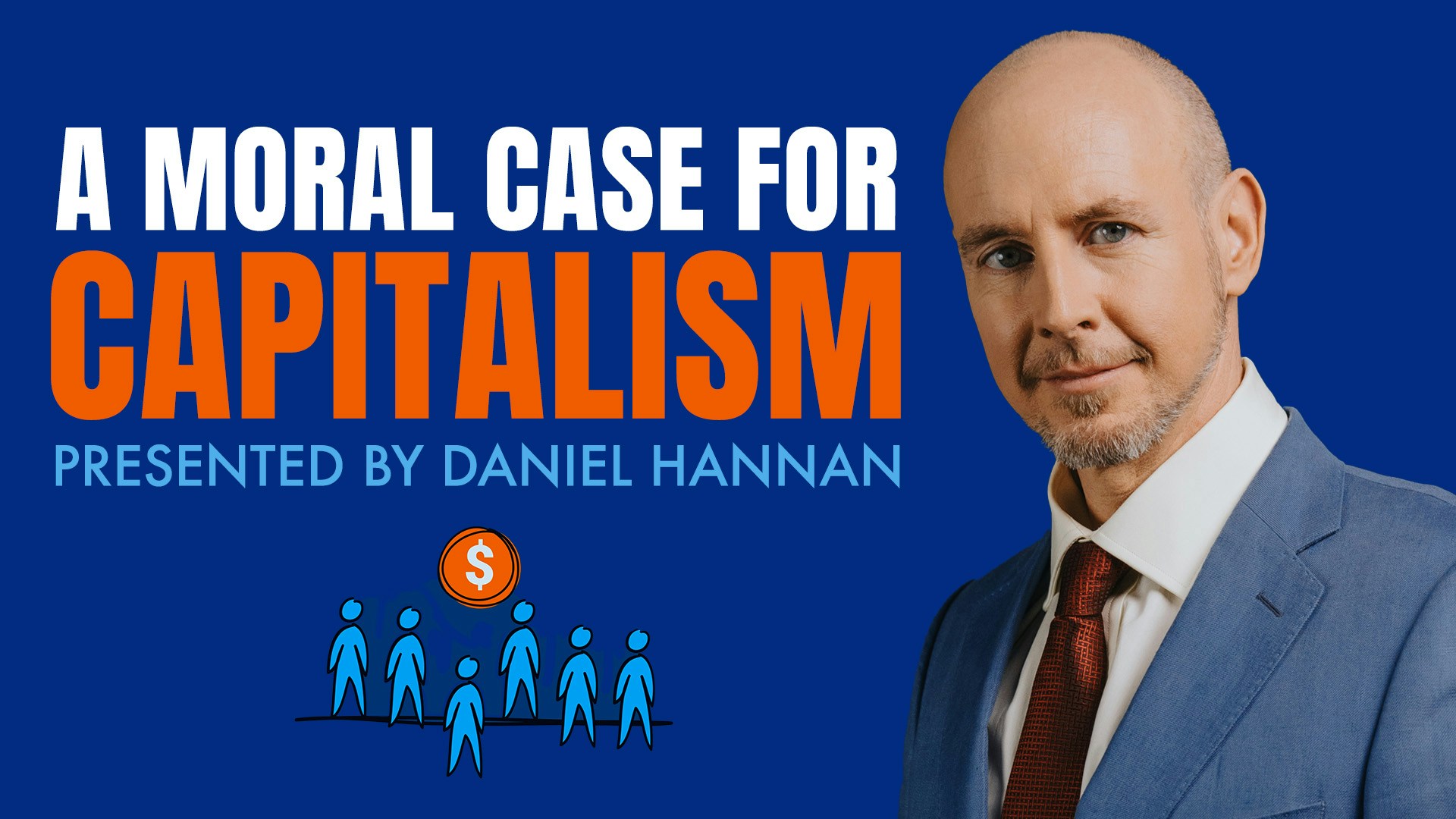
The rich are getting richer, and the poor are... also getting richer. What's driving this wealth creation process? In this video, Daniel Hannan explains why it is capitalism — and capitalism alone — that has led to the unprecedented enrichment that…
05:07
Are cops perfect? Of course not. And no one should expect them to be. But every single day, under the most difficult conditions, the police protect us from the bad guys. In other words, they do their job and they do it well.
04:12
What's a greater leap of faith: God or the Multiverse? What's the multiverse? Brian Keating, Professor of Physics at the University of California, San Diego, explains in this video.
04:33
The culture war is first and foremost a war of words—and the left is winning. The consequences can be seen everywhere: in politics, in education, in media.
05:22
Walt Disney was the twentieth century’s prime example of American ingenuity. How did he do it? In this video, Glenn Beck, best-selling author and host of The Glenn Beck Program, explains how Disney became a household name, and how he proved that in…
05:34
Europe is committing suicide. How did this happen? In this video, Douglas Murray, author of The Strange Death of Europe, explains the two major causes of Europe’s impending downfall.
05:20
In this video, author Brian Kilmeade sheds light on the largely and unfortunately overlooked War of 1812. Kilmeade explains how this war got started, the daunting odds against a nation in its infancy, and the unlikely hero who secured America’s…
04:43
Adam Carolla, comedian, social critic, and host of the wildly popular Adam Carolla podcast, delivers the 2018 commencement address for PragerU. He offers some sage advice and makes a heartfelt request—as only Adam can.
04:45
Dangerous people are filling the heads of young people with dangerous nonsense. Who are these people? They are what Jordan Peterson calls “the post-modernists:” neo-Marxist professors who dominate our colleges and universities.
03:55
Intersectionality is the newest fad in political activism. What is it? Who’s involved? And, what does it even mean? Nobody is better prepared to answer these questions than Daily Wire editor-in-chief and podcast sensation, Ben Shapiro.
05:16
The job of a journalist is to report facts, add context where necessary, and leave it to the consumer to decide what he thinks. In this video, James O’Keefe, founder and president of O'Keefe Media Group, explains why fewer and fewer people trust…
05:21
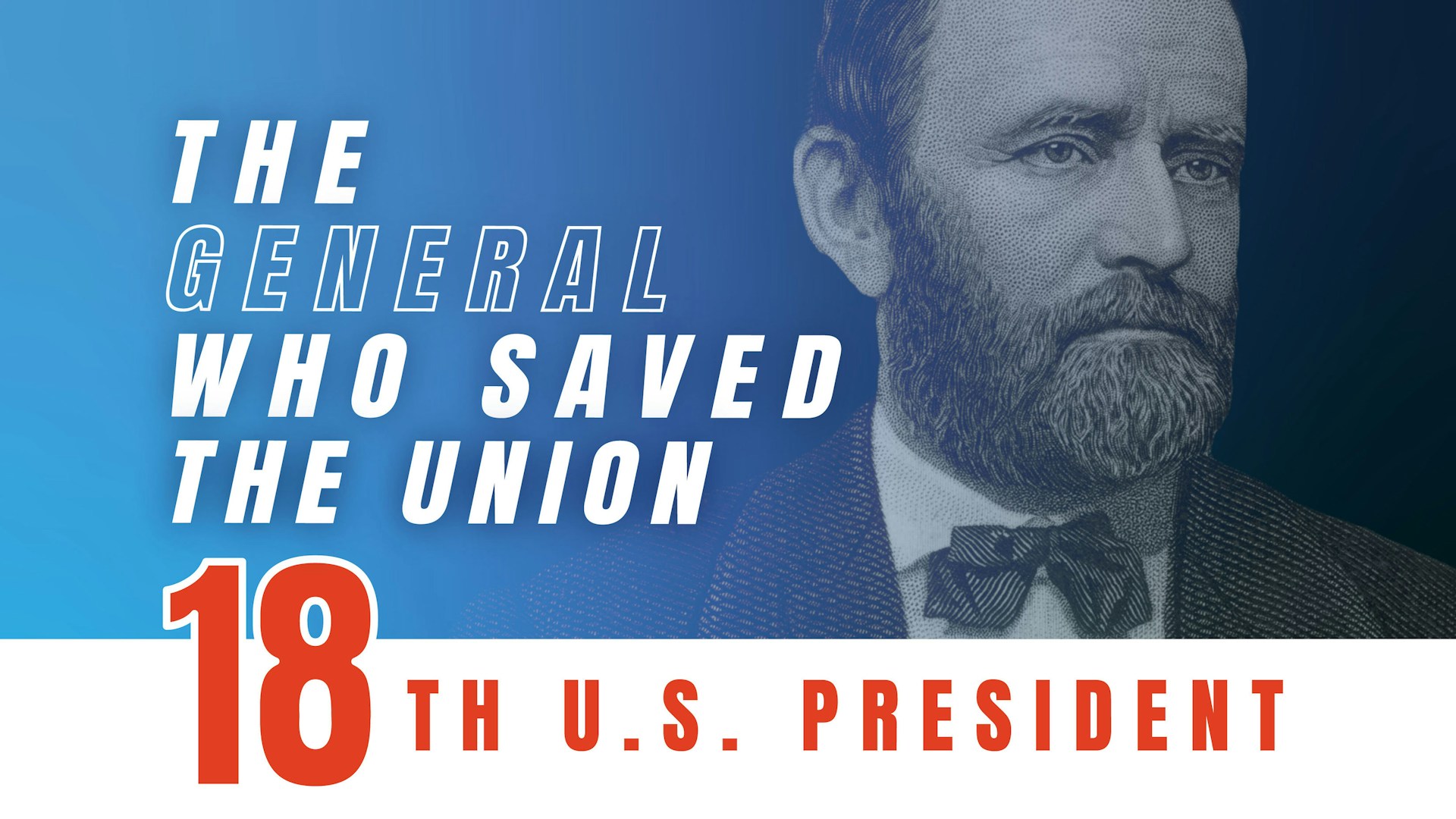
No American led a more eventful life than Ulysses S. Grant, the 18th President of the United States and the Union Army's most celebrated general.
04:19
Are you tolerant? You probably think so. But who is tolerant in America today? Is it those on the left, or those on the right? In this video, Dave Rubin of The Rubin Report analyzes this question and shares his experience.
05:09
Public-sector unions have been gaming the political system for decades, bankrupting whole cities and plunging states into massive debt. How did this happen and can it be stopped?
04:49
Is racism enshrined in the United States Constitution? How could the same Founding Fathers who endorsed the idea that all men are created equal also endorse the idea that some men are not?
04:54
Rape, murder, war – all have one thing in common: Men. The solution seems simple: make men less toxic – make men less masculine. In this video, Allie Stuckey, Host of "Allie" on CRTV & "Relatable" podcast, explains why demonizing masculinity is not…
05:39
The decades-long “Cold War” (1947-1989) between the United States and the Soviet Union was so named because the two global powers never came to direct blows. Yet, the war was not without its victims.
05:15
The media narrative today is that America has become “xenophobic” and is turning its back on new immigrants. But that narrative is sharply contradicted by the fact that the United States maintains the most generous immigration policies in the world.
05:15
Of all the public figures and media personalities, very few actually change the way you live for the better, but Dennis Prager is certainly one of them.
05:45
Tell the average American you’re a liberal and they’ll assume you’re on the political left. Yet, leftists and liberals hold very different positions on key issues.
04:55
For months, it seemed nearly every media figure was in hysterics over the impending repeal of net neutrality. Then, net neutrality was repealed… and nothing much changed.
05:24
When listing the world’s most notorious terrorist organizations, why is it that Al-Qaeda, ISIS and Boko Haram so quickly spring to mind, while Hezbollah is frequently forgotten?
05:17
When writing The Communist Manifesto, Karl Marx thought he was providing a road to utopia, but everywhere his ideas were tried, they resulted in catastrophe and mass murder.
05:20
There’s no easier way for a public figure to evoke the media’s fury than to announce he’s not a feminist. But in this video Andrew Klavan, best-selling author and host of The Andrew Klavan Show announces he’s proudly anti-feminist.
05:00
Even though it remains a national holiday, many cities no longer celebrate Columbus Day. They celebrate Indigenous Peoples Day instead. What’s behind the switch?
04:44
If you get sick or suffer a serious injury, you not only want medical care, you want quality medical care. What’s the best way to get it? Through a government-run program like Medicare for All or through our current free market system?
05:19
Nearly every country on Earth is defined by race or ethnicity. Not America. What makes the United States different? Dennis Prager outlines the values that have allowed the American people to flourish and, unlike immigrants almost everywhere else…
04:58
Historically, Democrats supported strong borders because they knew American workers could never compete with illegal immigrants. Now, they regularly support “open borders.” So why the drastic change? Tucker Carlson explains.
05:33
Alexander Hamilton: You know the name, but what do you know about the man? Joseph Tartakovsky, senior fellow at the Claremont Institute, details how Hamilton took a country with no past and envisioned its future.
05:11
In case you hadn’t noticed, life is difficult and unpredictable. So, how do you move forward in such a complex and confusing world? UCLA Medical School psychiatrist Dr. Stephen Marmer offers 5 tips for coping with life’s unwelcome surprises.
05:21
The very first Thanksgiving happened almost 400 years ago – long before the nation was born. How did it evolve into America’s quintessential national holiday?
05:32
Sports has a unique ability to unite our communities and our nation. Until recently, that is. How did sports get so politicized? Clay Travis, host of Outkick the Show, tackles the country’s cultural divide and its effect on our favorite…
04:58
With so much that must be done at home in the United States, why does America send so much of its resources to Israel? It’s a fair question, but according to U.S. Gen Chuck Wald, America doesn’t spend enough on Israel.
05:08
The genius of America is that it was set up as a representative government, but increasingly, Americans are ruled over by leaders who are unelected, and very powerful.
05:23
It’s undeniable: Around the world, nationalism is on the march, and the media and reigning political elites would have you believe this is a dangerous disaster in the making. So, why is Yoram Hazony, author of The Virtue of Nationalism, unafraid?
05:20
Can one man change the world? The life and work of Martin Luther prove the answer to that question is an unqualified, “yes.” Stephen Cornils of the Wartburg Theological Seminary details the rebellion that fractured a centuries-old religion and…
05:24
Think of all the horrors of the 20th Century: The Holocaust. The Bolshevik Revolution. The Cold War. Were it not for the assassination of one Austro-Hungarian archduke in 1914, none of those events would have ever happened.
05:43
Do you care about the race of your doctor, or the gender of the person who built the bridge you drive across? The latest trend across STEM fields claims you should.
04:53
A half-century after his death, Martin Luther King Jr. is as revered as ever. But have we been following his example, or merely paying lip service to his ideas?
05:07
What’s the difference between America’s millionaires and the rest of us? Chris Hogan, author of Everyday Millionaires, and his research team interviewed over 10,000 millionaires to find out, and what they discovered exploded a number of common myths.
05:04
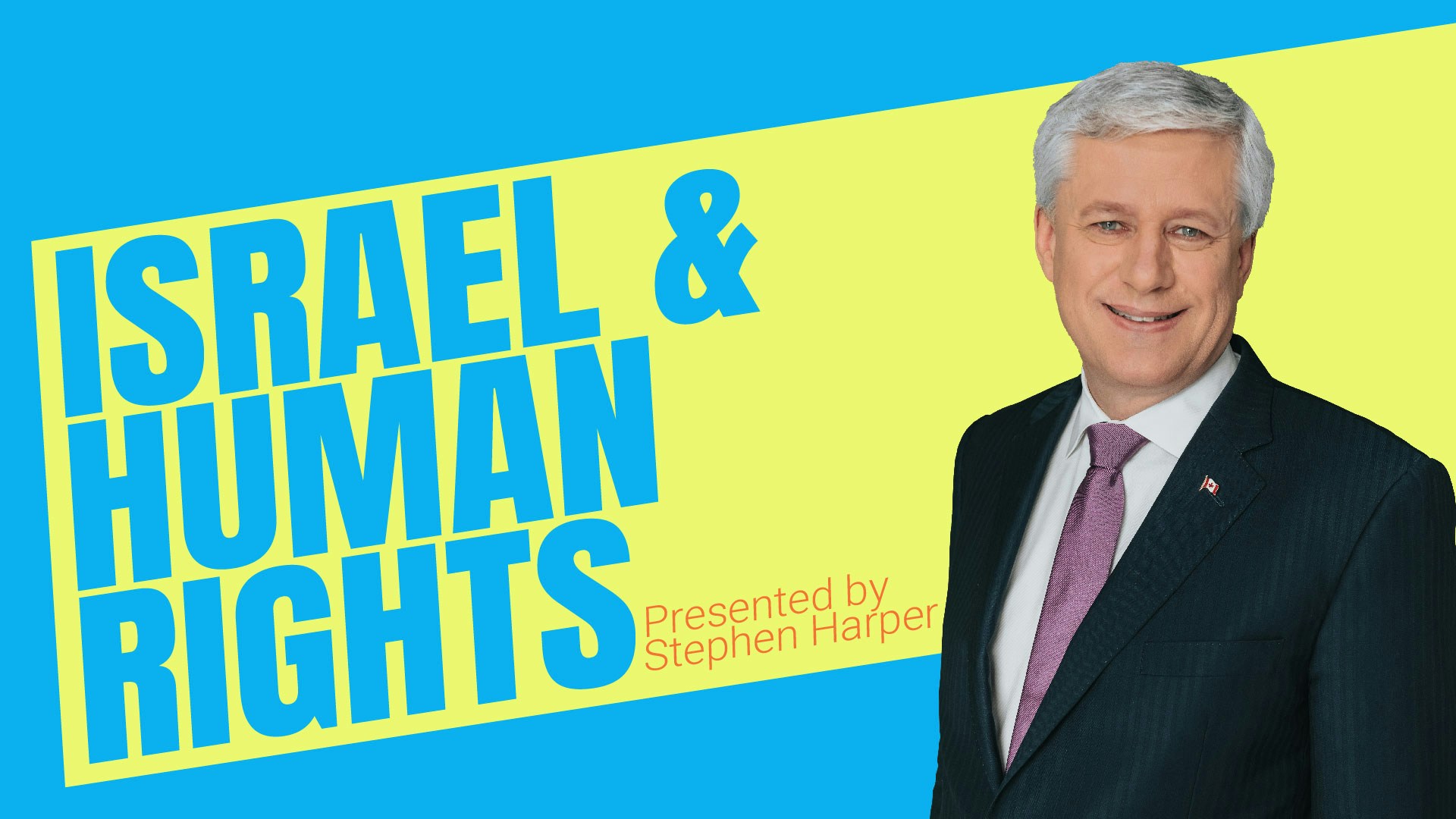
Were you shocked at the results of the 2016 American presidential election? Most people were, but Stephen Harper was not one of them. Here, the former Prime Minister of Canada explains the trends that foreshadowed Trump’s victory and left many…
05:05
Is there a more economical way to deal with legal immigration? Is there a way to both protect American citizens and still "open our borders? " Reihan Salam offers an insightful solution.
05:27
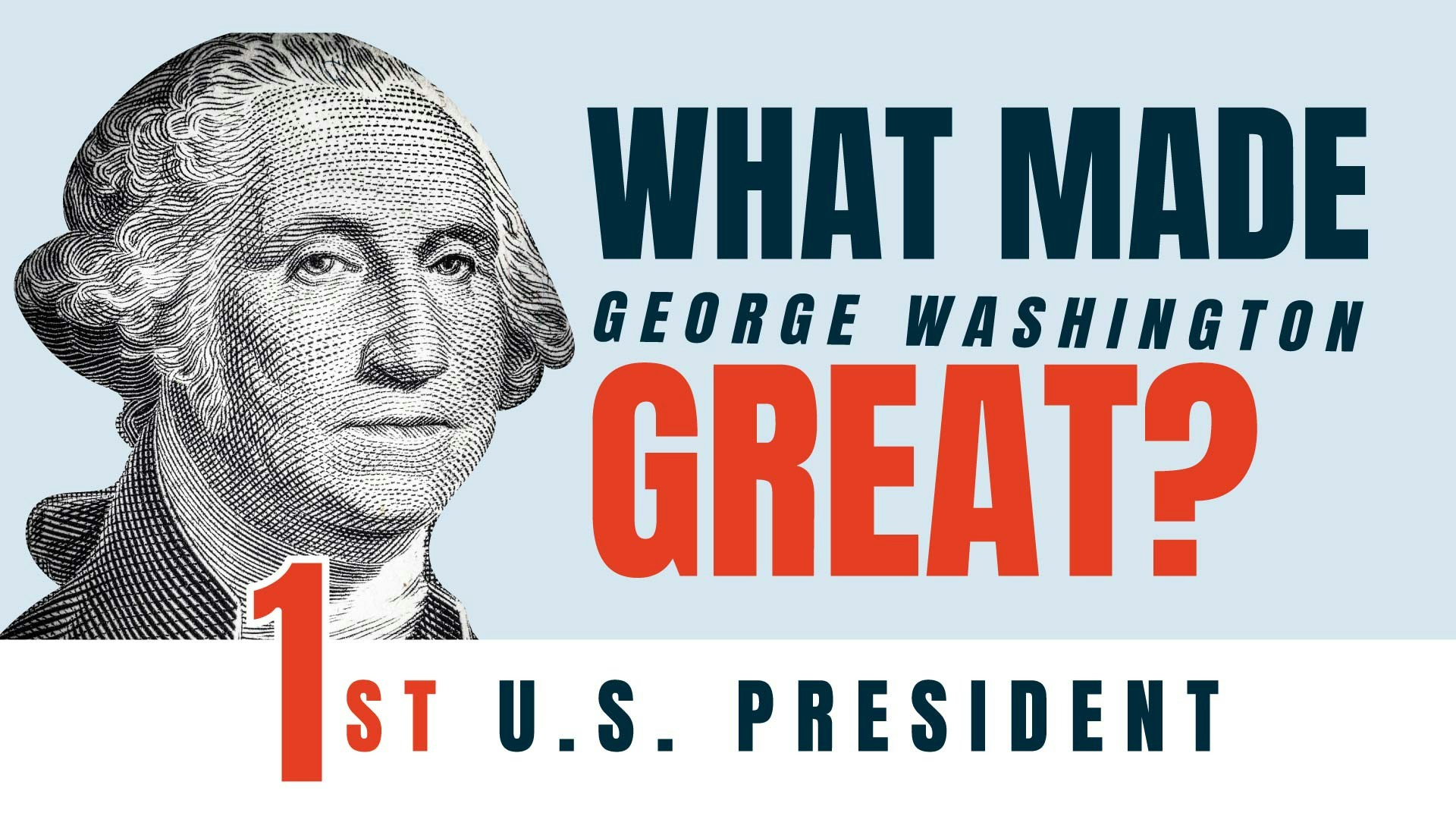
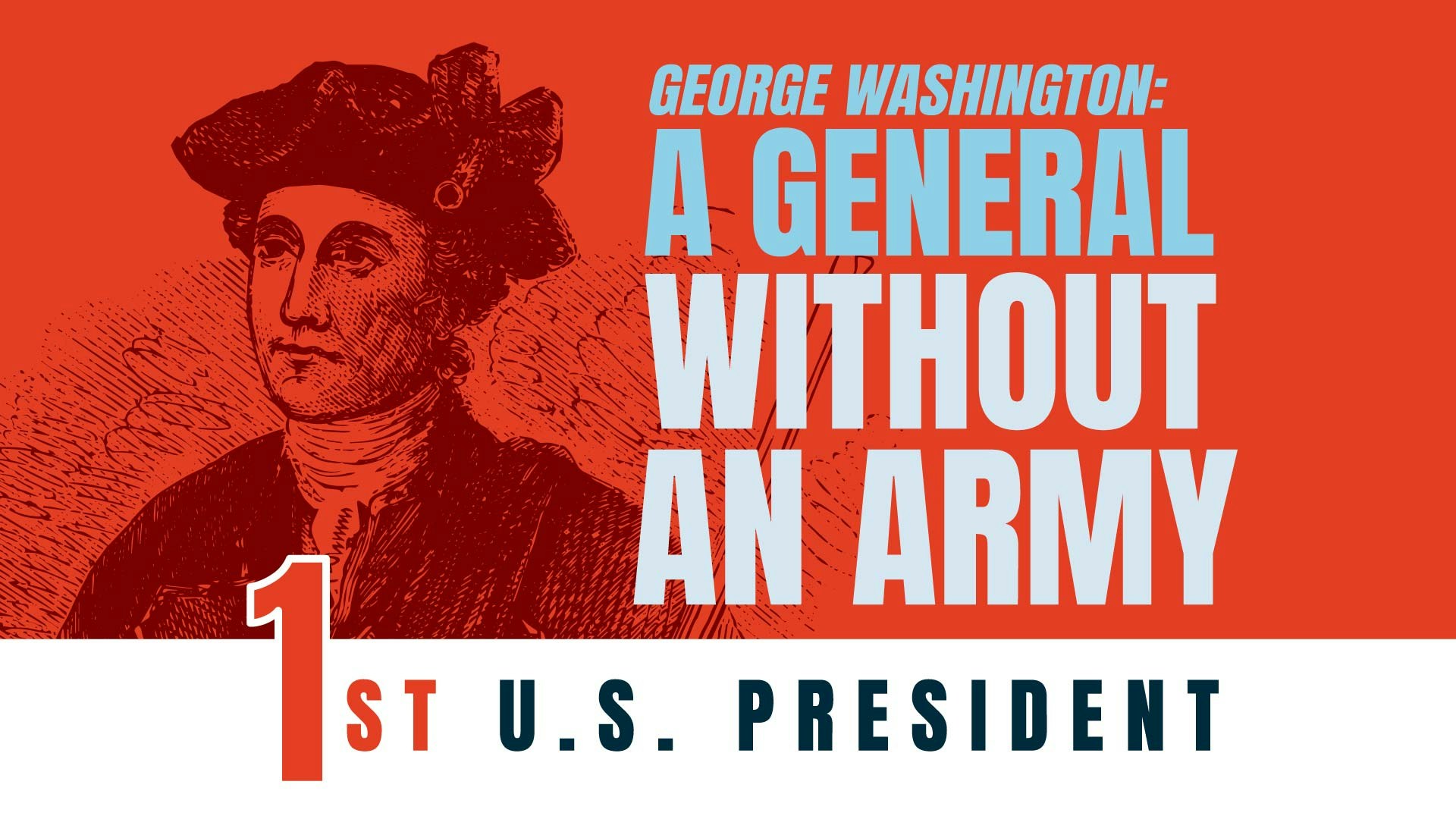
There would have never been a United States of America without George Washington. John Rhodehamel, author of George Washington: The Wonder of the Age, details how Washington successfully guided the budding nation through war and nurtured her in…
05:30
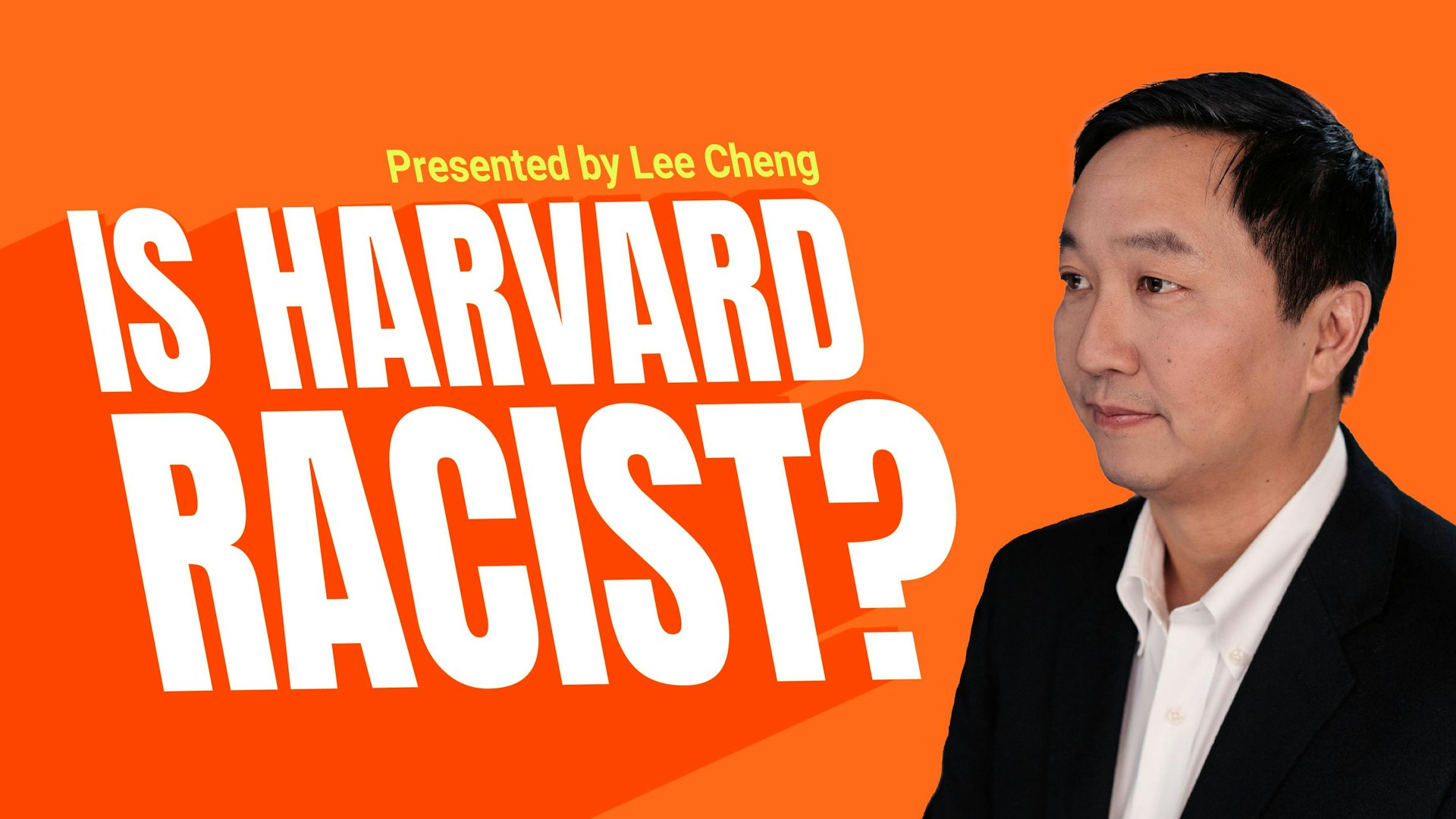
Harvard University’s admissions policy is proof that one can remember negative history, write about it in great and vivid detail, and still be doomed to repeat it.
05:21
Decades after capitalism seemed to have triumphed over socialism, politicians are once again arguing about the merits and drawbacks of these opposing economic systems. Why are we still having this debate?
04:49
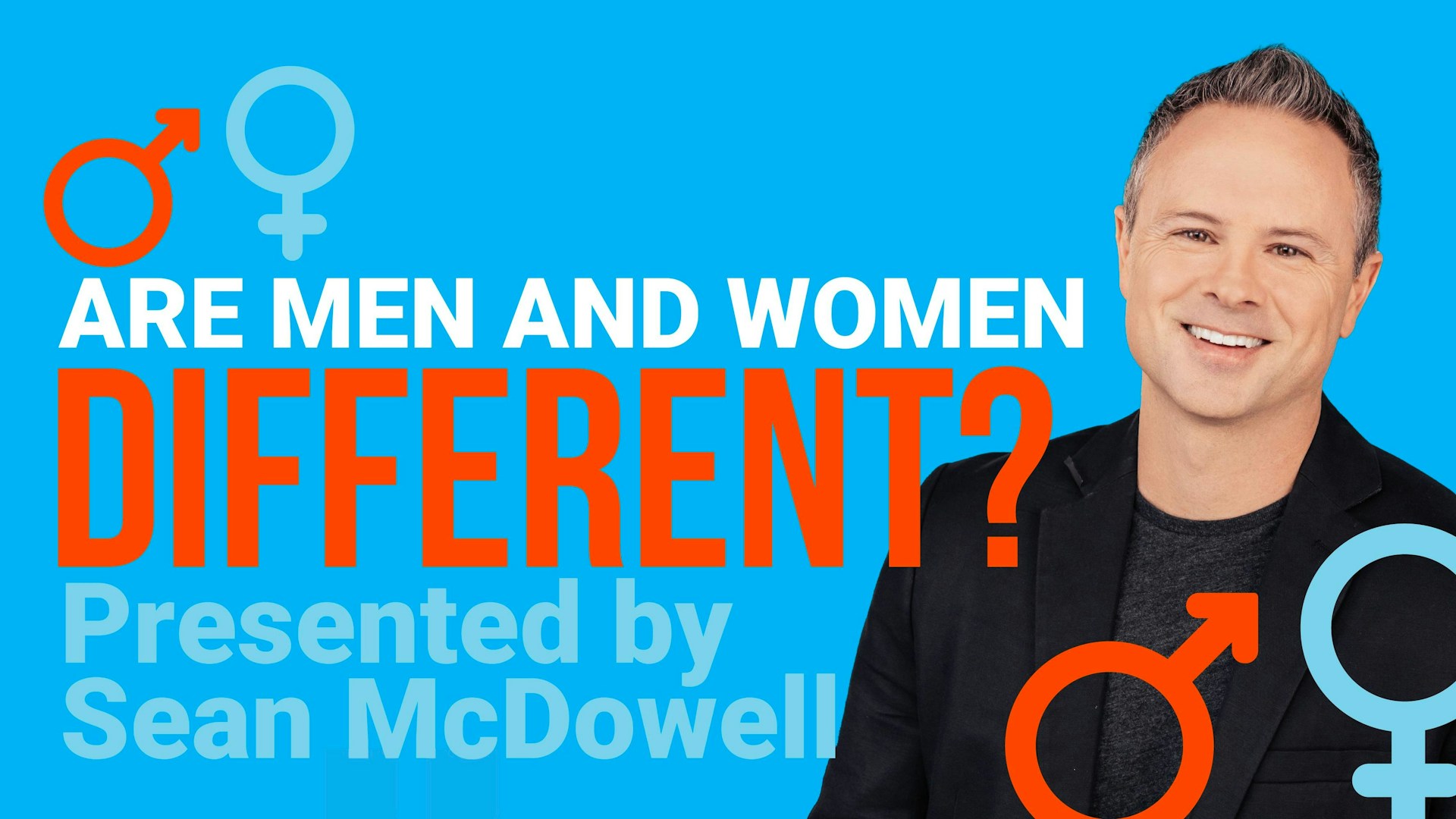
Are the differences between men and women biological or socially constructed? What do women want from a relationship? What do men want? Are they the same? Or are they much different?
05:36
It’s no longer a secret that many college campuses today are nothing more than leftist indoctrination camps. But what can we do about it? Charlie Kirk, founder of Turning Point USA, offers a simple and effective solution. This video was made…
05:44
From the Boy Scouts to literature, from the arts to universities: the left ruins everything it touches. Dennis Prager explains.
05:31
The most famous fire in American history happened in Chicago on October 8, 1871. But it’s not the fire that was so remarkable; it’s what happened afterwards. Lee Habeeb, host of the nationally syndicated radio show “Our American Stories,” explains.
05:43
The Western world has produced some of the most prosperous and most free civilizations on earth. What makes the West exceptional? Ben Shapiro, editor-in-chief of The Daily Wire and author of “The Right Side of History,” explains that the twin…
05:21
“He.” “She.” “They.” Have you ever given a moment’s thought to your everyday use of these pronouns? It has probably never occurred to you that those words could be misused.
05:21
Socialism has failed across the world – from the Soviet Union and Eastern Europe to China, Vietnam, North Korea and, most recently, Venezuela. So now the left references countries like Denmark as “proof” that socialism works.
05:25
To call someone a racist is a serious charge. Conservatives are accused of racism by the left on a daily basis. Are the accusations fair? Or is something else going on? Derryck Green of Project 21 provides some provocative answers.
05:28
Is God a man, a woman, or a genderless force that cannot be identified by masculine or feminine traits? Society offers a range of ideas, but what do religious texts have to say about this immutable characteristic of God?
05:33
Israel is one of the most free and most prosperous countries in the world. Not only is Israel a booming economy and a wellspring of innovation, it is the only democracy in the Middle East. So why is it so controversial to support the Jewish state?
05:43
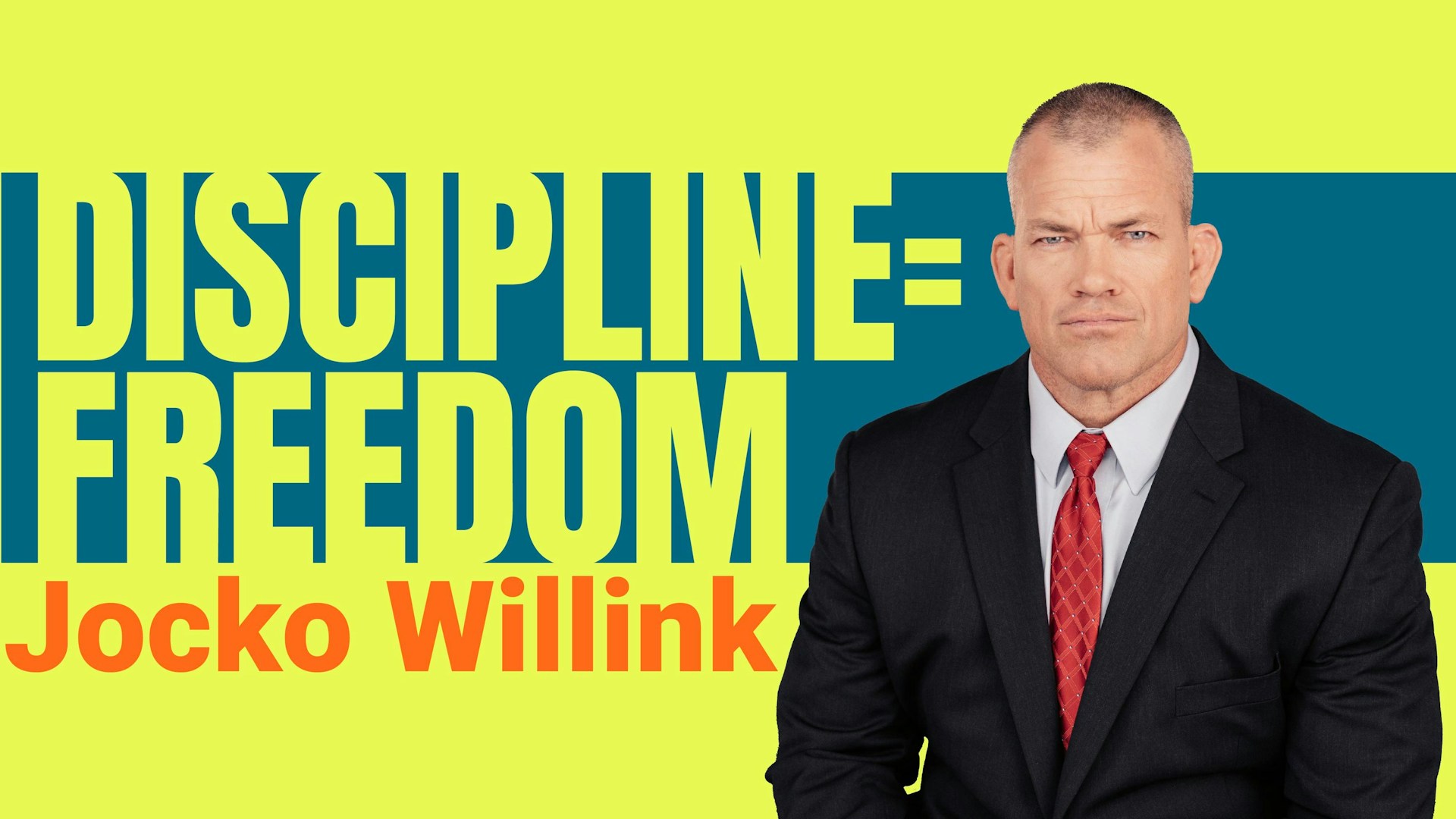
In PragerU's 2019 Commencement Address, Navy SEAL (Ret.) and best-selling author Jocko Willink offers some hard-learned, practical advice. It all starts with Discipline.
05:31
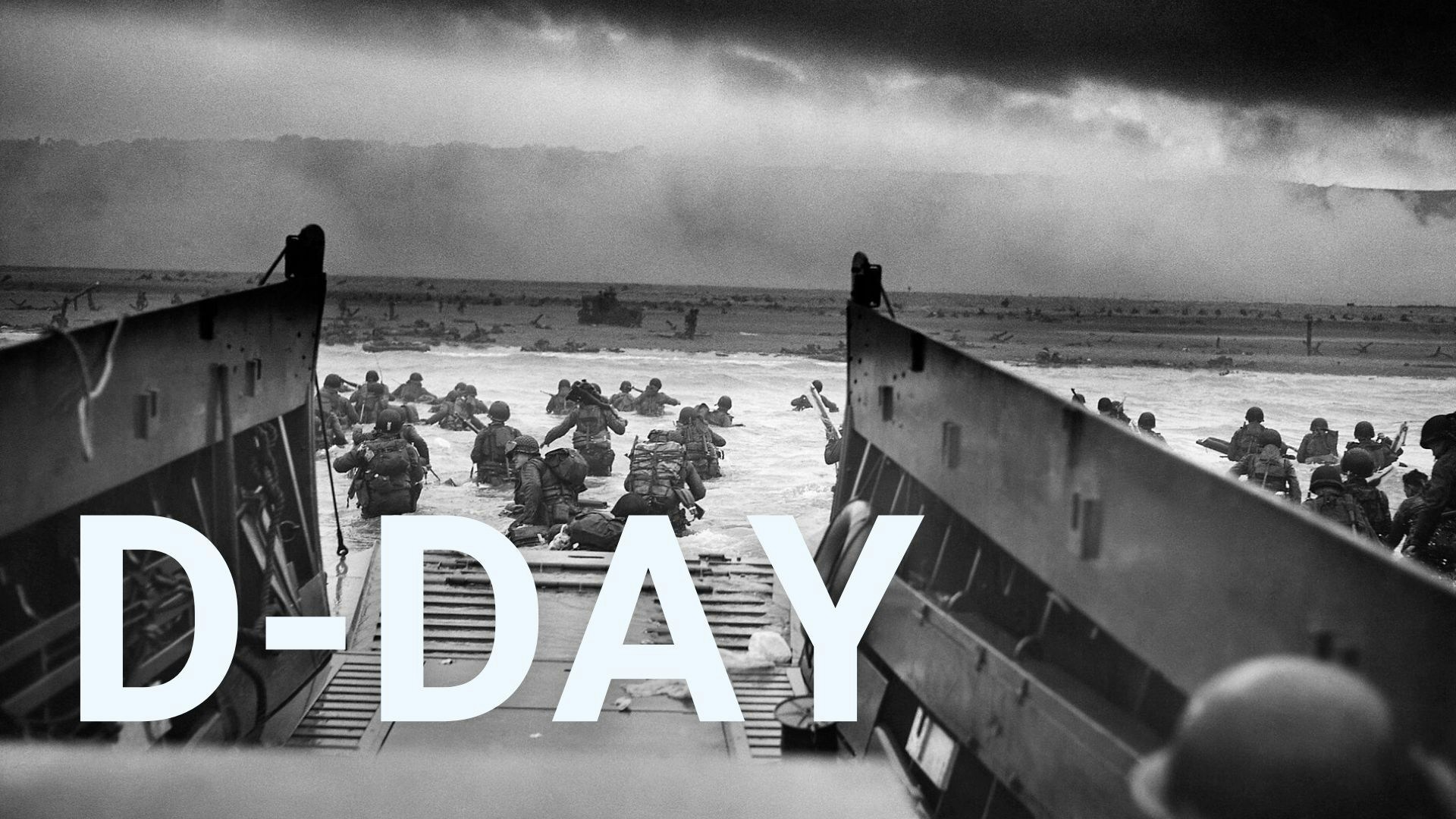
On June 6, 1944, Allied forces stormed the beaches of Normandy in northern France. Their goal: to liberate Western Europe from Nazi tyranny. From a distance, it might seem that victory was pre-ordained, but no one felt that way at the time.
05:22
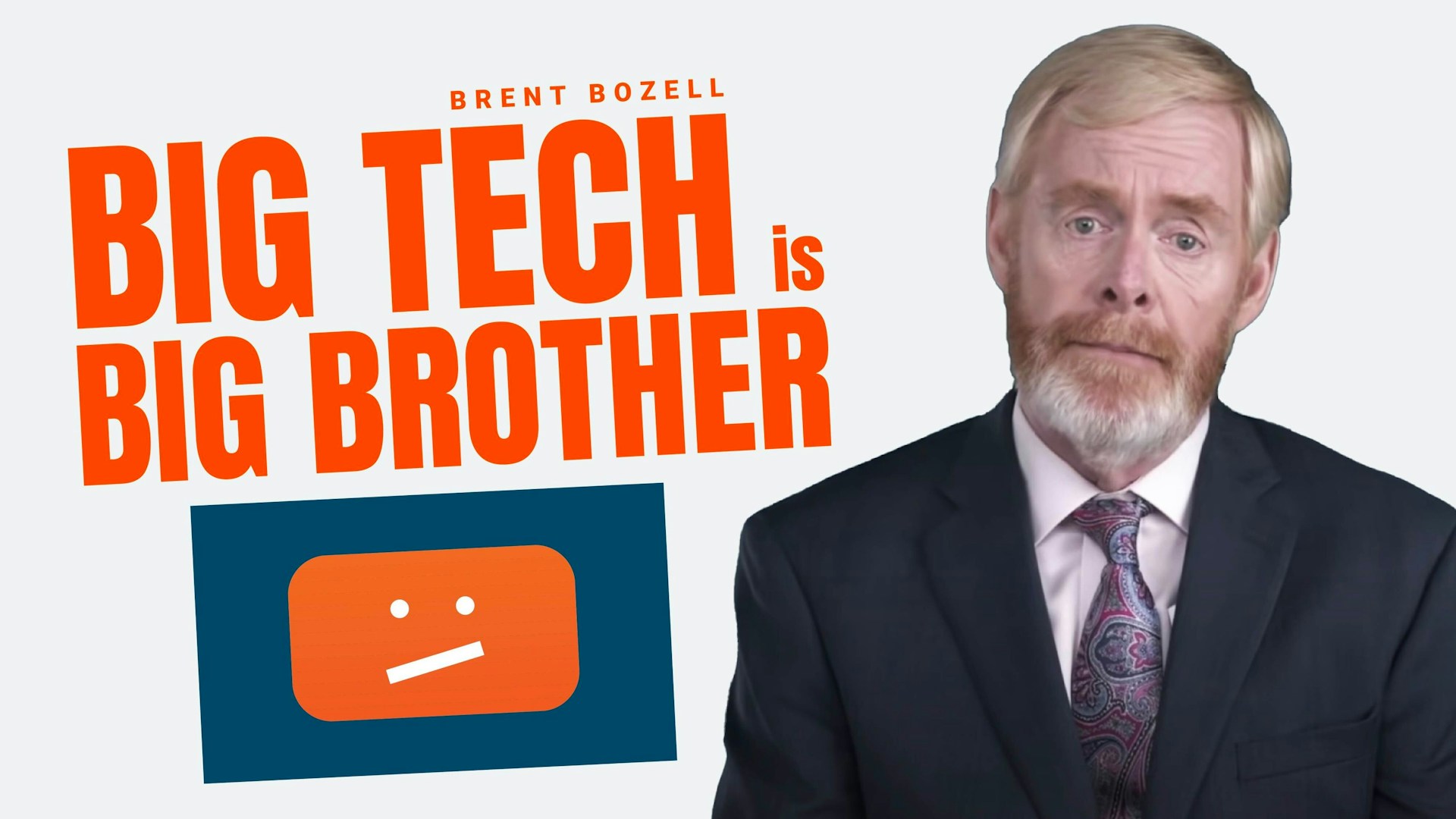
George Orwell's fictionalized world where Big Brother reigns supreme is no longer a figment of the imagination, but a prophetic vision of present-day threats.
05:37
In the mainstream media, women on the left are almost always portrayed as paragons of compassion and virtue. But when it comes to conservative women, it’s a different story. Why is this?
05:24
The U.S. national debt is massive—so massive that most Americans cannot comprehend it, much less solve it. But a crisis is looming, and a day of reckoning that will affect every American is coming.
05:45
What is the best book to read to your children? Which book most effectively conveys the values of love, compassion, hard work, justice, and virtue, and has the added benefit of endurance throughout history?
05:22
Renowned Oxford-trained historian Niall Ferguson recounts his recent experience of becoming an American citizen. His unique impressions are both moving and surprising — even to him.
05:23
Did Jesus support socialism? Do the teachings of Jesus Christ condemn the accumulation of wealth while pushing for the equal distribution of resources?
05:02
How do you become “dangerous”? Writer and Portland-based podcaster Nancy Rommelmann would have thought she was the last person to answer that question—until she publicly dared to raise some questions about the #MeToo movement.
05:08
Why can’t America build or repair infrastructure on a par with countries in Europe or Asia? Why are our bridges, roads, and airports not what they should be? Aren’t we the richest and most technologically savvy country in the world?
05:49
There’s been a lot of talk about The Green New Deal. Beyond the headlines, what is it really? Given our energy needs, is it practical? Can we have an abundance of energy and a clean planet?
05:42
Did President Trump call neo-Nazis “very fine people” during a famous press conference following the Charlottesville riots of August 2017? The major media reported that he did. But what if their reporting is wrong?
05:18
Can something be true for you and not true for me? In other words, is the truth relative or is the truth fixed? How you answer this question shapes the way you look at the world.
05:15
Is college a good investment? It’s getting harder and harder to make that case – for students and their parents. Today students often graduate weighed down by debt and free of practical wisdom.
04:43
There's a social media site whose glitzy videos populate your newsfeed. Its content overflows with typical leftist tropes. No, it's not CNN or MSNBC. You should know what it is and the nefarious people backing it.
05:44
The period immediately following the Civil War (1865 -1877) is known as Reconstruction. Its promising name belies what turned out to be the greatest missed opportunity in American history. Where did we go wrong? And who was responsible?
04:39
How is America to be defined? By its failures or its triumphs? Today, there seems to be an obsession with the former and a dismissal of the latter.
05:50
Ever since the introduction of the Food Pyramid in the early '90s, the average American has gotten fatter and sicker. Has this government-approved nutritional guideline — the basis of the modern “healthy diet” — led us astray?
05:05
The Reparations Movement – a government payout to descendants of slaves – is making a comeback. Super Bowl star Burgess Owens, who happens to be black and whose great grandfather was a slave, finds this movement both condescending and…
05:31
Most small businessmen have enough problems improving their product, marketing and meeting payroll. When Uncle Sam and his state and local cousins get involved, life and business invariably get harder. Common sense regulation benefits everyone.
05:47
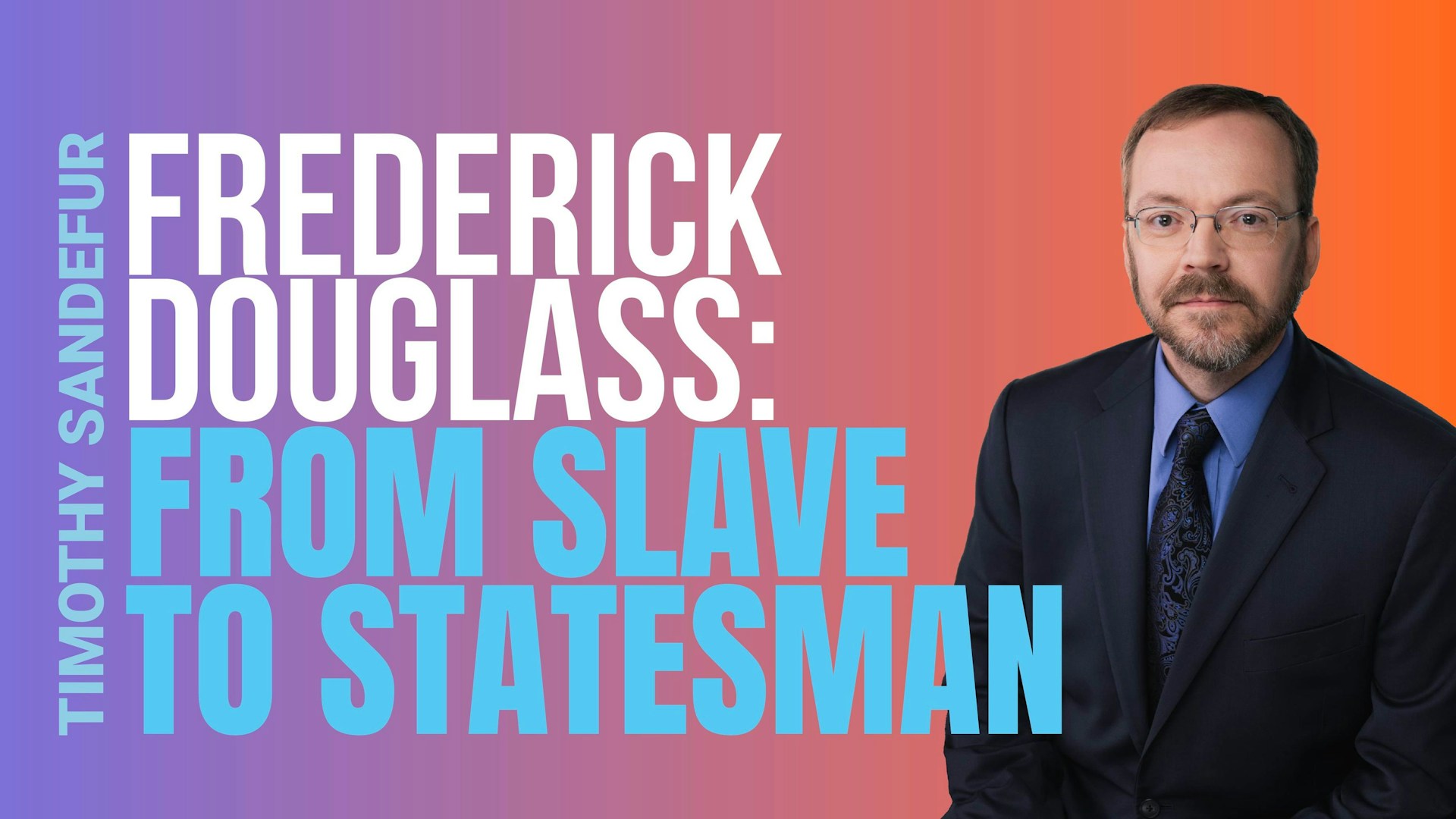
Frederick Douglass was born into slavery, but through his own heroic efforts became one of the most influential advocates for freedom in American history. His journey, a tale both agonizing and inspiring, should be known by everyone.
05:47
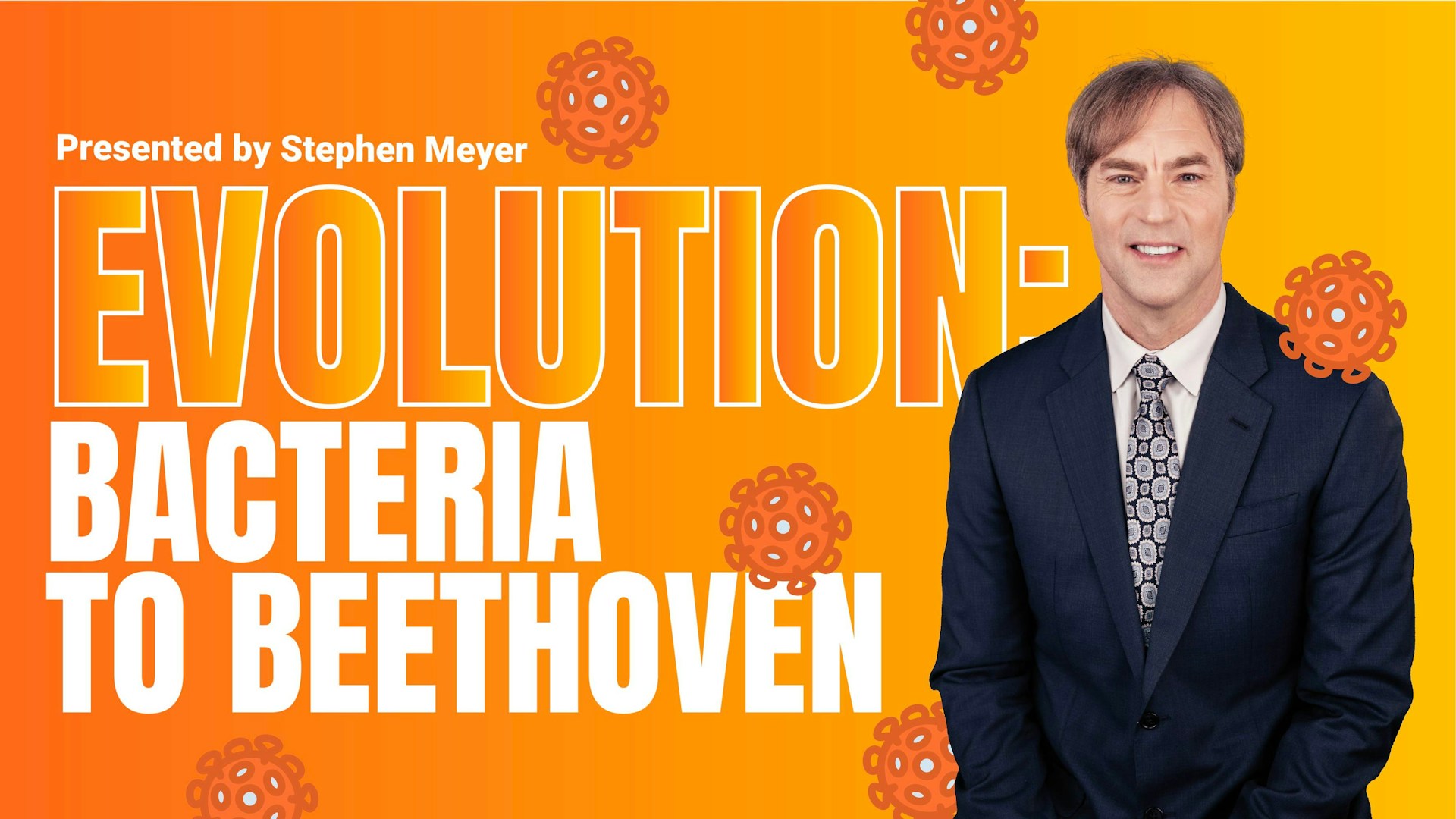
For a century Charles Darwin’s theory of evolution has been as unquestioned as Newton’s theory of gravity. But science never stops asking questions. Or at least it’s not supposed to.
05:14
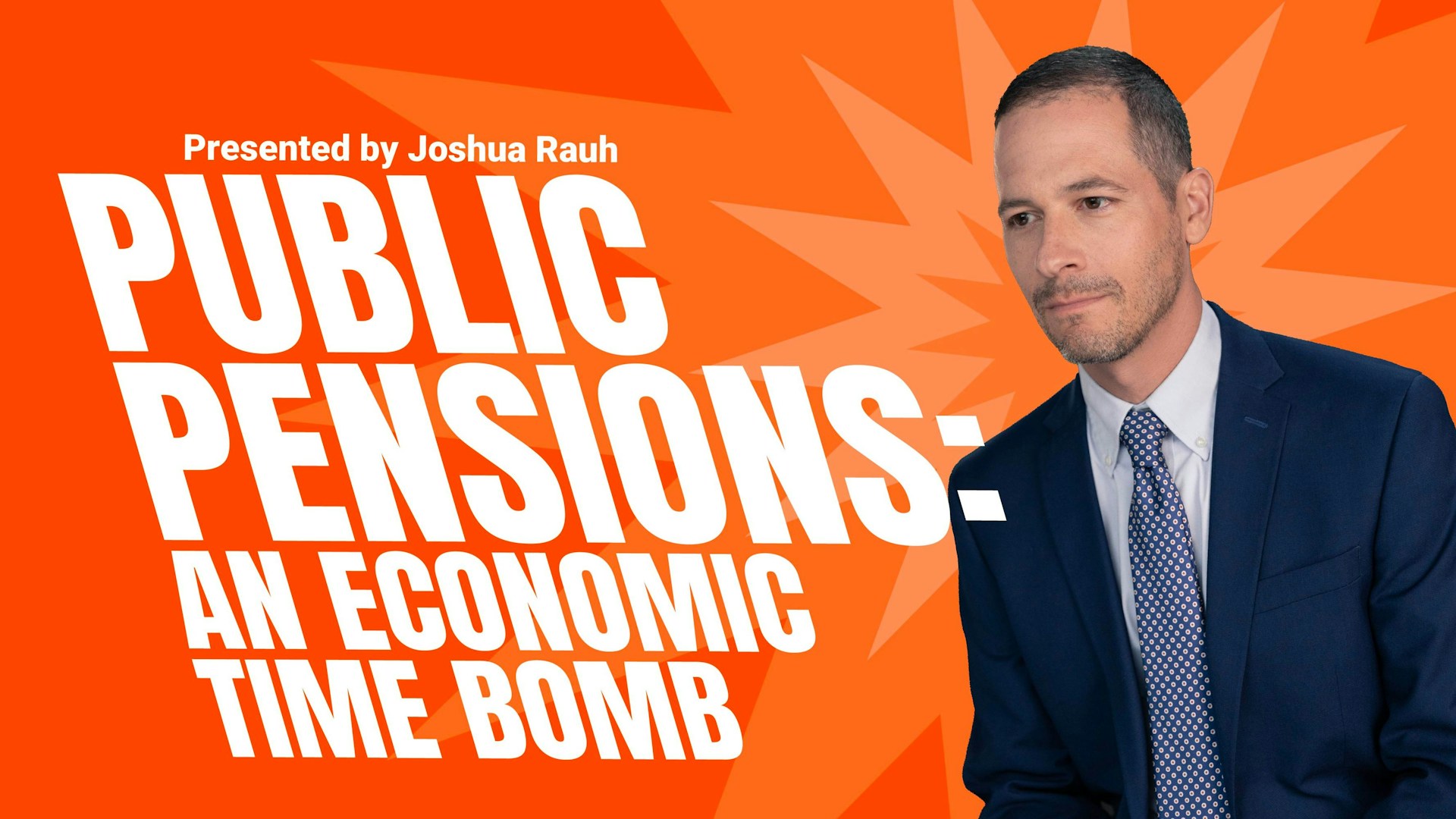
Who cares about public pension liability? Well, you should – after all, it’s the reason entire cities and even states are facing bankruptcy.
04:30
On November 7, 2018, a gunman opened fire inside a crowded bar in Thousand Oaks, California. Lives were lost that night, but lives were also saved. Who saved them? How? What can these heroes teach us?
05:12
They’ve saved the free world more than once. And they’re on the job preserving the peace right now. When it comes to making the world a more secure place for good and decent people everywhere, this one group deserves the bulk of the credit.
05:34
Government-mandated employee perks might sound like a good way to help out working women, but, in reality, these programs do more harm than good. European women are already paying the price, and American women might be next.
05:17
Why do intelligent people – sometimes even our friends and family members – continue to fall for the Left’s false narrative? Jeff Myers, President of Summit Ministries, offers some compelling insight into the ways in which the Left manipulates words…
05:22
Do Republicans win elections by preventing minorities from voting? The Left says yes, but the data says no. Jason Riley, senior fellow at the Manhattan Institute, settles the argument with hard evidence, separating fact from fiction.
05:32
How much do you know about Christmas—about its origins and its many beloved traditions? Do you know where the idea of stocking-stuffers comes from? Or how lights found their way onto the Christmas tree?
05:47
It’s one thing to criticize Israel. It’s another thing entirely to be against the very existence of the Jewish state. In this clarifying video, Dennis Prager defines the difference and explains why anti-Zionism and antisemitism are one and the…
05:22
He was the most famous man of his time – so much so that his name still defines his age. Born on an obscure island into humble circumstances, he rose to conquer a continent.
05:26
The European Enlightenment of the 18th century introduced the world to modern science, economics, medicine, and political freedom – or so we’re told. But is what we’re told accurate?
05:33
You’ve heard her name. You might even have seen a film about her. But do you know the whole story of Margaret Thatcher – where she came from, what she stood for, and the impact she had on Great Britain and the world?
05:16
“Fairness” has become a Progressive obsession. The childhood lament, “it’s not fair!” is now a common refrain among many adults. No political discussion seems complete without someone insisting that the wealthy pay "their fair share.” But what does…
05:04
Brandon Tatum doesn’t forgive you for your white privilege. How can he forgive you for something that doesn’t even exist? So, where did the notion of white privilege come from? Who does it benefit? And who does it hurt?
05:13
The Star-Spangled Banner, long a treasured symbol of national unity, has suddenly become "one of the most racist, pro-slavery songs" in American culture. Why is this happening? And more importantly, is it true?
05:19
It’s time for free-market capitalism to reclaim its legacy as a creator of prosperity — not just for citizens of the Western world, but for people everywhere. It’s not capitalism that has to justify itself; it’s everything else. Why?
05:08
Why does the world of dating seem so complicated? Lauren Chen, host of Pseudo-Intellectual on Blaze TV, offers some useful navigational tools. It starts with this basic question: what is the purpose of dating? The answer may shock you.
05:37
For the past few centuries, Western Civilization has dominated the world both culturally and economically. Why? Some point to imperialism, slavery, and colonial wars. But those sins are common to all empires throughout history.
05:33
What is the greatest threat to free and fair elections in America? Here’s a hint: it’s not Russia, or any other foreign power. It’s not a person, either. It’s something much more subtle, and much more dangerous.
05:49
Why are young people so unhappy and so anxious about their future? Healthcare professionals and social scientists round up the usual suspects: drug addiction, social media, cyberbullying, fear of impending demise of the planet.
05:43
Why can’t America’s healthcare system be more like Canada’s? Here’s a better question: why would you want it to be? French-Canadian entrepreneur Alain Lambert has first-hand experience with both Canada's and America's healthcare systems, and he…
05:34
What does it mean to be tolerant? The dictionary defines tolerance as respect for opinions, beliefs, and practices that differ from your own. But in our polarized cultural climate, it has come to mean something else entirely.
05:43
Everyone knows the basics of the American Revolution: thirteen North American colonies revolted against British rule and won their independence.
05:31
Environmentalists are certain conservatives don’t care about clean air and clean water; that they’re happy to trade the planet for profit. Is it true? Do conservatives really care more about green pockets than green forests?
04:43
Activist groups claim a biased criminal justice system has put too many people behind bars. The solution, they say, is to drastically cut the prison population.
04:33
Do you feel forced to keep your values to yourself? Are you afraid to speak up about your views and opinions for fear of creating family tension or losing your friends—or your job?
05:29
You’ll see a lot of references to justice in the Bible, but you’ll never see the word “social” precede it. Why? Is it simply because social justice is a new cause that post dates the Bible?
04:43
Why would someone like Sebastian Cevallos, a university student in Ecuador, care about Israel? You'd think this tiny country on the other side of the globe from where he lives would have no bearing on his life. But it does.
04:40
¿Por qué un estudiante de la Universidad de Ecuador, como Sebastian Cevallos, puede estar interesado en Israel? Podrías pensar que en este país tan pequeño, al otro lado del mundo de donde él vive, no tendría importancia en su vida.
05:58
Others have made the ultimate sacrifice so that you could be free. Remember them—today, and always. A moving tribute, written and narrated by former Navy SEAL and author Jocko Willink. Take our American Wars quiz.
05:45
Nearly every American knows the phrase “separation of church and state.” Do you know where it's from? Here’s a hint: it’s not in the Constitution.
05:20
The 2020 graduating class faces challenges unlike any class before it. Uncertainty looms at every turn: job prospects, social interactions, and many other aspects of “normal life” once taken for granted.
05:25
In the years following the Civil War, Booker T. Washington devoted his life to helping blacks transition out of slavery and into freedom. While his ideas were never fully embraced in his time, today, more than a century later, they remain strikingly…
04:38
What would America look like if the Left got everything it wanted? What would America look like if the Right got everything it wanted? PragerU’s Will Witt fleshes out each of these scenarios in this provocative thought experiment.
05:46
Most people think they know what happened in Ferguson, MO on August 9, 2014. Most people are wrong. Radio host and author Larry Elder presents a factual account of what actually took place on that fateful day. **Correction: 1:06 Michael Brown was…
05:46
Dennis Prager has traveled all over the world. But at the end of every trip, he returns home with a new appreciation for America. Why? Because no country is more open, more generous, and has done more for the cause of freedom than America has.
04:42
Are government schools really giving children the education they deserve? If you think the answer is “yes,” you haven't asked a parent with a child stuck in a bad school.
05:19
What happens when politicians decide they are in a better position than business owners to know how much workers should be paid? We don't have to guess. Cities like Seattle and New York have already done so with their $15/hour minimum wage mandates.
05:05
Most of us learned the key ideas of the Declaration of Independence in school: that "all men are created equal," "endowed by their Creator with certain unalienable rights," that government's job is "to secure these rights.
04:59
Jeremy Boreing, co-founder of The Daily Wire, doesn’t have a college degree. Neither do Mark Zuckerberg, Bill Gates, or a host of other innovators who have shaped our contemporary world.
05:08
Do wind turbines and solar farms hold the keys to saving the environment? Michael Shellenberger, founder of Environmental Progress and noted climate activist, used to think so. Now he’s not so sure.
05:42
We all know that there’s more to maturity than simply growing older. So what characteristics do you need to become a mature person? And why will that help you lead a better life? UCLA Medical School psychiatrist Dr. Stephen Marmer explains.
05:50
California used to be the Golden State. Now the Blackout State might be more accurate, as the fear of wildfires forces public utilities to periodically power down. But fires have always been part of California’s history, so what’s changed?
05:45
Are the police friend or foe? Are they necessary to preserve order, or are they unnecessarily intrusive? Do they have society’s best interest in mind, or are they racist and violent?
05:13
9/11 shocked America and changed the course of modern history. Everyone knows what happened on that day…right? The truth is, many young people don’t, but they need to. CJ Pearson explains why.
05:28
Are wind, solar, and batteries the magical solutions to all our energy needs? Or do they come with too high a price? Mark Mills, Senior Fellow at the Manhattan Institute, analyzes the true cost — both economic and environmental — of so-called green…
04:23
Nestride Yumga experienced real corruption and civil rights abuses in Africa. Then she came to America, the land of opportunity, education, and freedom.
05:30
What once was the start of healthy debate is now just as often a catalyst for personal and professional destruction. “The mob” is out to cancel anyone who crosses it.
05:30
Christopher Columbus, the most famous explorer in history, was once a celebrated hero. Now, many consider him a villain, a despoiler of paradise. So which version of Columbus is true?
05:39
We're supposed to be the United States of America. But in many ways, we're now divided into two very different nations: red states and blue states. Which ones are succeeding? Which ones are failing? And why?
05:22
What’s the difference between absentee balloting and universal mail-in balloting? The latter might sound like a great idea, but is it really? Eric Eggers of the Government Accountability Institute answers this vitally important question.
05:18
What do Democratic Socialists like Bernie Sanders and Alexandria Ocasio-Cortez want America to look like? They say they want America to emulate Scandinavian countries like Denmark and Sweden. But do their proposed policies reflect that?
05:34
What’s the best way to protect the rights of workers? Let them determine their own job preferences, or mandate that companies provide them with certain protections? California has chosen to take the latter path. Has it worked?
05:24
What is the difference between free-market capitalism and democratic socialism? And which system is actually more fair and responsive to the needs of the people? Here’s a hint: names can be deceiving.
04:55
The Framers wrote the Constitution to protect the liberty of American citizens. But what exactly did “liberty” mean to them? More importantly, what should it mean to you?
05:21
If you truly want to save the planet from global warming, there’s one energy source that can do it. It’s not wind or solar. It’s not coal, oil, or natural gas, either. So what is it?
04:58
Selina Soule was one of the top five female high school sprinters in Connecticut... until competing against biological boys changed the game. Now, women aren’t just losing their races—they’re losing their chances to compete at all.
05:28
It wasn’t an accident that the First Amendment to the Constitution is about religious liberty. Why was it so important to the Founders? And why should it be just as important to you? Kelly Shackelford, President of First Liberty, explains.
05:50
In August of 2019, the New York Times published The 1619 Project. Its goal is to redefine the American experiment as rooted not in liberty but in slavery.
05:40
How do those on the Left determine right from wrong? Since Marx, they’ve relied on a formula based on status, skin color, and wealth. But is that the way to reach a moral conclusion?
05:13
How can a simple blood test cost $30 at one lab and $300 at another across the street? The answer to this question could save billions, as well as make healthcare more accessible and affordable for everyone.
05:46
You hear lots of dire predictions these days -- the planet is burning, the seas are rising, and so on. But what is the real purpose of all this doom and gloom? Is it to protect the environment? Or is there a different motive?
05:57
Free speech and intellectual freedom are the civil rights issues of our time. Are you ready to defend them? That’s the question that former US Ambassador Nikki Haley poses in this challenging video. This video was made possible by a generous grant…
05:42
Renowned political science professor Carol Swain started out life with every possible disadvantage. She ended up teaching at two of the most prestigious universities in the country. How did she do it?
05:46
Do you know what’s going on in your kid’s school? The three R’s—reading, writing, and arithmetic—have taken a back seat to a fourth R. Max Eden, Senior Fellow at the Manhattan Institute, explains what that fourth R is, and why it’s so…
05:26
Can we judge the past by the standards of the present? Many seem intent on proving not only that we can, but that we must. Social critic Douglas Murray doesn’t agree, and he explains why in this thought-provoking video.
05:46
The cost of producing electricity has dropped significantly in the last decade. So why haven’t we seen those price drops reflected in our electricity bills?
05:46
More and more, it seems people find it difficult to defend capitalism—even those who benefit from it most. But former US Ambassador to the United Nations Nikki Haley takes a refreshingly different view: she thinks we should double down on it.
05:21
Dan Collins is the proud father of thirteen children. Eight are white and five, adopted, are black. He’s inclined to support the Black Lives Matter movement but would like some questions answered before he commits.
05:39
Has the leftist indoctrination so prevalent in college reached down into our elementary and high schools, too? If so, what can concerned parents do about it?
05:43
There’s a new socialism in town. Its foundations are more cultural than economic. Dinesh D'souza explains this major development in leftist thinking and its impact on your life.
04:50
Gabriel Nadales was an angry, bitter and unhappy young man — the perfect recruit for Antifa, the violent left-wing group which claims to fight against fascism. How did they find him?
05:52
How did one of the world’s poorest countries—China—become, in thirty years, one of the world’s richest? The answer is surprisingly simple and surprisingly powerful. China scholar Helen Raleigh breaks it down. Take our Economics Quiz!
05:41
Ayn Rand is one of the most famous novelists and philosophers of the 20th century. Her ideas about free markets and free minds still captivate millions.
05:44
Ten years ago, it was unlikely that you knew someone who identified as transgender. Today, it’s unlikely that you don’t know someone who identifies as transgender. This is especially true of teenage girls.
05:04
Brian Keating is an astrophysicist at a major university. Science is his life. But when he hears someone say to “follow the science,” he gets nervous. Because that’s not how science works.
05:34
Capitalism has produced freedom and crushed poverty. Communism has produced poverty and crushed freedom. So why is there still a debate as to which system is more moral? Dennis Prager explains.
05:26
With the help of the United States and other western powers, China has become an economic powerhouse. The idea was that prosperity would persuade China to align its interests with the other free nations of the world. But that’s not what happened.
04:56
Have you heard of Critical Race Theory? If you haven’t, you will. It’s coming to a high school, college, or workplace diversity training session near you. What do you need to know about it, and what can you do to stop it?
05:23
To put it mildly, Adam Carolla didn’t grow up with privilege. He doesn’t even know how to spell it. So where did the current obsession with privilege come from? And how do we get over it?
04:44
Seth Dillon is the CEO of The Babylon Bee, where they write satire for a living. You’d think that would be easy in today’s absurd world, but in reality, it’s just the opposite.
05:30
Americans are looking for love in all the wrong places—most specifically, Washington, D.C. America promises us freedom and opportunity, but certainly not love. Jason Whitlock, sports journalist and podcaster, explains.
05:49
If you ask most people to explain what Watergate was all about, they might say that it was about a bungled break-in that brought down a president. That’s true, but the break-in is the least significant part of the scandal. What else should you know?
05:31
Congratulations, graduates! Your days of leftist indoctrination are behind you. Just kidding! The glass tower of the corporate world is fast becoming as woke as the ivory tower of the college world.
05:41
Until recently, the need to explain why fathers are necessary would have been regarded as, well, unnecessary. But that’s not the case anymore. Dennis Prager explains why this isn’t just concerning—it’s dangerous.
05:44
Americans spend a fortune on healthcare, but it doesn’t seem to be making us any healthier. In fact, all the trend lines point to an increasingly obese, overmedicated, comorbid population. Why is this happening, and what can we do to reverse it?
05:42
Sports is the great unifier. It brings people of all races and backgrounds together. Or at least, it did. Podcaster and writer Jason Whitlock worries that when politics win, sports fans lose.
05:54
“The man to whom the country is most indebted for the great measure of independence is Mr. John Adams.” That was from a delegate to the Continental Congress.
05:38
Homelessness is one of the most vexing public policy problems we face. If you live in a big city, especially on the West Coast, you literally face it every day. And every day, it seems to get worse. Why? And what can we do about it?
05:26
There are a lot of partisan political issues out there, but election integrity shouldn’t be one of them. How can we verify every legal ballot, while also making sure that as many people as possible have the opportunity to vote?
05:19
The role of a prosecutor is to pursue justice and enforce the law. That sounds straightforward, but more and more, that doesn’t seem to be happening. Why?
05:42
He’s an economist, a historian, a philosopher, and one of the greatest social theorists America has ever produced. His name is Thomas Sowell, and he might be the most important scholar you’ve never heard of.
05:45
Che Guevara is the face that launched a billion T-shirts. Even now, more than 50 years after his death, he inspires would-be revolutionaries and social justice warriors. Why is his appeal so enduring?
05:26
As a therapist, Erica Komisar is often asked by parents, “How do I talk to my child about death if I don’t believe in God or heaven?” Her answer is always the same. Can you guess what it is?
05:22
Americans come from every corner of the globe. We represent every race, every ethnicity, and every religion. So, what brings us all together? Bobby Jindal, former governor of Louisiana, answers this key question.
05:50
How do we make life better for those who live in Gaza? According to Palestinian political analyst Bassem Eid, we start by recognizing who is really responsible for the suffering that happens there. Sign the petition to condemn Hamas and stand with…
05:37
You’d think that Islamist extremists and leftist radicals would have nothing in common. But noted human rights activist Ayaan Hirsi Ali has good reason to believe this is no longer the case. She explains in this eye-opening video.
05:15
The majority of Americans remember our 37th President Richard Nixon for one thing and one thing only: the Watergate scandal. But there’s much more to the man than that.
05:04
In February 2021, the temperature in Texas dropped below zero. Not a big deal, right? Texas is the energy state. Just go home, turn on the heat, and hunker down. That’s how it should have gone. But it didn’t.
05:25
James Madison insisted that his new nation could not succeed without a Constitution. Why? No other nation in the world had one. What made America different? Dinesh D'souza unravels the mystery. This video is part of a 5-part series.
05:41
“All men are created equal…” So says the Declaration of Independence, eloquently penned by Thomas Jefferson. But how do we reconcile the obvious contradiction between Jefferson's words about freedom and his actions as a slave owner?
05:43
Life, liberty, and the pursuit of happiness is the shared goal of every American. We all have a pretty good idea about what life and liberty mean, but what about pursuit of happiness?
05:46
Benjamin Franklin was a scientist, inventor, diplomat, writer, and publisher. But he is best remembered for being the guiding spirit behind the founding of the United States.
05:51
Alexander Hamilton, the first United States Secretary of the Treasury, knew there was a better way for countries to become prosperous than by conquering others. What was his plan, and did it work?
05:48
If you ask Americans to name their country’s form of government, most of them will say they live in a democracy. However, the real answer is more complicated (and unexpected) than that.
05:43
What happens when you spend money you don’t have? Everyone knows the answer to that question. But what happens when the government does it on an unprecedented scale? Sooner or later, all debts have to be repaid.
05:23
What’s more important for a company: to make a profit, or to do “social good?” More and more companies seem to be focusing on the latter. But is that a good business strategy?
05:27
The climate is the most complex system on Earth. Is it really possible to project with any precision what it will be like 20, 40, or even 100 years from now?
05:02
Nothing reveals the moral confusion of our time more than those who label the term “colorblind” racist. Who would want to see themselves in terms of their skin color?
05:46
Yoseph Haddad has served in the Israel Defense Forces. He’s also an Arab. Why would an Arab volunteer to join the Israeli military? If Israel really is an apartheid state, why would Haddad be proud to defend it?
05:44
One book and one author have changed how American history is taught. America is no longer the good guy but the cause of everyone’s problems. Who is the author? What is the book? And why has it become so popular?
05:38
Was America founded to be a secular nation? In other words, does religion have no role in American politics or public policy-making? The answer is more complex than you might think.
05:49
On December 7, 1941, the Japanese Imperial Navy bombed the U.S. Naval base at Pearl Harbor. The surprise attack shocked the nation and brought it into a world war. To this day, it remains seared in America’s historical memory.
05:38
What’s the safest way to transport oil? According to environmentalists, progressive politicians, and the media, it’s anything but pipelines. Are they right?
05:38
Was the universe always here, or did it have a beginning? If so, how did it start? Mankind has debated these questions for centuries and has only recently begun to find some answers.
05:30
Does belief in God get in the way of science? The idea that science and religion are inevitably in conflict is a popular way of thinking today. But the history of science tells a different story.
05:42
Even staunch Darwinists have acknowledged that life in the universe displays an appearance of design, rather than being created out of random chance. If that’s true, where did that design come from? In other words, does a design require a designer?
05:48
Is there any meaning to life? Or is life nothing more than a cosmic accident? Scientific atheists claim the latter, but ironically, it’s science itself that suggests the former.
05:43
Chances are if you've heard anything about intelligent design, you’ve heard that it's faith-based, not science-based. Is that true? Or does modern science, in fact, point us in the direction of a designing intelligence?
04:48
Personal responsibility. Who wants to hear about that? Well, you do… if you want to have any chance at health, wealth, and happiness. Author, musician, and podcaster Zuby explains exactly why.
05:43
What does totalitarianism look like? In the 20th century, it took the form of secret police violently silencing anyone who spoke out against the government. Now, it has a very different face — one we should be wary of just the same.
05:39
The most influential news source in the world is The New York Times. Every day, hundreds of newspapers and news stations around the world follow its lead. After all, isn’t the Times the gold standard of journalism?
05:31
How many times have you heard that Israel "occupies" the West Bank? But have you ever asked yourself whether that’s true? Or even what it means?
05:40
Is it important to study history? Why do we need to know what’s come before us? Isn’t it enough to just “live in the moment?” Renowned historian Victor Davis Hanson explores these important questions. This video was made possible by a generous…
05:17
What happens when fear overwhelms reason? Dennis Prager offers much-needed perspective into how fear—specifically irrational fear—affects both the individual and society.
05:10
The main goal of the foster care system is to help and protect kids… isn’t it? Unfortunately no, and the outcomes are often disastrous. Naomi Schaefer Riley, senior fellow at the American Enterprise Institute, reveals the disturbing truth.
05:38
Since the start of the Covid crisis, the American economy has been turned on its head. Times are good for the big guys — Big Business and Big Government. But what about for the small business owner, the personification of the American dream?
05:44
Few presidents have connected with the American people like Ronald Reagan did. Through a combination of persuasion and policy, our 40th president turned a depressed nation into a confident one.
05:13
There is systemic racism in America, and people of color are paying a terrible price because of it. It’s time to shine a bright light on the source of this regressive idea. PragerU’s own Amala Ekpunobi does just that.
05:36
What is the oldest holiday that people still celebrate today? Christmas? Easter? Halloween? Good guesses, but all incorrect. Dennis Prager has another answer, one you probably haven’t considered.
05:36
How is it that Big Business “got woke?” Once the bastion of country club conservatism, it’s now a fortress of radical leftism. Vivek Ramaswamy explains this amazing and disturbing transformation.
05:45
The first responsibility of every government is to keep its citizens safe from invasion, violence, and terror. So why is it that when Israel defends itself, much of the world sees it as the villain?
05:22
Are we heading toward an all-renewable energy future, spearheaded by wind and solar? Or are those energy sources wholly inadequate for the task?
05:02
Why is it that parents have so little control over where their children go to school? Unless you homeschool or send your child to a private school, you’re at the mercy of the government and the Teachers Unions. That needs to change.
05:46
Most people advocating for radical social change on behalf of people of color are not themselves people of color. How do you explain that? Wilfred Reilly, professor of political science at Kentucky State University, has some answers.
05:03
Are we just going to give up on the greatest country in the history of the world? Or are we going to fight for freedom and a thriving future? For Dave Rubin, the author of Don’t Burn This Country, the answer is obvious.
05:51
In the past, the Social Credit System existed only in the world of science fiction. In the present, it’s happening in China. In the near future, it might become a reality right here in the West — unless we take a stand against it.
05:29
You can learn a lot about basic economics from great quotes. David Bahnsen, author of There's No Free Lunch: 250 Economic Truths, proves how true this is. Take our Economics Quiz!
05:18
As you step off the podium with your degree in hand, here’s a question for you: did you learn anything about money? In PragerU’s 2022 commencement address, financial guru Robert Kiyosaki offers you the financial education that your formal education…
05:04
For fifteen years, Kali Fontanilla taught middle and high school students in California public schools. Then she abruptly left it behind. Why would a teacher who loves teaching quit her job?
05:23
As goes California, so goes the nation. This used to be said as a compliment. Now it’s a cautionary tale, and the country would be wise to heed it. Political commentator Michael Anton explains.
05:44
Workers of the world, unite! Karl Marx’s famous call to action never caught on with its intended target, the working class. But the intellectual class—the world of academia—swallowed it hook, line and sinker. They are still pushing it today. Why?
05:39
Private property, wage labor, competition, and profits — under Karl Marx’s world view, these would have to go. Instead of self-interest, everybody would work for the benefit of everybody else. For many, this is a very seductive idea.
05:40
Capitalism is the source of all evil. If we can just get rid of the capitalist system, we can eliminate poverty, inequality, exploitation, class conflict, and war. This is what Karl Marx believed, and many today still follow his lead.
05:37
How can you take control of your career? Ken Coleman, host of The Ken Coleman Show and author of The Proximity Principle, offers a guide for discovering and seizing the right opportunities.
05:41
Few people have had as profound an impact on modern economics as economist Milton Friedman. His Nobel Prize-winning ideas on free enterprise resonated throughout the world and continue to do so.
05:13
Who should decide when and how to discuss issues like sex and gender with young children? Just a decade ago, this was thought to be the sole purview of parents. But that is no longer the case. Why is this shift happening, and who’s behind it?
05:18
Small business is the epitome of the American Dream. It’s the reason why America became the richest nation in the world. After all, every successful big business started out as a small one.
05:29
Look for the source of a society’s collapse, and you’ll usually find the i-word (inflation) at its core. So what exactly is inflation? How does it work? Why is it so dangerous? And how does it affect your everyday life?
05:45
Winning the War of Independence brought a new challenge to the American people: what sort of government should they choose for their new nation?
05:43
Warren Harding is not regarded as one of our most successful presidents. He’s more likely to be remembered for his scandals than his accomplishments.
05:34
Herbert Hoover, the 31st President of the United States, succeeded at almost everything he did. Yet he is best remembered for one failure: the Great Depression. Is that legacy justified?
05:42
Americans today place enormous pressure on presidents to do “something" when there is a national crisis. But our 30th president Calvin Coolidge did “nothing” ...other than shrink the government. The result? America's economy boomed.
05:02
Are you a good person if you have good intentions? Many seem to think so, but there are a lot of problems with this belief. In fact, it’s the source of much of the evil in the world. Dennis Prager explains.
05:05
It’s hard to imagine how we could screw up higher education any more than we already have, but we’re about to—if we make sweeping student loan forgiveness a reality. How? To answer this question, we must start by asking another one: cui bono?
05:18
Spring 1787. The American Revolution had been won, but no one seemed to know how to govern the new nation. There was no chief executive, no agreement on taxes, or even how they should be collected. The country was teetering on the edge of anarchy.
05:36
There are few things worse than being called “intolerant” or “closed-minded.” Who wants to be that? Isn’t it far better to be open to everything, dismissive of nothing? Well, not necessarily. Michael Knowles explains.
05:51
If George Washington helped to shape America, what shaped George Washington? Historian Edward Lengel explores Washington’s early history: the events that defined him and ultimately made him America’s “indispensable man.” This video is part of the…
05:23
America’s fifth president James Monroe, the last of America’s Founding Fathers, is also the least well known. But that doesn’t mean he wasn’t a giant among giants. He was.
05:09
From the day he joined the Continental Congress in 1780 through his second term as the fourth President of the United States, James Madison was in the middle of everything.
05:39
Abraham Lincoln admired him. So did Franklin Roosevelt. So did John F. Kennedy. Dozens of other presidents expressed similar sentiments. They were talking about Thomas Jefferson, America’s third president.
05:20
In the aftermath of every mass shooting, we hear calls for “commonsense gun control.” But how do you determine which gun laws are common sense? Jason Riley, senior fellow at the Manhattan Institute, explores this loaded question.
04:53
It’s understandable why people from all over the world want to come to the United States. It’s still the land of opportunity. So, should we open our borders to everyone, no matter their legal status? Is that the compassionate thing to do?
05:29
The Framers of the United States Constitution wanted to give more power to the people and less power to the government. This was a radical new idea, and it started with the Legislative Branch: the House of Representatives and the Senate.
05:23
Sarah Idan was the first woman to represent Iraq in the Miss Universe contest in almost half a century. She went to the competition hoping to make friends.
05:47
Did you know that the Founding Fathers referred to Deuteronomy, the fifth book of the Hebrew Bible, more than any other source? What is it about this book that is so special?
05:03
Entertainment journalist Christian Toto explores why almost everyone in Tinsel Town—from the top star to the lowest crew member—seems to fall on one side of the political spectrum. There is no shortage of reasons.
05:29
Americans fought a long and bloody war to get rid of one tyrant, the English King, George III. They didn’t want to install a new one of their own making.
04:59
What do you think of conservatives? Do you think their views are rooted in racism, ignorance, and intolerance? Or is it just possible that they have valid reasons for thinking the way they do?
05:38
Twenty years ago, if you asked someone which of the world’s countries was the most diverse, most equitable and most inclusive, they would have answered “the United States.” Not anymore. What changed?
04:49
The Supreme Court seems to have the final say over every controversial issue from abortion to gun control to same-sex marriage. But is that what the Framers of the Constitution intended?
05:44
In a culture where diet and exercise fads come and go, what do you need to do to be healthy? Renowned fitness expert Vinnie Tortorich offers three key behaviors that must be repeated to get and stay in shape. Anyone can do it.
05:12
Anyone who wants to protect and preserve America should also want to protect and preserve Israel. Ambassador Robert C. O'Brien, former National Security Advisor in the Trump administration, explains why. In light of recent terrorist attacks aimed…
05:41
To rescue America from the Great Depression, President Franklin Roosevelt attempted to steer the country on a new economic course. He called his plan the New Deal. Did it succeed, or did it make matters worse?
05:34
In 1940, Nazi Germany overran France. Britain looked to be the next target. President Franklin Roosevelt knew he had to prepare America for war. But how?
05:35
Did you know that freedom of speech, freedom of religion, and the right to bear arms were not in the original Constitution, drafted in Philadelphia in the summer of 1787? So where did they come from?
05:49
If someone told you that they advocate for the chemical castration, sterilization, and physical mutilation of children and young adults, you’d probably think they were a monster.
05:36
What most prevents people from living a happy, fulfilling, and meaningful life? And, what causes people to act irrationally? Both questions have the same answer. Dennis Prager explains.
05:38
What makes great art great? Is it simply a matter of personal taste, with little or no regard for skill or execution? Or are there standards by which an artistic work can be objectively judged?
05:37
Imagine you dedicated your life to environmentalism and all of its assumptions. Then imagine you realize those assumptions are all wrong. What would you do?
05:34
How did thirteen separate colonies become the United States of America? The answer is found in the second half of the American Constitution—Articles IV through VII.
05:42
Plenty of people can tell you what America’s problems are. But who’s talking about what America’s future could be? Kendall Qualls, president of TakeCharge, presents a vision that’s closer than you think.
05:46
There are now eight billion people living on the planet. Is there enough room for all of us? Are we going to run out of food and other resources?
04:46
Bad ideas are everywhere, spreading like viruses. Ironically, the antidote is readily available. We just have to have the courage to use it. Seth Dillon, CEO of The Babylon Bee, provides the prescription.
05:42
After the Civil War ended in 1865, Americans began the business of reconstructing their country, and along with it, their Constitution. Kurt Lash, Professor of Law at the University of Richmond, analyzes the three amendments that ushered in a new…
05:47
John Quincy Adams, the son of the second President of the United States, became the sixth President of the United States. But the road to that prize was anything but smooth.
05:50
Both revered and reviled in his own time, the seventh President of the United States Andrew Jackson never backed down from a fight. His “my way or the highway” approach made “Old Hickory” as ruthless with his veto pen as with his dueling pistol.
05:42
The first person to fully realize the value of organizing around a political party was the eighth President of the United States, Martin Van Buren. The party he helped to create is still thriving today.
05:46
William Henry Harrison, the first Whig president, died shortly after taking office. Though he didn’t live long enough to enact his ambitious agenda, it would be a serious mistake to underestimate his contribution to the American story.
05:05
The year was 1841. No president had ever before died in office. And then one did. Who would take over as chief executive? The Constitution was surprisingly vague on this question—until Vice President John Tyler took a firm stance.
05:50
We’re supposed to be in a climate crisis. And we are. But not in the way you think. Alex Epstein, author of Fossil Future, explains the real crisis and what we can do to get out of it. Take the pledge to stop climate misinformation and get the…
05:47
The Constitution has been amended 27 times. The most famous amendments are the first ten: the Bill of Rights. But what do you know about the others?
05:11
How many times can someone lie to you before you stop believing him? Popular podcaster Tim Pool applies this question to a source you might be trusting a little too much.
05:44
Crime has become a major issue in America again. People don’t feel safe, and for good reason. Homicides are at levels not seen for decades. How do we reverse this dangerous trend?
05:41
James K. Polk believed that America was destined to expand west. Did this make him an imperialist or an agent for freedom and opportunity?
05:20
One of the few public policies that unites people from across the political spectrum is school choice—the ability of parents to choose the school that best fits their children’s needs. So, why isn’t it the norm?
05:48
Everyone has heard the expression, “Let your conscience be your guide.” But is that really true? Is your conscience trustworthy? Dennis Prager shares some insights that might surprise you.
05:51
Should the world stop using fossil fuels—oil, coal, and natural gas? Or should we embrace them as an essential part of modern life? Alex Epstein explores these questions. Take the pledge to stop climate misinformation and get the facts with a free…
05:49
He was a slave owner who opposed the expansion of slavery; a president who despised politics and politicians. That was Zachary Taylor—“Old Rough and Ready.” Joseph Fornieri, Professor of Political Science at the Rochester Institute of Technology…
05:28
Is police brutality a major problem in America? Many activists, politicians, and the media would have you believe that it is. But what does the actual data say?
05:46
Unlike any governing document in history, the U.S. Constitution inscribed liberty and individual rights into law. But how could America espouse freedom at its founding and also permit slavery?
04:45
In PragerU’s 2023 commencement address, popular podcaster Tim Pool shares the secret of his success (hint: it’s not a degree from a prestigious university).
05:44
Judaism and Christianity are the only two religions that share a sacred text and a fundamental set of values. These values created and sustained Western Civilization. But now many want to discard them. If we do, at what cost?
05:28
Is Millard Fillmore, the 13th President of the United States, the least significant of all the commanders in chief? Or the most underestimated?
05:45
Is social activism the only way to improve the situation for minorities in America? Alfredo Ortiz, the son of Mexican immigrants and the CEO of Job Creators Network, has a different take.
05:46
Happiness is more than a feeling or a state of mind. There are real, practical steps you can take to get on the path to a happier life—one with lasting contentment and fewer regrets. Gad Saad, Professor of Marketing at Concordia University, popular…
05:49
We used to trust the mainstream media. They reported the facts and let us make our own decisions about the issues of the day. But that’s no longer the case. What changed and why? Investigative Journalist Ashley Rindsberg has the disturbing answers.
05:49
Franklin Pierce, America’s 14th President, had two simple goals: keep his party together and keep his country calm through the storm of the slavery debate. Simple, but not easy.
05:44
The Land of Israel has changed hands many times over the centuries. But it has always been the homeland of one particular people. Noa Tishby, author of Israel: A Simple Guide to the Most Misunderstood Country on Earth, explains. Sign the petition…
05:38
Are Americans living on stolen land acquired by nefarious means? Jeff Fynn-Paul, professor of economic and social history at Leiden University and author of Not Stolen: The Truth About European Colonialism in the New World, dispels this misleading…
05:49
Even environmentalists concede that nuclear power is a clean source of abundant, reliable energy. But they stop short of supporting it. Why? Because of the “waste problem.” But how real are their concerns?
05:28
When James Buchanan—America’s 15th president—took office, the country was ready to explode over the issue of slavery. Buchanan thought he could avert civil war.
05:15
Reason, logic, and thinking through problems can get you out of almost any sticky situation. Gad Saad, Professor of Marketing at Concordia University, popular podcaster, and author of The Saad Truth About Happiness, demonstrates how to hold on to…
05:43
Upon the passing of his beloved bulldog Otto, Dennis Prager reflects on the special bond between people and their dogs. What role should dogs play in our lives? And more importantly, what can we learn from this relationship?
05:40
Are you worried about your future? Turn on the TV or scroll through social media and it’s hard not to be. But is there a brighter side to the story?
04:59
If the government gave people enough money to take care of their basic needs, could we eliminate poverty? Proponents of Universal Basic Income think so. Are they right? Would it really be that simple?
05:50
Abraham Lincoln was born in a log cabin in the middle of nowhere. He had almost no formal schooling but rose to become the 16th President of the United States.
05:44
When Abraham Lincoln became the 16th President of the United States, he did not believe the country would soon be embroiled in a costly and bloody civil war.
05:41
Are sex categories—male and female—real, immutable, and binary? Or are they “social constructs”? Colin Wright, Ph. D. in evolutionary biology and fellow at the Manhattan Institute, has the answer. This video was made possible by a generous donation…
05:43
Abraham Lincoln had been assassinated. To take the reins of power at this tumultuous moment required a man of compassion, discernment, and discipline. Was Lincoln’s vice president, Andrew Johnson, that man?
05:25
As Columbus Day dies a slow, woke death, it might be a good idea to consider how this national holiday came about in the first place. The answer will surprise you. Take the Columbus quiz!
05:47
Title IX was put in place in the early 1970s to promote opportunities for women. Is this still the case? Former Secretary of Education Betsy DeVos answers this question. Sign the petition to demand fairness in women's sports.
05:17
What is Zionism? And why does it generate so much controversy, even hatred? CJ Pearson explains the history and philosophy of this ancient promise.
05:36
Have you heard of NewsGuard? Its mission is to “counter misinformation on behalf of readers, brands, and democracies.” In other words, it “guards” the news by telling you what you can and cannot trust.
05:31
No American led a more eventful life than Ulysses S. Grant, the 18th President of the United States and the Union Army's most celebrated general.
05:11
The Bible never commands us to love our parents, but it does command us to honor them. So, why have so many adult children decided to hurt their parents in one of the worst ways possible? This video was made possible through a generous donation…
05:28
It is undeniable that Native Americans suffered terribly after the arrival of European settlers, but was this the result of malice or tragic inevitability?
05:42
The election of Rutherford B. Hayes remains the single most disputed presidential outcome in American history—even more than the elections of the 21st century.
05:49
Millions of Americans believe marijuana relieves pain, reduces anxiety, improves your mood, and has no side effects. Are they right? Dr. Drew Pinsky, physician, addiction medicine specialist, and media personality, answers this question.
04:18
We are on the brink of the biggest merger in history. If we don’t stop it, our constitutional rights could become a relic of the past. Philip Hamburger, Professor of Law at Columbia University and CEO of the New Civil Liberties Alliance, explains.
05:47
Environmentalists advocate for a world without fossil fuels. But what would the real-life consequences be? Would it even be a world you would want to live in?
05:23
Peachy Keenan, formerly a writer at a major entertainment company, now calls herself a domestic extremist. What does she mean by that? She makes the case that you should consider becoming one too.
05:45
The years 1880 to 1900—coined the Gilded Age—was a period of tremendous growth for American industry and technology. Many also criticize it as a time of greed, corruption, and exploitation of the lower and middle classes by the wealthy.
05:21
During WWII, the Nazi regime, headed by Adolf Hitler, set out to exterminate every living Jew. They murdered 6 million. Why did they do it? How did they do it?
05:16
James Garfield, the 20th President of the United States, had all the makings of a great president. So why didn’t he become one? Louis Picone, author of The President Is Dead!, answers this tragic question. This video is part of the American…
05:45
Who was the first president who lost reelection but returned to the White House for a nonconsecutive term? Wilfred McClay, professor of history at Hillsdale College, shares the remarkable life and career of Grover Cleveland. This video is part of…
05:36
Chester Alan Arthur loved being vice president: parties galore, and no responsibilities. But after the death of James Garfield, Arthur had to face the music. How did he react?
05:40
How could one president accomplish so much in such a short amount of time and not be reelected to a second term? Louis Picone, author of The President Is Dead!, explains the brief yet impactful presidency of Benjamin Harrison. This video is part of…
05:01
After being valedictorian of his high school class and the winner of merit scholarships, Xaviaer DuRousseau was accepted to a top university.
05:18
You need wisdom to navigate the challenges and complexities of life. But how do you get it? Owen Anderson, professor of philosophy at Arizona State University, suggests the perfect place to start.
05:43
As much as anyone, William McKinley laid the foundation for US dominance in the 20th century. Why, then, is America’s 25th president given such little credit for his accomplishments? Jason R.
05:46
Was there ever a more bold and brash character to occupy the White House than Theodore Roosevelt? Wilfred McClay, professor of history at Hillsdale College, tells the story of how this politician, cowboy, and war hero came to capture the American…
05:52
The time had come for America to take its place among the great nations of the world. There was no better man to lead this charge than Theodore Roosevelt.
05:51
William Howard Taft served as both the President of the United States and the Chief Justice of the Supreme Court — the only man to ever do so.
04:53
No one has a monopoly on truth. That’s why we need open, uncensored discussion and debate. Why, then, are the government and Big Tech platforms suppressing what we can read, see, and hear?
05:30
What is the only economic system that values freedom, lifts people out of poverty, disdains distinctions of race and creed, and draws us into productive networks of mutual dependency? Hint: it’s not a system of ever-increasing government control.
05:49
If China were to invade Taiwan—an island democracy in the South China Sea—would it be in America’s national interest to defend it? China scholar Helen Raleigh weighs in on this critically important question.
05:19
Growing up in Bahrain, Fatema Al Harbi was taught that Jews hated her because she’s Muslim, and in turn, she should hate them because they’re Jews. What changed her mind?
05:09
Science journalist and nutrition author Max Lugavere knows how to fix our badly broken healthcare system. His plan is simple and practical. He elaborates in this eye-opening video.
05:35
As America’s 28th president, Woodrow Wilson greatly expanded the size and scope of the federal government. How did he do it, and why? RJ Pestritto, professor of politics at Hillsdale College, answers this important question. This video is part of…
05:36
In his first term as president, Woodrow Wilson sought to transform America. In his second term, he sought to transform the world. RJ Pestritto, professor of politics at Hillsdale College, describes how this once-obscure academic became one of…
05:22
Should we judge people by the color of their skin or by their actions? The answer to this question was once obvious. Not anymore. Andre Archie, professor of philosophy at Colorado State University, explains why.
05:38
Is climate change an existential crisis? Judith Curry, former Chair of the School of Earth and Atmospheric Sciences at the Georgia Institute of Technology, has spent her career studying this question. Her answer might surprise you.
05:30
Activists suggest that all “colonized” land should be returned to the previous owners. Is it really that simple? Michael Knowles has thoughts.
05:39
Todd Bensman has spent the last 20 years dealing with the issue of immigration. He’d pretty much seen it all—that is, until policy changes in 2021 launched an unparalleled crisis on America’s borders.
05:46
Harry Truman led America to victory in World War II, but a new challenge was looming: the spread of communism across the globe. Would America’s 33rd president retreat into isolation, or fight the new threat head-on?
05:35
When Harry Truman suddenly became president, World War II was reaching its climax. He was soon confronted with one of the biggest decisions any president would ever have to make.
05:40
You will inevitably face difficult challenges in your life: personal, professional, even spiritual. How will you deal with them? Associate Justice of the Supreme Court, Clarence Thomas, offers some pertinent advice in PragerU’s 2024 commencement…
05:52
A few short years ago, Brazil was a vibrant democracy. Today, following a highly disputed election, it looks much different. Paulo Figueiredo, popular Brazilian media commentator, sees some disturbing parallels between his home country and America.
05:33
What benefits the world economy more: government-imposed trade regulations or the free exchange of ideas and commerce? For Daniel Hannan, president of the Institute for Free Trade, freedom always wins.
05:37
As the Korean War intensified, war-weary Americans turned to a new leader, General Dwight D. Eisenhower, the hero of World War II, to bring them peace.
05:49
The 1950s are widely regarded as a period of undisputed American greatness. The United States dominated the world in almost every respect, from science to culture, from John Wayne westerns to commercial aviation.
05:13
American patriotism is fading, and in some places, vanishing altogether. Douglas Carswell, a former member of the British Parliament who now lives in the U.S., explains why patriotism is so important to the American experiment.
05:44
In the decades following the death of Mao Zedong, China enjoyed relative economic freedom and unprecedented growth. But under Xi Jinping, Mao-like government control has made a comeback, weakening China’s economy.
05:14
Are toys racist? David Johnson had never thought about it when he landed his dream job at a major toy company. Then he encountered DEI, and everything changed.
05:43
With his movie star looks and beautiful young family, John F. Kennedy was the picture-perfect president of the television era. But some critics said he was too young and inexperienced to be president in a dangerous Cold War world. Were they right?
05:32
With John F. Kennedy at the helm, everything seemed possible—economic prosperity, progress toward racial equality, and even putting a man on the moon. But it all came crashing down in an instant.
05:28
Critical Theory is key to understanding how the left thinks. They’ve applied it to race, colonialism, and feminism. James Lindsay reveals how they’re going to use it next. Get ready.
05:46
Stinging from their loss to Israel in its War of Independence in 1948, Arab countries plotted revenge. Still, a new war seemed unlikely until Egypt allied with the Soviet Union to acquire a fresh arsenal of modern weapons.
05:44
On Yom Kippur 1973, the holiest day of the Jewish year, Israel’s air raid sirens started to blare. Egypt and Syria—still bitter over Israel’s victory in the Six-Day War—had launched a surprise attack. Israel’s survival hung in the balance.
05:40
After years of relentless terrorist attacks from its northern neighbor, Israel decided to act. An old adage holds that everyone knows how wars begin but nobody knows how they end. That was certainly true in Lebanon.
05:44
Two thousand years after being expelled from their ancient homeland, and a mere three years after the Holocaust, the modern state of Israel was established by the United Nations.
05:37
The state of Israel—less than 20 years old—was completely surrounded by the armies of Egypt, Jordan, Iraq, and Syria in June 1967. What was Israel to do: wait for the inevitable attack, or strike preemptively?
05:13
Experimenting with pills has never been deadlier because the drug supply has never been deadlier. James Fishback, founder of NEO: The New Drug Talk, explains what you need to know.
05:00
Konstantin Kisin grew up in a progressive paradise. Childcare, health services, and college were free. No one fought over race, religion, or class. Where was this utopia? And why was he so eager to leave it?
05:48
The incidence of gender dysphoria has increased 5,000% over the past decade. A French report has called current treatments potentially “one of the greatest ethical scandals in the history of medicine.” So, why do the American Academy of Pediatrics…
05:36
Do you work to live? Or do you live to work? Most people today would probably affirm the former—work to live. Most people would be wrong. David Bahnsen, author of Full Time: Work and the Meaning of Life, explains why.
05:41
Former UK member of Parliament Douglas Carswell believes that the new battleground for freedom is in America—specifically in the American South. That’s why he moved his family 4,000 miles to Mississippi.
05:31
If you think Mao Zedong’s Cultural Revolution is ancient history, think again. The tactics Mao used to take over and ruin China in the 20th century are alive and well in America, just under a different name. James Lindsay explains.
05:51
Lyndon B. Johnson wanted to wage a war on poverty. Instead, he waged a war halfway around the world in Vietnam. That conflict defined him, his presidency, and the decade of the 1960s.
05:39
Lyndon B. Johnson created hundreds of social programs to "cure" poverty. But who would administer those programs? And how exactly would they work? No one seemed to know. No one seemed to care. The goal was noble, and that’s all that mattered.
05:18
Is diversity our greatest strength? Ask Western Europeans, who over the last decade have endured a tidal wave of immigration from the Muslim Middle East and Africa.
05:13
For the past fifty years, the government has dramatically increased spending on education, healthcare, and welfare programs. But have these billions of dollars really made Americans smarter, healthier, and more prosperous?
05:39
Where do we come from, and why do we think the way we do? These are the first preoccupations of the book of Genesis—the creation of man, woman, and the Jewish people.
05:47
When Richard Nixon resigned as President following the Watergate scandal, America was in a bad way. The nation needed a leader who could mend the country’s divisions. Was Gerald Ford that leader?
05:40
Cain and Abel, Noah and the flood, Abraham and the 12 Tribes of Israel, Joseph and his coat of many colors—these are some of the greatest stories of the Book of Genesis.
05:41
After the Watergate scandal, Jimmy Carter had the perfect campaign slogan: “I’ll never lie to you.” No one questioned his character; only his policies. He thought he could change the world. But the world ended up changing him.
05:09
Martha Njolomole grew up in a village in Malawi, Africa. Her laundromat was a nearby river. Her school was a clearing under a tree. When she won a scholarship to come to America, she was overwhelmed by the comparative luxury.
05:10
Brad Anderson knows something about the for-profit world. As the CEO of Best Buy, he led the consumer electronics retailing industry into a new era. He also knows something about the nonprofit world.
05:34
Will there be $1,000,000 waiting for you when you retire? Not if you’re relying on Social Security, which is barely on life support. Can we mend this broken government program, or do we need an entirely new approach, call it a retirement revolution?
05:40
Joseph brought the Jews into Egypt, and Moses led them out. But what happened in between? How did God's chosen people fall from favor under one Pharaoh to slavery under another?
05:20
Is income inequality our biggest social problem? If we take more from the rich and give more to the poor, can we solve it? Joshua Rauh, professor of finance at Stanford and Senior Fellow at the Hoover Institution, addresses these questions in this…
05:30
On the heels of a military victory in Iraq, a successful conclusion of the Cold War, and an 89% approval rating, President George H. W. Bush should have sailed effortlessly into a second term. But it didn’t work out that way. What happened?
05:52
Men—and the boys who aspire to become men—are in a sorry state. If only there were an organization to encourage boys to strive for goodness, self-mastery, and excellence! Of course, such an institution already exists—or at least it did.
05:48
God performed many wonders to reveal His power to Moses, Pharaoh, and the Israelites—from the Ten Plagues to the parting of the Red Sea and to the giving of the Ten Commandments.
05:42
What do hurricanes, wildfires, floods, extreme cold, extreme heat, and even airplane turbulence have in common? According to environmental activists, they’re all caused by—you guessed it—climate change. But are they right?
05:44
The 1917 Russian Revolution changed the course of the 20th century. At its head stood Vladimir Lenin, a man who used terror and mass murder to realize his Marxist vision of a utopian society.
05:52
"One death is a tragedy. A million is a statistic. " That line perfectly captures Soviet dictator Joseph Stalin’s nihilistic worldview. Millions suffered under his rule—through forced labor, purges, and starvation.
05:33
Paul Kengor, Professor of Political Science at Grove City College, explains the evil force that was Adolf Hitler, the most notorious dictator of the 20th century—from the slaughter of six million Jews in Nazi death camps to the deaths of over 40…
05:33
One of history’s most brutal dictators, Mao Zedong all but destroyed China in the 20th century. As the leader of the Chinese Communist Party, he starved and oppressed his own people, causing the deaths of over 50 million and the suffering of…
05:48
Why do so many romanticize Fidel Castro, one of the most ruthless communist dictators of the 20th century? He imprisoned an entire nation, destroyed Cuba’s economy, and brought the world to the brink of nuclear war.
05:46
How did Pol Pot turn 1970s Cambodia into a living nightmare? Under his brutal regime, nearly a quarter of the population was wiped out through execution, starvation, and forced labor in his infamous “killing fields.” Paul Kengor, Professor of…
05:47
Trust in public health officials and scientific “experts” is at an all-time low. No surprise, given the disaster of the COVID lockdowns. So, how should the government respond to the next pandemic? Dr.
05:52
Quien diga que el socialismo no funciona claramente no ha visto a Venezuela. Aquí podemos ver los muchos beneficios de una economía socialista: atención médica gratuita, bajas emisiones de gases de efecto invernadero, cero inmigración ilegal, cero…
05:42
Whoever says socialism doesn’t work must not be looking at Venezuela. Here we see the many benefits of a socialist economy: free healthcare, low greenhouse gas emissions, no illegal immigration, no income inequality, no obesity crisis.
05:26
Are tax cuts good for workers, businesses, families, and the economy? Should the wealthiest Americans also get tax cuts? Is there a “right” level of taxation?
04:53
You build wealth on the basis of your own efforts, experience, and skills. But it’s a very different story for the government. Where does the government’s “wealth” come from? Does it make anything?
05:52
What is the American covenant? How is it related to the Judeo-Christian concept of freedom? And why does this covenant make America different from other nations?
05:23
Should we homeschool our kids? There are plenty of reasons for parents to say no: they don’t have the time; their kids won’t be properly “socialized”; it’s financially unworkable. But are these reasons legitimate? Sam Sorbo used to think so.
05:51
What happens when a movement chooses death over life, and hatred over truth? We found out on October 7, 2023. The attacks weren’t just acts of terror—they revealed a deeper battle between freedom and barbarism.
05:40
America was founded on the principle of limited government—but McCulloch v. Maryland (1819) changed that. John Yoo, Professor of Law at UC Berkeley, unpacks the case that opened the door to an expansive federal government.
05:43
Legislative, Executive, and Judicial—three equal branches of government… right? Not at first. Haley Proctor, Associate Professor of Law at Notre Dame, explains how Marbury v.
05:40
Do children born on U.S. soil automatically become American citizens? Many claim the Fourteenth Amendment of the Constitution guarantees that they do. Are they right?
05:48
There is no guarantee that future historians will accurately depict the American story. In PragerU’s 2025 commencement address, Glenn Beck warns that we all have an obligation to preserve history in our own “clay pots.” If we don’t, historical truth…
05:48
Before 1979, public education in America was managed at the state and local level—and it was the best in the world. No one can make that claim now. What changed? Marissa Streit, CEO of PragerU, explains what happened and why.
05:46
It’s hard to believe now, but there was a time when the Supreme Court once ruled that black Americans could never be citizens. Janice Rogers Brown, former California Supreme Court Justice, examines the case that is universally acknowledged to be the…
05:35
How could protecting workers’ rights open a Pandora’s box of legal activism? Robert George, Professor of Jurisprudence at Princeton University, unpacks Lochner v.
05:39
Does foreign aid help Africa—or hurt it? Senegalese entrepreneur Magatte Wade knows that prosperity can’t be built on handouts, no matter how well-intentioned. So, what’s the real solution to African poverty? Get ready for a surprise.
05:51
A growing chorus of voices—from the American left and right—now calls Israel “a liability.” They say it's time to walk away. Are they right? Or is Israel an indispensable ally?
05:47
No modern U.S. Supreme Court decision has aroused more passion than Roe v. Wade. A judicial earthquake, it shook the country to its social, political, and constitutional core.
05:42
The 1954 Supreme Court decision of Brown v. Board of Education launched the modern Civil Rights movement. Sherif Girgis, Professor of Law at the University of Notre Dame, explains how and why the case has had such a lasting impact on American life.
05:12
Can the government demand that you publicly declare your loyalty to the country? That was the question confronted by the Supreme Court in 1943 in the landmark case of West Virginia State Board of Education v.
05:29
Success comes with risk. Those who take it often reap the biggest rewards. But what happens when government removes risk—freely spending taxpayer money and facing no consequences for failure?
05:51
Bill Clinton may have been the most fortunate president in U.S. history. He took office at a time of unparalleled peace and prosperity, when America stood alone as the world’s superpower. What did Clinton do with this unprecedented opportunity?
05:32
At the start of 1992 nobody imagined Bill Clinton, an obscure Southern Governor, would become President of the United States. But by the end of the year, it seemed inevitable.
05:43
The Roman Empire began as a model of Republican Government, but eventually descended into an autocracy. Is America headed for the same fate? Niall Ferguson, Senior Fellow at the Hoover Institution, examines this question.
06:21
Millones de votantes Latinos se inclinaron a la derecha en 2024. ¿Fue un verdadero realineamiento político o un fenómeno puntual? La respuesta a esta pregunta podría determinar el futuro de la política estadounidense.
05:51
Millions of Latino voters shifted right in 2024. Is this a true political realignment, or a one-time phenomenon? The answer to this question may determine the future of American politics.
05:47
Is Wikipedia still an impartial, crowd-sourced encyclopedia, or has it become a propaganda tool for a particular point of view? Investigative journalist Ashley Rindsberg charts the evolution of one of the world’s most popular websites, and comes to…
05:31
Why is Africa poor? Is it because of its colonial past or is it because of present-day policies? Senegalese-American entrepreneur and philanthropist Magatte Wade answers these questions, and offers a new path for a brighter, more prosperous future…
05:29
Does a simple classroom prayer violate the Constitution? That was the question before the Supreme Court in the 1962 case Engel v. Vitale. Joel Alicea, Associate Professor of Law at Catholic University, explains why this ruling dramatically reshaped…
05:44
Is all speech protected under the First Amendment or is there a line that can’t be crossed? In 1969, the Supreme Court answered this question in the case of Brandenburg v. Ohio.
05:45
After radical Islamic terrorists struck the World Trade Center and the Pentagon on September 11, 2001, George W. Bush, the 43rd President of the United States, swung into action. His every thought was about keeping America safe.
05:50
No one alive on September 11, 2001, will ever forget the shock and horror of that day, most especially the man who was recently elected the 43rd president of the United States, George W. Bush. Was he prepared to meet the moment?
05:14
What does it mean to be free? When Professor of Philosophy Sean McDowell poses this question to his students, they typically respond: “Freedom means doing whatever you want as long as you don’t hurt anyone.” But is it really as simple as that?
05:27
Fracking: some call it one of the greatest innovations of the last fifty years. Others insist it’s an environmental disaster. Who is right? Linnea Lueken, research fellow at the Heartland Institute, sets the record straight.
05:46
“You have the right to remain silent…” It’s one of the most famous phrases in American law. But where does it come from? In Miranda v. Arizona (1966), the Supreme Court ruled that police must inform suspects of their rights before questioning.
05:48
On October 7, 2023, Hamas terrorists brutally attacked Israel, murdering over 1,200 civilians and taking 251 hostages. The world’s response? Mass rallies—in support of the attackers.
05:54
Even Barack Obama’s political opponents appreciated the significance of his election. The charismatic new president would take America into a post-racial future. But is that what happened?
05:51
Barack Obama promised to fundamentally transform America. Over two terms in office, he did just that—on race, healthcare, and foreign policy. But was it change for the better?
05:20
Michelle Thibeau served in the U.S. Army Special Operations Command in Afghanistan. As a woman and a soldier, she knows that there are many roles in the armed forces that women can and should fill. Is combat one of them?
06:31
There are two contemporary narratives of the Trump era. According to one, the 45th and 47th president of the United States, Donald J. Trump, is a right-wing autocrat who aspires to end the American republic.
05:30
Joseph Biden spent his career chasing one goal: the presidency. After decades of political frustration, he finally became the 46th president of the United States. What happened next is one of American history’s tragic ironies.
05:34
One was founded on profit. The other on faith. Jamestown and Plymouth shaped two powerful forces in American life: commerce and religion. Thomas Kidd, author of American History Volumes 1 and 2, tells the story of the colonies that helped set the…
05:35
The Salem Witch Trials of 1692 remain one of the most infamous—and misunderstood—episodes in American history. What caused the panic? Why did so many go along with it? And how did this dark chapter shape America’s future?
05:21
Before the American Revolution in 1776, there was another revolution decades earlier. This one wasn’t about freedom vs. tyranny, but about something else entirely, and it changed the face of the developing nation almost as profoundly as the War of…
05:52
Before the American Revolution came the French and Indian War—a conflict that redrew maps, ignited colonial unrest, and brought to the world stage a young man who would change the course of history.
05:55
The Spanish got to the New World first. The French built the biggest forts. The Indians knew the land best. So how did the English come to dominate North America?
05:15
As artificial intelligence transforms the world, it’s triggering an unprecedented demand for energy. So where will that power come from—and what does it mean for America’s future?
05:43
When Thomas Jefferson wrote about “life, liberty, and the pursuit of happiness,” he wasn’t just using poetic language—he was laying down a radical vision for a free society.
07:54
On September 10, 2025, an assassin took the life of Charlie Kirk, the 31-year-old Founder and President of Turning Point USA. The world mourned. What was it about Charlie that brought so many people together in shared grief?
05:50
Before Affirmative Action, black Americans were closing education gaps, increasing incomes, and joining the middle class at record speed. But since the introduction of Affirmative Action, that progress has significantly slowed.
05:47
It’s the biggest political scandal in U.S. history. Millions were led to believe that a presidential candidate was a secret Russian agent. The media ran with it. Intelligence officials fueled it.
05:47
After Donald Trump won the 2016 election, the Trump-Russia collusion hoax should have died—just another dirty campaign trick that didn’t work. Instead, it escalated.
05:41
To the British, the American Revolution wasn’t a fight for liberty—it was an act of ingratitude. After defending the colonies in the costly French and Indian War, Parliament expected the Americans to pay their fair share.
05:36
What would the world be like if everyone followed the Bible’s teaching on sex? Should anybody care? Sean McDowell, Associate Professor of Philosophy at Talbot School of Theology, has answers to both questions.
05:54
It was the worst financial disaster since the Great Depression. But what really caused the 2008 crash? Deregulation? Greedy banks? Or something else entirely?
05:45
He was 21 years old, a schoolteacher turned soldier. Captured by the British, he faced the hangman’s noose with one legendary line: “I only regret that I have but one life to give for my country.” Eric Metaxas, author of Revolution, tells the story…
05:25
He was French by birth—but American by conviction. Wounded in battle, tireless in diplomacy, and fiercely loyal to George Washington, Lafayette became one of the Revolution’s most essential actors.
05:53
The British held Boston. Washington needed cannons. Enter 25-year-old Henry Knox—a former bookseller who set out on an impossible winter mission to haul 60 tons of artillery 300 miles through snow, ice, and mountains.
05:18
Look at the American Declaration of Independence and what’s the first thing you notice? The answer is probably the signature of John Hancock. But John Hancock’s real legacy isn’t how he signed—it’s what he stood for.
05:46
Before George Washington crossed the Delaware, before Thomas Jefferson wrote the Declaration of Independence, Patrick Henry lit the spark of rebellion. With nothing but his voice, he thundered the words that rallied a young nation.
05:36
We’ve been waging a “war” against poverty for half a century. Critics on the left and the right say we’re losing. Are they right? And if they are, what are the reasons?
05:31
On August 6th, 1945, the world changed forever when the United States dropped an Atomic Bomb on Hiroshima, Japan. This new and terrible weapon led to the end of WWII and began the nuclear arms race that defined the Cold War.
05:35
It was the “shot heard round the world”, the spark that officially set off the American War for Independence. But on that cold morning, neither the colonial militia nor their redcoat opponents were looking for a fight.
05:33
In the winter of 1776, it looked like the battle for independence was doomed. The British army had chased Washington out of New York. To salvage victory from defeat, the American general had one last play to make.
05:47
In 1777, in a shocking turn of events, a professional British army surrendered to an American force at Saratoga, New York. The surrender dramatically changed the course of America’s war for independence.
05:21
Ayaan Hirsi Ali grew up in Africa and the Middle East. Her life was steeped in danger and chaos. In contrast, young people in the West today are steeped in comfort and security. But ironically, they face the same challenge Hirsi Ali did.
05:19
The West is in a war for its survival. That war is playing out both at a civilizational and personal level. Ben Shapiro sees this as a war between lions and scavengers.
05:50
Empathy — the ability to understand and share the feelings of another — is a noble virtue. But empathy can also lead us astray. In fact, it can be fatal.
05:10
The future of western civilization hangs in the balance. The struggle is between those who want to create and those who want to destroy, the Lions versus the Scavengers.
05:48
One of the most important battles of the American Revolution… wasn’t a battle at all. In the winter of 1777, George Washington’s army teetered on the brink of collapse. But the General didn’t despair. Instead, he turned ruin into renewal.
05:40
When we think of the American Revolution, we think of the North: Lexington and Concord, Washington crossing the Delaware, the winter at Valley Forge.
05:04
The West is in a war for its survival, but it's not the war most people think. It’s an existential conflict, as Ben Shapiro describes it, between lions and scavengers. The scavengers have the advantage.
05:25
Two revolutions reshaped the world in the late 18th century. The American Revolution gave birth to the most successful republic in history. The French Revolution gave birth to the guillotine.
05:27
After six long, bloody years, the American fight for freedom was at a crossroads. To end the Revolutionary War and bring King George to the negotiating table, the rebels needed a knockout punch. They got it at the Battle of Yorktown.
05:38
More and more young people today suffer from anxiety, depression, or loneliness. But it turns out this isn’t a new problem. Sixteen hundred years ago, a restless university student named Augustine suffered the same maladies.
05:46
We think of identity politics as a modern idea, something that emerged from academia in recent decades. But it isn't new at all. It's one of the oldest ideas in history: the instinct to divide people by tribe instead of judging them as individuals.
05:43
Ask what inspired American government, and you’ll hear the usual answers: Greece, Rome, the Enlightenment. The Founders studied them all. But none of them fully explains why America rejected kings altogether. So where did that conviction come from?
05:44
After years of dire warnings, the climate panic is quietly fading. World leaders barely mention it, voters rank it near the bottom of their priorities, and even Greta Thunberg has moved on. So what changed?
No episodes match your search.